Analytical Cubism · 1929
The Round Table (Georges Braque, 1929)
Georges Braque (1882–1963) je izdelal The Round Table. Zajema obdobje iz leta 1929. Spada v smer Analytical Cubism. Izdelano je iz Acrylic. Dimenzije so 144 × 114 cm.
- 1929
- Acrylic
- 144 × 114 cm

 Predogled v realnem okolju

 Ročno izdelano oljno slikarstvo
 Pošlji
 Deli
 Informacijski list


 Prenesi sliko
 Podobni izdelki
 Rentgenski posnetek
 Predvajaj diaporama
 Vprašanja in odgovori

 Statistika
The Round Table, na kratek
- Naslov
- The Round Table
- Avtor
- Georges Braque (1882–1963)
- Umetnik, rojen v
- Argenteuil, Francija
- Datum
- 1929
- Tehnika
- Acrylic
- Dimenzije
- 144 × 114 cm
- Gibanje
- Analytical Cubism
- Tema
- bookshelf composition, table setting, fruit symbolism, geometric forms, artist's gesture, spatial illusion
Kaj prikazuje The Round Table?
Georges Braque’s “The Round Table”: A Dialogue Between Tradition and Innovation
- Subject Matter and Composition:
- Cubist Style and Technique:
- Historical Context – The Birth of Cubism:
- Symbolic Resonance – Apples, Books, and Spatial Illusion:
- Emotional Impact – Quiet Contemplation and Artistic Exploration
Cubist Style and Technique
Braque, alongside Pablo Picasso, spearheaded the development of Analytical Cubism, characterized by its radical fragmentation of form and simultaneous depiction of multiple viewpoints. Unlike Impressionists who sought to capture fleeting moments of light and color, Cubists aimed to represent objects as they appear to the eye when viewed from various angles simultaneously. In “The Round Table,” this is achieved through meticulous geometric reduction—the table surface and books are broken down into interlocking planes that overlap and intersect, creating a disconcerting yet captivating illusion of depth. The artist’s use of muted earthy tones – browns, ochres, and creams – reinforces the sense of stillness and contemplation inherent in the scene. Careful layering of paint contributes to textural richness without resorting to overtly expressive brushstrokes; Braque prioritizes precision and intellectual rigor over emotive gesture.Historical Context – The Birth of Cubism
The genesis of Cubism can be traced back to Picasso’s groundbreaking “Les Demoiselles d'Avignon” (1907), which shattered established artistic norms by depicting figures rendered in fractured planes and incorporating influences from African sculpture. Braque responded swiftly, furthering the exploration of spatial ambiguity and geometric abstraction. The painting emerged during a period of intense intellectual ferment—the burgeoning influence of Einstein’s theory of relativity challenged Newtonian conceptions of space and time, mirroring the Cubists' desire to dismantle traditional perspectival representations. This artistic rebellion was fueled by a broader cultural shift toward questioning accepted truths and embracing new modes of perception.Symbolic Resonance – Apples, Books, and Spatial Illusion
The inclusion of an apple—a motif frequently revisited in Surrealist art—introduces a subtle element of visual paradox. Traditionally associated with knowledge, temptation, and immortality, the apple’s placement on the table subtly disrupts the geometric order established by Braque's technique. Simultaneously, the books symbolize intellectual pursuit and contemplation – mirroring the figure’s posture and gaze. More importantly, the overall spatial arrangement contributes to a feeling of disorientation—the viewer is invited to consider multiple perspectives simultaneously, reflecting the Cubist preoccupation with challenging conventional visual experience. The careful positioning of objects reinforces the idea that reality itself is multifaceted and elusive.Emotional Impact – Quiet Contemplation and Artistic Exploration
Ultimately, “The Round Table” transcends mere formal innovation; it communicates a profound sense of quiet contemplation. Despite its complex geometric structure, the painting exudes an atmosphere of stillness—suggesting a moment of introspection rather than dramatic action. Braque’s masterful control over color and texture invites viewers to engage in a dialogue with the artwork itself, prompting reflection on themes of knowledge, perception, and artistic endeavor. It stands as a testament to Braque's ability to distill complex ideas into a deceptively simple visual form—a lasting legacy of Cubist artistry that continues to inspire admiration and contemplation today.Visokoresolucijske slike dela The Round Table
Zaščitovano z avtorskimi pravicami: ti datoteke so namenjene osebni referenci, ne paovojilu za ponovno objavo.
Georges Braque, The Round Table (1929).
Odgovori na vprašanja o The Round Table
V letu katerega je bilo ustvarjeno delo "The Round Table" avtorja Georges Braque?
"The Round Table" izvira iz 1929. Ta datum delo situira v okvir Georges Braqueove kariere in obdobja, v katerem je nastalo.
い哪種媒介是用來創作 "The Round Table" avtorja Georges Braque 的?
"The Round Table" je izdelano z uporabo tehnike Acrylic.
Kakšne so dimenzije izvornega dela "The Round Table" avtorja Georges Braque?
Zabeležene dimenzije dela "The Round Table" avtorja Georges Braque so 144 x 114 cm. Reprodukcije je mogoče naročiti v drugih velikostih, ob čemer se ohranijo iste proporcije.
Kaj predstavlja "The Round Table"?
Tematika v delu "The Round Table" avtorja Georges Braque vključuje bookshelf composition, table setting, fruit symbolism, geometric forms, artist's gesture, spatial illusion, color palette, ki skupaj predstavljajo vsebino umetninškega dela.
Ali je delo "The Round Table" avtorja Georges Braque v javni lastini?
"The Round Table" avtorja Georges Braque je v javni domeni (še vedno pod avtorsko zaščito). Ta status določa način, kako se lahko slika dela reproducira.
Kateremu umetniku je "The Round Table" pripisano?
Delo "The Round Table" je ustvaril Georges Braque. Informacije na tej strani opisujejo izvirno delo umetnika Georges Braque.
Kateri umetniški slog pripada "The Round Table"?
Umetnostni smer, ki jo zastopa "The Round Table" avtorja Georges Braque, je Analytical Cubism. Ta klasifikacija delo uvršča med sorodne umetnike in umetniška dela.
V katero obdobje kariere Georges Braque pripada delo "The Round Table"?
"The Round Table" pripada Analytical Cubism v karieri umetnika Georges Braque. Ta razvrstitev povezuje delo z umetnikovim razvojnim obdobjem.
Pri katerih letih je Georges Braque ustvaril/a "The Round Table"?
Georges Braque je delo "The Round Table" ustvaril v starostih 47 let. Umetnik se je rodil leta 1882, delo pa je datirano v leto 1929.
O umetniku, Georges Braque
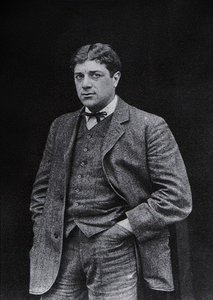
1882–1963, Francija
Georges Braque
Zgodna mladost in umetniške temelji Georges Braque, rojen v Argenteuilu v Franciji leta 1882, se je odzivno vključil v pot, ki je bila globoko prepletena z razvijajočo se pokrajino moderne umetnosti. Njegovo vzgojeno okolje v družini molerjev in dekoraterjev mu ni podarilo le tehničnega znanja o materialih, temveč tudi zgodnje razumevanje forme in strukture. Čeprav je sprva sledil očetovem poklicu, so ga Braqueove naravne umetniške nagnjenosti kmalu vodile na formalno izobraževanje na École des Beaux-ts-Arts v Le Havreju, kar je označilo začetek njegove poti do postajanja enega najvplivnejših slikarjev 20. stoletja.
Tudi dela avtorja Georges Braque
 Mandola1910
 Moški z kitaro1914
 Hiše v L'Estaqueu
 Harbor v Normandiji1909
Eseji o delu The Round Table
 Mastering Cubism: The Top 25 Georges Braque ArtworksJourney through the revolutionary world of Georges Braque. Explore 25 iconic Cubist masterpieces, from geometric abstractions to timeless s…
 Deconstructing Reality: Cubism's Revolutionary Impact on 20th-Century ArtExplore the revolutionary world of Cubism with OriginalUniqueArt. Discover Picasso & Braque's groundbreaking techniques, its philosophical …
 Understanding the Difference Between Analytical and Synthetic CubismMaster the differences between Analytical and Synthetic Cubism with our expert guide. Learn to identify these iconic art movements now.