

 Predogled v realnem okolju
 Pošlji
 Deli
Deli
 Podrobnosti o delu
 Priročnik

 Prenesi sliko
 Podobni izdelki
 Rentgenski posnetek
 Predvajaj diaporama
 Q&A
Q&A Statistika
Paris 1910

 Preberi več
Pridobite datoteko, pripravljeno za tiskanje, ki presega kakovost spletnega predogleda. Vsaka digitalna slika v naši ponudbi izvira iz visoko ločljive izvirne datoteke v naši bazi — običajno široke od 5.000 do 15.000 pikselov — zato lahko z zaupanjem tiskate v večji format, tesno izrezujete ali reproducirate fine podrobnosti.
Nobena datoteka ne zapusti našega studia nedotiknjena. Digitalni strokovnjak preveri barve v primerjavi z izvirnim sliko in jih po potrebi popravi, nato pa s profesionalnimi orodji za retuširanje izboljša jasnost in podrobnosti — pri čemer vedno ostaja zvest originalnemu slikarskiemu črtam in slogu. Rezultat je slika, ki izgleda kot sama slika, ne pa kot le filtriran sken.
Potrditev poteka pred dokončanjem dela: naš strokovnjak vam v roku 72 ur pošlje sliko po e-pošti na pregled. Niste zadovoljni? Zahtevajte izboljšave ali popravke ali prosite za povračilo denarja, če kakovost ni v skladu z pričakovanimi standardi.
To je kakovost, po kateri temeljijo založniki, oblikovalni studii, galerije in tiskarne.
Digitalna slika
Prenesite datoteko visoke ločljivosti za osebno uporabo, tiskanje in kreativne projekte. ( Preklop na tiskanine Kupite ročno slikano delo)
Vključeno v vsako naročilo digitalne slike
Zagotovljena strokovna digitalna dostava
Z izbiro OriginalUniqueArt.com ne prejmete le slike – prejmete profesionalno urejeno digitalno umetniško delo, izdelano z največjo natančnostjo in zavestno podprto z garancijo za zadovoljstvo. Tukaj je vse, kar bo z vašim naročilom samodejno priloženo:

Hitra dostava prek e-pošte
Vaša digitalna slika visoke ločljivosti bo na vaš e-naslov poslana v roku 72 ur od zaklopa naročila – pripravljena za takojšnjo uporabo.

Digitalna datoteka z uporabo AI
Vaše umetniško delo je strokovno optimizirano z uporabo naprednih orodij umetne inteligence in ročne obdelave, kar zagotavlja največjo stopnjo podrobnosti, jasnosti in barvne natančnosti.

Brezplačna doletna ponovna dostava
Ste datoteko zaradi nespremietne napake izgubili ali izbrisali? Ni težav – vam jo bomo ponovno poslali kadar koli in brezplačno.

Brez uvoznih pristojbin – vedno
Svoje umetniško del uživajte takoj, brez carin, davkov ali stroškov dostave – digitalni prenosi so vedno brezdavčni.

Zagotovilo natančnosti barv
Z uporabo profesionalnih orodij in procesov upravljanja barv zagotavljamo, da vaša digitalna slika čim bolj natančno odraža prvotne barve.

100-dnevna garancija zadovoljstva
Če niste zadovoljni s svojo digitalno sliko, jo bomo uredili ali vam v 100 dneh povrnili 100% denarja – brez kakršnih koli vprašanj.

100% Garancija povračila denarja
Niste zadovoljni? Zagotavljamo vam popoln povračilo sredstev v 100 dneh po prejemu digitalne datoteke – brez dodatnih vprašanj.

Popusti pri večjih naročilih
Kupite 3 slike, prihranite 10% - Kupite 5 slik, prihranite 15% - Kupite 10+ slik, prihranite 20%. Odlično za kreativne projekte, galerije in agencije.
Georges Braque’s Paris 1910: A Fragmented Reflection of Modern Anxiety
Paris 1910 stands as a cornerstone of Cubist art, encapsulating the movement's radical departure from traditional representation and offering a profound glimpse into the anxieties simmering beneath the surface of early 20th-century European culture. Painted by Georges Braque in 1910, this monochrome composition—primarily shades of gray, black, and white—isn’t merely an image of Paris; it's a deliberate dismantling of perspective and form, mirroring the intellectual ferment of its time.The Geometry of Disorientation
At first glance, ‘Paris 1910’ presents a deceptively simple visual landscape. However, beneath this calm exterior lies a complex interplay of geometric shapes – squares, rectangles, and intersecting lines – that actively destabilize our perception of space. Braque abandons the illusionistic techniques favored by Impressionists and Renaissance artists, opting instead for a fractured viewpoint that simultaneously reveals multiple perspectives on the same subject. This technique directly responds to the influence of Cézanne’s explorations into spatial relationships, pushing artistic boundaries further than ever before. The deliberate lack of depth compels viewers to actively engage with the artwork, questioning their assumptions about how we perceive reality.A Monochrome Palette and Textured Line
The artist's masterful use of monochrome contributes significantly to the piece’s emotional impact. Stripped bare of color, Braque focuses on tonal variations—ranging from darkest gray to subtle highlights—to convey mood and texture. Thick, energetic lines dominate the composition, defining shapes and creating a palpable sense of dynamism. These aren’t smooth, flowing strokes; rather, they appear jagged and broken, mirroring the fragmentation inherent in Cubist thought. The artist employs hatching techniques – layering parallel lines – to build up surface textures, emphasizing materiality and adding another layer of visual interest. This meticulous attention to detail underscores Braque's commitment to capturing not just what is seen but also how it feels.Historical Context: The Birth of Analytical Cubism
‘Paris 1910’ emerged during the formative years of Analytical Cubism, a pivotal phase in Picasso and Braque’s artistic collaboration. Influenced by African sculpture and Cézanne's geometric simplification of landscapes, this style represents a decisive break from academic conventions. The artwork reflects the broader intellectual currents of the era—a preoccupation with scientific advancements alongside anxieties about societal upheaval—expressed through visual language that prioritizes conceptual exploration over realistic depiction. It’s considered one of Picasso’s earliest explorations into Cubism and exemplifies the movement's core principles: simultaneity, fragmentation, and multiple viewpoints.Symbolic Resonance: Beyond Representation
More than just a cityscape, ‘Paris 1910’ operates on a symbolic level. The deliberate fracturing of form can be interpreted as representing the disorientation and uncertainty experienced during a period marked by rapid industrialization and social change. Braque's rejection of traditional perspective isn’t merely stylistic; it’s a philosophical stance that challenges viewers to reconsider their understanding of visual perception. The word ‘PARIS’ inscribed on the bottom right serves as a reminder of the subject matter, but also subtly underscores the artwork’s broader commentary on modernity and its impact on human experience.Emotional Impact: A Quiet Intensity
Despite its monochromatic palette and seemingly austere composition, ‘Paris 1910’ possesses an undeniable emotional resonance. The textured lines convey a sense of restless energy, hinting at the underlying anxieties of the time. The artwork invites contemplation—encouraging viewers to consider not just what they see but also how it communicates ideas about space, perception, and the complexities of human consciousness. It remains a powerful testament to Braque’s artistic vision and his enduring contribution to the history of art.Vprašanja in odgovori
V katero obdobje umetnostnega razvoja Žorž Braq pripada delo "Paris 1910"?
"Paris 1910" pripada Analytical Cubism v karieri umetnika Žorž Braq. Ta razvrstitev povezuje delo z umetnikovim razvojnim obdobjem.
Iz katere države izvira del Cubist Fragmentation z naslovom "Paris 1910"?
"Paris 1910" povezuje gibanje Cubist Fragmentation s Francija skozi rodno mesto svojega ustvarjalca.
Kakšna je barvna identiteta dela "Paris 1910" avtorja Žorž Braq?
Barvna identiteta dela "Paris 1910" avtorja Žorž Braq: paleta Neutrals, ki prevladuje z barvo Gray (#818181).
Biografija umetnika
Zgodna mladost in umetniške temelji
Georges Braque, rojen v Argenteuilu v Franciji leta 1882, se je odzivno vključil v pot, ki je bila globoko prepletena z razvijajočo se pokrajino moderne umetnosti. Njegovo vzgojeno okolje v družini molerjev in dekoraterjev mu ni podarilo le tehničnega znanja o materialih, temveč tudi zgodnje razumevanje forme in strukture. Čeprav je sprva sledil očetovem poklicu, so ga Braqueove naravne umetniške nagnjenosti kmalu vodile na formalno izobraževanje na École des Beaux-ts-Arts v Le Havreju, kar je označilo začetek njegove poti do postajanja enega najvplivnejših slikarjev 20. stoletja. Ta temelj—mešanica praktičnega krojevanja in akademskega študija—se bo kasneje izkazal ključnega, ko bo dekonstruiral in ponovno zamislil tradicionalne umetnostne konvencije.
Z preselitvom v Par way leta 1902 je Braque nadaljeval svoje študije na Académie Humbert in se potopil v živahno umetniško okolje mesta. Prav tukaj je spoznal umetnike, kot sta Marie Laurencin in Francis Picabia, ter vzpostavil povezave, ki bodo oblikovale njegov zgodnji razvoj. Njegova začetna dela so odražala prevladujoče vlive impresionizma in postimpresionizma, toda ključni srečanje z drznimi barvami in izrazno svobodo fauvizma leta eksplicitno je v njegovo umetniško raziskovanje vneslo novo smer.
Objem fauvizma in vprašanje kubizma
Braqueova sprejetje načel fauvizma—ki jih zaznamujejo intenzivne, nenaturalistične barve in čustvena ekspresija—je živopisno prikazano v slikah, kot je Potrpežljivost. V tem obdobju je sodeloval z umetniki, kot sta Henri Matisse in André Derain, pri eksperimentiranju z živahnimi paletami in poenostavljenimi oblikami. Vendar Braqueova vpletenost v fauvizm ni bila zgolj imitativna; v hareket je vnesel edinstveno občutljivost, s čimer je neobazano obilje gibanja ublažil z bolj vzdržnim in analitičnim pristopom.
Prelomnica je prišla leta 1907 z izpostavljenostjo retrospektivne izložbe dela Paula Cézanneja. Cézannejev poudarek na geometričnih oblikah in več perspektiv je globoko vplivnal na Braqueja in postavil odro v njegovo revolucionarno sodelovanje s Pablo Picasssom. Od leta _1908_ sta ta dva umetniška titan začela obdobje intenzivnega intelektualnega izmenjavanja, ki se je rodilo v kubizmu—revolucionarnem gibanju, ki je razbilo tradicionalne predstave。
Skupaj sta Braque in Picasso razvijala analitični kubizem, s čimer so razložili predmete v razdrobljene geometrične oblike in hkrati predstavljali več pogledov. Dela, kot so Hiše pri L'Estaque, prikazujejo to zgodnjo fazo, ki kaže radikalno odstopanje od konvencionalne perspektive in osredotočenost na podložno strukturo oblik. Njuna paleta je postala namerno utišana, s poudarkom na formi namesto barve, saj sta želela predstaviti celovitost prisotnosti predmeta namesto le njegovega videza.
Inovacija skozi fragmentacijo in kolaž
Partnerstvo med Braqueom in Picasssom je še naprej premikalo meje umetniške izraznosti, kar je vodilo do razvoja sintetičnega kubizma okoli leta 1912. Ta faza je prinesla uvedbo kolaža—vključevanje materialov iz realnega sveta, kot so koščki časopisov, tapete in tkanine, v slike. Ta inovacija je izzivala tradicionalno hierarhijo med slikarstvom in kiparstvom ter zameglila meje med umetnostjo in življenjem.
Braqueova pionirska uporaba *papier collé* (lepljen papir) je označila pomembno obr_{[n]t_v} v njegovi umetniški evoluciji. Z integracijo fragmentov vsakdanjih predmetov v svoje kompozicije je pretrgel iluzionistični prostor tradicionalnega slikarstva in uvedel novo raven materialnosti in teksture. Ta tehnika ni le razširila formalnih možnosti umetnosti, temveč je odražala tudi naraščajoče zanimanje za odnos med predstavljanjem in realnostjo.
Izbruh Prve svetovne vojne leta 1914 je prinesel prekinitev te intenzivne sodelovanja, saj je bil Braque poklican v vojski. Njegove vojenjske izkušnje so globoko vplivale na njegovo umetniško vizijo in ga vodile k raziskovanju bolj osebnih in lirskih tem v njegovemdovojnem delu.
Pozne leta in trajna dediščina
Po vojni se je Braqueov slog razvijal dlje od strogih okvirov kubizma, vključujoč elemente klasične kompozicije in obnovljeno zanimanje za življenjsko sliko. Čeprav je ohranil geometrične vlive, ki so definirali njegovo zgodnje delo, je razvil bolj poglobljen in kontemplativen pristop k slikarstvu. Njegove pozne pejzage in notranji prostori so značilni po svojem mirnem vzdušju in subtilnih harmonijah barv.
skozi celotno svojo kariero je Braque ostal predan raziskovanju temeljnih načel forme, prostora in predstavljanja. Nadaljeval je z eksperimentiranjem z različnimi materiali in tehnikami ter premikal meje umetniške izraznosti vse do svoje smrti leta _1963_. Njegov vpliv na naslednje generacije umetnikov je neizmeren; oblikoval je pot moderne umetnosti in navdihoval štejne slikarje, kiparje in kolažiste.
Dediščina Georges Braquea presega njegova individualna dela; fundamentalno je spremenil naše razumevanje tega, kako zaznavamo in predstavljamo svet okoli nas. Njegov sodelovalni duh s Picasssom, v kombinaciji z njegovo lastno edinstveno umetniško vizijo, je utrdil njegovo mesto pravega pionirja moderne umetnosti—mojstra, ki se je upal izzvati konvencije in ponovno definirati možnosti slikarstva.
Vplivi in pomembna dela
- Vplivavali mu: Henri Matisse, André Derain, Paul Cézanne
- Ključna dela: Houses at L'Estaque, The Patience, Violin and Palette, Mandola
- Vpliv na umetnostno zgodovino: Revolucioniral umetnost 20. stoletja skozi kubizem; izzval tradicionalne predstave perspektive in predstavljanja.
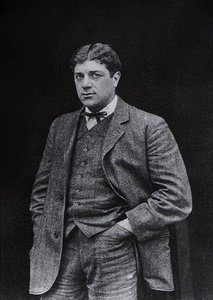
Žorž Braq
1882 - 1963 , Francija
Ključne informacije
- Artistic Movement Or Style: Kubizem
- Artists Who Influenced This Artist:
- Henri Matisse
- André Derain
- Paul Cézanne
- Date Of Birth: 13 maj 1882
- Date Of Death: 31 avgust 1963
- Full Name: Georges Braque
- Nationality: Francoz
- Notable Artworks:
- Živali na L'Estaque
- Četrtičje
- Violino in pipa
- Place Of Birth: Argenteuil, Francija