

 Preverite v realnem okolju
 Pošlji kot čestitko
 Deli
Deli
 Podrobnosti
 Priročnik

 Prenesi
 Podobni artefakti
 Rentgenski posnetek
 Predvajaj diaporama
 Statistika
The Sea


 Preberi več
Giclée tisk / Umetniški tisk
Giclée ali platnati odtis muzejske kakovosti z hitro proizvodnjo in prilagodljivimi možnostmi končne obdelave. ( Naročite ročno slikano reprodukcijo Preklop na digitalno sliko)




P118B €10

P118H €10

P118W €10

P438Z €10

P508JH €12

P508YH €12

P805H €10

P805Z €10

P919BZ €10

P919G €10

P919XJ €10

P959ZH €10

P968JZ €12

W106C €8

W218G €10

W218JH €8

W218Y €10

W307PJ €10

W316G €10

W316PJ €8

W316Y €10

W398PJ €8

W4111J €10

W500HY €15

W500JH €15

W692G €12

W849H €8

W940BG €15

W953PJ €8




Izberite eno od naših vnaprej določenih velikosti, ki ustrezajo prvotnim proporcijam umetničkega dela.

Vnesite širino in višino, ki jih potrebujete za svoj okvir ali steno. Tiskanje se lahko le odreže, vendar ga ni mogoče narediti večjega od slike, zato format z drugačno obliko pomeni izgubo dela slike. Pred tiskanjem vam pošljemo digitalni predogled za potrditev. Slika, prikazana na tej strani, ne prikazuje dejanskega izrezkov — le predogled to omogoča.
Globalna dostava () v 2 tednih namesto standardnih 4/5 tednov. (21 oktober)

Brezplačna ekspresna dostava po vsem svetu

Visokokakovostno laneno platno

Popolno zavarovanje pošiljke

Garancija povračila carine in uvoznih davkov

Garancija popolnega barvnega ujemanja

Politika vračila v 100 dneh (le v primeru okvar)

Garancija 100% povračila denarja

Popust pri večjem naročilu
 Možnost stekla je na voljo le za velikosti pod 110 cm

The Sea
Giclée tisk / Umetniški tisk
Velikost reprodukcije
-


Skupna cena
€ 70
A Dramatic Encounter: The Essence of “The Sea”
George Wesley Bellows’ “The Sea,” painted in 1911, isn't merely a depiction of an ocean scene; it’s a visceral experience. This oil on canvas, now residing within the Hirshhorn Museum and Sculpture Garden in Washington D.C., captures a pivotal moment – the raw, untamed power of nature colliding with the steadfast solidity of land. The painting immediately draws the viewer into a world of turbulent energy: colossal waves relentlessly assault jagged rocks in the foreground, their crests foaming white against a bruised, dramatic sky. Clouds swirl and gather, hinting at an impending storm, while scattered boats – some bravely battling the elements, others seeking refuge – punctuate the scene with a sense of scale and vulnerability.
Bellows, a key figure in the Ashcan School movement, rejected idealized representations of American life. Instead, he embraced the gritty reality of urban existence and the natural world, often portraying them with unflinching honesty. “The Sea” exemplifies this approach; it’s not a romanticized seascape but a potent portrayal of nature's dominance, rendered with an intensity that reflects Bellows’ own dynamic artistic vision.
Bold Brushstrokes and Vibrant Color: The Artist’s Technique
Examining the painting closely reveals Bellows’ distinctive style. He employed bold, expressive brushstrokes – thick, impastoed layers of paint that convey movement and texture with remarkable immediacy. Notice how he uses short, choppy strokes to depict the crashing waves, contrasting them with broader, more fluid marks for the sky. The color palette is equally impactful: deep blues and greens dominate, punctuated by flashes of white foam and the somber grays of the storm clouds. This masterful use of color not only creates a sense of drama but also establishes a strong visual hierarchy, guiding the viewer’s eye through the composition.
Bellows' technique was deeply influenced by his background as an athlete; he sought to capture the dynamism and physicality of movement within his art. This is particularly evident in the way he portrays the waves – they seem to surge forward with unstoppable force, mirroring the energy of a boxer’s punch or a runner’s stride.
Historical Context: The Ashcan School and American Modernism
To fully appreciate “The Sea,” it's crucial to understand its place within the broader context of early 20th-century American art. The Ashcan School, which Bellows was a prominent member of, rejected the academic traditions of the time and focused on depicting everyday life in New York City – often with unflinching realism. Artists like Robert Henri championed this approach, encouraging their students to paint what they saw without idealization or sentimentality.
“The Sea” reflects this spirit of social observation and artistic experimentation. It’s a powerful statement about the relationship between humanity and nature, capturing a moment of intense confrontation that speaks to both the beauty and the danger inherent in the natural world. The painting was created during a period of rapid industrialization and urbanization in America, and Bellows' work served as a counterpoint to the prevailing narratives of progress and prosperity.
Symbolism and Emotional Resonance
Beyond its technical brilliance, “The Sea” is rich in symbolism. The crashing waves can be interpreted as representing the overwhelming forces of nature, while the boats symbolize humanity’s struggle against these forces. The dark, ominous sky suggests uncertainty and impending change. Yet, amidst this turmoil, there's also a sense of resilience – the boats continue to navigate the storm, demonstrating an enduring spirit of determination.
Ultimately, “The Sea” evokes a powerful emotional response in the viewer. It’s a painting that captures not only a specific moment in time but also a fundamental human experience: our relationship with the wild and unpredictable forces of nature. A high-quality reproduction allows you to bring this evocative masterpiece into your home or office, serving as a constant reminder of the beauty and power of the natural world.
Vprašanja in odgovori
Kako se delo "The Sea" vklapa v tematiko in slog umetnika George Wesley Bellows?
V celotnem delu umetnika George Wesley Bellows se delo "The Sea" prikloni slogu Ashcan School, ki vključuje tematiko ashcan realism, urban grit, early 20th-century america, social commentary, class divide, boxing scenes, dynamic energy, bellows’ signature style”.
Kakšna je med barvami dela "The Sea" medsebojna skladnost?
Barvna harmonija dela "The Sea" je zabeležena kot Discordant Palette.
Kje lahko vidim originalno delo "The Sea" avtorja George Wesley Bellows?
Del "The Sea" avtorja George Wesley Bellows je razstavljen v muzeju Hirshhorn Museum and Sculpture Garden, Washington, D.C., Združene države Amerike. Navedba muzeja se nanaša na originalno delo, ne pa na reprodukcije.
Biografija umetnika
Življenje in zgodnji vplivi Georgea Wesleyja Bellowsa
George Wesley Bellows, rojen v Columbusu, Ohio, 12. ali 19. avgusta 1882, je bil sinonim za surovo energijo in razcvetajočo modernost zgodnjega 20. stoletja Amerike. Njegova pot od obetavnega športnika do priznanega slikarja je dokaz moči strasti in neomajne predanosti. Že v mladosti je pokazal naraven talent za risanje, zapolnil zvezke skicami, ki so nakazovale opazovalni pogled in rastoče spretnosti. Vzgoja ni bila izključno usmerjena k umetnosti; odlično se je prebijal v športu, igral baseball in košarko na Državni univerzi Ohio – dvojnost, ki bi globoko vplivala na njegov umetniški pogled, vsilila njegovem delu občutek dinamičnega gibanja in fizičnosti. Ta atletska ozadja mu niso dala le discipline, temveč tudi spoštovanja do človeške oblike v akciji – tema, ki bi postala osrednja v njegovih najbolj znanih slikah. Univerzo je zapustil tik pred diplomo, vodila ga je neustavljiva privlačnost New Yorka in obljuba umetniškega usposabljanja.Formiranje poti: Šola Ashcan in širše
Po prihodu v New York leta 1904 je Bellows hitro našel mentorstvo pri Robertu Henriju, vodilni figuri šole Ashcan. Ta skupina umetnikov – med njimi John Sloan, William Glackens in George Luks – se je namerno odvrnila od akademskih konvencij in se raje posvečala surovi resničnosti mestnega življenja: prenatrpanim stanovanji, živahnih ulicah in vsakdanjih težavah delavskega razreda. Bellows je to etos navdušeno sprejel, sprva odražal Henrijev sproščeni slog črtanja in zavezanost socialnemu realizmu. Vendar se ni zadovoljil s tem, da bi samo ponavljal učiteljev slog; imel je ambicijo oblikovati svoj prepoznaven umetniški glas. Leta 1906 je skupaj s kolegom Edwardom Keefejem ustanovil studio, kar je pomenilo začetek plodnega obdobja eksperimentiranja in rasti. Njegova zgodnja dela, razstavljena leta 1908, so bila sprejeta z mešanimi odzivi – nekateri kritiki so jih našli groba, drugi pa prepoznali njihovo drzno pogumnost in inovativni duh. Bellowsova tematika je bila v tistem času pogosto kontroverzna, saj je izpodbijala prevladujoče predstave o tem, kaj predstavlja "sprejemljiva" umetnost. Ni se izogibal prikazovanju manj glamuroznih vidikov mestnega življenja in zajemal prizore revščine, dela in prostega časa z neomajno iskrenostjo.Arena življenja: Boks in urbana spektakularnost
Čeprav je obseg Bellowsovega opusa vključeval široko paleto tem – portrete, pokrajine, morske krajine –, je najbolj znan po močnih upodobitvah boksarskih tekem. Zanj to niso bili zgolj športni dogodki; bili so mikrokosmi človeške drame, ki uteleljajo teme boja, odpornosti in prvotnih instinktov, ki poganjajo tekmovanje. Pogosto je obiskoval zadimljene boksarske klube, natančno preučeval gibanje borcev, intenzivnost njihovega pogleda in surovo energijo množice. Slike kot *Both Members of This Club* (1909) in *Stag at Sharkey’s* (1909) so mojstrovinski primeri njegove sposobnosti zajeti to vzdušje, pri čemer uporablja dramatično osvetlitev, dinamične kompozicije in otipljiv občutek napetosti. Boksarski prizori niso bili samo o športu; bili so metafore za življenjske bitke, ki odražajo socialni darvinizem, prevladujoč v ameriški družbi tistega časa. Poleg boksa je navdih našel tudi v drugih spektakularnih vidikih mestnega življenja – paradah, cirkusih in gneči ulic –, ki so ponujali priložnosti za raziskovanje tem gibanja, energije in kolektivne izkušnje.Razvijajoči se slog in trajna zapuščina
Ko je Bellows dozorel kot umetnik, je njegov slog doživel subtilno, a pomembno evolucijo. Čeprav je ohranil svojo zavezanost realizmu, se je začel oddaljevati od sproščenega črtanja zgodnjih let in sprejel bolj stiliziran estetski vid, za katerega so bili značilni gladke krivulje, monumentalne oblike in povečan občutek drame. Ta premik je očiten v poznejših delih, kot je *Dempsey and Firpo* (1924), monumentalno platno, ki osupljivo zajema vrhunec legendarne boksarske tekme z dih jemajočo intenzivnostjo. Eksperimentiral je tudi z litografijo in ustvaril serijo izjemnih odtisov, ki so prikazovali njegovo mojstrstvo linije in tona. Kljub pomembnemu uspehu v življenju – vključno s sprejemom v Nacionalno akademijo za dizajn leta 1913 – je Bellows ostal zavezan premikanju umetniških meja in izzivanju konvencionalnih norm. Njegova prezgodnja smrt leta 1925 pri starosti 42 let je prekinila obetavno kariero, a njegova zapuščina vztraja kot ena najpomembnejših ameriških realistov. Pustil je za seboj delo, ki še danes odmeva pri občinstvu in ponuja močan in neomajno portret ameriškega življenja v zgodnjem 20. stoletju – svet, prežet z energijo, konflikti in trajnim duhom človeštva. Njegov vpliv je mogoče videti v naslednjih generacijah umetnikov, ki so si prizadevali zajeti dinamiko in kompleksnost sodobne mestne izkušnje. George Bellows ni samo slikal slike; dokumentiral je obdobje.Glavna dela in priznanja
- *Both Members of This Club* (1909) – Pomembno delo, ki zajame vzdušje boksarskega kluba.
- *Stag at Sharkey’s* (1909) – Še en ikoničen prikaz boksarske tekme, znan po dramatični osvetlitvi in kompoziciji.
- *Men of the Docks* (1912) – Močan portret delavskega razreda, ki prikazuje Bellowsovo spretnost zajemanja fizičnosti in teksture.
- *The Germans Arrive* (1918) – Serija litografij, ki prikazujejo grozodejstva, storjena med prvo svetovno vojno, kar dokazuje njegovo vpletenost v družbene in politične zadeve.
- *Dempsey and Firpo* (1924) – Monumentalno platno, ki zajame ključni trenutek v zgodovini boksa, prikazuje Bellowsov razvit slog in mojstrstvo kompozicije.
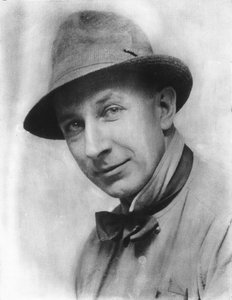
George Wesley Bellows
1882 - 1925 , Združene države Amerike
Ključne informacije
- Datum Rojstva: 1882
- Datum Smrti: 1925
- Državljanstvo: Ameriški
- Kraj Rojstva: Columbus, ZDA
- Polno Ime: George Wesley Bellows
- Pomembna Dela:
- Central Park
- The Germans Arrive
- Umetniški Smer: Ashcan School, Realizem
- Vplivi Umetnikov: ['Robert Henri']
Sorodni članki

Georges Seurat: 25 Mojstrovin Pionirja Pointilizma za Vaš Dom | OriginalUniqueArt
Odkrijte 25 mojstrovin Georgesa Seurata, pionirja pointilizma! Preučite zgodbe za ikoničnimi slikami, kot sta 'Nedeljski dan na otoku La Grande Jatte' in 'Kopalci v Asnières'. Kvalitetne reprodukcije za vaš dom – OriginalUniqueArt.com.

Oil on Canvas: A Historical & Technical Exploration of a Timeless Artistic Medium
Explore the rich history & enduring techniques of oil painting on canvas. Discover the science behind its longevity, conservation practices, and contemporary relevance. Expert insights for art enthusiasts.
The Allure of the Horizon: A Comprehensive Exploration of Seascape Art Through History & Emotion
Explore the captivating world of seascape art! Discover its history, key artists & movements – from Dutch Masters to Impressionism. Expert insights for collectors and enthusiasts at OriginalUniqueArt.

The Enduring Legacy of Oil on Canvas: Technique, History & Aesthetic Impact
Explore the rich history & techniques of oil painting – from Renaissance masters to Impressionism. Discover pigments, layering methods, and why this timeless medium endures. Expert insights for artists & art enthusiasts.

Georges Braque: 25 Mojstrovinskih Del za Navdih v Vašem Domu | OriginalUniqueArt
Odkrijte 25 mojstrovinskih del Georgesa Braqueja – pionirja kubizma! Preberite zgodbe za vsako sliko, tehnike in navdih. Reprodukcije slik visoke kakovosti za vaš dom na OriginalUniqueArt.com.
