

 Preverite v realnem okolju
 Pošlji kot čestitko
 Deli
Deli
 Podrobnosti
 Priročnik

 Prenesi
 Podobni artefakti
 Rentgenski posnetek
 Predvajaj diaporama
 Statistika
The Fall of Phaëton
 Oil On Canvas
- WallArt
- Romanticism
 1777
1777 97.0 x 122.0 cm
 National Trust
 Preberi več
Giclée tisk / Umetniški tisk
Giclée ali platnati odtis muzejske kakovosti z hitro proizvodnjo in prilagodljivimi možnostmi končne obdelave. ( Naročite ročno slikano reprodukcijo Preklop na digitalno sliko)




P118B €10

P118H €10

P118W €10

P438Z €10

P508JH €12

P508YH €12

P805H €10

P805Z €10

P919BZ €10

P919G €10

P919XJ €10

P959ZH €10

P968JZ €12

W106C €8

W218G €10

W218JH €8

W218Y €10

W307PJ €10

W316G €10

W316PJ €8

W316Y €10

W398PJ €8

W4111J €10

W500HY €15

W500JH €15

W692G €12

W849H €8

W940BG €15

W953PJ €8




Izberite eno od naših vnaprej določenih velikosti, ki ustrezajo prvotnim proporcijam umetničkega dela.

Svoje dimenzije lahko vnesete sami, da bodo ustrezne za določen okvir ali prostor. Če izbrana velikost ne bo skladna z razmerji izvirne slike, bomo umetniško delo orezali ali podaljšali s pomočjo ogledalnega odraza ali barvno polnega roba. Pred začetkom proizvodnje vam bomo poslali digitalni predogled za potrditev.
Upoštevajte, da predogled na zaslonu ne prikazuje dejanskega orezovanja ali podaljševanja. Le digitalni predogled bo natančno prikazal končno kompozicijo.
Čeprav so na voljo prilagojene velikosti, priporočamo izbiro dimenzije s predhodno določenega seznama, da ohranite prvotna razmerja.
Globalna dostava () v 2 tednih namesto standardnih 4/5 tednov. (10 oktober)

Brezplačna ekspresna dostava po vsem svetu

Visokokakovostno laneno platno

Popolno zavarovanje pošiljke

Garancija povračila carine in uvoznih davkov

Garancija popolnega barvnega ujemanja

Politika vračila v 100 dneh (le v primeru okvar)

Garancija 100% povračila denarja

Popust pri večjem naročilu
 Možnost stekla je na voljo le za velikosti pod 110 cm

The Fall of Phaëton
Giclée tisk / Umetniški tisk
Velikost reprodukcije
-


Skupna cena
€ 69
A Collision of Myth and Mastery: Unveiling George Stubbs’s ‘The Fall of Phaëton’
George Stubbs's “The Fall of Phaëton,” painted in 1777, isn’t merely a depiction of a Greek myth; it’s a visceral experience. This monumental canvas, now residing within the National Trust at Saltram, transcends its narrative origins to become a profound meditation on power, destruction, and the sublime beauty of chaos. Stubbs, a revolutionary figure in 18th-century art, deliberately eschewed the idealized forms favored by his contemporaries, instead opting for an anatomical realism that bordered on the unsettling, particularly when applied to subjects as grand and terrifying as the sun god’s son attempting to wrest control from his father.
The scene unfolds with breathtaking dynamism. Phaeton, a young man consumed by ambition and perhaps hubris, is shown at the apex of his disastrous journey – driving the chariot of the sun across the heavens. His face, contorted in panic and exertion, reflects the impending doom that threatens to engulf him and all beneath. The horses themselves are rendered with astonishing detail, their muscular forms straining against the reins, each a testament to Stubbs’s meticulous study of equine anatomy. The composition is dominated by diagonals – the sweeping arc of the chariot, the downward plunge of the thunderbolts, and the frantic movement of the steeds – creating a sense of relentless forward momentum that pulls the viewer directly into the heart of the drama.
Anatomy as Revelation: Stubbs’s Scientific Approach
Stubbs's commitment to anatomical accuracy was legendary. His fascination with the inner workings of animals, fueled by his time dissecting horses at York County Hospital, informed every brushstroke. “The Fall of Phaëton” is a prime example of this approach; Stubbs didn’t simply paint a horse; he painted its very essence – the sinews beneath the skin, the skeletal structure supporting the musculature, and the intricate network of veins pulsing with life. This dedication to realism was considered radical at the time, challenging the prevailing artistic conventions that prioritized idealized beauty over scientific observation.
The painting’s color palette further enhances its dramatic effect. Stark contrasts between light and shadow – a consequence of Stubbs's masterful use of chiaroscuro – heighten the sense of urgency and impending disaster. The fiery hues of the sun chariot are juxtaposed against the deepening blues and purples of the approaching night, symbolizing the irreversible shift from day to darkness. The subtle gradations of color within each figure’s form contribute to a remarkable sense of volume and depth, drawing the viewer into the scene with an almost unsettling immediacy.
Mythic Symbolism and Emotional Resonance
Beyond its technical brilliance, “The Fall of Phaëton” is rich in symbolic meaning. The myth itself speaks to themes of unchecked ambition, divine retribution, and the consequences of defying fate. Phaeton’s downfall serves as a cautionary tale against hubris and a reminder that even those blessed with extraordinary power are ultimately subject to mortality. The figures surrounding the event – the Heliades, transformed into poplar trees in mourning for their brother, and Cycnus, hiding his face in despair – amplify this sense of loss and tragedy.
However, the painting transcends mere allegory. It evokes a profound emotional response—a mixture of awe, terror, and pity. The sheer scale of the scene, combined with Stubbs’s dramatic composition and masterful use of color, creates an overwhelming sensory experience that leaves the viewer breathless. “The Fall of Phaëton” is not simply a depiction of a myth; it's a powerful meditation on human nature, the forces of destruction, and the enduring beauty of tragedy—a timeless masterpiece that continues to captivate audiences centuries after its creation.
A Legacy Enduring: Reproductions and Artistic Inspiration
Reproductions of “The Fall of Phaëton” offer a remarkable opportunity to experience Stubbs’s artistic vision firsthand. Whether displayed in a grand salon or a more intimate setting, this painting commands attention with its dramatic intensity and technical brilliance. Collectors appreciate the work's historical significance, scientific rigor, and enduring aesthetic appeal. Interior designers often incorporate reproductions into spaces seeking to evoke a sense of grandeur, drama, and intellectual curiosity – a testament to Stubbs’s lasting influence on art history.
Vprašanja in odgovori
Za katero so "The Fall of Phaëton" avtorja George Stubbs priporočena?
Reprodukcija dela "The Fall of Phaëton" se v Living Room odlično prilega.
Koliko ljudi ogleda "The Fall of Phaëton"?
Stran Statistika za delo "The Fall of Phaëton" avtorja George Stubbs prikazuje statistiko javnih obiskov: mesečne obiske tega dela, primerjavo z najbolj ogledanimi deli tega umetnika in izvor obiskovalcev.
Koliko je bil George Stubbs star ob ustvarjanju dela "The Fall of Phaëton" leta 1777?
Ko je bilo delo "The Fall of Phaëton" ustvarjeno leta 1777, je bil George Stubbs – rojen leta 1724 – star 53 let.
Katera barva prevladuje v kompoziciji dela "The Fall of Phaëton" avtorja George Stubbs?
Prevladujoča barva dela "The Fall of Phaëton" avtorja George Stubbs je Driftwood (#a88e6b).
Kdo je umetnik za "The Fall of Phaëton"?
Delo "The Fall of Phaëton" je ustvaril George Stubbs. Informacije na tej strani opisujejo izvirno delo umetnika George Stubbs.
V letu katerega je bilo ustvarjeno delo "The Fall of Phaëton" avtorja George Stubbs?
"The Fall of Phaëton" izvira iz 1777. Ta datum delo situira v okvir George Stubbsove kariere in obdobja, v katerem je nastalo.
Kakšne so dimenzije izvornega dela "The Fall of Phaëton" avtorja George Stubbs?
Zabeležene dimenzije dela "The Fall of Phaëton" avtorja George Stubbs so 97 x 122 cm. Reprodukcije je mogoče naročiti v drugih velikostih, pri čemer se ohranijo iste proporcije.
Biografija umetnika
Zgodnje življenje in izobraževanje
George Stubbs, eden najpomembnejših angleških slikarjev, se je rodil 25. avgusta 1724 v Liverpoolu, Velika Britanija. Njegovo zgodnje življenje ni dobro dokumentirano; večino informacij o njegovem življenju do 35. leta starosti najdemo v spominih Oziasa Humphryja, ki so nastali na podlagi pogovorov s Stubbsom leta 1794. Že pri petnajstih letih se je začel umetniško izobraževati, sprva kot vajenec pri svojem očetu, usnarju. Kasneje se je pridružil Hamletu Winstanleyju, slikarju in graverju v Lancashireu, kjer je imel priložnost študirati zbirko umetnin na posestvu Knowsley Hall. Ta zgodnja izkušnja je bila ključna za razvoj njegovega estetskega občutka in zanimanja za naravo.Umetniški razvoj in pomembna dela
Stubbsa je že kmalu privlačila anatomija, zato se je leta 1744 preselil v York, kjer je študiral pri kirurgu Charlesu Atkinsonu na okrožni bolnišnici. Njegovo prvo ohranjeno delo so ilustracije za učbenik porodništva Johna Burtona iz leta 1751. Leta 1756 se je Stubbs preselil na posestvo v Lincolnshire, kjer je naslednjih osemnajst mesecev preživel z razrezanjem konj in natančnim študijem njihove anatomije s pomočjo svoje partnerice Mary Spencer. To intenzivno proučevanje je vodilo do objave dela *Anatomija konja* leta 1766, ki ga spremljajo izvirne risbe, danes shranjene v Kraljevi akademiji. Njegovo delo je hitro pritegnilo pozornost aristokratskih pokroviteljev, med njimi tudi tretjega vojvode Richmonda, ki mu je naročil tri velike slike leta 1759. To je pomenilo začetek uspešne kariere, v kateri je ustvarjal dela za številne vojvode in lorde, kar se je končalo s preselitvijo v hišo v Maryleboneu v Londonu.Dela in tehnični pristop
Stubbs je bil izjemen mojster upodabljanja živali, predvsem konj. Njegova dela odlikujejo natančnost anatomije, dinamična kompozicija in subtilno ujemanje svetlobe in sence. Za razliko od mnogih svojih sodobnikov se Stubbs ni omejeval na idealizirane prikaze; namesto tega je poskušal ujeti pravo naravo živali, njihovo moč, lepoto in karakter. Njegova tehnika je bila inovativna za tisto obdobje – pogosto je uporabljal temne ozadja, da bi poudaril obliko in teksturo živali.Zapuščina in pomembna dela
Njegovo najbolj znano delo, *Whistlejacket*, slika pritepene konjske rase, naročena leta 1762 od drugega markiza Rockinghama, je danes shranjena v Nacionalni galeriji v Londonu. Ta slika in še dve drugi za Rockinghama se razlikujejo od običajnih portretov živali zaradi preprostih ozadij, ki poudarijo lepoto konja. *Whistlejacket*, dirjalni konj, ki stoji na zadnjih nogah, prikazuje Stubsovo izjemno spretnost pri zajemanju bistva konjev. Njegova serija slik leva, napadajočega konja, so zgodnji primeri romantike in dokazujejo njegov vpliv na umetnost 18. stoletja. Stubsova zapuščina kot slikarja živali ostaja neprimerljiva; njegova dela še danes navdušujejo ljubitelje umetnosti po vsem svetu.- Oglejte si Stubsovo delo na https://OriginalUniqueArt.com/@/george_stubbs
- Raziščite zbirko Nacionalne galerije v Londonu, ki vsebuje pomembna Stubsova dela, na /sl/art/show/art-8xyffg-sl/
- Izvedite več o Stubsovem življenju in delu na Wikipediji na https://en.wikipedia.org/wiki/george_stubbs
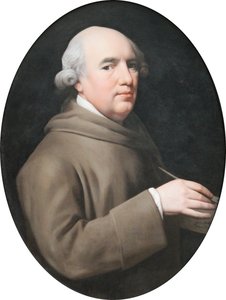
George Stubbs
1724 - 1806 , Združeno kraljestvo
Ključne informacije
- Datum Rojstva: 25. avgust 1724
- Datum Smrti: 10. julij 1806
- Državljanstvo: Britanec
- Kasnejši Vpliv: ['Joshua Reynolds']
- Kraj Rojstva: Liverpool, Združeno kraljestvo
- Polno Ime: George Stubbs
- Pomembna Dela:
- Whistlejacket
- Lev in konj
- Umetniški Smer: Romantizem, Konjska umetnost
- Vplivi: ['Hamlet Winstanley']
Sorodni članki
Timeless Legends: A Curated Guide to the Eternal Allure of Mythological Masterpieces
Embark on a sophisticated journey through the eternal allure of mythological art. Discover how master painters breathe life into ancient legends, from Greek deities to Baroque masterpieces, and learn to curate these timeless narratives within your own exquisite art collection.
George Stubbs: Anatomical Precision & Romantic Vision in 18th-Century British Art
Explore the captivating world of George Stubbs, the 18th-century master renowned for his anatomical precision & Romantic animal paintings. Discover his legacy and investment potential.
Echoes of Olympus: Mythological Narratives in Western Art Through the Ages
Explore the captivating history of mythological narratives in Western art! From ancient Greece to modern masterpieces, discover iconic artworks & symbolism. Expert analysis and high-quality reproductions at OriginalUniqueArt.
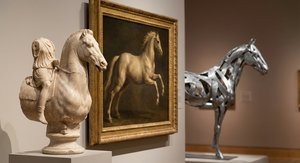
The Noble Steed: A Historical and Artistic Exploration of Horses in Fine Art
Explore the rich history of horses in fine art! From ancient depictions to Renaissance masterpieces & beyond, discover iconic artworks and artists. Learn about symbolism, techniques, and find museum-quality reproductions at OriginalUniqueArt.
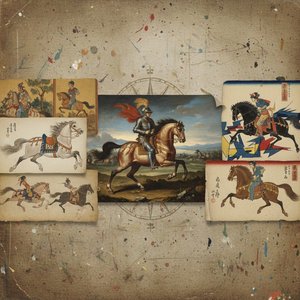
The Noble Steed on Canvas: A Historical & Artistic Exploration of Horse Painting Across Cultures
Explore the rich history of horse painting! Discover masterpieces from Stubbs to Munnings & learn about symbolism, techniques & artists. Find museum-quality reproductions at OriginalUniqueArt.


