

 Preverite v realnem okolju
 Pošlji kot čestitko
 Deli
Deli
 Podrobnosti
 Priročnik

 Prenesi
 Podobni artefakti
 Rentgenski posnetek
 Predvajaj diaporama
 Statistika
Lion Devouring a Horse
 Oil On Canvas
- WallArt
- Romantic Realism
 1763
1763 69.0 x 104.0 cm
 Tate Gallery
 Preberi več
Ročno izdelana oljna reprodukcija
Ročno slikano olje na platnu v vaši izbiri velikosti in okvirja, izdelano po naročilu naših umetnikov. ( Preklop na tiskanine Preklop na digitalno sliko)




P118B €10

P118H €10

P118W €10

P438Z €10

P508JH €12

P508YH €12

P805H €10

P805Z €10

P919BZ €10

P919G €10

P919XJ €10

P959ZH €10

P968JZ €12

W106C €8

W218G €10

W218JH €8

W218Y €10

W307PJ €10

W316G €10

W316PJ €8

W316Y €10

W398PJ €8

W4111J €10

W500HY €15

W500JH €15

W692G €12

W849H €8

W940BG €15

W953PJ €8




Izberite eno od naših vnaprej določenih velikosti, ki ustrezajo prvotnim proporcijam umetničkega dela.

Svoje dimenzije lahko vnesete tako, da se prilagodite določenemu okvirju ali prostoru. Če izbrana velikost ne ustreza razmerjem originalne slike, bomo umetniško delo obrezali ali sliko dopolnili z dodatnimi ročno naslikanimi elementi. Pred začetkom proizvodnje vam bo poslan digitalni osnutek v odobritev.
Upoštevajte, da predogled na zaslonu ne odraža dejanskega obrezovanja ali podaljšanja. Le osnutek bo natančno prikazal končno kompozicijo.
Čeprav so na voljo velikosti po meri, priporočamo izbiro dimenzije s preddefiniranega seznama, da ohranimo originalne razmere.
Po oddaji naročila bo ekipa OriginalUniqueArt.com stranki po e-pošti poslala navodila in predogled digitalnega predogleda.
Mednarodna dostava () v 3/4 tednih namesto običajnih 5 tednov. (11 oktober). Brez kompromisov pri kakovosti.

Brezplačna ekspresna dostava po vsem svetu

Visokokakovostno laneno platno

Popolno zavarovanje pošiljke

Garancija povračila carine in uvoznih davkov

Garancija popolnega barvnega ujemanja

Politika vračila v 100 dneh (le v primeru okvar)

Garancija 100% povračila denarja

Popust pri večjem naročilu
 Možnost stekla je na voljo le za velikosti pod 110 cm

Lion Devouring a Horse
Tehnika reprodukcije
Velikost reprodukcije
-


Skupna cena
€ 259
The Drama of Nature Captured: George Stubbs' Lion Devouring a Horse
To stand before George Stubbs’ magnificent "Lion Devouring a Horse" is to be plunged into a moment of raw, untamed drama. This 1763 oil on canvas does more than merely depict an animal encounter; it arrests time itself, freezing the apex of conflict in vivid, masterful strokes. Stubbs, celebrated for his unparalleled anatomical studies of equine life, elevates this scene beyond mere natural history painting into a profound meditation on power dynamics and survival. The sheer energy radiating from the central action—the lion’s powerful jaws closing upon the struggling form of the horse—is breathtaking, inviting the viewer to lean in, breathless, as if they too are witnessing the struggle firsthand.
Mastery of Form and Color
Stubbs' technical brilliance is immediately apparent. The artist possessed an almost scientific understanding of musculature, rendering both creatures with startling verisimilitude. Observe the texture: the lion’s coat, rendered in deep, brooding shades of brown and black, contrasts dramatically against the lighter, more yielding tones used for the horse and the surrounding landscape. This masterful use of color heightens the tension; the rich saturation of the foreground elements pops against the serene, yet dramatic, backdrop of the rocky terrain beneath a clear blue sky. The composition is inherently balanced, guiding the eye inexorably toward the violent nexus at the center, while the scattered trees and open sky provide just enough context to ground this intense spectacle in a believable, if theatrical, outdoor setting.
Historical Echoes and Artistic Lineage
The genesis of this powerful piece is rooted in classical antiquity. Stubbs himself noted that his inspiration stemmed from an antique marble sculpture encountered during his travels to Rome. This connection suggests that the painting is not just a record of wildlife, but a dialogue across centuries—a conversation between Renaissance artistic ideals and the vibrant realism of the Georgian era. By referencing such classical models while executing it in the rich, tactile medium of oil on canvas, Stubbs bridges epochs. It speaks to an enduring human fascination with mythic struggle, making the work timeless regardless of its 18th-century origins.
Symbolism and Emotional Resonance
Beyond the technical prowess lies a deeper symbolic resonance. The confrontation between the lion—often a symbol of raw, untamed masculine power—and the horse, frequently representing nobility, grace, or even humanity itself, creates an immediate tension. The act depicted suggests a brutal assertion of dominance. For the modern collector or decorator, this painting offers more than just decorative flair; it injects a palpable sense of narrative drama into any space. It is a conversation piece that demands attention, suggesting themes of struggle, inevitable change, and the raw beauty found at the precipice of conflict.
Bringing the Drama Home
For those who wish to capture this electrifying moment in their own interiors, acquiring a high-quality reproduction allows one to possess this masterpiece's energy without leaving the comfort of home. The ability of an oil painting medium to retain such depth and vibrancy ensures that the drama—the tension between the predator and the prey—remains immediate and visceral. It is an investment not only in art history but in a continuous source of dramatic, sophisticated inspiration for any discerning eye.
Vprašanja in odgovori
Koliko je bil George Stubbs let, ko je nastalo delo "Lion Devouring a Horse"?
George Stubbs je bil/a star/a 39 let, ko je ustvaril/a "Lion Devouring a Horse" leta 1763. Starost je izračunana na podlagi leta rojstva umetnika, 1724.
Kdaj je bilo ustvarjeno delo "Lion Devouring a Horse" avtorja George Stubbs?
"Lion Devouring a Horse" izvira iz 1763. Ta datum delo situira v okvir George Stubbsove kariere in obdobja, v katerem je nastalo.
Kje bi morala biti razpostavljena reprodukcija dela "Lion Devouring a Horse" avtorja George Stubbs?
Format (Landscape) in priporočena prostor (Living Room) sta dve zapisani podrobnosti glede postavitve za "Lion Devouring a Horse" avtorja George Stubbs.
Kako se slog dela "Lion Devouring a Horse" povezuje z dobo njegove ustvarjalke ali ustvarjalca?
"Lion Devouring a Horse" avtorja George Stubbs uvrščamo v smer Romantic Realism, v obdobje zgodnje moderno obdobje svojega ustvarjalca.
Kdo je ustvaril "Lion Devouring a Horse"?
"Lion Devouring a Horse" pripisujemo George Stubbs.
Ali je na voljo prenos v visoki ločljivosti za "Lion Devouring a Horse"?
"Lion Devouring a Horse" je na voljo kot prenos digitalne slike visoke ločljivosti, ki ga lahko kupite neposredno na ta stran.
Kakšen je splošni vzduh dela "Lion Devouring a Horse" avtorja George Stubbs?
Splošni vzdug umetninine "Lion Devouring a Horse" avtorja George Stubbs je Dramatic. Ta vzdug opisuje splošno atmosfero dela.
Biografija umetnika
Zgodnje življenje in izobraževanje
George Stubbs, eden najpomembnejših angleških slikarjev, se je rodil 25. avgusta 1724 v Liverpoolu, Velika Britanija. Njegovo zgodnje življenje ni dobro dokumentirano; večino informacij o njegovem življenju do 35. leta starosti najdemo v spominih Oziasa Humphryja, ki so nastali na podlagi pogovorov s Stubbsom leta 1794. Že pri petnajstih letih se je začel umetniško izobraževati, sprva kot vajenec pri svojem očetu, usnarju. Kasneje se je pridružil Hamletu Winstanleyju, slikarju in graverju v Lancashireu, kjer je imel priložnost študirati zbirko umetnin na posestvu Knowsley Hall. Ta zgodnja izkušnja je bila ključna za razvoj njegovega estetskega občutka in zanimanja za naravo.Umetniški razvoj in pomembna dela
Stubbsa je že kmalu privlačila anatomija, zato se je leta 1744 preselil v York, kjer je študiral pri kirurgu Charlesu Atkinsonu na okrožni bolnišnici. Njegovo prvo ohranjeno delo so ilustracije za učbenik porodništva Johna Burtona iz leta 1751. Leta 1756 se je Stubbs preselil na posestvo v Lincolnshire, kjer je naslednjih osemnajst mesecev preživel z razrezanjem konj in natančnim študijem njihove anatomije s pomočjo svoje partnerice Mary Spencer. To intenzivno proučevanje je vodilo do objave dela *Anatomija konja* leta 1766, ki ga spremljajo izvirne risbe, danes shranjene v Kraljevi akademiji. Njegovo delo je hitro pritegnilo pozornost aristokratskih pokroviteljev, med njimi tudi tretjega vojvode Richmonda, ki mu je naročil tri velike slike leta 1759. To je pomenilo začetek uspešne kariere, v kateri je ustvarjal dela za številne vojvode in lorde, kar se je končalo s preselitvijo v hišo v Maryleboneu v Londonu.Dela in tehnični pristop
Stubbs je bil izjemen mojster upodabljanja živali, predvsem konj. Njegova dela odlikujejo natančnost anatomije, dinamična kompozicija in subtilno ujemanje svetlobe in sence. Za razliko od mnogih svojih sodobnikov se Stubbs ni omejeval na idealizirane prikaze; namesto tega je poskušal ujeti pravo naravo živali, njihovo moč, lepoto in karakter. Njegova tehnika je bila inovativna za tisto obdobje – pogosto je uporabljal temne ozadja, da bi poudaril obliko in teksturo živali.Zapuščina in pomembna dela
Njegovo najbolj znano delo, *Whistlejacket*, slika pritepene konjske rase, naročena leta 1762 od drugega markiza Rockinghama, je danes shranjena v Nacionalni galeriji v Londonu. Ta slika in še dve drugi za Rockinghama se razlikujejo od običajnih portretov živali zaradi preprostih ozadij, ki poudarijo lepoto konja. *Whistlejacket*, dirjalni konj, ki stoji na zadnjih nogah, prikazuje Stubsovo izjemno spretnost pri zajemanju bistva konjev. Njegova serija slik leva, napadajočega konja, so zgodnji primeri romantike in dokazujejo njegov vpliv na umetnost 18. stoletja. Stubsova zapuščina kot slikarja živali ostaja neprimerljiva; njegova dela še danes navdušujejo ljubitelje umetnosti po vsem svetu.- Oglejte si Stubsovo delo na https://OriginalUniqueArt.com/@/george_stubbs
- Raziščite zbirko Nacionalne galerije v Londonu, ki vsebuje pomembna Stubsova dela, na /sl/art/show/art-8xyffg-sl/
- Izvedite več o Stubsovem življenju in delu na Wikipediji na https://en.wikipedia.org/wiki/george_stubbs
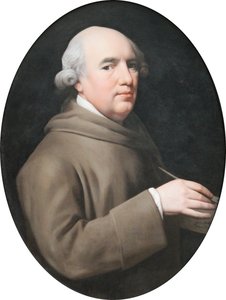
George Stubbs
1724 - 1806 , Združeno kraljestvo
Ključne informacije
- Datum Rojstva: 25. avgust 1724
- Datum Smrti: 10. julij 1806
- Državljanstvo: Britanec
- Kasnejši Vpliv: ['Joshua Reynolds']
- Kraj Rojstva: Liverpool, Združeno kraljestvo
- Polno Ime: George Stubbs
- Pomembna Dela:
- Whistlejacket
- Lev in konj
- Umetniški Smer: Romantizem, Konjska umetnost
- Vplivi: ['Hamlet Winstanley']
Sorodni članki
George Stubbs: Anatomical Precision & Romantic Vision in 18th-Century British Art
Explore the captivating world of George Stubbs, the 18th-century master renowned for his anatomical precision & Romantic animal paintings. Discover his legacy and investment potential.
The Noble Steed on Canvas: A Historical & Artistic Exploration of Horse Painting Across Cultures
Explore the rich history of horse painting! Discover masterpieces from Stubbs to Munnings & learn about symbolism, techniques & artists. Find museum-quality reproductions at OriginalUniqueArt.

Georges Seurat: 25 Mojstrovin Pionirja Pointilizma za Vaš Dom | OriginalUniqueArt
Odkrijte 25 mojstrovin Georgesa Seurata, pionirja pointilizma! Preučite zgodbe za ikoničnimi slikami, kot sta 'Nedeljski dan na otoku La Grande Jatte' in 'Kopalci v Asnières'. Kvalitetne reprodukcije za vaš dom – OriginalUniqueArt.com.

Georges Braque: 25 Mojstrovinskih Del za Navdih v Vašem Domu | OriginalUniqueArt
Odkrijte 25 mojstrovinskih del Georgesa Braqueja – pionirja kubizma! Preberite zgodbe za vsako sliko, tehnike in navdih. Reprodukcije slik visoke kakovosti za vaš dom na OriginalUniqueArt.com.
The Noble Steed: A Historical and Artistic Exploration of Horses in Fine Art
Explore the rich history of horses in fine art! From ancient depictions to Renaissance masterpieces & beyond, discover iconic artworks and artists. Learn about symbolism, techniques, and find museum-quality reproductions at OriginalUniqueArt.


