
 Predogled
 Pošlji
 Deli
Deli
 Podrobnosti o delu

 Prenesi
 Podobni izdelki
 Rentgenski posnetek
 Predvajaj diaporama
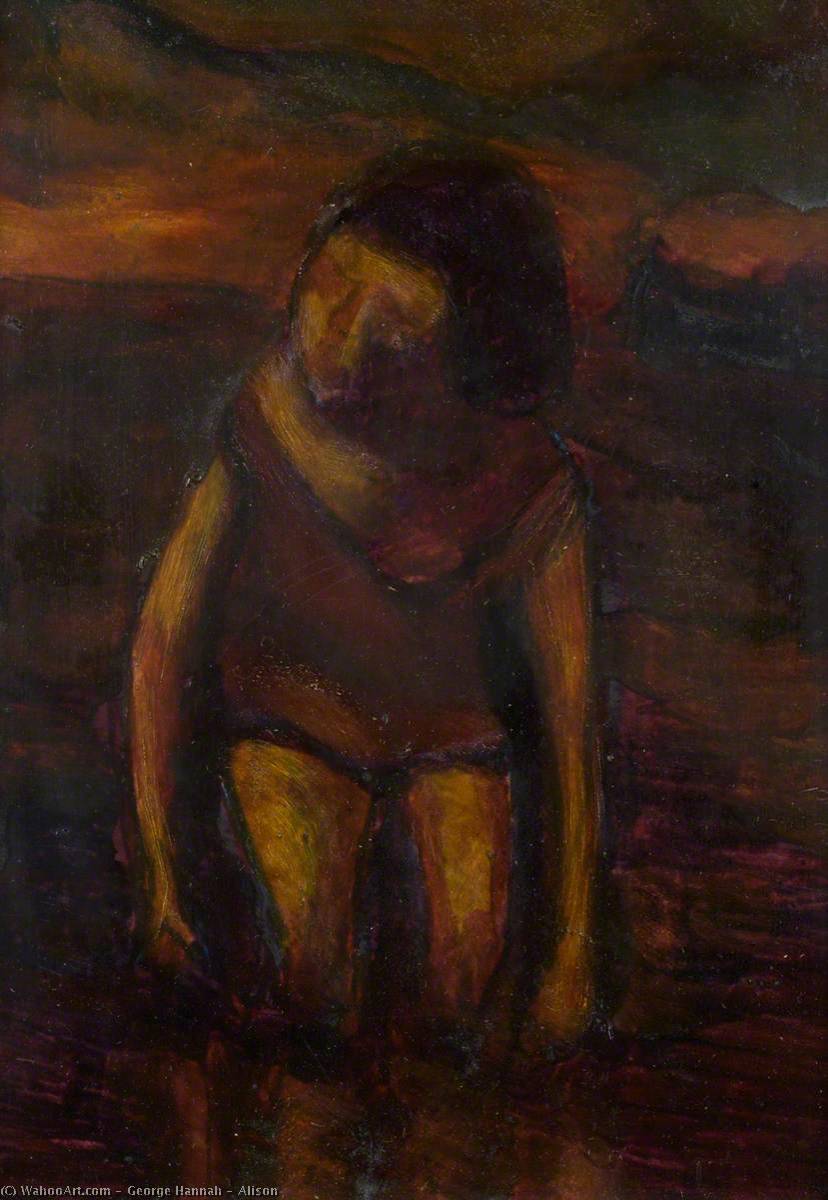
Alison
 1954
1954 19.0 x 14.0 cm
 Razviljaj več
Kupite digitalno sliko visoke ločljivosti z izboljšano kakovostjo, ki je precej boljša od spletnega predogleda.
Vsaka datoteka je pod natančnim nadzorom naših strokovnjakov, ki uporabljajo napredna orodja in strokovno ročno obdelavo. Zagotovimo, da ima vsaka slika izjemno jasnost, natančnost barv in fine podrobnosti.
Končna datoteka je po e-pošti dostavljena v 72 urah, optimizirana za takojšnjo uporabo v profesionalnem, uredniškem in tiskarskem okolju. To je kakovost, ki ji zaupajo vrhunska oblikovalna studia, založniki in galerije.
Digitalna slika
Prenesite datoteko visoke ločljivosti za osebno uporabo, tiskanje in kreativne projekte. ( Kupi tisk Kupi ročno naslikano sliko)
Vključeno v vsako naročilo digitalne slike
Zagotovljena strokovna digitalna dostava
Ko izberete OriginalUniqueArt.com, ne prejmete le slike – prejmete digitalno umetniško delo, ki je profesionalno urejeno, izdelano z natančnostostjo in zavestno zagotovljeno z garancijo za zadovoljstvo. Tukaj je vse, kar samodejno prejmete z vašim naročilom:

Hitra dostava prek e-pošte
Vaša digitalna slika visoke ločljivosti bo na vaš e-naslov poslana v roku 72 ur od zaklopa naročila – pripravljena za takojšnjo uporabo.

Digitalna datoteka z umetno inteligenco
Vaše umetniško delo je strokovno optimizirano z uporabo naprednih orodij umetne inteligence in ročne obdelave, kar zagotavlja največjo stopnjo podrobnosti, jasnosti in barvne natančnosti.

Brezplačna ponovna dostava za vse življenje
Ste zaradi nespremietne napake izgubili ali izbrisali svojo datoteko? Ni težav – vam jo bomo ponovno poslali kadar koli in brezplačno.

Brez uvoznih pristojbin – vedno
Uživajte v svojem umetniškem delu takoj, brez carin, davkov ali stroškov dostave – digitalni prenosi so vedno brezdavčni.

Zagotovilo natančnosti barv
Z uporabo profesionalnih orodij in upravljanja barv zagotavljamo, da vaša digitalna slika čim bolj natančno odraža prvotne barve.

60-dnevna garancija zadovoljstva
Če niste zadovoljni s svojo digitalno sliko, jo bomo uredili ali vam v 60 dneh povrnili 100% denarja – brez kakršnih koli vprašanj.

100% Garancija povračila denarja
Niste zadovoljni? Zagovрите popoln povračilo sredstev v 60 dneh po prejemu digitalne datoteke – brez kakršnih koli vprašanj.

Popusti pri večjem številu naročil
Kupite 3 slike, prihranite 10% - Kupite 5 slik, prihranite 15% - Kupite 10+ slik, prihranite 20%. Odlično za kreativne projekte, galerije in agencije.
Biografija umetnika
The Architect of Fragments: The Life and Legacy of George Hannah
Born in 1904 amidst the intellectual ferment of Berlin, Germany, George Hannah entered a world where the boundaries of reality were being aggressively redrawn. As the son of Wilhelm Hannah, a renowned architect, the young artist was raised in an environment that prioritized spatial design and the structural integrity of visual representation. This early exposure to the precision of architecture would later serve as a profound, albeit subversive, foundation for his work. While his father built permanent structures of stone and steel, George sought to deconstruct the very fabric of modern perception, eventually establishing himself as a pivotal figure within the radical movements of the Weimar Republic.
Hannah’s artistic journey was deeply intertwined with the turbulent socio-political landscape of early 20th-century Germany. His formal training at the Kunstgewerbeschule Berlin (School of Applied Arts) provided him with a rigorous command of painting and printmaking, yet his spirit gravitated toward the avant-garde rebellions of his era. By 1920, he had joined the legendary Berlin Dada group, finding common cause with visionaries such as Otto Dix, Kurt Schwitters, and Hannah Höch. Within this collective, Hannah embraced the concept of absurdity as a potent political weapon, utilizing the chaotic energy of the era to challenge bourgeois stability and the rising tide of nationalism.
The Revolution of the Cut: Technique and Symbolism
It was through the medium of photomontage that Hannah truly found his voice, transforming the artist's role from a creator of images to an editor of reality. By meticulously sourcing photographic prints from newspapers and magazines, he practiced a form of visual alchemy—fragmenting the polished propaganda of the day to reveal the underlying anxieties of a fractured society. His technique relied on the jarring juxtaposition of disparate elements, where a single composition could simultaneously evoke the mechanical coldness of industrialization and the visceral human struggle for identity.
< p>His work often functioned as a profound feminist critique and a commentary on gender roles, mirroring the explorations of his contemporary, Hannah Höch. Through the strategic layering of textures and perspectives, Hannah explored how societal structures imposed rigid identities upon the individual. His compositions were never merely aesthetic exercises; they were complex dialogues between the seen and the unseen, utilizing the following elements to convey meaning:- Fragmented Perspectives: The use of broken imagery to mirror the psychological fragmentation of post-war Europe.
- Juxtaposed Textures: Blending the smooth surfaces of mass-media photography with the raw, tactile qualities of printmaking.
- Symbolic Depth: Integrating architectural motifs and industrial shapes to represent the encroaching weight of modern civilization.
A Lasting Impression on Modernity
As the decades progressed and the political climate of Europe shifted, Hannah’s work continued to evolve, moving between the radical deconstruction of Dadaism and more expressive, singular explorations of form. His later works, such as the dramatic 1945 oil painting The Bridge, demonstrate a transition toward an expressionist depth, where heavy textures and stark contrasts evoke a sense of mystery and existential weight. This ability to pivot from the satirical sharpness of collage to the atmospheric intensity of oil painting highlights his versatility as a master of visual narrative.
Though he passed away in 1978, George Hannah’s contribution to the history of modern art remains indelible. He did not merely document his era; he dismantled it, piece by piece, and reassembled it into a mirror that forced viewers to confront the complexities of gender, politics, and the human condition. Today, his legacy lives on in the lineage of contemporary collage and political art, serving as a reminder that even in a world of fragments, there is profound truth to be found in the way we piece our reality together.

george hannah
1904 - 1978
Ključne informacije
- Artistic Movement Or Style: Photomontage Art
- Artists Or Movements Influenced By This Artist: ['Dada']
- Artists Who Influenced This Artist: ['Hannah Höch']
- Date Of Death: 1978
- Full Name: George Hannah
- Nationality: German
- Notable Artworks:
- The Bridge
- Figure in an Interior (recto)
- Two Girls Sitting at the Foot of a Flight of Stairs
- Place Of Birth: Germany

