

 Preverite v realnem okolju
 Pošlji kot čestitko
 Deli
Deli
 Podrobnosti
 Priročnik

 Prenesi
 Podobni artefakti
 Rentgenski posnetek
 Predvajaj diaporama
 Statistika
Dead Cock
 Acrylic On Canvas
- WallArt
- Baroque
 57.0 x 40.0 cm
 Muzej Prado
 Preberi več
Ročno izdelana oljna reprodukcija
Ročno slikano olje na platnu v vaši izbiri velikosti in okvirja, izdelano po naročilu naših umetnikov. ( Preklop na tiskanine Preklop na digitalno sliko)




P118B €10

P118H €10

P118W €10

P438Z €10

P508JH €12

P508YH €12

P805H €10

P805Z €10

P919BZ €10

P919G €10

P919XJ €10

P959ZH €10

P968JZ €12

W106C €8

W218G €10

W218JH €8

W218Y €10

W307PJ €10

W316G €10

W316PJ €8

W316Y €10

W398PJ €8

W4111J €10

W500HY €15

W500JH €15

W692G €12

W849H €8

W940BG €15

W953PJ €8




Izberite eno od naših vnaprej določenih velikosti, ki ustrezajo prvotnim proporcijam umetničkega dela.

Vnesite širino in višino, ki jih potrebujete, da se slika prilega vašemu okviru ali steni. Ker je delo ročno slikano, lahko umetnik pri različnih oblikih slik pri robovih doda malo več barve ali pa jih malo odreže — izberite sami. Pred začetkom slikanja vam pošljemo digitalni predogled za potrditev. Slika, prikazana na tej strani, ni končni rezultat — le predogled prikazuje dejansko podobo.
Po oddaji naročila bo ekipa OriginalUniqueArt.com stranki po e-pošti poslala navodila in predogled digitalnega predogleda.
Mednarodna dostava () v 3/4 tednih namesto običajnih 5 tednov. (23 oktober). Brez kompromisov pri kakovosti.

Brezplačna ekspresna dostava po vsem svetu

Visokokakovostno laneno platno

Popolno zavarovanje pošiljke

Garancija povračila carine in uvoznih davkov

Garancija popolnega barvnega ujemanja

Politika vračila v 100 dneh (le v primeru okvar)

Garancija 100% povračila denarja

Popust pri večjem naročilu
 Možnost stekla je na voljo le za velikosti pod 110 cm

Dead Cock
Tehnika reprodukcije
Velikost reprodukcije
-


Skupna cena
€ 264
A Silent Testament: Gabriel Metsu’s “Dead Cock”
Gabriel Metsu's "Dead Cock," painted circa 1659-1660, is not merely a still life; it’s a profoundly unsettling meditation on mortality, vulnerability, and the fleeting nature of beauty. This small panel, measuring just 57 x 40 cm, housed within the Museo del Prado in Madrid, commands attention with its stark simplicity and unnerving realism. It depicts a recently deceased rooster, meticulously rendered with an almost clinical precision – feathers ruffled, skin subtly flushed, and feet delicately positioned on a simple wooden hook. Yet, it’s precisely this meticulous detail that elevates the painting beyond a straightforward depiction of death; Metsu forces us to confront the raw, unvarnished truth of decay.
Metsu's artistic trajectory is notoriously complex, defying easy categorization. He was a “highly eclectic artist,” as art historian Arnold Houbraken noted, moving seamlessly between history paintings, portraits, and genre scenes – often blending influences from various masters like Rembrandt and Jan Steen. This versatility is particularly evident in "Dead Cock," which draws upon elements of both Dutch Baroque realism and the more emotionally charged style of Flemish artists. The composition itself is deceptively straightforward: a single subject dominating the frame, bathed in a muted, almost somber light that emphasizes its vulnerability. The dark background serves to heighten the rooster’s presence, creating a dramatic contrast that underscores its stillness.
The Symbolism of Mortality and Loss
The symbolism embedded within “Dead Cock” is layered and open to interpretation. The rooster itself – traditionally associated with masculinity, vitality, and heraldry – becomes an emblem of loss and the inevitable decline of life. Its recent demise is palpable; the subtle discoloration of its skin hints at the swiftness of death, while the carefully arranged feathers suggest a deliberate attempt to preserve some semblance of dignity in the face of oblivion. The hook, a simple, utilitarian object, serves as a stark reminder of the rooster’s fate – suspended between life and death, a poignant symbol of suspension itself.
Furthermore, the painting's context within Metsu’s oeuvre—his penchant for depicting solitary women engaged in domestic activities—adds another layer of meaning. The rooster’s vulnerability mirrors the fragility of human existence, echoing themes often explored in his genre scenes. It’s a quiet lament on the transient beauty of life and the inevitability of decay, rendered with an almost unnerving stillness.
Technique and Artistic Nuances
Metsu's technical skill is undeniable. He masterfully employs chiaroscuro – the dramatic contrast between light and shadow – to sculpt the form of the rooster, creating a sense of three-dimensionality that belies its small scale. The meticulous rendering of feathers, with their individual textures and subtle variations in color, demonstrates an extraordinary level of detail and observation. The use of oil paint allows for a rich, luminous quality, capturing the delicate sheen of skin and the subtle reflections on the rooster’s plumage.
Notably, Metsu's work was often characterized by a deliberate lack of overt sentimentality. He avoided dramatic gestures or exaggerated expressions, instead opting for a quiet, understated realism that invites contemplation. This restraint is particularly evident in “Dead Cock,” where the painting’s power lies not in its emotional intensity but in its ability to evoke a profound sense of melancholy and reflection.
A Reproduction Worth Cherishing
OriginalUniqueArt offers meticulously hand-painted reproductions of Gabriel Metsu's "Dead Cock," capturing the essence of this haunting masterpiece. Each reproduction is created by skilled artists using archival-quality materials, ensuring that the colors and details faithfully replicate those of the original painting. Whether displayed in a formal gallery setting or incorporated into a personal collection, this reproduction provides a tangible connection to one of the most enigmatic figures of the Dutch Golden Age – a silent testament to the beauty and fragility of life.
Vprašanja in odgovori
Kako je opisan barvni spekter dela "Dead Cock" avtorja Gabriel Metsu?
"Dead Cock" avtorja Gabriel Metsu uporablja Earthy barvno paleto. Paleta povzema splošni barvni značaj dela.
Kakšno čustvo izraža del Baroque z naslovom "Dead Cock"?
V okviru gibanja Baroque je "Dead Cock" zabeleženo z Melancholic tonom.
S kakšno tehniko je izdelano "Dead Cock" in v katerem slogu?
"Dead Cock" avtorja Gabriel Metsu združuje tehniko Acrylic On Canvas s slogom Baroque. Tehnika in smer uporičujeta način izdelave ter slog dela.
Biografija umetnika
**življenje, polno umetniškega raziskovanja**
gabriël metsu, nizozemski slikar, je živlel življenje, ki ga je zaznamovalo neustavljivo umetniško raziskovanje in inovativnost. Rodjen leta 1629, je Metsujevo delo utripalo z duhom nizozemske zlate dobe, obdobja, ki je znano po svoji izjemni umetniški zastavnosti. Ta biografija se poglobi v življenje in dela te enigmatične osebe, katere prispevek k umetniškemu svetu še vedno navdušuje obiskovalce muzejev po vsem svetu.**zgodnje leto in vplivi**
Metsu je prišel na svet leta 1629 kot sin jacquesa metsuja, tapiserista in slikarja, ki je prvotno izrazil svoje korenine v hainaultu. Ta eklektična družinska ozadnina je verjetno vplivala na Gabrielovo zgodnje zanimanje za raznolike umetniške tehnike. Preselitev družine v leiden, kjer je metsu odrastel, mu je omogočila izpostavljenost različnim kulturnim vplivom, ki so oblikovali njegovo umetniško oko.**umetniška pot**
Metsujeva kariera ni bila vezana na en sam slog ali tehniko, zaradi česar je zaslužil vtis "izjemno eklektičnega umetnika". Njegovo delo obsega zgodovinske slike, življenjske slike, portrete in žanrska dela. Zanimivo je, da je le 14 njegovih 133 del datiranih, kar pomeni, da je še veliko skrivnosti v njegovem ustvarjalnem procesu še vedno čakalo na odkrito.- V Metsujevem zgodnjem delu je jasno čutiti vpliv umetnika rembrandta van rijna, še posebej pri njegovi uporabi svetlobe in barv.
- Metsujevo selitev v amsterdam leta 1655 je prinesla pomembno spremembo sloga, s poudarkom na domačih notranjih prostorih in žanrskih prizorih.
- Njegovo izobraževanje pod vodstvom michiela van musscherja in joosta van geela odraža njegovo globoko povezavo z umetniško skupnosto.
**izpostavljena dela in dediščina**
Metsujeve slike pogosto prikazujejo mlade ženske, tržne prizore in stare ljudi, pri čemer črpa iz takratnih priljubljenih simbolov. Odlično primer je prodajalca ptic, ki s svojo globino prikazuje njegovo mojstvo uporabe simbolike. Ključna dela:- bolno otrok (okolo leta 1664), ki odraža Metsujevo občudovanje za delo vermeera.
- portret družine hinlopen, mojstrovina, ki združuje žanrsko in portretno slikarstvo.
**muzeji in zbirke**
Metsujeva dela lahko najdemo v različnih prestižnih muzejih, vključno z rijksmuseumom v amsterdamu. Za več informacij o njegovi umetnosti in raziskovanje drugih slikarjev nizozemske zlate dobe obiščite /sl/art/show/art-d3c627-sl/ za celovit pregled. Zaključek: življenje in umetnost gabriela metsuja sta spomenik inovativnemu duhu nizozemske zlate dobe. Njegov eklektični slog, čeprav včasih enigmatičen, je pustil neizbrisno sled v svetovni umetnosti. Ko še naprej odkrivamo nove plasti njegovega življenja in dela, se spominjamo na globok vpliv, ki ga je imel na razvoj zahodne umetnosti.- Za globlje razumevanje nizozemske zlate dobe si preberite [https://en.wikipedia.org/wiki/dutch_golden_age_painting](https://en.wikipedia.org/wiki/dutch_golden_age_painting).
- Raziskujte več Metsujevih del in del njegovih sodobnikov na [https://OriginalUniqueArt.com/@/gabriel-metsu](https://OriginalUniqueArt.com/@/gabriel-metsu).
**reference:**
- the house of orange-nassau historic collection trust (the hague, netherlands), [https://OriginalUniqueArt.com/@@/a@d3ccx5](https://OriginalUniqueArt.com/@@/a@d3ccx5).
- van gogh museum (netherlands) - zatočišče za ljubitelje umetnosti, [https://OriginalUniqueArt.com/@@/a@d3c8x3](https://OriginalUniqueArt.com/@@/a@d3c8x3).
- nizozemsko slikarstvo zlate dobe, [https://en.wikipedia.org/wiki/dutch_golden_age_painting](https://en.wikipedia.org/wiki/dutch_golden_age_painting).

Gabriel Metsu
1629 - 1667 , Nizozemska
Ključne informacije
- Datum Rojstva: 1629
- Datum Smrti: 1667
- Državljanstvo: Nizozemec
- Kraj Rojstva: Leiden, Nizozemska
- Polno Ime: Gabriel Metsu
- Pomembna Dela:
- Bolni otrok
- Prodajalec perutnine
- Portret družine Hinlopen
- Umetniki Pod Vplivom:
- Michiel van Musscher
- Joost van Geel
- Umetniški Smer: Zlata doba nizozemskega slikarstva
- Vplivi Umetnikov:
- Rembrandt van Rijn
- Johannes Vermeer
Sorodni članki

Dante Gabriel Rossetti: 25 Mojstrovin Pre-Rafaelitskega Romantika | OriginalUniqueArt
Odkrijte 25 mojstrovin Dante Gabriela Rossettija, pre-rafaelitskega slikarja ljubezni in simbolizma. Pre-rafaeliti, portreti, mitologija – navdih za vaš dom na OriginalUniqueArt.com! Raziskajte reprodukcije slik visoke kakovosti.

10 Mojstrovin Nizozemske Zlate dobe: Umjetnost, ki je definirala svojo dobo
Odkrijte 10 mojstrovin Nizozemske zlate dobe! Rembrandt, Vermeer & več – spoznajte zgodbe za temi ikoničnih umetnin. Inspirirajte se za notranji dizajn in poiščite reprodukcije na OriginalUniqueArt.com!

Gabriel Metsu: Illuminating Dutch Daily Life with Exquisite Detail
Explore the captivating world of Gabriel Metsu, a leading Dutch Golden Age painter. Discover his exquisite genre scenes, masterful realism, and insightful social commentary. Learn about key works & his lasting legacy.
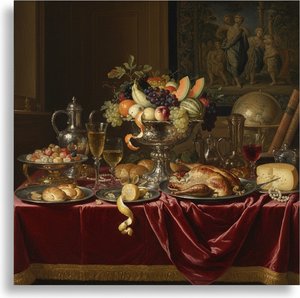
Abraham Hendricksz van Beyeren: Pioneering Dutch Still Life & the Banquet Tradition
Explore the captivating world of Dutch Golden Age still life with Abraham van Beyeren. Discover his innovative techniques, symbolic banquet scenes & lasting influence on art history. Learn about collecting these masterpieces.

Golden Light & Dutch Skies: The Timeless Magic of Dutch Golden Age Landscapes
Discover the breathtaking beauty of Dutch Golden Age landscapes. Explore the mastery of light, chiaroscuro, and 17th-century realism through an expert art history lens, celebrating the enduring legacy of the Dutch Masters for discerning collectors and art lovers.
