

 Preverite v realnem okolju
 Pošlji kot čestitko
 Deli
Deli
 Podrobnosti
 Priročnik

 Prenesi
 Podobni artefakti
 Rentgenski posnetek
 Predvajaj diaporama
 Statistika
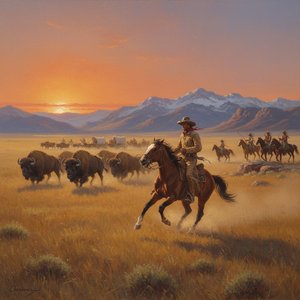
The Cowboy


 Preberi več
Ročno izdelana oljna reprodukcija
Ročno slikano olje na platnu v vaši izbiri velikosti in okvirja, izdelano po naročilu naših umetnikov. ( Preklop na tiskanine Preklop na digitalno sliko)




P118B €10

P118H €10

P118W €10

P438Z €10

P508JH €12

P508YH €12

P805H €10

P805Z €10

P919BZ €10

P919G €10

P919XJ €10

P959ZH €10

P968JZ €12

W106C €8

W218G €10

W218JH €8

W218Y €10

W307PJ €10

W316G €10

W316PJ €8

W316Y €10

W398PJ €8

W4111J €10

W500HY €15

W500JH €15

W692G €12

W849H €8

W940BG €15

W953PJ €8




Izberite eno od naših vnaprej določenih velikosti, ki ustrezajo prvotnim proporcijam umetničkega dela.

Vnesite širino in višino, ki jih potrebujete, da se slika prilega vašemu okviru ali steni. Ker je delo ročno slikano, lahko umetnik pri različnih oblikih slik pri robovih doda malo več barve ali pa jih malo odreže — izberite sami. Pred začetkom slikanja vam pošljemo digitalni predogled za potrditev. Slika, prikazana na tej strani, ni končni rezultat — le predogled prikazuje dejansko podobo.
Po oddaji naročila bo ekipa OriginalUniqueArt.com stranki po e-pošti poslala navodila in predogled digitalnega predogleda.
Mednarodna dostava () v 3/4 tednih namesto običajnih 5 tednov. (21 oktober). Brez kompromisov pri kakovosti.

Brezplačna ekspresna dostava po vsem svetu

Visokokakovostno laneno platno

Popolno zavarovanje pošiljke

Garancija povračila carine in uvoznih davkov

Garancija popolnega barvnega ujemanja

Politika vračila v 100 dneh (le v primeru okvar)

Garancija 100% povračila denarja

Popust pri večjem naročilu
 Možnost stekla je na voljo le za velikosti pod 110 cm

The Cowboy
Tehnika reprodukcije
Velikost reprodukcije
-


Skupna cena
€ 262
A Pioneer's Vision: Frederic Remington’s “The Cowboy”
Frederic Sackrider Remington (1861-1909) wasn’t merely an artist; he was a chronicler of the vanishing West, capturing its rugged beauty and spirit with unparalleled conviction. Born in Canton, New York, his artistic journey began not amidst the sprawling plains but within the confines of Eastern academia – a surprising contrast that fueled his fascination for the frontier experience. His lineage traced back to French Basque ancestry blended with Republican New England values, shaping him into an individual driven by both intellectual curiosity and a profound connection to the American landscape. This formative influence would ultimately propel him to become arguably the most recognizable artist of his era, cementing his legacy as a pivotal figure in Western art history. Early exposure to military themes instilled within Remington a disciplined eye for detail and storytelling—skills he honed during his service in Cuba and later as a cavalry officer – experiences that profoundly impacted his artistic sensibilities. He moved to Bloomington, Illinois, then Ogdensburg, New York, establishing himself as a family man while simultaneously nurturing his burgeoning passion for capturing the essence of the American West. Remington’s artistic breakthrough arrived with “The Cowboy,” painted in 1902 and now housed prominently within the Frederic Remington Art Museum in Ogdensburg, New York—a monumental canvas that encapsulates the grandeur and drama of the era.Style and Technique: Romantic Realism
Remington's approach to painting defied easy categorization; he embraced what is often termed “Romantic Realism.” Unlike Impressionists who sought fleeting moments of light and color, Remington meticulously rendered his subjects with painstaking accuracy—a testament to his unwavering commitment to portraying the West as it truly appeared. He employed a technique characterized by thick impasto brushstrokes – applying paint thickly onto the canvas – creating palpable texture that conveyed the physicality of the landscape and its inhabitants. This deliberate layering of pigment allowed him to capture not only visual details but also emotional resonance, conveying the ruggedness of the terrain and the determination of the cowboy figure. Remington’s masterful use of color—primarily earthy tones—further enhanced the painting's atmosphere, immersing viewers in the stark beauty of the American frontier.Historical Context: The Twilight Years of Cowboy Culture
“The Cowboy” emerged during a period of significant transformation within the United States – the waning days of the Wild West era. Remington’s depiction reflects the anxieties and aspirations surrounding this transition, portraying a cowboy poised for action amidst a vast expanse of prairie land. The painting captures the spirit of a bygone age—a time when cowboys represented independence, resilience, and mastery over the natural world. Simultaneously, it acknowledges the encroaching influence of civilization, symbolized by the distant mountains looming in the background – a subtle reminder that even the most iconic symbols of freedom were inevitably destined to fade into history. Remington’s work served as a poignant commentary on this pivotal moment in American cultural identity.Symbolism and Emotional Impact: Courage and Isolation
Beyond its technical brilliance, “The Cowboy” resonates deeply with viewers due to its potent symbolism. The cowboy himself embodies courage, perseverance, and unwavering resolve—qualities admired throughout the West’s history. His posture exudes confidence as he prepares for a ride, conveying a sense of mastery over his surroundings and an acceptance of the challenges inherent in frontier life. Furthermore, the solitary figure against the expansive landscape underscores themes of isolation and vulnerability – highlighting the profound connection between humans and nature while simultaneously acknowledging the hardships faced by those who dared to inhabit this untamed wilderness. Remington’s masterful composition evokes a feeling of awe and wonder—inspiring contemplation on the enduring spirit of adventure and the beauty of the American West.Conclusion: An Enduring Legacy
Frederic Remington's “The Cowboy” remains an unforgettable masterpiece, securing its place as one of the most iconic images of the American West. Its meticulous realism combined with emotive brushstrokes continues to captivate audiences today—a testament to Remington’s unparalleled ability to translate experience into art. Reproductions of this monumental painting are treasured by collectors and interior designers alike, serving as a tangible reminder of a bygone era and an enduring celebration of the spirit of exploration and resilience that defined the American frontier.Vprašanja in odgovori
Ali lahko "The Cowboy" pregledam podrobneje?
Delo "The Cowboy" lahko raziščete plast za plast na strani Rentgenski pregled, ki vključuje preglednik navdihnjen s svetilno mizo konservatorja z enajstimi optičnimi odtisi slike.
Kdo je ustvaril "The Cowboy" in v letu katerega?
Frederic Remington je ustvaril "The Cowboy" leta 1902.
Ali je "The Cowboy" znano umetniško delo v okviru sloga Impressionistic Realism?
"The Cowboy" avtorja Frederic Remington je razvrščeno kot Iconic in pripada gibanju Impressionistic Realism.
Biografija umetnika
Kronist Izginjajočega Zahoda: Življenje in Umetnost Frederica Remingtona
Frederic Sackrider Remington, rojen v Cantonu, New Yorku, 4. oktobra 1861, ni bil produkt Divjega Zahoda, ki ga je tako živo upodobil; temveč vzhodnik, ki je svojo umetniško identiteto oblikoval s fascinacijo in predanim študijem. Njegovo poreklo je namigovalo na življenje daleč od prašnih poti in kavalerijskih napadov – francosko baskovsko dediščina se je prepletala z močno republikanskim New Englandom, očetom, ki je bil polkovnik državljanske vojne in urednik časopisa, ter povezavami s slavno dinastijo Remington Arms prek oddaljenih sorodnikov. A zgodnje izpostavljenost vojaškim motivom, skupaj z nemirnim duhom in ostrim očesom za pripovedovanje zgodb, ga je usmerila na pot k temu, da postane morda najbolj prepoznaven umetnik Ameriške zahodne scene. Njegovo otroštvo se je preselilo v Bloomington, Illinois, nato nazaj v Canton in končno Ogdensburg, New York, a njegova domišljija je ostala očarana s pripovedmi o življenju na mejah. Čeprav ga je sprva usmeril vojaško izobrazba na Vermont Episcopal Institute, Remingtonov pravi poklic ni bil slediti ukazom, temveč opazovati in interpretirati svet okoli sebe prek umetnosti. Kratek čas na univerzi Yale je to potrdil; nogomet in skiciranje sta bila veliko bolj privlačna od formalnih študijev.Od Ilustratorja do Slikarja: Oblikovanje Umetniške Vizije
Remingtonovo umetniško potovanje se ni začelo z velikimi platni, temveč s črnilom in papirjem. Njegovo prvo objavljeno delo, strip za *Yale Courant*, je nakazovalo na zgodnjo sposobnost ujemanja akcije in pripovedi. Odločilno potovanje v Montano leta 1881 je sprožilo njegovo celoživotno obsesijo z Zahodom. To ni bil le pogled turista; Remington se je želel potopiti v kulturo, opazovati kavboje, domorodce in samo pokrajino. Sprva je poskusil s kmetovanjem in rudarjenjem, a to se ni izšlo, kar mu je omogočilo, da se v celoti posveti umetnosti. Ob vrnitvi na vzhod se je hitro uveljavil kot ilustrator za revije *Harper's Weekly* in *Collier’s*, njegove dinamične upodobitve zahodne scene pa so očarale nacionalno publiko, ki je bila lačna zgodb o mejah. Te ilustracije niso bile zgolj poročilo; bili so prežeti s dramatičnostjo, energijo in romantično vizijo Zahoda, ki je globoko odmevala v javni domišljiji. S tem delom je Remington izpilil svoje spretnosti v kompoziciji, ujemanju gibanja in sporočanju čustev – lastnosti, ki bodo kasneje definirale njegove slike. Minimalno formalno usposabljanje je prejel le nekaj tečajev risanja na Yaleu in kratkega obdobja na Art Students League, namesto tega pa je razvil značilen slog, za katerega so bili značilni energična črtna dela, drzne barve in osredotočenost na realizem, pomešan z dramatičnim sijajem.Ujeti Izginjajoči Svet: Teme in Stil
Remingtonova umetnost je neločljivo povezana s specifičnim trenutkom v ameriški zgodovini – mrakom Starega Zahoda. Njegova platna naseljujejo ikonične figure: robustni kavboji, ki gnajo govedo, stoični domorodci, soočeni z izseljevanjem, in vojaki ZDA, udeleženi v herojskih bitkah in tragičnih konfliktih. Ni se izogibal prikazovanju težkih resnic življenja na mejah, a njegovo delo pogosto nagiba k romantični upodobitvi, poudarja pogum, avanturo in trk kultur. Njegove slike niso zgolj zgodovinski dokumenti; so sugestivne pripovedi, ki raziskujejo teme heroizma, izgube in neizogibnega napredka. Remingtonov slog se je sčasoma spreminjal, od tesnejših, bolj akademskih upodobitev do ohlapnejših, ekspresivnejših črtnih del. Bil je mojster ujemanja gibanja – konji galopirajo po ravnicah, kavboji se borijo z govedo, vojaki napadajo v bitki. Pogosto je uporabljal hitre skice in fotografije kot referenčni material, a njegova umetnost je vedno presegla zgolj posnemanje, prežeta z lastno edinstveno vizijo in čustveno intenzivnostjo. Pomembna dela, kot so *My Ranch*, *Waiting in the Moonlight*, *Ridden Down* (1905) in *The Long-Horn Cattle Sign* (1908), ponazarjajo njegovo sposobnost ujemanja veličine in ranljivosti Ameriške zahodne scene.Zapuščina in Trajni Vpliv
Frederic Remington je nepričakovano umrl leta 1909 v starosti 48 let, za seboj pa je pustil obsežno delo, ki še danes očara občinstvo. Njegov vpliv na zahodno umetnost je nesporna; ni samo upodobil Zahoda, temveč ga je pomagal *opredeliti* za generacije Američanov. Vzpostavil je vizualni jezik mej – ikonografijo kavbojev, Indijancev in konjenice, ki se je globoko ugnezdila v popularni kulturi.- Njegovo delo je navdihnilo številne druge umetnike, vključno z N.C. Wyethom in Zanom Greyem.
- Muzej umetnosti Frederica Remingtona v Ogdensburgu, New York, stoji kot pričevanje o njegovi trajni zapuščini, saj hrani obsežno zbirko njegovih slik, skulptur in arhivskega gradiva.
- Njegova umetnost je še vedno razstavljena v večjih muzejih po državi, vključno z Metropolitanskim muzejem umetnosti in Amon Carter Museum of American Art.

Frederic Remington
1861 - 1909 , Združene države Amerike
Ključne informacije
- Datum Rojstva: 4. oktober 1861
- Datum Smrti: 26. december 1909
- Državljanstvo: Ameriški
- Kasnejši Vpliv:
- N.C. Wyeth
- Zane Grey
- Kraj Rojstva: Canton, ZDA
- Polno Ime: Frederic Sackrider Remington
- Pomembna Dela:
- My Ranch
- Waiting in the Moonlight
- Ridden Down (1905)
- Umetniški Smer: Zahodnoameriška umetnost
Sorodni članki

Albert Bierstadt: Luminosity, Landscape & the American Ideal
Explore the breathtaking landscapes of Albert Bierstadt, master of the American West & a leading figure in the Hudson River School. Discover his luminous style and iconic paintings – a timeless investment for art lovers.
Charles Marion Russell: Capturing the American West Through a Romantic Lens
Explore the captivating world of Charles Marion Russell, 'the cowboy artist.' Discover his life, iconic paintings, advocacy for Native Americans, and investment potential. A guide for discerning art collectors.

Grant Wood & American Regionalism: Identity, Myth & the Rural Landscape
Explore the world of Grant Wood & American Regionalism with OriginalUniqueArt. Discover the symbolism behind 'American Gothic', recurring themes, and the movement's lasting impact on art history. High-quality reproductions available.

Evocations of Place: A Historical Journey Through Landscape Art
Explore the rich history of landscape art with OriginalUniqueArt. Discover renowned artists, movements like Impressionism & Romanticism, and expert guidance for collecting timeless pieces. Find your perfect serene escape today!

Alfred Jacob Miller: Chronicling the American West Through Artistic Observation & Narrative
Explore the captivating art of Alfred Jacob Miller, chronicler of the American West. Discover his iconic paintings, techniques & lasting legacy – a valuable addition to any serious collection. Learn more at OriginalUniqueArt.