Predogled
 Pošlji
 Deli
Deli
 Podrobnosti o delu

 Prenesi
 Podobni izdelki
 Rentgenski posnetek
 Predvajaj diaporama
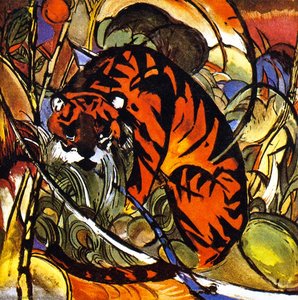
The Steer (The Bull)
 Oil On Canvas
- WallArt
- German Expressionism
 1911
1911- 19th Century
 101.0 x 135.0 cm
 Razviljaj več
Ročno izdelana oljna reprodukcija
Ročno slikano olje na platnu v vaši izbiri velikosti in okvirja, izdelano po naročilu naših umetnikov. ( Kupi tisk Kupi digitalno sliko)




P118B $10

P118H $10

P118W $10

P438Z $10

P508JH $12

P508YH $12

P805H $10

P805Z $10

P919BZ $10

P919G $10

P919XJ $10

P959ZH $10

P968JZ $12

W106C $8

W218G $10

W218JH $8

W218Y $10

W307PJ $10

W316G $10

W316PJ $8

W316Y $10

W398PJ $8

W4111J $10

W500HY $15

W500JH $15

W692G $12

W849H $8

W940BG $15

W953PJ $8




Izberite eno od naših vnaprej določenih velikosti, ki ustrezajo prvotnim proporcijam umetničkega dela.

Svoje dimenzije lahko vnesete tako, da se prilagodite določenemu okvirju ali prostoru. Če izbrana velikost ne ustreza razmerjem originalne slike, bomo umetniško delo obrezali ali sliko dopolnili z dodatnimi ročno naslikanimi elementi. Pred začetkom proizvodnje vam bo poslan digitalni osnutek v odobritev.
Upoštevajte, da predogled na zaslonu ne odraža dejanskega obrezovanja ali podaljšanja. Le osnutek bo natančno prikazal končno kompozicijo.
Čeprav so na voljo velikosti po meri, priporočamo izbiro dimenzije s preddefiniranega seznama, da ohranimo originalne razmere.
Po oddaji naročila bo ekipa OriginalUniqueArt.com stranki po e-pošti poslala navodila in predogled digitalnega predogleda.
Svetska dostava () za 3/4 nedelje umesto uobičajenih 5 nedelja. (22 avgust). Bez kompromisa po pitanju kvaliteta.

Brezplačna ekspresna dostava po vsem svetu

Visokokakovostno laneno platno

Popolno zavarovanje pošiljke

Garancija povračila carine in uvoznih davkov

Garancija popolnega ujemanja barv

60-dnevna politika vračanja (le v primeru napak)

Garancija 100% povračila denarja

Popust pri večjem naročilu
 Možnost stekla je na voljo le za velikosti pod 110 cm

The Steer (The Bull)
Tehnika reprodukcije
Velikost reprodukcije
-


Skupna končna cena
$ 300
Opis umetninine
Franz Marc’s “The Steer (The Bull)” – A Soulful Encounter with the Animal Kingdom
Franz Marc's "The Steer (The Bull)," painted in 1911, isn’t merely a depiction of an animal; it’s a profound meditation on spirituality and the essence of life itself. This oil-on-canvas work, measuring 101 x 135 cm, resides within the Solomon R. Guggenheim Museum in New York City, yet its impact transcends physical walls, inviting viewers into a world of vibrant color and deeply felt emotion. Marc, a pivotal figure in German Expressionism, sought to move beyond representational art, aiming instead to capture the inner spirit of his subjects – particularly animals – believing they held a key to unlocking universal truths.
The painting immediately draws the eye with its bold, almost aggressively bright palette. A predominantly white steer dominates the composition, rendered in sweeping, fluid brushstrokes that suggest both strength and tranquility. Marc masterfully employs color not as mere decoration but as a vehicle for conveying emotion. The vibrant greens, blues, and purples swirling around the animal create an energetic backdrop, hinting at the dynamism of nature and perhaps even the chaotic beauty of existence. Notice how the red accents – concentrated around the steer’s hooves and face – inject a primal energy into the scene, anchoring it to the earth and highlighting its vital force. This deliberate use of color is characteristic of Marc's style, moving away from academic realism towards an intensely subjective interpretation of reality.
The Roots of Expressionism and Spiritual Seeking
To understand “The Steer (The Bull),” one must consider the artistic climate in which it was created. The early 20th century witnessed a burgeoning movement known as German Expressionism, driven by artists seeking to express inner emotions and subjective experiences rather than simply mirroring the external world. Marc’s work is deeply intertwined with this movement, yet he distinguished himself through his unique focus on animals. Influenced by Vincent van Gogh's expressive use of color and brushwork, Marc sought to imbue his subjects – often cows, horses, and deer – with a spiritual significance. He believed that animals possessed an innocence and purity untainted by human concerns, offering a pathway to accessing deeper truths about the soul.
Marc’s early life also played a crucial role in shaping his artistic vision. His father was a landscape painter, providing him with a foundational understanding of color and form. However, Marc's intellectual curiosity led him to briefly consider theology before ultimately dedicating himself to art. This exploration of faith—a search for meaning beyond the material world—permeates his work, particularly evident in the symbolic weight he assigns to his animal subjects. The steer itself can be interpreted as a symbol of strength, resilience, and perhaps even sacrifice – qualities deeply resonant with Marc’s own spiritual journey.
Symbolism and Emotional Resonance
Beyond its vibrant colors and dynamic composition, “The Steer (The Bull)” is rich in symbolic meaning. The animal's lying posture suggests a state of peaceful contemplation, a moment of respite from the demands of life. Yet, the turbulent background—a swirling vortex of color—hints at an underlying tension, a sense of unease or perhaps even danger. This juxtaposition creates a powerful emotional resonance, inviting viewers to contemplate the relationship between tranquility and turmoil, stillness and movement.
The presence of two smaller cows in the periphery adds another layer of complexity. They could represent vulnerability, dependence, or perhaps simply the interconnectedness of all living things within the natural world. Marc’s deliberate use of scale further emphasizes this sense of connection, drawing attention to the shared existence of these creatures and suggesting a deeper harmony.
A Legacy of Color and Spirit
Franz Marc's “The Steer (The Bull)” stands as a testament to his artistic vision and his profound engagement with the spiritual dimension of art. It’s a painting that transcends its subject matter, offering viewers a glimpse into the artist’s soul and inviting them to contemplate their own place within the vastness of existence. Reproductions of this iconic work capture not only the vibrant colors and dynamic composition but also the emotional depth and symbolic richness that make it such a compelling masterpiece. Consider bringing this evocative image into your home or office – a reminder of the beauty, mystery, and spiritual power inherent in the natural world.
Biografija umetnika
Franz Marc – Cromer Artspace
Der Blaue Reiter
Franz Marc, nemški slikar, risar in grafik, * 8. februar 1880, München, Nemško cesarstvo (zdaj Nemčija), † 4. marec 1916, Braquis, Francija.
Velja za enega najpomembnejših ekspresionističnih slikarjev v Nemčiji. Ob Vasiliju Kandinskim je bil soustanovitelj uredniške skupine Der Blaue Reiter, ki je svojo prvo razstavo odprla v Münchnu 18. decembra 1911. Blaue Reiter je nastal iz Novega münchenskega združenja umetnikov, katerega član je bil Marc kratek čas.
Marc je imel zamisel o študiju klasične filologije ali teologije kot njegov starejši brat Paul - kot je v pismu leta 1897 povedal pastorju Ottu Schlierju, katerega tečaji birme so nanj naredili trajen vtis.
Marc je študiral umetnostno-teoretične spise za almanah Der Blaue Reiter in druge publikacije.
Early Life
Franz Marc se je rodil 8. februarja 1880 kot drugi sin družine Marc na Schillerstrasse 35 v Münchnu. Njegov oče Wilhelm Marc, ki je sprva končal pravo, preden je študiral slikarstvo na Akademiji za likovno umetnost v Münchnu, je bil krajinski in žanrski slikar.
Izhajal iz bavarske uradniške družine. Njegova mati Sophie, rojena Maurice, je prišla iz Alzacije in je otroštvo preživela v francosko govoreči Švici, kjer je obiskovala strogi kalvinistički internat.
Njegovi predniki bili aristokrati, z prijatelji med umetniki kot tudi ljudmi znanstvenimi.
Influences and Artistic Development
Marc je študiral literaturo in filozofijo, zlasti delo Thomasa Carlyla in Friedricha Nietzscheja. Zaradi težav v mladosti je bila njegova vera zelo kritična do Münchnega mladostnega gibanja in mesta življenja.
Njegov brat Paul je študiral klasično filologijo kot njegov starejši brat Paul - kot je v pismu leta 1897 povedal pastorju Ottu Schlierju, katerega tečaji birme so nanj naredili trajen vtis.
Njegova zgodnja dela še v naturalističnem slogu akademizma, vendar se po obisku Pariza leta 1907 pod vplivom Gauguina in van Gogha posvetil postimpresionizmu. Marc je študiral umetnostno-teoretične spise za almanah Der Blaue Reiter in druge publikacije.
Der Blaue Reiter and Artistic Vision
Marc je ustanovni član skupine Der Blaue Reiter (Modri jezdec) v Münchnu leta 1911. Blaue Reiter je nastal iz Novega münchenskega združenja umetnikov, katerega član je bil Marc kratek čas.
Marc je ustvarjal umetnostno-teoretične spise za almanah Der Blaue Reiter in druge publikacije.
Major Achievements and Legacy
Marc je ustvarjal umetnostno-teoretične spise za almanah Der Blaue Reiter in druge publikacije.
Marc je umrl 4. marca 1916, v času Prve svetovne vojne, kar je bila tragedija za svet umetnosti.
Njegovo delo še vedno resonira danes, zavzdihnjuje generacije umetnikov in očarati občinstvo z globoko emotivnostjo in duhovno vrednostjo. Marc je znan kot pionir nemške ekspresionistične umetnosti.

Franc Marko
1880 - 1916 , Nemčija
Hitri podatki
- Artistic Movement Or Style: Nemška ekspresionistična umetnost
- Artists Who Influenced This Artist:
- Vincent van Gogh
- Robert Delaunay
- Date Of Birth: 8. februar 1880
- Date Of Death: 4. marec 1916
- Full Name: Franz Moritz Wilhelm Marc
- Nationality: Nemški
- Notable Artworks:
- The Tiger
- Red Deer
- Tower of Blue Horses
- Place Of Birth: Münich, Nemčija
Sorodni članki

German Expressionism's 10 Defining Masterpieces | Art for Your Home
Explore 10 defining German Expressionism masterpieces – from Munch's 'The Scream' to Kandinsky’s abstracts. Discover the artists, stories & bold colors behind this powerful art movement. Find museum-quality reproductions at OriginalUniqueArt.com.

Franz Marc: Expressionism, Spirituality & the Animal Symbolism of a Modern Master
Explore the profound world of Franz Marc's Expressionist paintings. Discover his spiritual connection to animals, innovative use of color, and lasting impact on modern art history. Learn more at OriginalUniqueArt.
Živalski simbolizem v umetnosti: Od mitov do sodobne interpretacije prostora
Raziščite bogato zgodovino živalskega simbolizma v umetnosti – od antičnih mitov do sodobnih interpretacij prostora. Odkrijte skrite pomene in navdih za vaš dom z OriginalUniqueArt.

Romantična pokrajina: 10 mojstrovin, ki so definirale gibanje | Umetnost za vaš dom z OriginalUniqueArt.com
Odkrijte 10 mojstrovin romantizma v slikarstvu! Caspar David Friedrich, Turner in drugi. Preučite zgodbe, tehnike in čustva teh ikoničnih krajinskih slik. Kvalitetne reprodukcije za vaš dom na OriginalUniqueArt.com

Evocations of Place: A Historical Journey Through Landscape Art
Explore the rich history of landscape art with OriginalUniqueArt. Discover renowned artists, movements like Impressionism & Romanticism, and expert guidance for collecting timeless pieces. Find your perfect serene escape today!