 Preverite v realnem okolju
 Pošlji kot čestitko
 Deli
Deli
 Podrobnosti
 Priročnik

 Prenesi
 Podobni artefakti
 Rentgenski posnetek
 Predvajaj diaporama
 Statistika
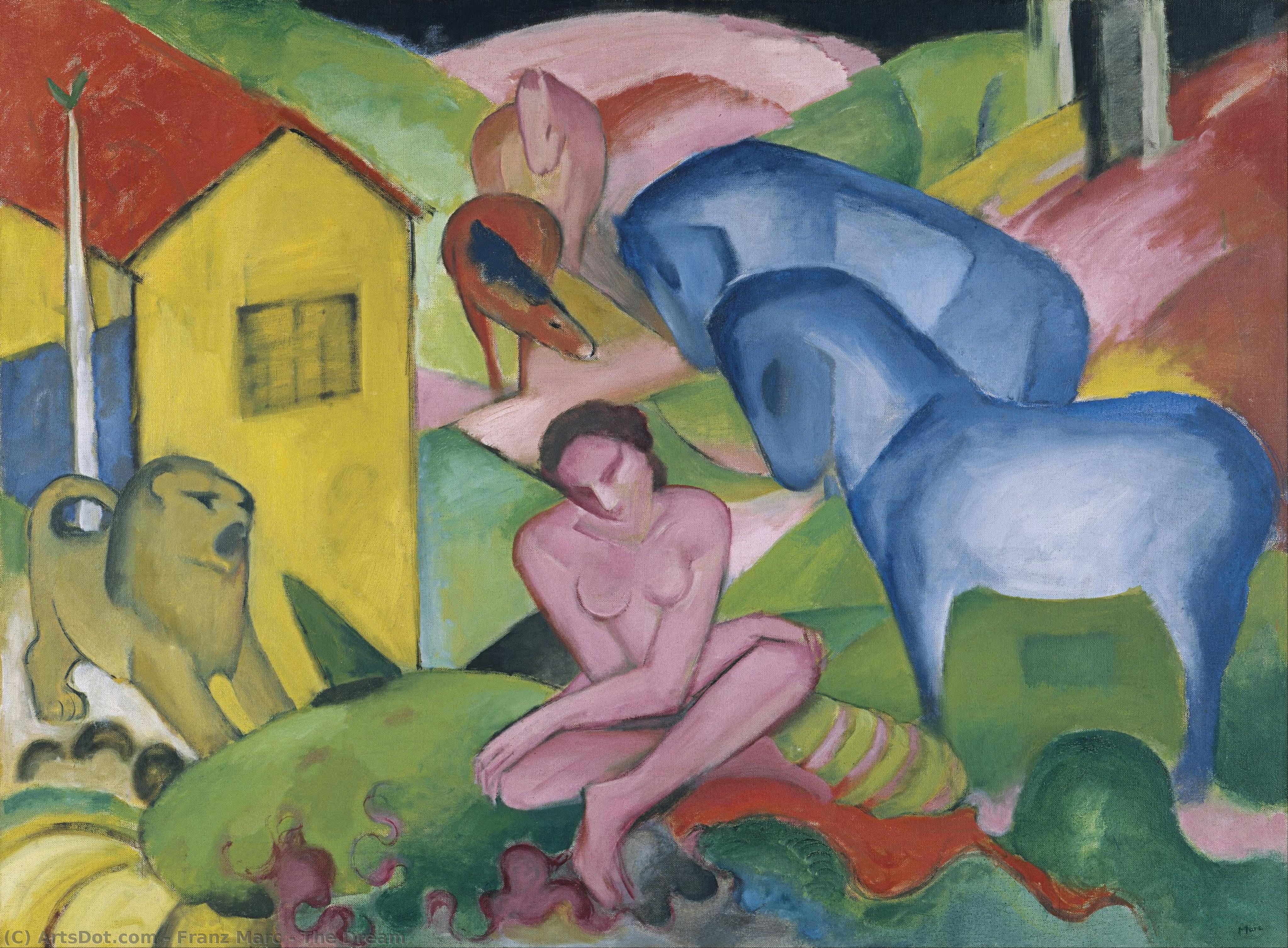
The Dream
 Acrylic On Canvas
- WallArt
- German Expressionism
 1912
1912 135.0 x 100.0 cm
 Preberi več
Ročno izdelana oljna reprodukcija
Ročno slikano olje na platnu v vaši izbiri velikosti in okvirja, izdelano po naročilu naših umetnikov. ( Preklop na tiskanine Preklop na digitalno sliko)




P118B €10

P118H €10

P118W €10

P438Z €10

P508JH €12

P508YH €12

P805H €10

P805Z €10

P919BZ €10

P919G €10

P919XJ €10

P959ZH €10

P968JZ €12

W106C €8

W218G €10

W218JH €8

W218Y €10

W307PJ €10

W316G €10

W316PJ €8

W316Y €10

W398PJ €8

W4111J €10

W500HY €15

W500JH €15

W692G €12

W849H €8

W940BG €15

W953PJ €8




Izberite eno od naših vnaprej določenih velikosti, ki ustrezajo prvotnim proporcijam umetničkega dela.

Vnesite širino in višino, ki jih potrebujete, da se slika prilega vašemu okviru ali steni. Ker je delo ročno slikano, lahko umetnik pri različnih oblikih slik pri robovih doda malo več barve ali pa jih malo odreže — izberite sami. Pred začetkom slikanja vam pošljemo digitalni predogled za potrditev. Slika, prikazana na tej strani, ni končni rezultat — le predogled prikazuje dejansko podobo.
Po oddaji naročila bo ekipa OriginalUniqueArt.com stranki po e-pošti poslala navodila in predogled digitalnega predogleda.
Mednarodna dostava () v 3/4 tednih namesto običajnih 5 tednov. (26 oktober). Brez kompromisov pri kakovosti.

Brezplačna ekspresna dostava po vsem svetu

Visokokakovostno laneno platno

Popolno zavarovanje pošiljke

Garancija povračila carine in uvoznih davkov

Garancija popolnega barvnega ujemanja

Politika vračila v 100 dneh (le v primeru okvar)

Garancija 100% povračila denarja

Popust pri večjem naročilu
 Možnost stekla je na voljo le za velikosti pod 110 cm

The Dream
Tehnika reprodukcije
Velikost reprodukcije
-


Skupna cena
€ 263
A Vision of Tranquility: Exploring Franz Marc’s “The Dream”
Franz Marc's "The Dream," painted in 1912, stands as a cornerstone of German Expressionism—a movement that sought to convey inner emotional experience rather than objective representation. More than just a depiction of figures on the ground, it’s an invitation into a realm where form and color coalesce to express profound spiritual contemplation. Marc's artistic journey began with his father’s influence in landscape painting, but he swiftly gravitated toward a deeper exploration of faith and existence, fueled by formative encounters with Vincent van Gogh’s emotionally charged canvases. This intellectual curiosity translated directly into his visual vocabulary—a deliberate rejection of realism in favor of abstraction that prioritized feeling over factual accuracy.The Composition: Harmony Amidst Chaos
The painting immediately captivates the viewer with its striking palette dominated by blues and yellows, colors traditionally associated with serenity and enlightenment. At the center lies a man and woman lying together on the earth, their postures relaxed and intimate—a gesture of profound connection. Surrounding them are three horses, rendered in bold strokes of color that convey both strength and vulnerability. The positioning of these animals is significant; they represent primal forces intertwined with human compassion. Notably, Marc’s meticulous attention to detail isn't merely decorative; it underscores the artist’s belief that every element contributes to a larger spiritual narrative. Two dogs flank the couple, symbolizing loyalty and companionship—further reinforcing the painting’s overarching theme of harmonious coexistence. In the background, a simple house provides grounding, representing stability amidst the expansive dreamscape.Technique and Style: Expressionist Boldness
Marc employed a technique characteristic of Expressionism – thick impasto brushstrokes that imbue the canvas with palpable texture and dynamism. This bold approach wasn’t simply about visual impact; it served as a conduit for conveying emotion directly onto the surface, bypassing intellectual mediation. The flattened perspective—a hallmark of Expressionist painting—further emphasizes the symbolic significance of each element, stripping away extraneous detail to focus on essential forms and colors. Marc's masterful use of color is particularly noteworthy. He eschewed naturalistic hues in favor of emotionally resonant shades that aim to evoke feelings of awe and wonder. The vibrant blues and yellows aren’t merely descriptive; they embody spiritual ideals—a quest for purity and transcendence.Symbolism: Beyond Literal Representation
“The Dream” operates on multiple symbolic levels. The horses, as guardians of the primal forces of nature, represent fertility and renewal – concepts central to Marc's spiritual worldview. The man and woman symbolize humanity’s yearning for unity with the divine—a desire to reconnect with the fundamental essence of existence. The house serves as a reminder that even amidst the boundless expanse of imagination, there exists an anchor to reality. Overall, the painting speaks to the transformative power of dreams – visions that reveal truths hidden beneath the surface of everyday experience.Emotional Resonance: A Moment of Contemplation
Ultimately, “The Dream” transcends mere visual beauty; it invites viewers into a state of meditative contemplation. Marc’s intention wasn't to depict a specific scene but rather to capture an intangible feeling—a profound sense of peace and interconnectedness. The painting’s enduring appeal lies in its ability to resonate with audiences across generations, prompting reflection on the relationship between humanity and nature, and the pursuit of spiritual enlightenment. It remains a testament to Marc’s unwavering conviction that art could illuminate the deepest recesses of the human soul.Vprašanja in odgovori
Katere velikosti tiska "The Dream" avtorja Franc Marko bi ustajali priporočeni sobi?
V Living Room se za delo "The Dream" priporoča tisk v velikosti Large.
Kakšno stopnjo kontrasta prikazuje "The Dream" avtorja Franc Marko?
Stopnja kontrasta dela "The Dream" avtorja Franc Marko je Gentle.
Katera narodna pripadnost stoji za German Expressionism dela "The Dream"?
"The Dream" povezuje gibanje German Expressionism s Nemčija skozi rodišče svojega ustvarjalca.
Biografija umetnika
Franz Marc – Cromer Artspace
Der Blaue Reiter
Franz Marc, nemški slikar, risar in grafik, * 8. februar 1880, München, Nemško cesarstvo (zdaj Nemčija), † 4. marec 1916, Braquis, Francija.
Velja za enega najpomembnejših ekspresionističnih slikarjev v Nemčiji. Ob Vasiliju Kandinskim je bil soustanovitelj uredniške skupine Der Blaue Reiter, ki je svojo prvo razstavo odprla v Münchnu 18. decembra 1911. Blaue Reiter je nastal iz Novega münchenskega združenja umetnikov, katerega član je bil Marc kratek čas.
Marc je imel zamisel o študiju klasične filologije ali teologije kot njegov starejši brat Paul - kot je v pismu leta 1897 povedal pastorju Ottu Schlierju, katerega tečaji birme so nanj naredili trajen vtis.
Marc je študiral umetnostno-teoretične spise za almanah Der Blaue Reiter in druge publikacije.
Early Life
Franz Marc se je rodil 8. februarja 1880 kot drugi sin družine Marc na Schillerstrasse 35 v Münchnu. Njegov oče Wilhelm Marc, ki je sprva končal pravo, preden je študiral slikarstvo na Akademiji za likovno umetnost v Münchnu, je bil krajinski in žanrski slikar.
Izhajal iz bavarske uradniške družine. Njegova mati Sophie, rojena Maurice, je prišla iz Alzacije in je otroštvo preživela v francosko govoreči Švici, kjer je obiskovala strogi kalvinistički internat.
Njegovi predniki bili aristokrati, z prijatelji med umetniki kot tudi ljudmi znanstvenimi.
Influences and Artistic Development
Marc je študiral literaturo in filozofijo, zlasti delo Thomasa Carlyla in Friedricha Nietzscheja. Zaradi težav v mladosti je bila njegova vera zelo kritična do Münchnega mladostnega gibanja in mesta življenja.
Njegov brat Paul je študiral klasično filologijo kot njegov starejši brat Paul - kot je v pismu leta 1897 povedal pastorju Ottu Schlierju, katerega tečaji birme so nanj naredili trajen vtis.
Njegova zgodnja dela še v naturalističnem slogu akademizma, vendar se po obisku Pariza leta 1907 pod vplivom Gauguina in van Gogha posvetil postimpresionizmu. Marc je študiral umetnostno-teoretične spise za almanah Der Blaue Reiter in druge publikacije.
Der Blaue Reiter and Artistic Vision
Marc je ustanovni član skupine Der Blaue Reiter (Modri jezdec) v Münchnu leta 1911. Blaue Reiter je nastal iz Novega münchenskega združenja umetnikov, katerega član je bil Marc kratek čas.
Marc je ustvarjal umetnostno-teoretične spise za almanah Der Blaue Reiter in druge publikacije.
Major Achievements and Legacy
Marc je ustvarjal umetnostno-teoretične spise za almanah Der Blaue Reiter in druge publikacije.
Marc je umrl 4. marca 1916, v času Prve svetovne vojne, kar je bila tragedija za svet umetnosti.
Njegovo delo še vedno resonira danes, zavzdihnjuje generacije umetnikov in očarati občinstvo z globoko emotivnostjo in duhovno vrednostjo. Marc je znan kot pionir nemške ekspresionistične umetnosti.

Franc Marko
1880 - 1916 , Nemčija
Ključne informacije
- Artistic Movement Or Style: Nemška ekspresionistična umetnost
- Artists Who Influenced This Artist:
- Vincent van Gogh
- Robert Delaunay
- Date Of Birth: 8. februar 1880
- Date Of Death: 4. marec 1916
- Full Name: Franz Moritz Wilhelm Marc
- Nationality: Nemški
- Notable Artworks:
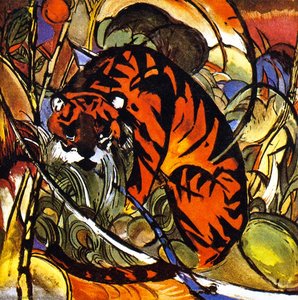
- The Tiger
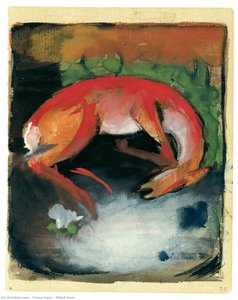
- Red Deer
- Tower of Blue Horses
- Place Of Birth: Münich, Nemčija
Sorodni članki
August Macke: Expressionist Visions of Harmony & Modern Life
Explore the vibrant Expressionist paintings of August Macke (1887-1914). Discover his key role in Der Blaue Reiter, Fauvist influences, and captivating depictions of modern life. A comprehensive guide for art enthusiasts & collectors.
The Raw Emotion of Expressionism: A Deep Dive into its History, Characteristics & Enduring Influence
Explore the raw emotion of Expressionism with OriginalUniqueArt. Discover its history, key artists like Kirchner & Munch, and lasting influence on modern art. Expert insights for collectors & enthusiasts.

Franz Marc: Expressionism, Spirituality & the Animal Symbolism of a Modern Master
Explore the profound world of Franz Marc's Expressionist paintings. Discover his spiritual connection to animals, innovative use of color, and lasting impact on modern art history. Learn more at OriginalUniqueArt.
Surova Čustvenost Ekspresionizma: Revolucija v 20. Stoletnem Umetniškem Izrazu
Odkrijte surovo čustvenost ekspresionizma! Preberite o nastanku, ključnih gibih in vplivu tega revolucionarnega umetniškega sloga. Nasveti za zbiratelje in reprodukcije slavnih del na OriginalUniqueArt.com.

German Expressionism's 10 Defining Masterpieces | Art for Your Home
Explore 10 defining German Expressionism masterpieces – from Munch's 'The Scream' to Kandinsky’s abstracts. Discover the artists, stories & bold colors behind this powerful art movement. Find museum-quality reproductions at OriginalUniqueArt.com.