Preverite v realnem okolju
 Pošlji kot čestitko
 Deli
Deli
 Podrobnosti
 Priročnik

 Prenesi
 Podobni artefakti
 Rentgenski posnetek
 Predvajaj diaporama
 Statistika
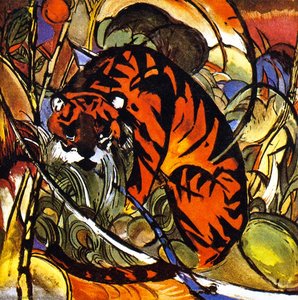
Fighting Forms
 Oil On Canvas
- WallArt
- German Expressionism
 1914
1914 91.0 x 131.0 cm
 Bayerische Staatsgemäldesammlungen
 Preberi več
Giclée tisk / Umetniški tisk
Giclée ali platnati odtis muzejske kakovosti z hitro proizvodnjo in prilagodljivimi možnostmi končne obdelave. ( Naročite ročno slikano reprodukcijo Preklop na digitalno sliko)




P118B €10

P118H €10

P118W €10

P438Z €10

P508JH €12

P508YH €12

P805H €10

P805Z €10

P919BZ €10

P919G €10

P919XJ €10

P959ZH €10

P968JZ €12

W106C €8

W218G €10

W218JH €8

W218Y €10

W307PJ €10

W316G €10

W316PJ €8

W316Y €10

W398PJ €8

W4111J €10

W500HY €15

W500JH €15

W692G €12

W849H €8

W940BG €15

W953PJ €8




Izberite eno od naših vnaprej določenih velikosti, ki ustrezajo prvotnim proporcijam umetničkega dela.

Vnesite širino in višino, ki jih potrebujete za svoj okvir ali steno. Tiskanje se lahko le odreže, vendar ga ni mogoče narediti večjega od slike, zato format z drugačno obliko pomeni izgubo dela slike. Pred tiskanjem vam pošljemo digitalni predogled za potrditev. Slika, prikazana na tej strani, ne prikazuje dejanskega izrezkov — le predogled to omogoča.
Globalna dostava () v 2 tednih namesto standardnih 4/5 tednov. (16 oktober)

Brezplačna ekspresna dostava po vsem svetu

Visokokakovostno laneno platno

Popolno zavarovanje pošiljke

Garancija povračila carine in uvoznih davkov

Garancija popolnega barvnega ujemanja

Politika vračila v 100 dneh (le v primeru okvar)

Garancija 100% povračila denarja

Popust pri večjem naročilu
 Možnost stekla je na voljo le za velikosti pod 110 cm

Fighting Forms
Giclée tisk / Umetniški tisk
Velikost reprodukcije
-


Skupna cena
€ 70
A Symphony of Conflict: Unpacking the Power of Franz Marc’s *Fighting Forms*
Franz Marc's 1914 painting, *Fighting Forms*, isn’t merely a visual representation; it’s an intensely felt experience. Created during a period of escalating anxieties surrounding the impending First World War, this work embodies the core tenets of Expressionism – a movement dedicated to conveying subjective emotions and inner turmoil rather than objective reality. Marc, a founding member of Der Blaue Reiter, sought to capture not just what he saw, but how he *felt*, channeling his spiritual concerns into a language of vibrant color and dynamic form. The painting immediately confronts the viewer with a swirling vortex of red and black, hues that instinctively evoke danger, struggle, and perhaps even death. Yet, within this apparent chaos lies a profound sense of yearning – a desperate plea for understanding amidst the looming darkness.
- The Palette of Emotion: Marc’s masterful use of color is paramount. The dominant reds represent aggression, violence, and the destructive forces threatening to consume humanity. These fiery tones are juxtaposed with the darker blacks and browns, symbolizing the unknown, the unconscious, and the inevitable consequences of conflict.
- Animal as Symbol: As a lifelong devotee of the animal kingdom, Marc frequently employed them as symbolic figures in his work. While not explicitly depicted here, the forms themselves suggest a primal struggle – a dance between predator and prey, life and death. This connection to the natural world provides a grounding element within the painting’s emotional intensity.
Deconstructing Abstract Forms: A Language of Tension
The composition of *Fighting Forms* is deliberately abstract, eschewing realistic representation in favor of conveying raw emotion. The swirling shapes aren't meant to depict specific objects or figures; instead, they embody the very essence of conflict – a chaotic interplay of opposing forces. Marc’s brushwork is loose and gestural, emphasizing movement and energy over precise detail. Notice how the lines seem to vibrate with an almost palpable tension, mirroring the anxieties of the era. The painting feels less like a static image and more like a captured moment of intense emotional upheaval – a visual representation of a battle waged not just on the battlefield, but within the human psyche.
Technique & Materials: Executed in oil on canvas, Marc’s technique is characterized by bold strokes and an expressive application of paint. The layering of colors creates depth and dynamism, while the loose brushwork contributes to the painting's overall sense of movement and urgency.Historical Context: A Precursor to War
To fully appreciate *Fighting Forms*, it’s crucial to understand its creation within the context of 1914. Europe was teetering on the brink of war, and Marc, like many artists of his time, felt a deep sense of foreboding. His work reflects this anxiety – not through explicit depictions of warfare, but through an exploration of the underlying emotions that fueled it: fear, uncertainty, and the potential for destruction. *Fighting Forms* can be seen as a visual meditation on the fragility of peace and the ever-present threat of violence. It’s a poignant reminder of how art can serve as a powerful reflection of its time.
A Legacy of Emotional Resonance
Franz Marc's *Fighting Forms* remains a profoundly moving work of art, continuing to resonate with viewers over a century later. Its abstract forms and emotionally charged colors capture the anxieties of a turbulent era while simultaneously offering a glimpse into the artist’s deeply held spiritual beliefs. Reproductions of this powerful painting offer an opportunity to bring its intensity into any space, prompting contemplation on themes of conflict, spirituality, and the enduring human condition. Consider how the vibrant hues might transform a room – injecting it with a sense of urgency and introspection.
Vprašanja in odgovori
Kakšno vzdušje in čustvo se prepletata v "Fighting Forms"?
V "Fighting Forms" spremlja Dramatic vzdušje in Tense čustvo.
Kje se "Fighting Forms" uvršča med ponavljajoče se teme v delih umetnika Franc Marko?
Franc Markoove ponavljajoče se teme vključujejo van gogh influence, spiritual seeking, war anxiety, premonition conflict, blue rider symbolism, group work, animal forms, symbolic language; "Fighting Forms" se osredotoča na expressionism, conflict, red, black, animals, anxiety, war, forms.
Kakšen čustveni izraz prenosi "Fighting Forms" avtorja Franc Marko?
"Fighting Forms" je povezano z Tense občutkom. Čustveni ton opisuje vtis, ki ga delo pusti.
Biografija umetnika
Franz Marc – Cromer Artspace
Der Blaue Reiter
Franz Marc, nemški slikar, risar in grafik, * 8. februar 1880, München, Nemško cesarstvo (zdaj Nemčija), † 4. marec 1916, Braquis, Francija.
Velja za enega najpomembnejših ekspresionističnih slikarjev v Nemčiji. Ob Vasiliju Kandinskim je bil soustanovitelj uredniške skupine Der Blaue Reiter, ki je svojo prvo razstavo odprla v Münchnu 18. decembra 1911. Blaue Reiter je nastal iz Novega münchenskega združenja umetnikov, katerega član je bil Marc kratek čas.
Marc je imel zamisel o študiju klasične filologije ali teologije kot njegov starejši brat Paul - kot je v pismu leta 1897 povedal pastorju Ottu Schlierju, katerega tečaji birme so nanj naredili trajen vtis.
Marc je študiral umetnostno-teoretične spise za almanah Der Blaue Reiter in druge publikacije.
Early Life
Franz Marc se je rodil 8. februarja 1880 kot drugi sin družine Marc na Schillerstrasse 35 v Münchnu. Njegov oče Wilhelm Marc, ki je sprva končal pravo, preden je študiral slikarstvo na Akademiji za likovno umetnost v Münchnu, je bil krajinski in žanrski slikar.
Izhajal iz bavarske uradniške družine. Njegova mati Sophie, rojena Maurice, je prišla iz Alzacije in je otroštvo preživela v francosko govoreči Švici, kjer je obiskovala strogi kalvinistički internat.
Njegovi predniki bili aristokrati, z prijatelji med umetniki kot tudi ljudmi znanstvenimi.
Influences and Artistic Development
Marc je študiral literaturo in filozofijo, zlasti delo Thomasa Carlyla in Friedricha Nietzscheja. Zaradi težav v mladosti je bila njegova vera zelo kritična do Münchnega mladostnega gibanja in mesta življenja.
Njegov brat Paul je študiral klasično filologijo kot njegov starejši brat Paul - kot je v pismu leta 1897 povedal pastorju Ottu Schlierju, katerega tečaji birme so nanj naredili trajen vtis.
Njegova zgodnja dela še v naturalističnem slogu akademizma, vendar se po obisku Pariza leta 1907 pod vplivom Gauguina in van Gogha posvetil postimpresionizmu. Marc je študiral umetnostno-teoretične spise za almanah Der Blaue Reiter in druge publikacije.
Der Blaue Reiter and Artistic Vision
Marc je ustanovni član skupine Der Blaue Reiter (Modri jezdec) v Münchnu leta 1911. Blaue Reiter je nastal iz Novega münchenskega združenja umetnikov, katerega član je bil Marc kratek čas.
Marc je ustvarjal umetnostno-teoretične spise za almanah Der Blaue Reiter in druge publikacije.
Major Achievements and Legacy
Marc je ustvarjal umetnostno-teoretične spise za almanah Der Blaue Reiter in druge publikacije.
Marc je umrl 4. marca 1916, v času Prve svetovne vojne, kar je bila tragedija za svet umetnosti.
Njegovo delo še vedno resonira danes, zavzdihnjuje generacije umetnikov in očarati občinstvo z globoko emotivnostjo in duhovno vrednostjo. Marc je znan kot pionir nemške ekspresionistične umetnosti.

Franc Marko
1880 - 1916 , Nemčija
Ključne informacije
- Artistic Movement Or Style: Nemška ekspresionistična umetnost
- Artists Who Influenced This Artist:
- Vincent van Gogh
- Robert Delaunay
- Date Of Birth: 8. februar 1880
- Date Of Death: 4. marec 1916
- Full Name: Franz Moritz Wilhelm Marc
- Nationality: Nemški
- Notable Artworks:
- The Tiger
- Red Deer
- Tower of Blue Horses
- Place Of Birth: Münich, Nemčija
Sorodni članki

Kandinsky's Masterpieces: 25 Paintings That Define Abstract Art | OriginalUniqueArt
Journey through Wassily Kandinsky's 25 most iconic abstract paintings. Explore his revolutionary use of color, form & spiritual expressionism. Find museum-quality Kandinsky reproductions and elevate your home decor with OriginalUniqueArt.com. Discover all masterpieces on OriginalUniqueArt.com!

Absolutni Izrazi: 10 Mojstrin Del, Ki So Definirali Gibanje
Odkrijte 10 mojstrin del abstraktnega ekspresionizma! Pollock, Rothko & De Kooning - zgodbe za kulise ikoničnih umetnin. Inspirirajte se in poiščite reprodukcije na OriginalUniqueArt.com!

German Expressionism's 10 Defining Masterpieces | Art for Your Home
Explore 10 defining German Expressionism masterpieces – from Munch's 'The Scream' to Kandinsky’s abstracts. Discover the artists, stories & bold colors behind this powerful art movement. Find museum-quality reproductions at OriginalUniqueArt.com.

Geometrična Abstraktna Umetnost: 10 Mojstrovin za Vaš Dom | OriginalUniqueArt.com
Odkrijte 10 mojstrovin geometrične abstrakcije! Mondrian, Malevich, Kandinsky in drugi. Zgodbe umetnikov, tehnike ter navdih za vaš dom. Kvalitetne reprodukcije slik na OriginalUniqueArt.com. Raziskajte celotno zbirko online!
Mark Rothko: 25 Mojstrovin Barvne Globine za Vaš Dom | OriginalUniqueArt
Odkrijte 25 mojstrovin Marka Rothka – ikonične slike ekspresionizma, polne barv in emocij. Preberite zgodbe za vsako umetnino in obogatite svoj dom z reprodukcijami vrhunske kakovosti na OriginalUniqueArt.com.