

 Preverite v realnem okolju
 Pošlji kot čestitko
 Deli
Deli
 Podrobnosti
 Priročnik

 Prenesi
 Podobni artefakti
 Rentgenski posnetek
 Predvajaj diaporama
 Statistika
The Cloth Shop
 Oil On Copper
- WallArt
- Dutch Golden Age
 1660
1660- Early Modern
 55.0 x 43.0 cm
 Kunsthistorisches Museum
 Preberi več
Giclée tisk / Umetniški tisk
Giclée ali platnati odtis muzejske kakovosti z hitro proizvodnjo in prilagodljivimi možnostmi končne obdelave. ( Naročite ročno slikano reprodukcijo Preklop na digitalno sliko)




P118B €10

P118H €10

P118W €10

P438Z €10

P508JH €12

P508YH €12

P805H €10

P805Z €10

P919BZ €10

P919G €10

P919XJ €10

P959ZH €10

P968JZ €12

W106C €8

W218G €10

W218JH €8

W218Y €10

W307PJ €10

W316G €10

W316PJ €8

W316Y €10

W398PJ €8

W4111J €10

W500HY €15

W500JH €15

W692G €12

W849H €8

W940BG €15

W953PJ €8




Izberite eno od naših vnaprej določenih velikosti, ki ustrezajo prvotnim proporcijam umetničkega dela.

Vnesite širino in višino, ki jih potrebujete za svoj okvir ali steno. Tiskanje se lahko le odreže, vendar ga ni mogoče narediti večjega od slike, zato format z drugačno obliko pomeni izgubo dela slike. Pred tiskanjem vam pošljemo digitalni predogled za potrditev. Slika, prikazana na tej strani, ne prikazuje dejanskega izrezkov — le predogled to omogoča.
Globalna dostava () v 2 tednih namesto standardnih 4/5 tednov. (26 oktober)

Brezplačna ekspresna dostava po vsem svetu

Visokokakovostno laneno platno

Popolno zavarovanje pošiljke

Garancija povračila carine in uvoznih davkov

Garancija popolnega barvnega ujemanja

Politika vračila v 100 dneh (le v primeru okvar)

Garancija 100% povračila denarja

Popust pri večjem naročilu
 Možnost stekla je na voljo le za velikosti pod 110 cm

The Cloth Shop
Giclée tisk / Umetniški tisk
Velikost reprodukcije
-


Skupna cena
€ 70
A Masterpiece of Meticulous Detail
In the quiet, luminous world of the Dutch Golden Age, few artists captured the intimate textures of life with as much reverence as Frans van Mieris the Elder. His 1660 masterpiece, The Cloth Shop, is not merely a depiction of commerce; it is a breathtaking window into the soul of seventeenth-century Leiden. Executed on a gilt copper panel—a surface that allows for an almost supernatural level of precision—the painting serves as a pinnacle of the fijnschilder movement. This "fine painter" technique, characterized by incredibly smooth brushwork and microscopic detail, transforms a simple retail setting into a shimmering, tactile experience where every thread of fabric and every glint of light feels tangibly real.
The scene unfolds within a room that breathes with a warm, atmospheric glow. A large chandelier hangs suspended from the ceiling, acting as the primary source of illumination that dances across the polished surfaces of the shop. As the eye wanders through the composition, one is struck by the artist's masterful use of chiaroscuro. The dramatic interplay between deep, velvety shadows and brilliant highlights does more than just create depth; it sculpts the figures, lending them a monumental presence within their modest surroundings. For the discerning collector or interior designer, this play of light offers a sophisticated focal point that can imbue any space with a sense of historical grandeur and quiet drama.
Symbolism and the Social Fabric
Beyond its technical brilliance, The Cloth Shop is a complex narrative tableau rich with social commentary and subtle psychological tension. At the heart of the composition, an elderly gentleman, draped in opulent, heavy robes, engages with a younger man. The positioning of these figures is far from accidental; the elevation of the elder figure subtly reinforces the rigid social hierarchies of the era. Yet, Van Mieris introduces a layer of human intimacy that transcends mere transaction. A subtle, almost fleeting gesture—the gentleman’s hand brushing near his companion—hints at an unspoken connection, perhaps even a touch of eroticism or hidden desire, tucked away within the mundane act of inspecting fabric bolts.
The very subject matter—the cloth itself—serves as a powerful metaphor. The bolts of silk, satin, and wool displayed on the shelves are not just commodities; they represent wealth, status, and the interconnectedness of the Dutch Republic's global trade. To gaze upon this painting is to witness the intersection of private emotion and public prosperity. The meticulous rendering of these textiles invites the viewer to reach out and touch the canvas, making the artwork an immersive sensory experience that bridges the gap between the seventeenth century and the modern day.
An Eternal Inspiration for the Modern Interior
For those looking to curate a collection or design a room of distinction, a high-quality reproduction of The Cloth Shop offers much more than mere decoration. It brings with it an aura of intellectual depth and classical elegance. The painting’s warm palette and rich textures harmonize beautifully with both traditional period furnishings and contemporary minimalist settings, providing a sophisticated anchor for a well-curated interior. It is a piece that rewards repeated viewing, revealing new details—the glint of a brass fixture, the soft fold of a sleeve, or the quiet intensity in a subject's gaze—each time the light hits it differently.
Owning a reproduction of such a significant work allows one to celebrate the legacy of the Dutch masters. It is an invitation to surround oneself with the beauty of the fijnschilder tradition, bringing a sense of history, storytelling, and unparalleled craftsmanship into the home. Whether placed in a sunlit study or a moody dining room, this artwork remains a timeless testament to the power of art to capture the fleeting, beautiful moments of human existence.
Vprašanja in odgovori
V katero obdobje kariere Frans Van Mieris pripada delo "The Cloth Shop"?
"The Cloth Shop" predstavlja Mature Period umetnika Frans Van Mieris.
Katera je prevladujoča barva dela "The Cloth Shop" avtorja Frans Van Mieris?
Prevladujoča barva dela "The Cloth Shop" avtorja Frans Van Mieris je Black (#0c0406).
Kakšen je umetnostvorno mesto dela "The Cloth Shop" avtorja Frans Van Mieris?
"The Cloth Shop" avtorja Frans Van Mieris pripada gibanju Dutch Golden Age, v obdobju Early Modern. Skupaj delu omogočata njegovo mesto v zgodovini umetnosti.
Biografija umetnika
Življenje potopljeno v podrobnosti: Svet Fransa van Mierisa starega
Frans van Mieris stari, ime, ki je z নদীরno povezuje z miljenostno natančnostjo in prefinjeno umetnostjo, zavzema pomembno mesto v obdobju nizozemskega zlatiega veka. Rod v Leidu leta 1635 je njegova pot odmaknila od družinske poklicnosti zlatarstva – kmetijskega in umetniškega spretnega dela, ki ga je opravljal njegov oče, Jan Bastiaensz van Mieris – proti očarljivemu svetu slikarstva. Ta zgodnja nagnjenost k risanju je postavila temelje za kariero, ki bo definirala slog fijnschilder in ponudila intimen vpogled v nizozemsko družbo 17. stoletja. Njegova začetna izobraževanja pod Abrahamom Toorenvlietom, ki mu je sledala ključna poučevanja spoštovanega Gerrita Doua, so postavili trdno osnovo, na kateri je zgradil svoj ločen umetniški glas. Te oblikovalne leta so v njega vplila ne le tehnično znanje, temveč tudi razumevanje narativne niance in moči subtilnega opazovanja.Rise »fijnschilderja«
Van Mieris je hitro postal slavovit kot mojster fijnschilder – nizozemski izraz, ki pomeni »finoslikovno slikarstvo«. Ta tehnika je bila značilna za skoraj obsesivno pozornost do detajlov, gladke in polirane potege ter preference za manjše platna. Ne合物 šlo le o kopiranje realnosti; šlo je za njeno dvigovanje skozi dolgotrajno natančnost. Površine v njegovih slikah se zdijo, kot bi živeると s svetlobo – s polnim sijajem satena, nežno teksturo velura, bledom odmevom metala – vse to prikazano z osupljivo natančnostjo. On ni le slikal sobo; on je ponovno ustvaril samo vzdušje v njej in gledalce povabil v prizore domačnosti in bogastva. Njegova tematika se je pogosto vrtela okoli življenja premožnih: elegantni druženja, zapleteni interierji, portreti, ki so zajemali ne le podobnost, temveč tudi značaj. Ponavljajoči se motivi, kot so obedovanje z ostrigami, zdravniki ob pacientih in ženske pri vsakodnevnih opravilih, so služili kot okna v navade in družbene rituale višjih slojev. Čeprav je bil sprva močno vplivan od sloga Gerrita Doua, je Van Mieris postopoma razvil svoj lasten, edinstven pristop. Od premoga preobiločenih detajlov se je premaknil k večjemu poudarku na interakciji med osebami in razvijajočih se zgodbah znotraj njegovih kompozicij. Kasnejša dela včasih prikazujejo temnejše tonske kakovosti v primerjavi z bolj svetlimi paletami njegovih zgodnjih slik, kar odraža rastjočo zrelost in umetniško raziskovanje.Pomembna dela in trajna dediščina
Nekaj ključnih del stoji kot spomenik Van Mierisovi veščini in razvijajočemu se slogu. Obisk zdravnika (1657), ki velja za njegovo najstarejše datirano in najpomembnejše delo, prikazuje njegovo prihajajočo neodvisnost od Douovega vpliva. Slikovni prikaz je mojstrovska lekcija v zajemanju tihe napetosti medicinskega pregleda, izvedena z osupljivo stopnjo realizma. Njegov Samoportret s citro je prav tako prepričljiv, saj dokazuje njegovo sposobnost prikazovanja okrasnih oblačil, hkrati pa izraža občutek osebnosti in introspekcije. Portret umetnikove žene, Cunere van der Cock, ponazarja njegovo mojstrstvo v portretiranju, pri čemer izpostavlja tako tehnično znanje kot razumevanje chiaroscuro – dramatične igre svetlobe in sence. Poleg žanrovskih scen in portretov se je Van Mieris pognal tudi v alegorijske slike, kot so tiste, ki prikazujejo razuznost, kot sta pitje in igre na srečo, kar dokazuje širino njegovih umetniških zmogljivosti. Vpliv Fransa van Mierisa se je razširil daleč čez njegovo lastno življenje. Njegov vpliv je odmeval znotraj njegove družine; njegov sin Willem van Mieris (1662–1747) in vnuk Frans van Mieris mlajši (1689–1763) sta oba postala izpolnjeni žanrovski slikarji, ki so nadaljevali umetniško tradicijo. Popularnost njegovega sloga je spodbudila tudi številne imitatorje, najbolj opazno A. D. Snaphaana, ki je deloval v Leipzigu in užival v pokojnini dvora Anhalt-Dessau.Trajni prispevek k nizozemski umetnosti
Frans van Mieris je igral ključno vlogo pri oblikovanju gibanja fijnschilder znotraj slikarstva nizozemskega zlatiega veka. Njegova predanost miljenostnim detajlom, realistični prikazi vsakdana in družbe višjih slojev ter tehnična briljantnost so bistveno prispevali k obdobju, ki je že bilo znano po svoji umetniški inovativnosti. Užival je v pokojnini pomembnih osebnosti, vključno z vojvodom Leopoldom in Cosimo III de' Medici, kar je dokaz mednarodnega priznanja njegovega talenta. Še danes njegova dela še vedno očarajo občinstvo s svojo izstopajočo izdelavo in ustreznim prikazom kulture 17. stoletja. Kraja samoportreta v umetnostni galeriji New South Wales v Sydneyu služi kot ganljiv opomin na trajno vrednost in privlačnost njegove umetnosti – dediščino, ki še vedno navdihuje in intrigira zbiratelje in ljubitelje umetnosti. Njegove slike niso le zgodovinske artefakte; so okna v minulo dobo, skrbno izdelana in prežeta z brezčasno lepoto.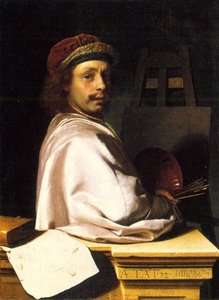
Frans Van Mieris
1635 - 1681 , Nizozemska
Ključne informacije
- Artistic Movement Or Style: Fijnschilder, žanrska slika
- Artists Or Movements Influenced By This Artist:
- Willem van Mieris
- Frans van Mieris mlajši
- A. D. Snaphaan
- Artists Who Influenced This Artist:
- Gerrit Dou
- Abraham van den Tempel
- Date Of Birth: 1635
- Date Of Death: 1681
- Full Name: Frans van Mieris starejši
- Nationality: nizozemski
- Notable Artworks:
- Obisk zdravnika
- Samoportret s citro
- Glasbena družba
- Duet
- Place Of Birth: Leiden, Nizozemska
Sorodni članki

Golden Light & Dutch Skies: The Timeless Magic of Dutch Golden Age Landscapes
Discover the breathtaking beauty of Dutch Golden Age landscapes. Explore the mastery of light, chiaroscuro, and 17th-century realism through an expert art history lens, celebrating the enduring legacy of the Dutch Masters for discerning collectors and art lovers.

Rembrandt van Rijn: 25 Mojstrovin za Popestritev Vašega Doma | OriginalUniqueArt
Odkrijte 25 mojstrovin Rembrandta van Rijna! Preberite zgodbe o portretih, svetlobi in nizozemskem baroku. Kvalitetne reprodukcije slik za vaš dom na OriginalUniqueArt.com. Raziskajte celotno zbirko online.
Adriaen van Ostade: A Master of Dutch Genre Painting & Social Commentary
Explore the life & work of Adriaen van Ostade, a leading Dutch Golden Age painter. Discover his realistic genre scenes, social commentary, and lasting influence on art history. Learn more at OriginalUniqueArt.
Genre Painting: A Window into Daily Life & Societal Values of the Dutch Golden Age
Explore the captivating world of Dutch Golden Age genre painting! Discover realistic depictions of daily life, masterful artists like Ostade & Metsu, and hidden symbolism. Learn about this influential art movement with OriginalUniqueArt.

10 Mojstrovin Nizozemske Zlate dobe: Umjetnost, ki je definirala svojo dobo
Odkrijte 10 mojstrovin Nizozemske zlate dobe! Rembrandt, Vermeer & več – spoznajte zgodbe za temi ikoničnih umetnin. Inspirirajte se za notranji dizajn in poiščite reprodukcije na OriginalUniqueArt.com!