

 Predogled v realnem okolju
 Pošlji
 Deli
Deli
 Podrobnosti o delu
 Priročnik

 Prenesi sliko
 Podobni izdelki
 Rentgenski posnetek
 Predvajaj diaporama
 Q&A
Q&A Statistika
triptych, may - june, 1973 b

 Preberi več
Umetniška dela, prikazana na tej strani, so zaščitena z avtorskimi pravicami, kar pomeni, da po zakonu ne moremo ustvarjati ali prodajati identičnih reprodukcij. Ta zaščita se izvaja v skladu z mednarodnimi sporazumi, kot so Bernska konvencija in po nacionalnih zakonih, vključno s tistimi, ki jih določa Zakon o avtorskih pravicah ZDA – naslov 17.
Ta način v celoti upošteva zakonodajo o avtorskih pravicah, saj ne vključuje kopiranja ali podvajanja zaščitenga umetniškega dela. Namesto tega gre za kreativno preinterpretacijo – novo sliko, ki je navdihnjen rezultat originala, vendar ni z njim identična.
Giclée tisk / Umetniški tisk
Giclée ali platnati odtis muzejske kakovosti z hitro proizvodnjo in prilagodljivimi možnostmi končne obdelave. ( Kupite ročno slikano delo Preklop na digitalno sliko)




P118B €10

P118H €10

P118W €10

P438Z €10

P508JH €12

P508YH €12

P805H €10

P805Z €10

P919BZ €10

P919G €10

P919XJ €10

P959ZH €10

P968JZ €12

W106C €8

W218G €10

W218JH €8

W218Y €10

W307PJ €10

W316G €10

W316PJ €8

W316Y €10

W398PJ €8

W4111J €10

W500HY €15

W500JH €15

W692G €12

W849H €8

W940BG €15

W953PJ €8




Izberite eno od naših vnaprej določenih velikosti, ki ustrezajo prvotnim proporcijam umetničkega dela.

Vnesite širino in višino, ki jih potrebujete za svoj okvir ali steno. Tiskanje se lahko le odreže, vendar ga ni mogoče narediti večjega od slike, zato format z drugačno obliko pomeni izgubo dela slike. Pred tiskanjem vam pošljemo digitalni predogled za potrditev. Slika, prikazana na tej strani, ne prikazuje dejanskega izrezka — le predogled to omogoča.
Globalna dostava () v 2 tednih namesto standardnih 4/5 tednov. (28 oktober)

Brezplačna ekspresna dostava po vsem svetu

Visokokakovostno laneno platno

Popolno zavarovanje pošiljke

Garancija povračila carine in uvoznih davkov

Garancija popolnega barvnega ujemanja

100-dnevna politika vračil (le v primeru okvar)

Garancija 100% povračila denarja

Popust pri večjem naročilu
 Možnost stekla je na voljo le za velikosti pod 110 cm

triptych, may - june, 1973 b
Giclée tisk / Umetniški tisk
Velikost reprodukcije
-


Skupna cena
€ 71
A Vision of Grief and Isolation: Examining Francis Bacon’s ‘Triptych, May-June 1973’
Francis Bacon's 'Triptych, May-June 1973,' housed in the Tate Modern collection, stands as a monumental testament to the artist’s unflinching exploration of human emotion—specifically grief and isolation. Completed in 1973, shortly after Jessie Lightfoot’s death, it represents arguably Bacon's most emotionally resonant work, capturing a profound sense of despair within its unsettling visual language. The triptych is comprised of three canvases joined horizontally, each depicting a figure contorted in agony—a man with his head bowed downwards, a woman with her torso turned away from the viewer, and a shadowy form seemingly emerging from a doorway. These figures are rendered in thick, viscous oil paint, employing Bacon’s signature technique of layering brushstrokes to create an almost sculptural surface texture. The palette is dominated by deep reds—particularly crimson—which pulsate with visceral energy and symbolize blood, pain, and vulnerability.- Style: Expressionist – Bacon eschewed representational accuracy in favor of conveying subjective experience, prioritizing emotional intensity over visual realism.
- Technique: Thick Impasto – Bacon’s masterful use of impasto—applying paint thickly onto the canvas—creates a palpable physicality that mirrors the psychological torment depicted within the artwork. The textured surface invites contemplation and emphasizes the artist's deliberate manipulation of materiality.
- Symbolism: The Red Walls – Bacon’s use of red walls symbolizes confinement and repression, mirroring the psychological imprisonment experienced by the figures within the canvases.
- Doorways: Recurring doorways represent transitions—both physical and metaphorical—suggesting a yearning for escape from pain and isolation but ultimately highlighting the inescapable reality of suffering.
Exploring the Visceral Landscape: Bacon’s Influence on Modern Art
Francis Bacon's groundbreaking approach to painting—characterized by his rejection of traditional conventions and his unwavering commitment to emotional expression—established him as a pivotal figure in the development of modern art. Prior to Bacon, artists largely adhered to academic standards of representation, prioritizing accuracy over feeling; Bacon decisively shattered these boundaries, ushering in an era where subjective experience reigned supreme. His influence extends far beyond his own canvases, shaping the artistic sensibilities of subsequent generations and inspiring countless artists to embrace experimentation and vulnerability.- Key Innovations: Bacon’s technique of layering impasto—creating textured surfaces through thick applications of paint—challenged established methods and paved the way for new approaches to materiality.
- Conceptual Shift: He fundamentally altered artistic thinking by prioritizing psychological exploration over visual realism, demonstrating that art could convey profound emotion without resorting to literal depiction.
The Legacy of Isolation: Bacon’s Enduring Relevance Today
Despite being created over fifty years ago, ‘Triptych, May-June 1973,’ and Bacon's broader artistic vision retain an astonishing degree of relevance in contemporary art discourse. The themes explored within the triptych—grief, isolation, vulnerability—remain profoundly resonant with audiences grappling with anxieties about identity, connection, and mortality in an increasingly fragmented world. Bacon’s uncompromising honesty—his refusal to sugarcoat difficult truths—continues to inspire artists who strive for authenticity and emotional depth.- Contemporary Resonance: The exploration of psychological trauma and the depiction of distorted figures speaks directly to anxieties prevalent in contemporary society regarding mental health and societal pressures.
- Artistic Inspiration: Bacon’s influence can be seen in the work of numerous artists who embrace experimentation, challenge conventions, and prioritize emotional expression—demonstrating the enduring power of his artistic legacy.
A Masterpiece Revisited: Examining Bacon’s Technique Through Time
Analyzing Bacon's technique reveals a remarkable consistency across his oeuvre—a dedication to layering impasto, manipulating color palettes, and employing symbolic imagery that transcends stylistic trends. The meticulous attention to detail—the painstaking creation of textured surfaces and the deliberate positioning of figures within complex compositions—underscores Bacon’s unwavering commitment to artistic excellence. Studying ‘Triptych, May-June 1973,’ alongside his other seminal works—such as ‘Three Studies After Lucian Freud’—provides invaluable insight into the artist's stylistic evolution and reveals recurring motifs that define his distinctive visual language.- Recurring Motifs: The use of distorted figures, fragmented landscapes, and symbolic doorways—elements found throughout Bacon’s paintings—demonstrates a deliberate artistic strategy aimed at conveying psychological anguish.
- Influence on Subsequent Artists: Bacon's technique has served as inspiration for countless artists who strive to achieve textural richness and emotional intensity—solidifying his position as a foundational figure in modern art history.
Where to Find Authentic Reproductions: Bringing Bacon’s Vision Home
Collectors and interior designers seeking to experience the visceral beauty of Francis Bacon's art can find high-quality reproductions at reputable art dealers and online platforms like OriginalUniqueArt.com. Selecting a museum-grade print—produced using archival inks on premium canvas—ensures that the artwork retains its vibrancy and integrity for generations to come. Consider framing options that complement the painting’s mood—dark wood frames enhance the dramatic atmosphere of ‘Triptych, May-June 1973,’ while lighter tones offer a subtle contrast to the intense reds and textures of the canvas. Explore OriginalUniqueArt.com's extensive collection for stunning prints and canvases – discover the transformative power of Bacon’s art in your home!Vprašanja in odgovori
Ali ima "triptych, may - june, 1973 b" močne svetlo-temne kontraste?
"triptych, may - june, 1973 b" avtorja Francis Bacon prikazuje Statement kontrast med svetlim in temnimi cončami.
Ali je "triptych, may - june, 1973 b" avtorja Francis Bacon svetlo ali temno umetniško delo?
Splošno je "triptych, may - june, 1973 b" zabeleženo kot deep_shadow. Zaznana svetlina opisuje, kako svetlo ali temno delo deluje.
Kje lahko kupim digitalno sliko dela "triptych, may - june, 1973 b" avtorja Francis Bacon?
Digitalno različico dela "triptych, may - june, 1973 b" avtorja Francis Bacon lahko naročite s klikom na prenos digitalne slike visoke ločljivosti na njegovi strani Visokoresolucijska digitalna slika.
Biografija umetnika
Življenjepis Francis Bacon: Izrazi bolečine in eksistencialne anksioznosti
Francis Bacon, eden najpomembnejših slikarjev 20. stoletja, je bil rojen leta 1909 v Dublinu, a njegovo umetniško potovanje se je razvijalo predvsem v Angliji. Že zgodnje otroštvo, zaznamovano s selitvami zaradi materine bolezni in kompleksnim odnosom z očetom ter varuško Jessie Lightfoot, je oblikovalo njegov občutek odtujenosti in ga usmerilo k raziskovanju temnih strani človeške narave. Preden se je posvetil slikanju v poznih dvajsetih letih, je Bacon preizkušal različne poklice, med drugim tudi dirkanje s konji in hazardiranje, kar je morda prispevalo k njegovi izjemni intenzivnosti in naglosti pri ustvarjanju. Njegova umetniška pot ni bila formalno usmerjena; samouk, ki je črpal navdih iz različnih virov, je razvil edinstven vizualni jezik, poln grozljivih pod slikami in eksistencialne anksioznosti.Vplivi in začetki umetniškega izraza
Baconovo ustvarjanje ni nastalo čez noč, temveč se je postopoma oblikovalo skozi različne vplive. Picasso, zlasti njegove zgodnje kubistične figure, mu je odprl vrata k svobodi pred tradicionalnim prikazovanjem. Egon Schiele in njegova izrazita deformacija človeške oblike so resonirali z Baconovo rastočo fascinacijo za krhkost in ranljivost bivanja. Ključni trenutek v njegovem umetniškem razvoju je bila izkušnja s filmom *Boj na ladji Potemkin* Sergeja Eisensteina, kjer ga je pretresla bližina človeške stiske, predvsem prizor jokačevega obraza. Ta slika se je ponavljala v njegovem delu kot simbol prvotnega terorja in globin človeških trpljenj. Ne smemo pozabiti tudi na vpliv stare mojstre, zlasti Diega Velazqueza, katerega *Portret papeža Inocenta X* je Bacon večkrat reinterpretiral, spreminjajoč avtoritativno podobo papeža v prizadejo za eksistencialni strah. Ti vplivi niso bili le posnemovanja stilov; temveč so bili preoblikovani skozi Baconovo osebno občutljivost in ustvarili umetniško vizijo, ki je bila hkrati globoko intimna in univerzalno relevantna.Razvijanje značilnega sloga: Deformacija in izoliranost
Baconov preboj je prišel leta 1944 z delom *Tri študije za figure na dnu križanja*, ki je šokiral in očaral občinstvo v povojni London. Ta triptih je predstavil njegov značilen slog – deformirane, razdrobljene figure, izolirane v klaustrofobičnih prostorih. Niso bile to prikaze verske mučeništva, temveč visceralne raziskave človeške stiske, brez vsakršne pomirjajoče zgodbe ali duhovne utehe. Njegove slike pogosto prikazujejo zamegljene ali raztopljene oblike, ki izražajo psihološko turbulenco in fizično ranljivost. Pogosto je uporabljal geometrijske strukture – kletke, škatle – da zapre svoje subjekte, poudarja pa njihovo izolacijo in nemoč. Baconova paleta je bila običajno umirjena in temna, odsev temačnih tem, ki jih je raziskoval, a poplana z izbruhi intenzivne barve, ki so okrepile čustveni vpliv. Uporaba teh kletk ni bila le kompozicijski pripomoček; simbolizirala je inherentne omejitve in omejitve, ki jih nalaga človeško obstojanje. Želel je ujeti ne samo *kaj* stvari izgledajo, temveč tudi *kakšne so*, pretvoriti notranje stanja tesnobe, strahu in obupa na platno z brutalno iskrenostjo.Tematski krog: Smrtnost, bolečina in človeška usoda
V svoji plodni karieri se je Bacon večkrat vračal k določenim motivom: križanje kot simbol trpljenja; portreti, ki so raziskovali psihološko intenzivnost njegovih subjektov, pogosto prijateljev in ljubljencev, kot je George Dyer; ter avtoportreti, ki so služili kot introspektivne raziskave identitete in smrtnosti. Njegova *Študija po Velazquezu: Portret papeža Inocenta X* (1953) je morda eno njegovih najbolj ikoničnih dosežkov, kjer je pretvoril Velazquezov dostojanstven portret v jokačo podobo, ki uteleša eksistencialni strah. Portreti Georgea Dyera, njegovega nestabilnega ljubimca, so posebej ganljivi, saj zajamejo tako intenzivnost njihove povezanosti kot tudi sence tragedije. Baconovo delo ni šlo za prikazovanje specifičnih posameznikov; temveč je šlo za raziskovanje univerzalnih tem človeške ranljivosti, izolacije in neizogibnosti smrti. Ni se izmikal temnejšim vidikom obstoja, temveč se jih je odločno soočil, prisiljeval gledalce, da se soočijo s svojo lastno smrtnostjo in anksioznostjo.Trajna zapuščina: Izpodbijanje konvencij
Vpliv Francis Bacon na umetnost 20. stoletja je neizogiben. Je izpodbijal tradicionalne pojme reprezentacije, zavrnil idealizirano lepoto v korist surovega in neusmiljenega prikaza človeške narave. Njegovo delo je globoko vplivalo na generacije umetnikov, odpiralo nove oblike izraza in izzvalo konvencionalne umetniške meje.- Povojna ekspresionizem: Bacon velja za ključno figuro tega gibanja, ki je s svojim krepkim stilom in psihološko globino vplival na umetnike.
- Rekordi dražb in muzejske razstave: Njegova dela še vedno dosegajo visoke cene na dražbah in so razstavljena v glavnih muzejih po vsem svetu, kar utrjuje njegovo mesto v zgodovini umetnosti.
- Konfrontacija s resnicami: Baconova zapuščina leži v njegovi sposobnosti, soočiti se z neprijetnimi resnicami o človeškem obstoju in te izkušnje pretvoriti v močne in nepozabne slike.
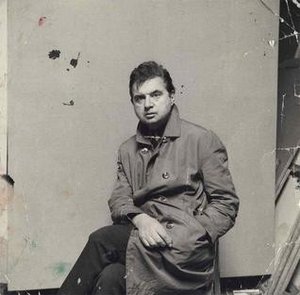
Francis Bacon
1909 - 1992 , Irska
Hitri podatki
- Datum Rojstva: 1909-10-28
- Datum Smrti: 1992-04-28
- Kraj Rojstva: Dublin, Irska
- Nacionalnost: Irsko-britanska
- Pod Vplivom: ['Post-vojni ekspresionizem']
- Polno Ime: Francis Bacon
- Umetniški Slog: Ekspresionizem
- Vplivneži:
- Pablo Picasso
- Egon Schiele
- Znani Dela:
- Tri študije...
- Papeška serija
- Portret Georgea Dyera
Sorodni članki

Surrealist Expressionism: A Definitive Guide to the Intersection of Dream Logic and Raw Emotion
Explore the profound history of Surrealist Expressionism. Discover how artists blended dream logic with raw emotion to navigate post-war trauma through masterful, evocative imagery and psychological depth.
Francis Bacon: 25 Mojstrovskih Del za Ljubitelje Umetnosti | OriginalUniqueArt
Odkrijte 25 mojstrovskih del Francis Bacona – portretov, triptihov in ekspresionističnih slik. Preberite zgodbe za vsako umetnino in navdihnite se za dekoracijo doma z OriginalUniqueArt.com! Raziskajte celotno zbirko online.

Surrealist Expressionism: A Visual Journey Through Dream Logic and Raw Emotion
Dive into the visceral world of Surrealist Expressionism. Explore how dream logic meets raw emotion through a visual journey of iconic techniques, post-war history, and bold aesthetics to transform your modern space with high-impact, unforgettable art.

Crimson Threads of Narrative: Exploring Symbolism & Representation in Artworks Featuring the Red Dress
Explore the rich symbolism of the red dress in art history! From ancient power displays to iconic portraits like Cézanne’s 'Madame Cezanne', discover the cultural and artistic significance behind this captivating color. Expert analysis & insights.
Beyond Reality: The Dreamlike Power of Surrealist Expressionism and the Subconscious Mind
Explore the profound depths of Surrealist Expressionism. Discover how masters like Dalí used dream logic and subconscious imagery to redefine reality through emotionally resonant, museum-quality art.


