Preklop na tiskanine
 Preberi več







































 Za umetniška dela ali reprodukcije, ki so po katerikoli strani širše od 105 cm (približno 41 palč), bo okvir poslan v razstavljeni obliki kot komplet. Ta metoda zagotavlja varno dostavo in preprečuje poškodbe med transportom.


A Portrait of Isolation: Examining Francis Bacon’s “Triptych, Left”
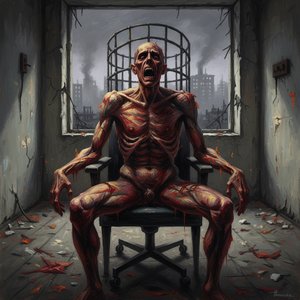
Francis Bacon's "Triptych, Left" stands as a monumental testament to the artist’s unflinching exploration of human vulnerability and psychological torment. Completed in 1977, this unsettling masterpiece transcends mere representation; it plunges viewers into a realm of visceral emotion where form relentlessly pursues feeling. The painting depicts a solitary figure seated on a chair, positioned at an oblique angle—a deliberate compositional choice designed to heighten the sense of unease and detachment. Bacon’s signature style – characterized by jagged lines, distorted forms, and unsettling textures – is powerfully evident here, mirroring the fractured psyche he sought to convey.- Style: Expressionism – Bacon eschewed traditional academic conventions, prioritizing subjective experience over objective observation.
- Technique: Thickly applied oil paint—Bacon employed a technique known as “dragging,” where pigment is pulled across the canvas surface to create palpable ridges and grooves. This physicality underscores the painting’s emotional intensity.
- Color Palette: Dominated by muted reds, browns, and blacks – These colors contribute to the overall atmosphere of gloom and decay, reflecting themes of mortality and suffering.
Historical Context & Influences
Bacon's work emerged during the postwar period, a time marked by disillusionment and anxiety following the devastation of World War II. He drew inspiration from Surrealism and Freud’s psychoanalytic theories, particularly his concept of the unconscious mind—a preoccupation with repressed desires and anxieties that fueled Bacon’s artistic vision. The painting reflects the broader cultural mood of its era, grappling with questions of identity, trauma, and the human condition in the face of existential dread.Symbolism & Emotional Resonance
“Triptych, Left” operates on multiple symbolic levels. The seated figure embodies stillness amidst chaos—a paradoxical representation of inner turmoil. Bacon deliberately avoids depicting a recognizable face, furthering this ambiguity and inviting viewers to project their own emotions onto the canvas. The jagged lines and distorted forms serve as visual metaphors for psychological fragmentation, mirroring the fractured state of consciousness. Ultimately, the painting compels us to confront uncomfortable truths about human suffering and mortality—a visceral reminder of our shared vulnerability.Why Choose a Reproduction?
A high-quality reproduction of “Triptych, Left” allows you to experience Bacon’s masterful technique and profound emotional depth within your own home environment. OriginalUniqueArt offers meticulously crafted reproductions that faithfully capture the painting's textures and colors, bringing its unsettling beauty into focus. Invest in an artwork that speaks to the soul—a timeless piece of art history destined to inspire contemplation and provoke emotion for generations to come.Vprašanja in odgovori
Kje lahko najdem vodnik za "Triptych, left"?
Stran Informacije za učence za delo "Triptych, left" avtorja Francis Bacon ponuja datoteko z informacijami v dveh straneh, ki je pripravljena za tiskanje: sliko umetninine z identifikacijsko tabelo, časovni obroč, ki delo postavlja v obdobje umetnikovega življenja, druge umetninine tega umetnika, izmerjeno paleto barv ter citate v štirih slogih, pripravljene za kopiranje.
Kateri umetniški slog pripada "Triptych, left"?
Umetnostni smer, ki jo zastopa "Triptych, left" avtorja Francis Bacon, je Contemporary Realism. Ta klasifikacija delo uvršča med sorodne umetnike in umetniška dela.
Ali je "Triptych, left" eden najbolj priljubljenih del umetnika Francis Bacon?
Stopnja priljubljenosti za delo "Triptych, left" avtorja Francis Bacon znaša Iconic.
 Predogled v realnem okolju
 Pošlji
 Deli
Deli
 Podrobnosti o delu
 Priročnik

 Prenesi sliko
 Podobni izdelki
 Rentgenski posnetek
 Predvajaj diaporama
 Vprašanja in odgovori
 Statistika