Meni
Text size

() ·

A painting made for you, by hand

Ročno izdelana oljna reprodukcija

Ročno slikano olje na platnu v vaši izbiri velikosti in okvirja, izdelano po naročilu naših umetnikov. ( Preklop na tiskanine Preklop na digitalno sliko)

Opis zbirateljskega predmeta

Spoznajte svet Francisa Bacona z 25 ikonami. Odkrijte zgodbe teh mojstrovnin in najdite vrhunske reprodukcije za svoj dom.

Biografija umetnika

Raziščite umetnost Francis Bacon (1909-1992), znanega po izraznih figurativnih slikanjih. Njegova dela odražajo eksistencialne teme, distorzijo in močan ekspresionizem – ključna figura moderne umetnosti.

from ·

Chapter 1

How large should it be?

Slide to change the size; the wall on the left shows it at its real scale. The proportions of the original are kept.

Standardna velikost
po meri
CM
INCH

Izberite eno od naših vnaprej določenih velikosti, ki ustrezajo prvotnim proporcijam umetničkega dela.

širina
višina

Vnesite širino in višino, ki jih potrebujete, da se slika prilega vašemu okviru ali steni. Ker je delo ročno slikano, lahko umetnik pri različnih oblikih slik pri robovih doda malo več barve ali pa jih malo odreže — izberite sami. Pred začetkom slikanja vam pošljemo digitalni predogled za potrditev. Slika, prikazana na tej strani, ni končni rezultat — le predogled prikazuje dejansko podobo.

Chapter 2

How should it arrive?

Choose the edges of the stretched canvas

Choose your frame

Corner sample of the WhiteWrap canvas edge finish, stretched on masivno drevo bars
White €1
Corner sample of the BlurSideWrap canvas edge finish, stretched on masivno drevo bars
Blurside €1
Corner sample of the ExtendedWrap canvas edge finish, stretched on masivno drevo bars
Extended €1
Corner sample of the P118B picture frame: izoblit polistiren, 5 cm wide and 3 cm thick
P118B €10
Corner sample of the P118H picture frame: izoblit polistiren, 5 cm wide and 3 cm thick
P118H €10
Corner sample of the P118W picture frame: izoblit polistiren, 5 cm wide and 3 cm thick
P118W €10
Corner sample of the P438Z picture frame: izoblit polistiren, 5.5 cm wide and 3.5 cm thick
P438Z €10
Corner sample of the P508JH picture frame: izoblit polistiren, 7 cm wide and 3.5 cm thick
P508JH €12
Corner sample of the P508YH picture frame: izoblit polistiren, 7 cm wide and 3.5 cm thick
P508YH €12
Corner sample of the P805H picture frame: izoblit polistiren, 5 cm wide and 3.5 cm thick
P805H €10
Corner sample of the P805Z picture frame: izoblit polistiren, 5 cm wide and 3.5 cm thick
P805Z €10
Corner sample of the P919BZ picture frame: izoblit polistiren, 7 cm wide and 3.5 cm thick
P919BZ €10
Corner sample of the P919G picture frame: izoblit polistiren, 7 cm wide and 3.5 cm thick
P919G €10
Corner sample of the P919XJ picture frame: izoblit polistiren, 7 cm wide and 3.5 cm thick
P919XJ €10
Corner sample of the P959ZH picture frame: izoblit polistiren, 5 cm wide and 3 cm thick
P959ZH €10
Corner sample of the P968JZ picture frame: izoblit polistiren, 6 cm wide and 4 cm thick
P968JZ €12
Corner sample of the W106C picture frame: masivno drevo, 5 cm wide and 3 cm thick
W106C €8
Corner sample of the W218G picture frame: masivno drevo, 5 cm wide and 3 cm thick
W218G €10
Corner sample of the W218JH picture frame: masivno drevo, 5 cm wide and 3 cm thick
W218JH €8
Corner sample of the W218Y picture frame: masivno drevo, 5 cm wide and 3 cm thick
W218Y €10
Corner sample of the W307PJ picture frame: masivno drevo, 6 cm wide and 3 cm thick
W307PJ €10
Corner sample of the W316G picture frame: masivno drevo, 6 cm wide and 3 cm thick
W316G €10
Corner sample of the W316PJ picture frame: masivno drevo, 6 cm wide and 3 cm thick
W316PJ €8
Corner sample of the W316Y picture frame: masivno drevo, 6 cm wide and 3 cm thick
W316Y €10
Corner sample of the W398PJ picture frame: masivno drevo, 5 cm wide and 3 cm thick
W398PJ €8
Corner sample of the W4111J picture frame: masivno drevo, 6.5 cm wide and 3.5 cm thick
W4111J €10
Corner sample of the W500HY picture frame: masivno drevo, 7 cm wide and 5 cm thick
W500HY €15
Corner sample of the W500JH picture frame: masivno drevo, 7 cm wide and 5 cm thick
W500JH €15
Corner sample of the W692G picture frame: masivno drevo, 8 cm wide and 4 cm thick
W692G €12
Corner sample of the W849H picture frame: masivno drevo, 5 cm wide and 3 cm thick
W849H €8
Corner sample of the W940BG picture frame: masivno drevo, 7.5 cm wide and 4.5 cm thick
W940BG €15
Corner sample of the W953PJ picture frame: masivno drevo, 6 cm wide and 3.5 cm thick
W953PJ €8
Corner sample of the H24-GOLD picture frame: gravirano leseno okvopje z gessoem, 10 cm wide and 6 cm thick
H24-GOLD €30
Corner sample of the H24-SILVER picture frame: gravirano leseno okvopje z gessoem, 10 cm wide and 6 cm thick
H24-SILVER €30
Corner sample of the H36-GOLD picture frame: gravirano leseno okvopje z gessoem, 15 cm wide and 6.5 cm thick
H36-GOLD €45
Corner sample of the H36-SILVER picture frame: gravirano leseno okvopje z gessoem, 15 cm wide and 6.5 cm thick
H36-SILVER €45
Predogled okvirja
V okviru

Moulding: . Overall size with the frame: .

Chapter 3

Who paints it, and should anything change?

Examples of what can be changed: Replace face with customer photo; Add pet (e.g., replace cat with dog); Include hidden message in background; Change background landscape or elements.
After order, OriginalUniqueArt.com team will email client for instructions and provide a mockup preview

Mednarodna dostava () v 3/4 tednih namesto običajnih 5 tednov. (29 oktober). Brez kompromisov pri kakovosti.

Chapter 4

The finishing touches

A nameplate, as in a museum?

Podrobnosti o gravirani bronasti plošči

This elegant plaque features the artist's name and the title of the artwork, finely engraved for a timeless presentation.

It is made from bronze with a refined, elegant finish. The text is precisely laser-engraved for a sharp and permanent result. Measuring 9x2 cm, the plaque is compact yet easy to read. It's built to be durable and scratch-resistant, offering a professional, museum-quality look. Mounting is simple thanks to the included adhesive backing.

Podrobnosti o transparentni akrilni plošči

The plaque includes essential engraved details such as the artist's name, the title of the artwork, the date it was created, the type of media used-like oil on canvas or watercolor-a brief description of the piece, and a QR code that links to the complete artwork information.

It is crafted from clear acrylic, offering a sleek, modern appearance. The text is UV-engraved in black to ensure strong visual contrast. With a size of 10x15 cm, it ensures optimal readability. It comes equipped with two metal hooks for secure wall mounting. The plaque is designed to be weather-resistant, making it suitable for various environments, and it includes interactive features that work seamlessly with smartphone scanning.

Podrobnosti o črni akrilni plošči

This elegant plaque includes engraved information such as the artist's name, the title of the artwork, the date it was created, the type of media used (like oil on canvas or watercolor), a short description of the artwork, and a QR code for quick access to more information.

The plaque itself is made from refined black acrylic with a premium finish. The text is laser-engraved in white for high contrast and readability. Its size is 10x15 cm, designed to be easy to read. It comes with two metal hooks for professional mounting. The design is sleek and fits any interior style. It is also weather-resistant and durable, with built-in digital integration for mobile compatibility.

A protective varnish?

When do you need it?

Chapter 5

Your painting, as you ordered it

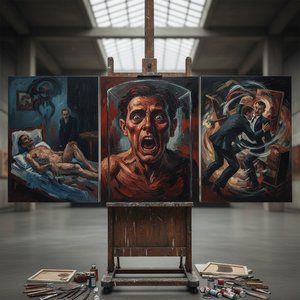
triptih, maj - junij, 1973 b

Tehnik reprodukcije

Velikost reprodukcije

-

Izbor vrhunskih umetnikov

Več podrobnosti, dovršenosti in dodatnega časa za izdelavo

-

Okvir za reprodukcijo

-

-

Za umetniška dela ali reprodukcije, ki so po katerikoli strani širše od 105 cm (približno 41 palč), bo okvir poslan v razstavljeni obliki kot komplet. Ta metoda zagotavlja varno dostavo in preprečuje poškodbe med transportom.

Potrebna je profesionalna montaža – to ni izdelek za DIY izdelavo.
Komplet mora sestaviti in platno napeti izkušen profesionalni okvirjest, pri čemer bo uporabil lepil za les (ni vključeno), klešče za napetje platna in spone, da bi ohranil pravokotnost letev med sušenjem lepila. Nepravilna montaža ali neenakomerna napetost platna lahko trajno poškoduje umetniško del in ni pokrita z našo garancijo.

  • Vključene so vse letve iz masivnega lesa, natančno izrezane po meri.

  • Montaža poteka s priloženimi vijaki, vendar je za kotiče potrebna lepil za les, ki ga ni v kompletu in ga mora zagotoviti vaš okvirnik.

  • Za uporabo so potrebna profesionalna orodja, ki niso vključena: klešče za napinjanje platna (napetnik) in sponke za ohranjanje pravokotnosti letev med sušenjem lepila.

Pomembno:
Za stike v kotih potrebujete lepil za les, nosilce je treba z spenjačami držati, dokler se lepil popolnoma ne suši, za zategovanje platna na sestavljenem okvirju pa potrebujete spenjače za platno. Noben od teh pripomočkov ni vključen v komplet. Pred naročilom te velikosti, prosimo, poskrbite za izkušenega profesionalnega okvirja.

Značka z imenom

-

-

Zaščitni lak

Sijajni lak (poudarja barve ter zagotavlja zaščito pred svetlobo in vlago)

-

Prilagodi svoje umetniško delo

Primeri možnih prilagoditev: zamenjava obraza s fotografijo kupca; dodajanje hišnega ljubljenčka (npr. zamenjava mačke s psom); vključitev skritega sporočila v ozadje; sprememba krajšave ali elementov ozadja.

-

Hitra dostava

Mednarodna dostava () v 3/4 tednih namesto običajnih 5 tednov. (29 oktober). Brez kompromisov pri kakovosti.

-

Hitra dostava

Globalna dostava () v 5 tednih. (5 november).

Vključeno v ceno

Skupna cena

€ 264

Skupna cena € 264

Možnost stekla je na voljo le za velikosti pod 110 cm

Included with every order

  • Brezplačna ekspresna dostava po vsem svetu
  • Visokokakovostno laneno platno
  • Popolno zavarovanje pošiljke
  • Garancija povračila carine in uvoznih davkov
  • Garancija popolnega barvnega ujemanja
  • 100-dnevna politika vračil (le v primeru okvar)
  • Garancija 100% povračila denarja
  • Popust pri večjem naročilu

A Vision of Grief and Isolation: Examining Francis Bacon’s ‘Triptych, May-June 1973’

Francis Bacon's 'Triptych, May-June 1973,' housed in the Tate Modern collection, stands as a monumental testament to the artist’s unflinching exploration of human emotion—specifically grief and isolation. Completed in 1973, shortly after Jessie Lightfoot’s death, it represents arguably Bacon's most emotionally resonant work, capturing a profound sense of despair within its unsettling visual language. The triptych is comprised of three canvases joined horizontally, each depicting a figure contorted in agony—a man with his head bowed downwards, a woman with her torso turned away from the viewer, and a shadowy form seemingly emerging from a doorway. These figures are rendered in thick, viscous oil paint, employing Bacon’s signature technique of layering brushstrokes to create an almost sculptural surface texture. The palette is dominated by deep reds—particularly crimson—which pulsate with visceral energy and symbolize blood, pain, and vulnerability.
  • Style: Expressionist – Bacon eschewed representational accuracy in favor of conveying subjective experience, prioritizing emotional intensity over visual realism.
  • Technique: Thick Impasto – Bacon’s masterful use of impasto—applying paint thickly onto the canvas—creates a palpable physicality that mirrors the psychological torment depicted within the artwork. The textured surface invites contemplation and emphasizes the artist's deliberate manipulation of materiality.
The historical context surrounding ‘Triptych, May-June 1973’ is inextricably linked to Bacon’s personal life—particularly his profound sorrow over the loss of Jessie Lightfoot, who had been a steadfast companion and muse for decades. Lightfoot's death served as a catalyst for Bacon’s artistic outpouring, prompting him to confront themes of mortality and bereavement with unparalleled honesty. The figures in the triptych are not merely representations of suffering; they embody it—their postures convey helplessness and despair, while their averted gazes suggest an unwillingness to engage with the world outside.
  • Symbolism: The Red Walls – Bacon’s use of red walls symbolizes confinement and repression, mirroring the psychological imprisonment experienced by the figures within the canvases.
  • Doorways: Recurring doorways represent transitions—both physical and metaphorical—suggesting a yearning for escape from pain and isolation but ultimately highlighting the inescapable reality of suffering.
Ultimately, ‘Triptych, May-June 1973’ transcends mere depiction; it achieves an emotional impact that lingers long after viewing. Bacon compels us to confront uncomfortable truths about human existence—the inevitability of loss, the fragility of identity, and the pervasive presence of pain. It remains a powerfully evocative masterpiece, demonstrating Bacon's unparalleled ability to translate psychological anguish into visual form—a feat that continues to inspire artists and captivate audiences worldwide. Its unsettling beauty resides precisely in its refusal to offer solace or comfort, instead demanding an acknowledgement of the darker recesses of human consciousness.

Exploring the Visceral Landscape: Bacon’s Influence on Modern Art

Francis Bacon's groundbreaking approach to painting—characterized by his rejection of traditional conventions and his unwavering commitment to emotional expression—established him as a pivotal figure in the development of modern art. Prior to Bacon, artists largely adhered to academic standards of representation, prioritizing accuracy over feeling; Bacon decisively shattered these boundaries, ushering in an era where subjective experience reigned supreme. His influence extends far beyond his own canvases, shaping the artistic sensibilities of subsequent generations and inspiring countless artists to embrace experimentation and vulnerability.
  • Key Innovations: Bacon’s technique of layering impasto—creating textured surfaces through thick applications of paint—challenged established methods and paved the way for new approaches to materiality.
  • Conceptual Shift: He fundamentally altered artistic thinking by prioritizing psychological exploration over visual realism, demonstrating that art could convey profound emotion without resorting to literal depiction.
Bacon’s preoccupation with themes of violence, death, and trauma—subjects considered taboo during his time—further distinguished him from his contemporaries. However, he approached these subjects not with sensationalism but with meticulous observation and unflinching honesty—a characteristic that cemented his reputation as a courageous artist who dared to confront uncomfortable realities. His work continues to provoke debate and contemplation, prompting viewers to grapple with existential questions about human nature and the complexities of emotion.

The Legacy of Isolation: Bacon’s Enduring Relevance Today

Despite being created over fifty years ago, ‘Triptych, May-June 1973,’ and Bacon's broader artistic vision retain an astonishing degree of relevance in contemporary art discourse. The themes explored within the triptych—grief, isolation, vulnerability—remain profoundly resonant with audiences grappling with anxieties about identity, connection, and mortality in an increasingly fragmented world. Bacon’s uncompromising honesty—his refusal to sugarcoat difficult truths—continues to inspire artists who strive for authenticity and emotional depth.
  • Contemporary Resonance: The exploration of psychological trauma and the depiction of distorted figures speaks directly to anxieties prevalent in contemporary society regarding mental health and societal pressures.
  • Artistic Inspiration: Bacon’s influence can be seen in the work of numerous artists who embrace experimentation, challenge conventions, and prioritize emotional expression—demonstrating the enduring power of his artistic legacy.
Furthermore, Bacon's insistence on confronting uncomfortable realities serves as a crucial reminder that art has the capacity to illuminate hidden dimensions of human experience—to provoke introspection and foster empathy. His work compels us to acknowledge the darker aspects of our inner lives while simultaneously celebrating the beauty and complexity of human emotion—a message that remains powerfully pertinent in an era characterized by both profound interconnectedness and pervasive loneliness.

A Masterpiece Revisited: Examining Bacon’s Technique Through Time

Analyzing Bacon's technique reveals a remarkable consistency across his oeuvre—a dedication to layering impasto, manipulating color palettes, and employing symbolic imagery that transcends stylistic trends. The meticulous attention to detail—the painstaking creation of textured surfaces and the deliberate positioning of figures within complex compositions—underscores Bacon’s unwavering commitment to artistic excellence. Studying ‘Triptych, May-June 1973,’ alongside his other seminal works—such as ‘Three Studies After Lucian Freud’—provides invaluable insight into the artist's stylistic evolution and reveals recurring motifs that define his distinctive visual language.
  • Recurring Motifs: The use of distorted figures, fragmented landscapes, and symbolic doorways—elements found throughout Bacon’s paintings—demonstrates a deliberate artistic strategy aimed at conveying psychological anguish.
  • Influence on Subsequent Artists: Bacon's technique has served as inspiration for countless artists who strive to achieve textural richness and emotional intensity—solidifying his position as a foundational figure in modern art history.
Ultimately, Bacon’s artistic legacy rests upon his unwavering conviction that art should confront uncomfortable truths—to challenge conventional perceptions of beauty and to provoke profound contemplation. ‘Triptych, May-June 1973,’ stands as a testament to this enduring vision—a masterpiece whose unsettling power continues to resonate with audiences today.

Where to Find Authentic Reproductions: Bringing Bacon’s Vision Home

Collectors and interior designers seeking to experience the visceral beauty of Francis Bacon's art can find high-quality reproductions at reputable art dealers and online platforms like OriginalUniqueArt.com. Selecting a museum-grade print—produced using archival inks on premium canvas—ensures that the artwork retains its vibrancy and integrity for generations to come. Consider framing options that complement the painting’s mood—dark wood frames enhance the dramatic atmosphere of ‘Triptych, May-June 1973,’ while lighter tones offer a subtle contrast to the intense reds and textures of the canvas. Explore OriginalUniqueArt.com's extensive collection for stunning prints and canvases – discover the transformative power of Bacon’s art in your home!

Vprašanja in odgovori

Za kakšno vrsto umetniškega dela velja "triptih, maj - junij, 1973 b" avtorja Francis Bacon?

V katalogu je delo "triptih, maj - junij, 1973 b" avtorja Francis Bacon razvrščeno kot Stenska umetnost. Ta kategorija omogoča iskanje podobnih del.

Ali je "triptih, maj - junij, 1973 b" avtorja Francis Bacon svetlo ali temno umetniško delo?

Zabeležene vrednosti za "triptih, maj - junij, 1973 b" avtorja Francis Bacon so: svetlina globoke sence, luminanca Mehak senčni del.

Ali je "triptih, maj - junij, 1973 b" tipično za dela, ki jih je Francis Bacon običajno ustvarjal?

Med zastavljenimi temami umetnika Francis Bacon – ki jih zastopajo psihološki groza, odmevi surrealizma, eksistencialna anksioznost, refleksija traume, baconovo dediščino – prinaša "triptih, maj - junij, 1973 b" lastno pozornost na bolečina, žalost, izolacija, temenina, trauma, anatomija, simbolika.

In numbers

  • 29frames to choose from
  • standard sizes, in its own proportions
  • 5weeks to paint and deliver it

About the original

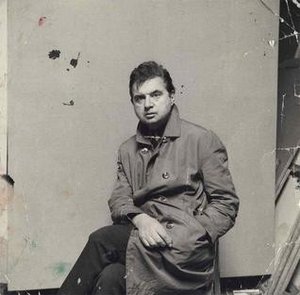
Francis Bacon

Francis Bacon

1909 - 1992, Irska

Hitri podatki

  • Datum Rojstva: 1909-10-28
  • Datum Smrti: 1992-04-28
  • Kraj Rojstva: Dublin, Irska
  • Nacionalnost: Irsko-britanska
  • Pod Vplivom: ['Post-vojni ekspresionizem']
  • Polno Ime: Francis Bacon
  • Umetniški Slog: Ekspresionizem
  • Vplivneži:
    • Pablo Picasso
    • Egon Schiele
  • Znani Dela:
    • Tri študije...
    • Papeška serija
    • Portret Georgea Dyera

Biografija umetnika

Življenjepis Francis Bacon: Izrazi bolečine in eksistencialne anksioznosti

Francis Bacon, eden najpomembnejših slikarjev 20. stoletja, je bil rojen leta 1909 v Dublinu, a njegovo umetniško potovanje se je razvijalo predvsem v Angliji. Že zgodnje otroštvo, zaznamovano s selitvami zaradi materine bolezni in kompleksnim odnosom z očetom ter varuško Jessie Lightfoot, je oblikovalo njegov občutek odtujenosti in ga usmerilo k raziskovanju temnih strani človeške narave. Preden se je posvetil slikanju v poznih dvajsetih letih, je Bacon preizkušal različne poklice, med drugim tudi dirkanje s konji in hazardiranje, kar je morda prispevalo k njegovi izjemni intenzivnosti in naglosti pri ustvarjanju. Njegova umetniška pot ni bila formalno usmerjena; samouk, ki je črpal navdih iz različnih virov, je razvil edinstven vizualni jezik, poln grozljivih pod slikami in eksistencialne anksioznosti.

Vplivi in začetki umetniškega izraza

Baconovo ustvarjanje ni nastalo čez noč, temveč se je postopoma oblikovalo skozi različne vplive. Picasso, zlasti njegove zgodnje kubistične figure, mu je odprl vrata k svobodi pred tradicionalnim prikazovanjem. Egon Schiele in njegova izrazita deformacija človeške oblike so resonirali z Baconovo rastočo fascinacijo za krhkost in ranljivost bivanja. Ključni trenutek v njegovem umetniškem razvoju je bila izkušnja s filmom *Boj na ladji Potemkin* Sergeja Eisensteina, kjer ga je pretresla bližina človeške stiske, predvsem prizor jokačevega obraza. Ta slika se je ponavljala v njegovem delu kot simbol prvotnega terorja in globin človeških trpljenj. Ne smemo pozabiti tudi na vpliv stare mojstre, zlasti Diega Velazqueza, katerega *Portret papeža Inocenta X* je Bacon večkrat reinterpretiral, spreminjajoč avtoritativno podobo papeža v prizadejo za eksistencialni strah. Ti vplivi niso bili le posnemovanja stilov; temveč so bili preoblikovani skozi Baconovo osebno občutljivost in ustvarili umetniško vizijo, ki je bila hkrati globoko intimna in univerzalno relevantna.

Razvijanje značilnega sloga: Deformacija in izoliranost

Baconov preboj je prišel leta 1944 z delom *Tri študije za figure na dnu križanja*, ki je šokiral in očaral občinstvo v povojni London. Ta triptih je predstavil njegov značilen slog – deformirane, razdrobljene figure, izolirane v klaustrofobičnih prostorih. Niso bile to prikaze verske mučeništva, temveč visceralne raziskave človeške stiske, brez vsakršne pomirjajoče zgodbe ali duhovne utehe. Njegove slike pogosto prikazujejo zamegljene ali raztopljene oblike, ki izražajo psihološko turbulenco in fizično ranljivost. Pogosto je uporabljal geometrijske strukture – kletke, škatle – da zapre svoje subjekte, poudarja pa njihovo izolacijo in nemoč. Baconova paleta je bila običajno umirjena in temna, odsev temačnih tem, ki jih je raziskoval, a poplana z izbruhi intenzivne barve, ki so okrepile čustveni vpliv. Uporaba teh kletk ni bila le kompozicijski pripomoček; simbolizirala je inherentne omejitve in omejitve, ki jih nalaga človeško obstojanje. Želel je ujeti ne samo *kaj* stvari izgledajo, temveč tudi *kakšne so*, pretvoriti notranje stanja tesnobe, strahu in obupa na platno z brutalno iskrenostjo.

Tematski krog: Smrtnost, bolečina in človeška usoda

V svoji plodni karieri se je Bacon večkrat vračal k določenim motivom: križanje kot simbol trpljenja; portreti, ki so raziskovali psihološko intenzivnost njegovih subjektov, pogosto prijateljev in ljubljencev, kot je George Dyer; ter avtoportreti, ki so služili kot introspektivne raziskave identitete in smrtnosti. Njegova *Študija po Velazquezu: Portret papeža Inocenta X* (1953) je morda eno njegovih najbolj ikoničnih dosežkov, kjer je pretvoril Velazquezov dostojanstven portret v jokačo podobo, ki uteleša eksistencialni strah. Portreti Georgea Dyera, njegovega nestabilnega ljubimca, so posebej ganljivi, saj zajamejo tako intenzivnost njihove povezanosti kot tudi sence tragedije. Baconovo delo ni šlo za prikazovanje specifičnih posameznikov; temveč je šlo za raziskovanje univerzalnih tem človeške ranljivosti, izolacije in neizogibnosti smrti. Ni se izmikal temnejšim vidikom obstoja, temveč se jih je odločno soočil, prisiljeval gledalce, da se soočijo s svojo lastno smrtnostjo in anksioznostjo.

Trajna zapuščina: Izpodbijanje konvencij

Vpliv Francis Bacon na umetnost 20. stoletja je neizogiben. Je izpodbijal tradicionalne pojme reprezentacije, zavrnil idealizirano lepoto v korist surovega in neusmiljenega prikaza človeške narave. Njegovo delo je globoko vplivalo na generacije umetnikov, odpiralo nove oblike izraza in izzvalo konvencionalne umetniške meje.
  • Povojna ekspresionizem: Bacon velja za ključno figuro tega gibanja, ki je s svojim krepkim stilom in psihološko globino vplival na umetnike.
  • Rekordi dražb in muzejske razstave: Njegova dela še vedno dosegajo visoke cene na dražbah in so razstavljena v glavnih muzejih po vsem svetu, kar utrjuje njegovo mesto v zgodovini umetnosti.
  • Konfrontacija s resnicami: Baconova zapuščina leži v njegovi sposobnosti, soočiti se z neprijetnimi resnicami o človeškem obstoju in te izkušnje pretvoriti v močne in nepozabne slike.
Kljub turbulentnemu osebnemu življenju, zaznamovanemu s hazardiranjem, pitjem in zapletenimi odnosi, je ostal predan svoji umetnosti do smrti leta 1992. Za seboj je pustil delo, ki še danes resonira z občinstvom, opominja pa nas na krhkost obstoja in trajno moč umetnosti, da sproži, pretresa in nazadnje osvetli kompleksnost človeškega bivanja. Njegove slike niso le slike; so visceralne izkušnje – priča trajnemu učinku umetnosti, ki nas spodbudi, moti in končno razsvetljuje zapletenosti tega, kar pomeni biti človek.

Ključni podatki

  • Subject or theme: Žal; Izguba; Izolacija
  • Notable elements or techniques: Visceralna portretiranje; Dramatična osvetlitev; Simbolične vratnice
  • Location: Zasebna kolekcija
  • Medium: Olje na platnu
  • Year: 1973

Umetniški kviz

Pri vsakem vprašanju je na voljo le eden pravilen odgovor.

Vprašanje 1:
Katera je prevladujoča čustva, ki jih izražajo Baconovi “Triptih, maj - junij, 197 2 b”?
Vprašanje 2:
Opis slike izpostavlja pomembno značilnost slike – kaj je to?
Vprašanje 3:
Katera umetniška tehnika je najbolj očitna v Baconovem delu “Triptih, maj - junij, 1973 b”?
Vprašanje 4:
V katerem obdobju je to umetniško del nastalo?
Vprašanje 5:
Kakšen je simbolni pomen rdečega stena v delu “Triptih, maj - junij, 1973 b”?

More about this painting

Predogled v realnem okolju Predogled v AR Preklop na tiskanine Preklop na digitalno sliko Pošlji
Podrobnosti o delu Priročnik Dodaj v priljubljene Prenesi sliko Podobni izdelki Rentgenski posnetek Predvajaj diaporama Q&A Statistika