

 Preverite v realnem okolju
 Pošlji kot čestitko
 Deli
Deli
 Podrobnosti
 Priročnik

 Prenesi
 Podobni artefakti
 Rentgenski posnetek
 Predvajaj diaporama
 Statistika
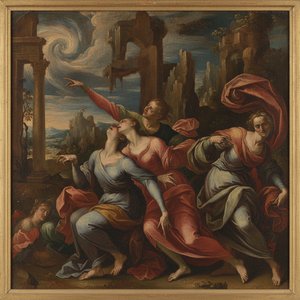
Mitološka scena
 Akril na platnu
- Stenska umetnost
- Baroque Mannerism
 1650
1650 130.0 x 161.0 cm
 Gallerie dell'Accademia
 Preberi več
Ročno izdelana oljna reprodukcija
Ročno slikano olje na platnu v vaši izbiri velikosti in okvirja, izdelano po naročilu naših umetnikov. ( Preklop na tiskanine Preklop na digitalno sliko)




P118B €10

P118H €10

P118W €10

P438Z €10

P508JH €12

P508YH €12

P805H €10

P805Z €10

P919BZ €10

P919G €10

P919XJ €10

P959ZH €10

P968JZ €12

W106C €8

W218G €10

W218JH €8

W218Y €10

W307PJ €10

W316G €10

W316PJ €8

W316Y €10

W398PJ €8

W4111J €10

W500HY €15

W500JH €15

W692G €12

W849H €8

W940BG €15

W953PJ €8




Izberite eno od naših vnaprej določenih velikosti, ki ustrezajo prvotnim proporcijam umetničkega dela.

Vnesite širino in višino, ki jih potrebujete, da se slika prilega vašemu okviru ali steni. Ker je delo ročno slikano, lahko umetnik pri različnih oblikih slik pri robovih doda malo več barve ali pa jih malo odreže — izberite sami. Pred začetkom slikanja vam pošljemo digitalni predogled za potrditev. Slika, prikazana na tej strani, ni končni rezultat — le predogled prikazuje dejansko podobo.
Po oddaji naročila bo ekipa OriginalUniqueArt.com stranki po e-pošti poslala navodila in predogled digitalnega predogleda.
Mednarodna dostava () v 3/4 tednih namesto običajnih 5 tednov. (25 oktober). Brez kompromisov pri kakovosti.

Brezplačna ekspresna dostava po vsem svetu

Visokokakovostno laneno platno

Popolno zavarovanje pošiljke

Garancija povračila carine in uvoznih davkov

Garancija popolnega barvnega ujemanja

Politika vračila v 100 dneh (le v primeru okvar)

Garancija 100% povračila denarja

Popust pri večjem naročilu
 Možnost stekla je na voljo le za velikosti pod 110 cm

Mitološka scena
Tehnika reprodukcije
Velikost reprodukcije
-


Skupna cena
€ 263
Francesco Maffei: Mythological Reverie – A Window into Baroque Sensibility
Francesco Maffei, born in Vicenza around 1605 and passing away in Florence in 1660, represents a fascinating convergence of artistic influences within the Baroque period. His oeuvre transcends mere visual representation; it embodies a profound engagement with humanist ideals and theological contemplation—characteristics that define the spirit of his time. Stradanus’s journey as an artist began amidst the Flemish workshop tradition, nurtured by Pieter Aertsen's guidance in Antwerp, establishing him as a cornerstone of Northern Renaissance aesthetics. This formative experience instilled within him a meticulous approach to composition and execution, shaping his distinctive artistic vision.- Subject Matter: The painting delves into the realm of mythology, depicting a serene tableau featuring a woman nestled upon a bed, attended by two men. This narrative choice speaks volumes about the Baroque fascination with classical themes—particularly those exploring human emotion and spiritual contemplation.
- Style: Maffei’s style aligns squarely with Mannerism, characterized by elongated figures, stylized poses, and an emphasis on dramatic lighting – techniques designed to heighten emotional impact and convey a sense of unease or psychological complexity. Unlike the idealized forms prevalent in earlier Renaissance art, Stradanus deliberately disrupts conventional proportions, creating visual tension that compels the viewer’s gaze.
Technique: Nervous Brushstrokes and Delicate Color Palette
Maffei's masterful technique is immediately discernible through his characteristic “nervous brushstrokes.” These visible marks of artistic effort aren’t merely accidental; they serve as a deliberate stylistic choice, reflecting the Baroque preoccupation with conveying inner turmoil and capturing fleeting expressions. The artist skillfully employs a muted color palette—primarily reds—creating an atmosphere of opulent warmth tempered by subtle shades that contribute to the painting's contemplative mood. Detailed observation reveals meticulous layering of pigments, demonstrating Stradanus’s dedication to achieving photorealistic effects despite stylistic conventions.- Historical Context: Created circa 1650, this artwork emerges from a period marked by significant religious and intellectual upheaval—the Counter Reformation. Baroque art served as a powerful tool for reaffirming Catholic dogma and inspiring piety, mirroring the fervent spiritual fervor of the era.
- Symbolism: The inclusion of two books symbolizes erudition and moral contemplation – values highly esteemed during the Renaissance and Baroque periods. Furthermore, the red curtains evoke associations with royalty and divine grace, reinforcing the painting’s overarching theme of aristocratic refinement and spiritual devotion.
Emotional Resonance: Intimacy and Contemplative Beauty
Ultimately, “Mythological Scene” transcends mere visual representation; it aspires to elicit an emotional response from the viewer. The depiction of quiet intimacy—the woman’s reposeful posture and the men's attentive gaze—captures a moment of profound connection between individuals. Stradanus skillfully utilizes chiaroscuro – dramatic contrasts between light and dark – to sculpt form and heighten visual drama, drawing the eye inward and fostering contemplation. This artwork remains an enduring testament to Baroque artistry’s ability to convey complex psychological states and evoke feelings of serenity and wonder.A reproduction of this captivating masterpiece offers a unique opportunity to bring Baroque elegance into any interior space—a tangible connection to a period defined by artistic innovation and spiritual introspection. Explore the exquisite detail and nuanced color palette at OriginalUniqueArt.com.
Vprašanja in odgovori
S kakšnimi aliznami ali alternativnimi imeni je znan/a Francesco Maffei?
Drugi imeni, ki so zabeležena za ustvarjalca dela "Mitološka scena", imenovanega Francesco Maffei, vključujejo Jan van der Straet, Giovanni Stradano.
Kje se "Mitološka scena" uvršča med ponavljajoče se teme v delih umetnika Francesco Maffei?
Med zabeleženimi temami umetnika Francesco Maffei – ki jih zastopajo flemish renaissance tradition, religious narrative symbolism, medici patronage influence, elegant composition style, psychological depth expression – prinaša "Mitološka scena" lastno pozornost na mythology, renaissance, female figure, allegory, bed scene, conversation, ring gesture.
Kdaj je "Mitološka scena" pripisano kateremu umetniku?
"Mitološka scena" pripisujemo Francesco Maffei.
Biografija umetnika
Johannes Stradanus: A Florentine Master of the Sixteenth Century
Born in Bruges around 1523 and passing away in Florence in 1605, Johannes Stradanus – also known as Jan van der Straet or Giovanni Stradano – stands as a pivotal figure bridging the artistic currents of the Northern Renaissance with the burgeoning dynamism of Italian Mannerism. His life was one of constant movement, a testament to his ambition and intellectual curiosity, ultimately establishing him as a remarkably versatile artist active across Flanders, Italy, and beyond. Stradanus wasn’t merely a painter; he was a designer, printmaker, tapestry weaver, and even a decorator for the Medici court – a true polymath whose influence resonated throughout Europe.
Stradanus's early training occurred within the workshop of his father, a Flemish painter, followed by studies with Pieter Aertsen in Antwerp. This exposure to the established artistic traditions of Flanders instilled in him a solid foundation in composition and technique. However, it was his relocation to Florence that truly ignited his creative spirit and propelled him towards a distinctly Mannerist style. The vibrant atmosphere of the Florentine art scene, coupled with his encounters with leading artists like Rosso Fiorentino and Pontormo, profoundly shaped his artistic vision. He embraced the Italian penchant for elongated figures, complex spatial arrangements, and an emphasis on emotional expression – characteristics that distinguished him from the more restrained Northern Renaissance aesthetic.
A Court Artist and Designer of Grandeur
Stradanus quickly established himself as a sought-after artist within the Florentine court. His talent was recognized by the Medici family, who commissioned him for numerous projects, including elaborate altarpieces for prominent churches like Santa Felicita and San Lorenzo. These monumental works showcased his mastery of fresco painting, employing intricate designs and dramatic narratives to convey religious themes. Beyond painting, Stradanus’s skills extended to tapestry design – a highly valued profession at the time – creating opulent fabrics adorned with mythological scenes and allegorical representations for the Medici palace. His ability to seamlessly blend these diverse artistic disciplines cemented his position as a leading figure in Florentine courtly culture.
His influence wasn't limited to Florence; Stradanus traveled extensively, working on commissions throughout Italy, including Rome and Naples. He became involved with the Accademia e Compagnia delle Arti del Disegno, one of the earliest artistic academies established in Florence, reflecting his commitment to professionalizing art practice. He also played a crucial role in the development of printmaking, collaborating with engravers and publishers to disseminate his designs across Europe. His innovative approach to combining engraving and etching on a single plate became increasingly popular, contributing significantly to the spread of Mannerist imagery.
Style and Technique: A Synthesis of Influences
Stradanus’s artistic style is characterized by a sophisticated synthesis of Northern and Italian influences. He retained elements of Flemish realism – particularly in his rendering of figures and details – while embracing the dynamism, elegance, and psychological depth associated with Mannerism. His compositions are often complex and layered, featuring elongated figures, dramatic gestures, and intricate decorative patterns. He skillfully employed color to create a sense of atmosphere and emotional intensity, utilizing subtle gradations and contrasting hues to heighten visual impact.
His printmaking was equally innovative. Stradanus’s engravings were renowned for their precision, detail, and expressive quality. He demonstrated a remarkable ability to capture the nuances of human emotion and movement in his prints, often drawing inspiration from classical mythology and religious subjects. He wasn't simply reproducing existing images; he was actively shaping artistic trends through his designs.
Legacy and Historical Significance
Johannes Stradanus’s legacy extends far beyond his individual works. He served as a crucial bridge between the Northern and Southern Renaissance, facilitating the exchange of ideas and techniques across Europe. His versatility as an artist – encompassing painting, tapestry design, printmaking, and decorative arts – exemplifies the interconnectedness of artistic practices during the 16th century. Stradanus’s contributions to the development of Mannerism and printmaking are particularly noteworthy, shaping the course of European art history. He remains a testament to the dynamism and intellectual curiosity that defined the era, leaving behind a rich body of work that continues to captivate viewers today.

Francesco Maffei
1605 - 1660 , Italy
Ključne informacije
- Full Name: Johannes Stradanus
- Nationality: Flemish
- Date Of Birth: 1605
- Date Of Death: 1660
- Place Of Birth: Vicenza, Italy
- Notable Artworks:
- Landscape with fishermen
- Portrait of Cardinal Agucchi
- A Virgin with a Unicorn
- Artistic Movement Or Style: Renaissance, Baroque
- Artists Who Influenced This Artist: ['Pieter Aertsen']
- Artists Or Movements Influenced By This Artist: ['Romanists']
Sorodni članki

Drama and Distortion: A Definitive Guide to the Mastery of Mannerism and Baroque Art
Explore the dramatic evolution from Mannerist distortion to Baroque grandeur. Discover how light, shadow, and emotion redefined art history through a masterclass in technical mastery and religious fervor.

Drama and Light: A Definitive Guide to the Italian Baroque Masterpieces and the Revolution of Chiaroscuro
Explore the dramatic world of Italian Baroque art. Discover how masters like Caravaggio used chiaroscuro and tenebrism to revolutionize painting through light, shadow, and profound realism. A definitive guide for history lovers and art collectors.

Mannerism: Bridging Renaissance Harmony & Baroque Drama – A Study of Style & Affectation
Explore the fascinating world of Mannerism! Discover its key characteristics, pioneering artists like Pontormo & Bronzino, and its pivotal role in bridging Renaissance harmony to Baroque drama. A comprehensive guide for art enthusiasts.
Drama & Distortion: A Journey Through the Captivating World of Baroque Mannerism
Explore the dramatic tension of Mannerism and the opulent grandeur of Baroque art. Discover how masters used light, shadow, and distortion to redefine European history through a captivating journey of emotional intensity and spiritual fervor.

Baročna Drama: Uvedba Velikosti in Čustvenosti v Sodobne Interierje
Odkrijte veličino baročne umetnosti! Nasveti za integracijo dramatičnosti in čustvenosti v vaš dom. Kvalitetne reprodukcije, naročila po meri pri OriginalUniqueArt.com – strokovno posvetovanje in vrhunska kakovost.
