
 Predogled v realnem okolju

 Pošlji
 Deli
 Podrobnosti o delu
 Priročnik


 Prenesi sliko
 Podobni izdelki
 Rentgenski posnetek
 Predvajaj diaporama
 Vprašanja in odgovori
 Statistika
Forest Landscape

- 111.0 x 99.0cm


 Preberi več
Giclée tisk / Umetniški tisk
Giclée ali platnati odtis muzejske kakovosti z hitro proizvodnjo in prilagodljivimi možnostmi končne obdelave. ( Kupite ročno slikano delo Preklop na digitalno sliko)




































Izberite eno od naših vnaprej določenih velikosti, ki ustrezajo prvotnim proporcijam umetničkega dela.

Vnesite širino in višino, ki jih potrebujete za svoj okvir ali steno. Tiskanje se lahko le odreže, vendar ga ni mogoče narediti večjega od slike, zato format z drugačno obliko pomeni izgubo dela slike. Pred tiskanjem vam pošljemo digitalni predogled za potrditev. Slika, prikazana na tej strani, ne prikazuje dejanskega izrezka — le predogled to omogoča.
Globalna dostava () v 2 tednih namesto standardnih 4/5 tednov. (19 november)

Brezplačna ekspresna dostava po vsem svetu

Visokokakovostno laneno platno

Popolno zavarovanje pošiljke

Garancija povračila carine in uvoznih davkov

Garancija popolnega barvnega ujemanja

100-dnevna politika vračil (le v primeru okvar)

Garancija 100% povračila denarja

Popust pri večjem naročilu
 Možnost stekla je na voljo le za velikosti pod 110 cm

Forest Landscape
Giclée tisk / Umetniški tisk
Velikost reprodukcije
-


Skupna cena
€ 72
Biografija umetnika
Teaching Career in Weimar
In 1871, Theodor Hagen arrived at the Weimar Saxon-Grand Ducal Art School. He had been summoned to take over the teaching of landscape painting, stepping into the position left by Max Schmidt. His presence at the school was initially a temporary arrangement, but by 1874, he had secured a permanent appointment. He spent many years within these walls, shaping how others approached the natural world through paint.
The administrative side of the school eventually took hold of his schedule. From 1876 to 1881, Theodor Hagen served as the head of the art department. This period required a different kind of focus, one centered on the management of the institution rather than the immediate observation of light and shadow. The duties of leadership grew heavy, and he eventually found himself weary of the administrative responsibilities that came with the role.
He chose to step away from the desk and the formal oversight of the department. He returned to the simple, direct work of teaching, focusing his energy back on the practice of painting. This shift allowed him to move away from the complexities of school management and return to the studio and the classroom, where his primary interest lay.
Artistic Style and Movements
The brushwork reveals a shift away from the rigid structures of his early training toward the open air. He found a sense of purpose in the plein-air methods used by the French Barbizon School, moving his easel into the elements to catch the shifting atmosphere. This approach allowed for a more direct engagement with the natural world, focusing on how light and colour interact in a specific moment. His canvases often capture the way light settles upon the surface of the water or filters through a heavy sky.
Much of his focus remained on the coast. He spent significant time painting the harbor and the North Sea, seeking to translate the movement of the tides and the weight of the maritime air onto the canvas. This interest in the immediate effects of light and atmosphere helped establish him as one of the founders of German Impressionism. Rather than seeking idealized landscapes, he looked for the subtle, unembellished truth of the scenery, often working closely with the changing weather to find the right tone for a scene.
Affiliations, Pupils and Death
His influence extended through the hands of those who sat in his classroom. Among his most notable students were Christian Rohlfs, Hanns Diehl, and Franz Bunke. These men learned under his guidance, carrying forward the lessons of landscape and light that he had refined through his own practice.
As his career progressed, he became part of the shifting circles of German art. He joined the Munich Secession in 1893 and later became a member of the Berlin Secession in 1902. These affiliations placed him at the center of the evolving artistic landscape in Germany during the turn of the century.
He spent his final years in Weimar. He died there on 12 February 1919. His presence in the city remains marked by a street named the Theodor-Hagen-Weg and his former home at Trierer Straße 36, which is preserved as a municipal monument.

Theodor Hagen
1842 - 1919 , Germany
Hitri podatki
- Artistic Movement Or Style: Impressionism
- Artists Or Movements Influenced By This Artist:
- Christian Rohlfs
- Hanns Diehl
- Franz Bunke
- Artists Who Influenced This Artist:
- Oswald Achenbach
- Barbizon School
- Full Name: Theodor Joseph Hagen
- Nationality: German
- Place Of Birth: Düsseldorf, Germany
- Date Of Birth: 1842
- Date Of Death: 1919
Sorodni članki

Masterpieces of Munich: Top 25 Artworks in the Bavarian State Painting Collections
Explore 25 iconic masterpieces from Munich's Bavarian State Painting Collections. Discover timeless art on OriginalUniqueArt.com.

Masterpieces of Munich: Top 25 Artworks in the Bavarian State Painting Collections
Explore 25 iconic masterpieces from Munich's Bavarian State Painting Collections. Discover timeless art on OriginalUniqueArt.com.
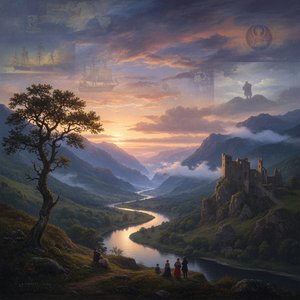
Romantična pokrajina: 10 mojstrovin, ki so definirale gibanje | Umetnost za vaš dom z OriginalUniqueArt.com
Odkrijte 10 mojstrovin romantizma v slikarstvu! Caspar David Friedrich, Turner in drugi. Preučite zgodbe, tehnike in čustva teh ikoničnih krajinskih slik. Kvalitetne reprodukcije za vaš dom na OriginalUniqueArt.com

Golden Splendor: The Top 25 Masterpieces by Gustav Klimt
Immerse yourself in the golden splendor of Gustav Klimt. Explore 25 iconic masterpieces from the Vienna Secession, featuring breathtaking Art Nouveau textures and symbolism. Find inspiration for museum-quality art reproductions and decor. Discover all masterpieces on OriginalUniqueArt.com.
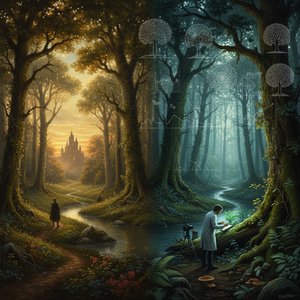
The Enchanted Canopy: Exploring Forests in Art History – From Romantic Idealization to Ecological Consciousness
Explore the rich history of forests in art! Discover Romantic masterpieces by Friedrich & Monet, Symbolist depths, and contemporary visions. Find inspiration & quality reproductions at OriginalUniqueArt.