
 Predogled v realnem okolju
 Pošlji
 Deli
Deli
 Podrobnosti o delu
 Priročnik

 Prenesi sliko
 Podobni izdelki
 Rentgenski posnetek
 Predvajaj diaporama
 Q&A
Q&A Statistika
The Penitent St Jerome

- 47.0 x 34.0 cm


 Preberi več
Giclée tisk / Umetniški tisk
Giclée ali platnati odtis muzejske kakovosti z hitro proizvodnjo in prilagodljivimi možnostmi končne obdelave. ( Kupite ročno slikano delo Preklop na digitalno sliko)




P118B €10

P118H €10

P118W €10

P438Z €10

P508JH €12

P508YH €12

P805H €10

P805Z €10

P919BZ €10

P919G €10

P919XJ €10

P959ZH €10

P968JZ €12

W106C €8

W218G €10

W218JH €8

W218Y €10

W307PJ €10

W316G €10

W316PJ €8

W316Y €10

W398PJ €8

W4111J €10

W500HY €15

W500JH €15

W692G €12

W849H €8

W940BG €15

W953PJ €8




Izberite eno od naših vnaprej določenih velikosti, ki ustrezajo prvotnim proporcijam umetničkega dela.

Vnesite širino in višino, ki jih potrebujete za svoj okvir ali steno. Tiskanje se lahko le odreže, vendar ga ni mogoče narediti večjega od slike, zato format z drugačno obliko pomeni izgubo dela slike. Pred tiskanjem vam pošljemo digitalni predogled za potrditev. Slika, prikazana na tej strani, ne prikazuje dejanskega izrezka — le predogled to omogoča.
Globalna dostava () v 2 tednih namesto standardnih 4/5 tednov. (2 november)

Brezplačna ekspresna dostava po vsem svetu

Visokokakovostno laneno platno

Popolno zavarovanje pošiljke

Garancija povračila carine in uvoznih davkov

Garancija popolnega barvnega ujemanja

100-dnevna politika vračil (le v primeru okvar)

Garancija 100% povračila denarja

Popust pri večjem naročilu
 Možnost stekla je na voljo le za velikosti pod 110 cm

The Penitent St Jerome
Giclée tisk / Umetniški tisk
Velikost reprodukcije
-


Skupna cena
€ 71
The Penitent St Jerome: A Renaissance Echo of Spiritual Struggle
Filippino Lippi’s “The Penitent St Jerome,” painted in 1485, is more than just a depiction of a biblical figure; it's a profound meditation on faith, remorse, and the arduous path to redemption. The painting immediately draws the viewer into a world of stark contrasts – the cool, shadowed depths of the cave against the warm glow emanating from the central figure, the rough texture of the stone juxtaposed with the delicate folds of his robe. It’s a scene steeped in emotional intensity, rendered with the meticulous detail and psychological insight characteristic of the Florentine Renaissance.
Lippi masterfully employs perspective to create an immersive experience. The viewer is positioned as if observing St Jerome from a slightly elevated vantage point, peering into the darkness of his refuge. The receding cityscape in the background—a hazy, almost dreamlike vision of Florence—suggests both earthly constraints and the promise of spiritual transcendence. This architectural backdrop isn’t merely decorative; it subtly reinforces the theme of isolation and the struggle between the material world and divine grace.
A Masterclass in Renaissance Technique
The painting is executed primarily in oil on panel, a medium that allowed Lippi to achieve an extraordinary level of realism and luminosity. Note the subtle gradations of color – the deep blues and purples of the shadows, the earthy browns and ochres of the stone, and the rich crimson of the saint’s robe. Lippi's brushwork is remarkably controlled, yet imbued with a sense of movement and dynamism. The texture of the rock face is rendered with astonishing accuracy, inviting the viewer to almost feel its rough surface beneath their fingertips. This attention to detail extends to the folds of the fabric, which appear both weighty and fluid, conveying the saint’s physical suffering.
The pyramidal composition—a hallmark of Renaissance art—anchors the scene and directs the eye towards St Jerome. The figure dominates the center, radiating a quiet intensity that speaks volumes about his inner turmoil. The use of chiaroscuro – the dramatic interplay of light and shadow – further emphasizes this sense of drama and psychological depth. Lippi doesn’t simply depict a saint; he captures the very essence of his struggle.
Symbolism and Spiritual Resonance
“The Penitent St Jerome” is rich in symbolic meaning. The cave itself represents both physical isolation and spiritual retreat, a place where the saint can confront his past sins and seek forgiveness. The stone he uses to beat his chest is a potent symbol of self-flagellation – a practice associated with penance and repentance. The small lion, traditionally an attribute of St Jerome, is barely visible in the background, perhaps suggesting the fading power of earthly dominion and the triumph of spiritual authority.
The presence of the crucifix—a subtle but crucial element—underscores the central theme of redemption through sacrifice. St Jerome’s posture – hunched over, his face etched with sorrow – conveys a profound sense of humility and devotion. The painting isn't merely about suffering; it’s about transformation, about the possibility of finding solace and grace amidst pain and regret.
A Timeless Meditation on Faith
“The Penitent St Jerome” remains a powerfully evocative work of art, offering viewers a glimpse into the complexities of faith, repentance, and the human condition. It’s a testament to Lippi's artistic skill and his profound understanding of the spiritual themes he explored. Reproductions of this masterpiece capture not only its visual beauty but also the emotional weight and timeless resonance of its message – a reminder that even in our darkest moments, redemption is always within reach.
Vprašanja in odgovori
Kakšna je barvna intenzivnost dela "The Penitent St Jerome" avtorja Filippino Lippi?
Intenzivnost barv dela "The Penitent St Jerome" je Monochromatic. Intenzivnost opisuje, kako močne so barve.
Ali lahko "The Penitent St Jerome" avtorja Filippino Lippi vidim pod drugačnimi svetlobami?
X-ray pogled dela "The Penitent St Jerome" avtorja Filippino Lippi si lahko ogledate na strani Rentgenski pregled: to je interaktivno raziskovanje slike skozi enajst optičnih slojev.
Kakšen je splošni čut dela "The Penitent St Jerome" avtorja Filippino Lippi?
"The Penitent St Jerome" ima Dramatic vzdušje.
Biografija umetnika
Zgodnje življenje in izobraževanje
Filippino Lippi se je rodil aprila 1457 v Pratu, Italija, kot nezakonski sin priznanega slikarja Fra Filippa Lippija. Njegovo otroštvo je bilo prepleteno z umetniškim okoljem, saj ga je oče že od zgodnje mladosti uvajal v skrivnosti slikarstva. Ta zgodnji stik s čopičem in barvami je postavil temelje za njegovo kasnejšo uspešno kariero. Fra Filippo Lippi mu je bil ne le oče, ampak tudi prvi učitelj, ki ga je vodil skozi osnove tehnike, kompozicije in umetniške vizije. Kljub nezakonosti njegovega rojstva je Filippino prejel kakovostno izobraževanje, kar mu je omogočilo razvoj edinstvenega talenta. Njegova mati, Lucrezia Buti, je bila prav tako pomembna figura v njegovem življenju in ga je spodbujala pri sledenju umetniških strasti.Umetniška pot in razvoj
Filippinova umetniška pot se deli na več obdobij, vsako zaznamovano s specifičnim slogom in tehnikami. V zgodnjem obdobju (1475-1480) so njegova dela, kot so Madone, kazala manj prefinjen stil, ki je sprva pripisovan anonimnemu umetniku, znanemu kot "amico di Sandro". Kmalu pa se je začel razvijati njegov lasten, bolj oseben in učinkovit pristop. Med letoma 1480-1485 je ustvaril pomembna dela, med njimi *Potovanja Tobije*, ki so nakazovala njegovo rast kot umetnika. V obdobju zrelosti (1485-1504) je dosegel vrh svoje forme in obvladal slog visokega renesanse, kar se najbolj jasno vidi v delu *Javitev Kristusa Devici Mariji*. Njegova dela so postajala vse bolj kompleksna in izrazita, odražajoč njegovo globoko razumevanje umetnosti in človeške psihologije.Pomembna dela in sodelovanja
Filippino Lippi je v svoji karieri sodeloval s številnimi priznanimi umetniki, kar je obogatilo njegov slog in prispevalo k razvoju florentinske umetnosti. Sodeloval je s Peruginom, Ghirlandaiojem in Botticellijem pri freskah na vili Lorenza de' Medicija, kjer so skupaj ustvarjali veličastna dela, ki so odražala bogato kulturno okolje renesančne Firenc. Pomembno je bilo tudi njegovo dokončanje nedokončane dekoracije kapele Brancacci s Masolinom, kjer je nadaljeval delo začeto z Masacciem. Med njegova najbolj znana dela spadajo: *Koronacija Device Marije*, *Tobija in angel*, *Sveti Jeronim* in *Prizor iz življenja Svete Akvine*. Vsako od teh del predstavlja vrhunec njegovega umetniškega talenta in edinstven slog.Vplivi in umetniški stil
Filippinova umetnost je bila močno vplivana deli Sandra Botticellija in Fra Filippa Lippija, njegovih predhodnikov in učiteljev. V zgodnjih letih se je navdihal pri njihovem slikanju, vendar je kmalu razvil lasten prepoznaven slog. Njegov stil je značilno animiran s poudarkom na obliki in liniji, tople barve pa ustvarjajo živahno atmosfero. Detajlna pokrajina v njegovih delih dodaja globino in realizem, medtem ko ekspresivne figure odražajo človeške emocije in psihološko kompleksnost. Zanimivo je tudi njegovo mešanje perspektivne geometrije z intimnimi notranjostmi, kar ustvarja edinstven vizualni učinek. Med svojim bivanjem v Rimu je študiral rimske antične spomenike, ki so ga navdihnili in vplivali na njegovo umetnost, saj je v svoje delo vključil elemente antike.Zgodovinski pomen in zapuščina
Filippino Lippi velja za vodilnega florentinskega predstavnika tradicije velikih freskarskih ciklov. Njegov vpliv na visoki renesansi je nesporno dokazljiv, saj so ga sledili številni umetniki. Dela Filippina Lippija se nahajajo v muzejih po vsem svetu, med njimi tudi v galeriji Uffizi v Firencah. Njegova sposobnost povezovanja različnih stilov in tehnik je naredila iz njega pomembno figuro v prehodnem obdobju med zgodnjim in visokim renesanso. Znan je kot umetnik, ki je presegal meje ustaljenih norm in ustvarjal dela, ki so odražala njegovo edinstveno vizijo sveta. Njegova zapuščina živi naprej skozi njegova dela, ki še danes navdušujejo ljubitelje umetnosti po vsem svetu.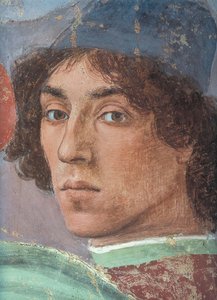
Filippino Lippi
1457 - 1504 , Italija
Hitri podatki
- Datum Rojstva: April 1457
- Datum Smrti: April 1504
- Državljanstvo: Italijan
- Kraj Rojstva: Prato, Italija
- Polno Ime: Filippino Lippi
- Pomembna Dela:
- Koronacija Device Marije
- Tobias in angel
- St. Jerom
- Prizor iz življenja sv. Tomaža Akvinskega
- Umetniki Pod Vplivom: ['Raffaellino del Garbo']
- Umetniški Smer: Visoka renesansa
- Vplivi Umetnikov:
- Fra Filippo Lippi
- Sandro Botticelli
Sorodni članki

Filippino Lippi: Renaissance Innovation Bridging Faith & Humanism
Explore the captivating world of Filippino Lippi, a Renaissance master bridging faith & humanism through innovative art. Discover his key works, influences, and lasting legacy with OriginalUniqueArt.

Oil on Canvas: A Historical & Technical Exploration of a Timeless Artistic Medium
Explore the rich history & enduring techniques of oil painting on canvas. Discover the science behind its longevity, conservation practices, and contemporary relevance. Expert insights for art enthusiasts.

The Enduring Power of Painting: A Historical & Contemporary Exploration of Form and Emotion
Explore the rich history & enduring techniques of oil painting with OriginalUniqueArt. Discover masterpieces, learn about art collecting, and find authentic handmade reproductions crafted by skilled artists.
Filippo Lippi: Bridging Renaissance Devotion & Artistic Innovation
Explore the life & revolutionary art of Filippo Lippi, a pivotal Renaissance painter. Discover his masterpieces, influence on Botticelli, and investment potential. Expert analysis at OriginalUniqueArt.

The Enduring Legacy of Oil on Canvas: Technique, History & Aesthetic Impact
Explore the rich history & techniques of oil painting – from Renaissance masters to Impressionism. Discover pigments, layering methods, and why this timeless medium endures. Expert insights for artists & art enthusiasts.