Cubism · 1924
Three Characters (Fernand Léger, 1924)
Fernand Léger (1881–1955) je izdelal Three Characters. Zajema obdobje iz leta 1924. Spada v smer Cubism. Izdelano je iz Acrylic On Canvas.
- 1924
- Acrylic On Canvas

 Predogled v realnem okolju

 Ročno izdelano oljno slikarstvo
 Pošlji
 Deli
 Priročnik


 Prenesi sliko
 Podobni izdelki
 Rentgenski posnetek
 Predvajaj diaporama
 Vprašanja in odgovori

 Statistika
Three Characters: ključne informacije
- Naslov
- Three Characters
- Avtor
- Fernand Léger (1881–1955)
- Umetnik, rojen v
- Argentan, Francija
- Datum
- 1924
- Tehnika
- Acrylic On Canvas
- Gibanje
- Cubism
- Obdobje
- Modern
- Tema
- geometric figures, modern composition, cubist style art, human interaction, bold color palette, everyday objects
Kaj prikazuje Three Characters?
A Symphony of Form and Feeling: Exploring Fernand Léger’s “Three Characters”
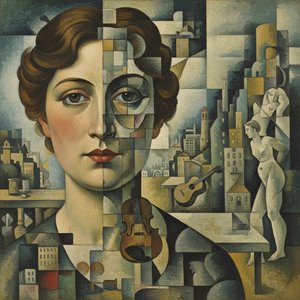
Fernand Léger's 1924 painting, *“Three Characters,”* is a pivotal work exemplifying his distinctive contribution to Cubism – a style he uniquely evolved into what became known as ‘Tubism.’ More than just an exercise in geometric abstraction, this piece offers a compelling glimpse into the artist’s vision of modern life and human connection amidst industrialization.Deconstructing the Composition: Style & Technique
Léger masterfully employs simplified, cylindrical forms to depict three figures positioned closely together. This isn't about realistic representation; it’s a deliberate fragmentation and reassembly of reality through a Cubist lens. The painting eschews traditional perspective, presenting multiple viewpoints simultaneously within a flattened picture plane. The technique is characterized by smooth brushstrokes and carefully blended colors, creating a polished surface despite the angularity of the forms. This creates a sense of solidity and monumentality, grounding the abstracted figures.A Palette of Modernity: Color & Symbolism
While rooted in Cubism’s analytical approach, *“Three Characters”* distinguishes itself through its vibrant color palette. Léger moves beyond the muted tones often associated with early Cubism, embracing bold hues that inject energy and warmth into the composition. The inclusion of symbolic objects – a baseball bat and a book – adds layers of meaning. These aren’t merely decorative elements; they represent facets of everyday life, leisure, and intellectual pursuit, hinting at Léger's interest in portraying the modern individual within their environment. The figures themselves are not portraits but archetypes, representing universal aspects of human experience.Historical Context: Cubism & Beyond
Created in the aftermath of World War I, *“Three Characters”* reflects a broader cultural shift towards embracing modernity and industrialization. Léger, alongside Picasso and Braque, was at the forefront of the Cubist revolution, challenging traditional artistic conventions. However, he diverged from his peers by incorporating elements of machine aesthetics and popular culture into his work. His style evolved toward “Crystal Cubism,” emphasizing large, overlapping geometric planes and a strong focus on surface activity. This painting stands as a testament to that evolution, bridging the gap between abstract experimentation and representational form.Emotional Resonance & Lasting Influence
*“Three Characters”* evokes a sense of quiet contemplation and interconnectedness. Despite their abstracted forms, the figures possess a palpable presence, suggesting a shared experience or unspoken dialogue. The painting’s enduring appeal lies in its ability to resonate with viewers on an emotional level, prompting reflection on themes of identity, community, and the human condition. Léger's work profoundly influenced subsequent art movements, including Futurism, Abstract Art, and Surrealism, solidifying his legacy as a visionary artist who redefined the possibilities of painting in the 20th century.Collecting & Interior Design Considerations
- Style Compatibility: This artwork complements modern, minimalist, or Art Deco interiors. Its geometric forms and bold colors create a striking focal point.
- Color Palette Integration: The painting’s color scheme can be echoed in accent furniture, textiles, or wall colors to create a cohesive design aesthetic.
- Placement Suggestions: Ideal for living rooms, dining areas, or home offices. Consider pairing it with contemporary sculptures or abstract artwork.
- Investment Potential: As a seminal work by a highly influential artist, a high-quality reproduction of *“Three Characters”* represents not only an aesthetic addition but also a potential investment in art history.
Three Characters v visoki ločljivosti

Fernand Léger, Three Characters (1924). Javna lastnina
Digitalni strokovnjak preveri barve v primerjavi z originalnim slikarstvom in popravlja datoteko, da bi dosledno odražala umetnikovo črtico.
Kupite sliko visoke ločljivostiVprašanja o Three Characters
Kakšna je medsebojna skladnost barv v delu "Three Characters"?
Barvna harmonija dela "Three Characters" je opisana kot Softly Mixed Palette.
Kakšen čustveni izraz prenosi "Three Characters" avtorja Fernand Léger?
"Three Characters" avtorja Fernand Léger izraža Somber čustven ton.
Na katero obdobje v karieri Fernand Léger ustreza leto 1924 za delo "Three Characters"?
"Three Characters", ustvarjeno leta 1924, pripada Mature Period v karieri umetnika Fernand Léger.
Kje se v zgodovini umetnosti umešča "Three Characters"?
Zgodovinsko gledano je "Three Characters" Cubism skladina iz širšega obdobja Modern.
Kako si lahko ogledam predogled reprodukcije dela "Three Characters" avtorja Fernand Léger?
Stran Predogled dela za delo "Three Characters" vam omogoča ogled umetnin pred naročilom.
Pri kakšni velikosti se za Living Room priporoča "Three Characters"?
Priporočena kombinacija za "Three Characters" avtorja Fernand Léger: tiskanec v velikosti Large v prostorih, kot je Living Room.
Kdo je avtor dela "Three Characters" in v katerem umetnostnem gibanju velja?
Za delom "Three Characters" sta Fernand Léger in umetnostna smer Cubism.
Zakaj je status avtorske pravice za "Three Characters" prav takšen, kot je?
"Three Characters" avtorja Fernand Léger je v javni domeni – avtorska pravica je zastarela. Avtorske pravice se izračunajo od smrti umetnika, ki je umrl leta 1955.
V kateri del doma se prilega reprodukcija dela "Three Characters"?
Reprodukcija dela "Three Characters" se v Living Room odlično prilega.
O umetniku, Fernand Léger

1881–1955, Francija
Fernand Léger
Fernand Léger: Izoblikovano v Oblikah – Življenje in Ustvarjanje Joseph Fernand Henri Léger, rojen leta 1881 v Argentanu, Normandiji, je bil francoski slikar, kipar in filmski ustvarjalec, ki se je uveljavil kot ključna figura moderne umetnosti. Njegovo potovanje od ruralnega podeželja do epicentra pariškega avantgardizma priča o neomajni viziji in nenehni želji po zajemanju duha industrijske dobe. Za razliko od mnogih sodobnikov, ki so abstraktnost razumeli kot pobeg od realnosti, je Léger iskal integracijo moderne – njene dinamike, mehanskih oblik, bistva – v nov vizualni jezik, ki je bil hkrati močno abstrakten in globoko zakoreninjen v opazovalnem svetu. Njegovo zgodnje življenje, prežeto s fizičnostjo kmetijskega dela, mu je nudilo trdno podlago, ki jo je kontrirala strastna priprostranost industrijske prihodnosti, ki jo je tako navdušeno prikazoval.
Tudi dela avtorja Fernand Léger
 Mesto1919
 Mehanik1920
 Three Women1921
 Nudeži v goščini1910

Eseji o delu Three Characters
 Fernand Léger: 25 Mojstrovin Modernizma za Vaš Dom | OriginalUniqueArtOdkrijte 25 mojstrovin Fernanda Légerja – pionirja kubizma in tubizma. Raziskajte zgodbe, tehnike in navdih za ikonične slike tega modernis…
 Deconstructing Reality: Cubism's Revolutionary Impact on 20th-Century ArtExplore the revolutionary world of Cubism with OriginalUniqueArt. Discover Picasso & Braque's groundbreaking techniques, its philosophical …
 Industrial Revolution on Canvas: 10 Artworks That Define a Modern AestheticExplore 10 iconic artworks capturing the Industrial Revolution’s grit & beauty. From Monet to Manet, discover realism, impressionism & powe…