Geometric Abstraction · 1954
Study for the (Fernand Léger, 1954)
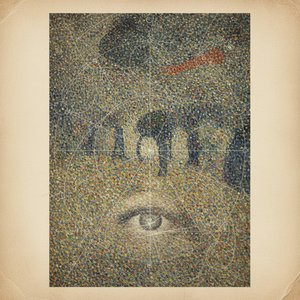
Fernand Léger (1881–1955) je izdelal Study for the . Zajema obdobje iz leta 1954. Spada v smer Geometric Abstraction. Izdelano je iz Acrylic On Canvas. Del se nahaja v muzeju Museu do Caramulo v mestu Caramulo, Portugal. Dimenzije so 38 × 44 cm.
- 1954
- Acrylic On Canvas
- 38 × 44 cm
- Museu do Caramulo

 Predogled v realnem okolju

 Ročno izdelano oljno slikarstvo
 Pošlji
 Deli
 Informacijski list


 Prenesi sliko
 Podobni izdelki
 Rentgenski posnetek
 Predvajaj diaporama
 Vprašanja in odgovori

 Statistika
Study for the , na kratek
- Naslov
- Study for the
- Avtor
- Fernand Léger (1881–1955)
- Umetnik, rojen v
- Argentan, Francija
- Datum
- 1954
- Tehnika
- Acrylic On Canvas
- Dimenzije
- 38 × 44 cm
- Kje je videti
- Museu do Caramulo, Caramulo, Portugal
- Gibanje
- Geometric Abstraction
- Tema
- musical performance, geometric forms, modern landscape, instrument ensemble, urban scene, animal presence
Kaj prikazuje Study for the ?
A Symphony of Form and Feeling: Exploring Fernand Léger’s “Study for Breakfast”
Fernand Léger's "Study for Breakfast," completed in 1954, transcends mere representation; it embodies the very spirit of Pointillism—a technique championed by Georges Seurat and embraced wholeheartedly by Léger as a means to convey dynamism and immediacy. This unassuming landscape isn’t simply depicted as it appears before our eyes; instead, Léger meticulously constructs it from countless tiny dots of pigment, creating an illusion of depth and texture that defies conventional painting methods. The resulting image pulsates with energy, mirroring the rhythms of daily life—a quiet morning scene rendered with astonishing precision. It's a masterful demonstration of how abstraction can serve as a conduit for emotion and observation simultaneously.- Style: Pointillism – Léger’s signature style prioritizes optical mixing over blending pigments on canvas, resulting in vibrant hues that shimmer and shift subtly under the light.
- Technique: Léger employed a painstaking process of applying dots of color—typically yellow, red, and blue—to build up layers of tonal variation. This method demanded immense patience and meticulous attention to detail, reflecting Léger’s unwavering commitment to his artistic vision.
Historical Context: Embracing Modernity Amidst Postwar Uncertainty
Created in the aftermath of World War II, “Study for Breakfast” speaks to a broader cultural preoccupation with rebuilding and redefining beauty after devastation. Léger’s stylistic choices—the geometric abstraction and the deliberate fragmentation of form—were deliberately antithetical to the prevailing artistic trends of his time, signaling a rejection of Impressionism's focus on fleeting sensations and an embrace of the machine age’s influence on visual perception. This bold stance positioned Léger as a pioneer of abstract expressionism, anticipating developments that would reshape the landscape of 20th-century art.Symbolic Resonance: The Quiet Power of Observation
Despite its apparent simplicity, “Study for Breakfast” is laden with symbolic significance. Léger’s use of dots—representing individual particles and conveying movement—suggests a fascination with scientific principles and an attempt to capture the underlying order of nature. The muted palette contributes to a mood of contemplative serenity, inviting viewers to contemplate the beauty found in everyday moments. It's a subtle reminder that even amidst turbulent times, art can offer solace and inspire wonder.Emotional Impact: Capturing Essence Through Precision
Ultimately, Léger’s “Study for Breakfast” succeeds in conveying an emotional resonance far exceeding its visual surface. The artist doesn’t aim to evoke sentimental feelings but rather to distill the essence of a scene—the feeling of warmth, light, and stillness—into a meticulously crafted composition. This achievement underscores Léger's profound understanding of how abstraction can communicate complex ideas and sensations with remarkable effectiveness. It remains an enduring testament to his artistic genius and a captivating example of Pointillist artistry.V katerem muzeju se nahaja Study for the ?
Museu do Caramulo
Caramulo, Portugal
Simfonija jekla in duše V objemu zelenih, valovitih brd Serra do Caramulo v osrednji Portugaliji se Museu do Caramulo izpostavlja kot zaprepašljiv paradoks, zatočišče, kjer se natančnost mehanske inženiringe sreča z globoko človeško ustvarjalnostjo. To ni le skladišče relikvij; je živi dialog med dvema na videz nesklajenima svetoma. Zastavljen od vizionarskih bratov Abel in João de Lacerda, muzej stoji kot spomen shared passion, ki zaveda priznati meje med rlečanjem motorja in tiho eleganco poteznega črte.


Visokoresolucijske slike dela Study for the

Javna lastnina: umetnik je umrl leta 1955.
Druge velikosti, izrezave in citiranje →Fernand Léger, Study for the (1954), Museu do Caramulo. Javna lastnina
Odgovori na vprašanja o Study for the
Kje je danes razstavljeno "Study for the" avtorja Fernand Léger?
Originalno delo "Study for the" avtorja Fernand Léger se nahaja v muzeju Museu do Caramulo, Caramulo, Portugal. Reprodukcija omogoča, da ta sklad prikazujete tudi v svojem domu.
Kdaj je bilo ustvarjeno "Study for the"?
Ustvaritev dela "Study for the" avtorja Fernand Léger datiramo v 1954.
い哪種媒介是用來創作 "Study for the" avtorja Fernand Léger 的?
Tehnika za delo "Study for the" avtorja Fernand Léger je Acrylic On Canvas. Različice imajo za namen natančno prikazati videz te tehnike.
Kakšne so dimenzije izvornega dela "Study for the" avtorja Fernand Léger?
Originalne dimenzije dela "Study for the" znašajo 38 x 44 cm. Prvotne mere so koristna referenca pri izbiri velikosti reprodukcije.
Kaj predstavlja "Study for the"?
Motivi dela "Study for the" so musical performance, geometric forms, modern landscape, instrument ensemble, urban scene, animal presence, domestic setting, pointillism technique.
Ali je "Study for the" v javni domeni?
Status avtorskih pravic za "Study for the" avtorja Fernand Léger: del je v javni domeni – avtorska pravica je zastarela. To določa, ali se lahko reprodukcije slike izdelujejo prosto.
Kdo je avtor dela "Study for the"?
"Study for the" pripisujemo Fernand Léger.
V kateri umetniški smer spada "Study for the" avtorja Fernand Léger?
"Study for the" avtorja Fernand Léger pripada gibanju Geometric Abstraction. To gibanje zagotavlja slogovni kontekst dela.
V katero obdobje umetnostnega razvoja Fernand Léger pripada delo "Study for the"?
V okviru kariere umetnika Fernand Léger delo "Study for the" pripada obdobju Mature Period, kar omogoča primerjavo z ostalimi umetnikovimi deli.
O umetniku, Fernand Léger

1881–1955, Francija
Fernand Léger
Fernand Léger: Izoblikovano v Oblikah – Življenje in Ustvarjanje Joseph Fernand Henri Léger, rojen leta 1881 v Argentanu, Normandiji, je bil francoski slikar, kipar in filmski ustvarjalec, ki se je uveljavil kot ključna figura moderne umetnosti. Njegovo potovanje od ruralnega podeželja do epicentra pariškega avantgardizma priča o neomajni viziji in nenehni želji po zajemanju duha industrijske dobe. Za razliko od mnogih sodobnikov, ki so abstraktnost razumeli kot pobeg od realnosti, je Léger iskal integracijo moderne – njene dinamike, mehanskih oblik, bistva – v nov vizualni jezik, ki je bil hkrati močno abstrakten in globoko zakoreninjen v opazovalnem svetu. Njegovo zgodnje življenje, prežeto s fizičnostjo kmetijskega dela, mu je nudilo trdno podlago, ki jo je kontrirala strastna priprostranost industrijske prihodnosti, ki jo je tako navdušeno prikazoval.
Tudi dela avtorja Fernand Léger
 Mesto1919
 Mehanik1920
 Three Women1921
 Nudeži v goščini1910

Eseji o delu Study for the
 Industrial Revolution on Canvas: 10 Artworks That Define a Modern AestheticExplore 10 iconic artworks capturing the Industrial Revolution’s grit & beauty. From Monet to Manet, discover realism, impressionism & powe…
 Georges Seurat: Pointillism, Perception & the Scientific Foundations of Modern ArtExplore the revolutionary art of Georges Seurat and the science behind Pointillism. Discover chromoluminarism, optical mixing, and the last…
 Mastering the Machine Age: The Top 25 Fernand Léger ArtworksImmerse yourself in the vibrant world of Fernand Léger. Explore 25 iconic masterpieces of Cubism and Tubism, from bold geometric forms to m…