 Predogled v realnem okolju
 Pošlji
 Deli
Deli
 Podrobnosti o delu
 Priročnik

 Prenesi sliko
 Podobni izdelki
 Rentgenski posnetek
 Predvajaj diaporama
 Q&A
Q&A Statistika
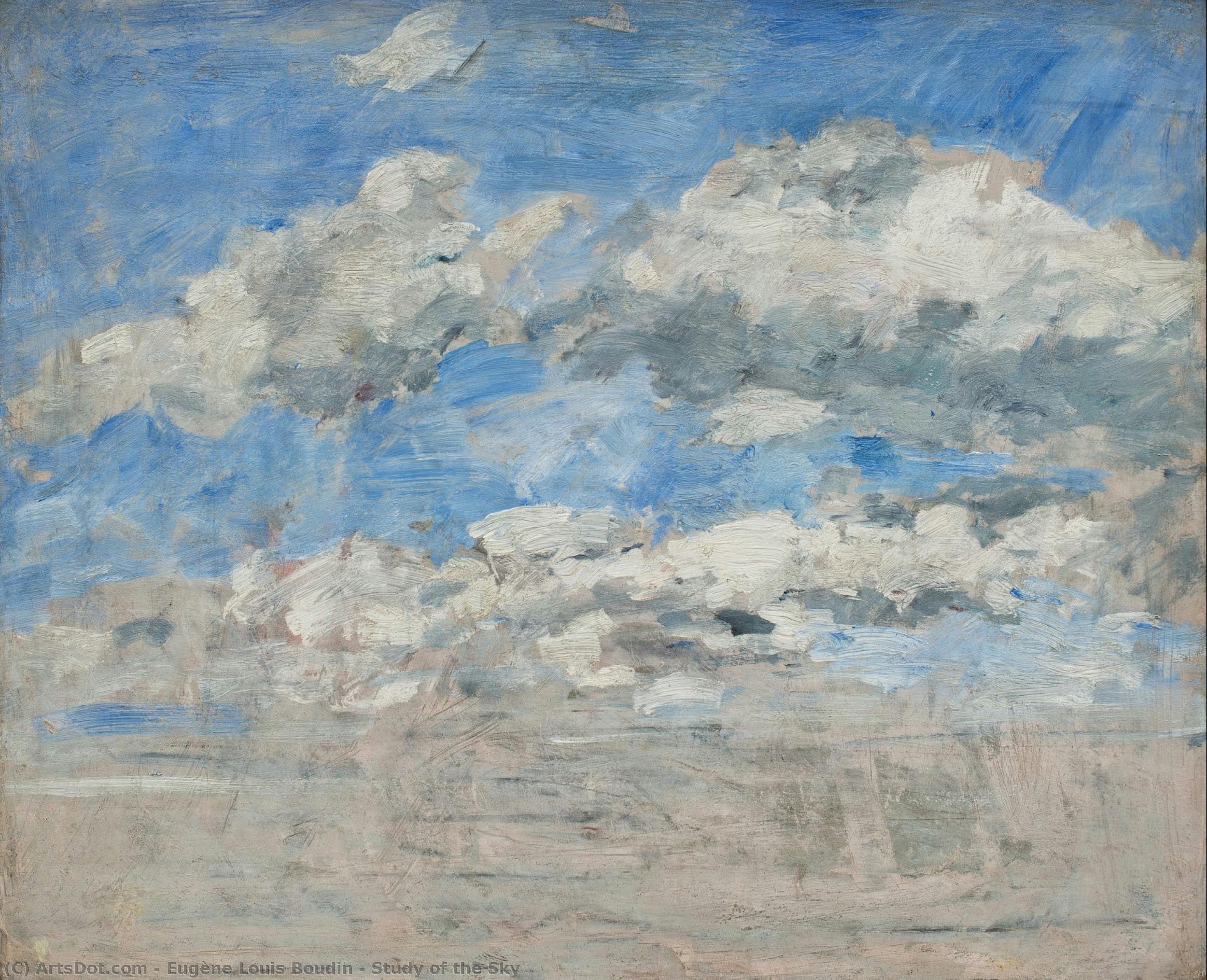
Study of the Sky

- 46.0 x 38.0 cm


 Preberi več
Giclée tisk / Umetniški tisk
Giclée ali platnati odtis muzejske kakovosti z hitro proizvodnjo in prilagodljivimi možnostmi končne obdelave. ( Kupite ročno slikano delo Preklop na digitalno sliko)




P118B €10

P118H €10

P118W €10

P438Z €10

P508JH €12

P508YH €12

P805H €10

P805Z €10

P919BZ €10

P919G €10

P919XJ €10

P959ZH €10

P968JZ €12

W106C €8

W218G €10

W218JH €8

W218Y €10

W307PJ €10

W316G €10

W316PJ €8

W316Y €10

W398PJ €8

W4111J €10

W500HY €15

W500JH €15

W692G €12

W849H €8

W940BG €15

W953PJ €8




Izberite eno od naših vnaprej določenih velikosti, ki ustrezajo prvotnim proporcijam umetničkega dela.

Vnesite širino in višino, ki jih potrebujete za svoj okvir ali steno. Tiskanje se lahko le odreže, vendar ga ni mogoče narediti večjega od slike, zato format z drugačno obliko pomeni izgubo dela slike. Pred tiskanjem vam pošljemo digitalni predogled za potrditev. Slika, prikazana na tej strani, ne prikazuje dejanskega izrezka — le predogled to omogoča.
Globalna dostava () v 2 tednih namesto standardnih 4/5 tednov. (1 november)

Brezplačna ekspresna dostava po vsem svetu

Visokokakovostno laneno platno

Popolno zavarovanje pošiljke

Garancija povračila carine in uvoznih davkov

Garancija popolnega barvnega ujemanja

100-dnevna politika vračil (le v primeru okvar)

Garancija 100% povračila denarja

Popust pri večjem naročilu
 Možnost stekla je na voljo le za velikosti pod 110 cm

Study of the Sky
Giclée tisk / Umetniški tisk
Velikost reprodukcije
-


Skupna cena
€ 71
Subject and Composition: A Study in Atmospheric Light
Eugène Louis Boudin's "Study of the Sky" is a captivating oil painting that focuses entirely on capturing the ephemeral beauty of the sky and its cloud formations. The artwork presents a horizontal composition, dominated by varying shades of blue and white, skillfully representing billowing clouds against a pale beige/tan ground. This isn’t a depiction of a specific weather event but rather an exploration of atmospheric conditions—a study in light and air. Boudin's choice to concentrate solely on the sky demonstrates his profound interest in capturing fleeting moments of natural beauty, prioritizing atmosphere over detailed representation.
Impressionistic Style and Technique
The painting exemplifies Impressionism, a movement that prioritized capturing sensory impressions over precise realism. Boudin was considered a precursor to Impressionism, influencing artists like Claude Monet. The style is characterized by loose brushstrokes and a focus on conveying light and atmosphere rather than meticulous detail. Noticeable impasto technique—the thick application of paint creating raised surfaces—adds texture and depth to the clouds, enhancing their three-dimensionality. Lines are predominantly curved and flowing, mimicking the organic shapes of the sky. The absence of strong perspective lines contributes to the painting's dreamlike quality, emphasizing the vastness and fluidity of the atmosphere.
Historical Context: Pioneering Plein Air Painting
"Study of the Sky" was created during a period when artists were increasingly moving away from studio-bound practices. Boudin was instrumental in popularizing "en plein air" painting—working directly outdoors to capture the changing light and colors of nature. This approach, championed by Boudin and later embraced by Monet and other Impressionists, revolutionized landscape painting. Charles Baudelaire famously noted that Boudin had “hundreds of pastel studies improvised before the sea and the sky,” highlighting his dedication to capturing these fleeting moments. Gustave Courbet's exclamation about Boudin "really knowing the sky" further underscores the artist’s exceptional ability to portray atmospheric nuances.
Symbolism and Emotional Impact
While seemingly devoid of overt symbolic elements, “Study of the Sky” evokes a profound sense of tranquility and vastness. The painting's focus on the natural world invites contemplation and appreciation for the beauty of simple phenomena. The diffused lighting and soft color palette create a calming effect, suggesting an overcast day or a scene viewed in gentle light. The overall impression is one of serenity—a moment suspended in time, inviting viewers to lose themselves in the boundless expanse of the sky. Boudin’s skill lies not just in depicting clouds but in conveying their emotional resonance – a feeling of peace and wonder.
Materials and Dimensions
- Artist: Eugène Louis Boudin
- Date: Unknown
- Medium: Oil paints on canvas
- Size: 46 x 38 cm
- Additional Notes: Boudin's use of oil paints allowed for the rich layering and textural effects evident in this study, contributing to its atmospheric depth.
Vprašanja in odgovori
Kakšno vzdušje izraža "Study of the Sky" avtorja Eugen Jožef Boudin znotraj sloga Impressionism?
V okviru gibanja Impressionism je "Study of the Sky" zabeleženo z Tranquil tonom.
Kako priljubljeno je delo "Study of the Sky" v okviru gibanja Impressionism?
V okviru gibanja Impressionism ima delo "Study of the Sky" Recognized stopnjo priljubljenosti.
Kako se delo "Study of the Sky" vklapa v tematiko in slog umetnika Eugen Jožef Boudin?
"Study of the Sky" z ostalimi deli Eugen Jožef Boudin deli svoj Impressionism slog in zastopljene teme: dutch masters & plein air painting., typical study of sky/clouds, exemplifies his focus on light., nature’s beauty, atmospheric effects..
Biografija umetnika
Early Life and Artistic Beginnings
Eugène Louis Boudin, born in July 12th, 1824 in Honfleur, France, possessed a destiny inextricably linked to the sea. His father, a harbor pilot, instilled within him an early appreciation for the ever-changing moods and captivating beauty of the maritime world. This formative influence would become the cornerstone of Boudin’s artistic vision. Rather than pursuing a traditional academic path, young Eugène began his working life aboard a steamboat traversing between Le Havre and Honfleur at the tender age of ten. It was during these voyages that he first felt compelled to capture the fleeting impressions of light and water with sketches in the margins of his books—the nascent stirrings of a lifelong passion. The family’s subsequent move to Le Havre, where his father established a shop for stationery and picture frames, further immersed Boudin in an artistic environment. He worked alongside his father, eventually opening his own small shop, which brought him into contact with local artists like Constant Troyon and Jean-François Millet, who encouraged his burgeoning talent. These early encounters proved pivotal, steering him away from commerce and towards a dedicated life of painting.Developing a Unique Style: Plein Air Painting and Influences
Boudin’s artistic development was profoundly shaped by several key influences. A crucial turning point came with his introduction to Johan Jongkind, a Dutch painter who championed the practice of en plein air—painting outdoors directly from nature. This revolutionary approach allowed Boudin to capture the ephemeral qualities of light and atmosphere with unprecedented immediacy. He embraced this technique wholeheartedly, becoming adept at rendering the subtle nuances of sky and sea. His style also drew inspiration from the 17th-century Dutch masters, whose meticulous attention to detail and atmospheric perspective resonated deeply with his own artistic sensibilities. Boudin’s pastels, characterized by their summary yet evocative brushwork, quickly garnered recognition. Critics like Charles Baudelaire lauded his ability to convey the essence of a scene with remarkable economy, while Camille Corot affectionately dubbed him “the king of the skies,” acknowledging his mastery of atmospheric effects. He was particularly moved by the paintings of Jean Baptiste Camille Corot and Johan Jongkind who encouraged him to follow an artistic career.Impressionism and Lasting Legacy
Though often categorized alongside the Impressionists, Boudin’s relationship with the movement was nuanced. He participated in the first Impressionist exhibition of 1874, showcasing his work alongside Claude Monet and other avant-garde artists. However, he never fully identified as an “Impressionist,” maintaining a more traditional approach to composition and technique. Nevertheless, his influence on the development of Impressionism was undeniable. Most notably, Boudin served as a mentor to a young Claude Monet, instilling in him a love for painting outdoors and encouraging him to abandon academic conventions in favor of capturing fleeting impressions of light and color. Monet himself credited Boudin with fundamentally shaping his artistic vision, stating that Boudin had “torn the veil from my eyes” and revealed the true potential of landscape painting. Throughout his career, Boudin received numerous accolades, including a third-place medal at the Paris Salon in 1881 and a gold medal at the 1889 Exposition Universelle. In 1892, he was knighted into the Légion d’honneur—a testament to his enduring contribution to French art.Major Works and Artistic Themes
Boudin's oeuvre is characterized by a deep connection to the sea and coastal landscapes of Normandy. Still Life with Lobster on a White Tablecloth, now housed at the High Museum of Art in Atlanta, exemplifies his somber yet noble approach to still life painting, imbued with a sense of quiet contemplation. His beach scenes, populated with figures enjoying leisurely pursuits, capture the vibrancy and vitality of seaside life. Honfleur, the Saint Catherine Market Place, showcases his skill at depicting bustling urban environments bathed in natural light. Throughout his work, Boudin consistently explored themes of transience, atmosphere, and the interplay between humanity and nature. He possessed an exceptional ability to convey the subtle shifts in weather and light, creating paintings that evoke a powerful sense of place and mood. His dedication to capturing these fleeting moments solidified his reputation as a master of atmospheric perspective and a pioneer of plein air painting. ## Final Years and Enduring Influence In his later years, Boudin continued to travel extensively, seeking inspiration in Belgium, the Netherlands, and southern France. He also made several visits to Venice, captivated by its unique light and architectural beauty. Despite facing health challenges, he remained remarkably productive, consistently exhibiting his work and mentoring younger artists. Eugène Louis Boudin passed away in August 8th, 1898 at Deauville, overlooking the English Channel that had so profoundly shaped his life and art. His legacy extends far beyond his own paintings; the Eugène Boudin Prize, awarded by the Société Nationale des Beaux-Arts, stands as a lasting tribute to his enduring influence on generations of artists. Today, his works are celebrated in museums worldwide, including the Musée d’Orsay in Paris, which houses several of his most iconic paintings, such as Landscape with Sunset. Boudin's remarkable career serves as a testament to the power of observation, the beauty of nature, and the enduring allure of the sea.
Eugen Jožef Boudin
1824 - 1898 , Francija
Hitri podatki
- Artistic Movement Or Style: Impressionizem
- Artists Or Movements Influenced By This Artist: ['Constant Troyon']
- Artists Who Influenced This Artist:
- Johan Jongkind
- Claude Monet
- Date Of Birth: 12 julij 1824
- Date Of Death: 8 avgust 1898
- Full Name: Eugène Louis Boudin
- Nationality: Francoz
- Notable Artworks:
- Žitje z morsko površino
- Zlato obzorje
- Portret mladega dekleta
- Place Of Birth: Honfleur, Francija
Sorodni članki

Evocations of Place: A Historical Journey Through Landscape Art
Explore the rich history of landscape art with OriginalUniqueArt. Discover renowned artists, movements like Impressionism & Romanticism, and expert guidance for collecting timeless pieces. Find your perfect serene escape today!

Paul Cézanne: 25 Mojstrovin, ki so spremenile svet umetnosti | OriginalUniqueArt
Odkrijte 25 mojstrovin Paula Cézanna – od impresionističnih krajin do revolucionarnih tihožitij. Preberite zgodbe za vsako sliko, tehnike in navdih. Kvalitetne reprodukcije slik na OriginalUniqueArt.com!

Romantična pokrajina: 10 mojstrovin, ki so definirale gibanje | Umetnost za vaš dom z OriginalUniqueArt.com
Odkrijte 10 mojstrovin romantizma v slikarstvu! Caspar David Friedrich, Turner in drugi. Preučite zgodbe, tehnike in čustva teh ikoničnih krajinskih slik. Kvalitetne reprodukcije za vaš dom na OriginalUniqueArt.com

Evocations of Place: A Historical Journey Through Landscape Art
Explore the rich history of landscape art with OriginalUniqueArt. Discover renowned artists, movements like Impressionism & tonalism, and expert guidance for collecting timeless pieces. Find your perfect serene escape today!

John Constable: 25 Mojstrovskih Del Angelskega Krajinarja | OriginalUniqueArt.com
Odkrijte 25 mojstrovskih del Johna Constabla, angleškega slikarja romantizma. Preučite zgodbe za ikoničnimi krajinami, tehniko in lepoto narave. Kvalitetne reprodukcije slik na OriginalUniqueArt.com – idealno za dekoracijo doma!


