

 Preverite v realnem okolju
 Pošlji kot čestitko
 Deli
Deli
 Podrobnosti
 Priročnik

 Prenesi
 Podobni artefakti
 Rentgenski posnetek
 Predvajaj diaporama
 Statistika
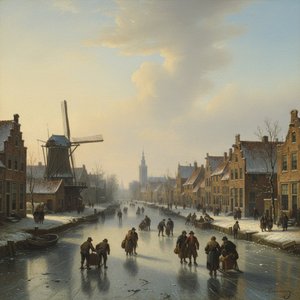
Dodrecht
 Oil On Canvas
- WallArt
- Impressionism
 61.0 x 50.0 cm
 Regional Gallery in Liberec
 Preberi več
Giclée tisk / Umetniški tisk
Giclée ali platnati odtis muzejske kakovosti z hitro proizvodnjo in prilagodljivimi možnostmi končne obdelave. ( Naročite ročno slikano reprodukcijo Preklop na digitalno sliko)




P118B €10

P118H €10

P118W €10

P438Z €10

P508JH €12

P508YH €12

P805H €10

P805Z €10

P919BZ €10

P919G €10

P919XJ €10

P959ZH €10

P968JZ €12

W106C €8

W218G €10

W218JH €8

W218Y €10

W307PJ €10

W316G €10

W316PJ €8

W316Y €10

W398PJ €8

W4111J €10

W500HY €15

W500JH €15

W692G €12

W849H €8

W940BG €15

W953PJ €8




Izberite eno od naših vnaprej določenih velikosti, ki ustrezajo prvotnim proporcijam umetničkega dela.

Vnesite širino in višino, ki jih potrebujete za svoj okvir ali steno. Tiskanje se lahko le odreže, vendar ga ni mogoče narediti večjega od slike, zato format z drugačno obliko pomeni izgubo dela slike. Pred tiskanjem vam pošljemo digitalni predogled za potrditev. Slika, prikazana na tej strani, ne prikazuje dejanskega izrezkov — le predogled to omogoča.
Globalna dostava () v 2 tednih namesto standardnih 4/5 tednov. (21 oktober)

Brezplačna ekspresna dostava po vsem svetu

Visokokakovostno laneno platno

Popolno zavarovanje pošiljke

Garancija povračila carine in uvoznih davkov

Garancija popolnega barvnega ujemanja

Politika vračila v 100 dneh (le v primeru okvar)

Garancija 100% povračila denarja

Popust pri večjem naročilu
 Možnost stekla je na voljo le za velikosti pod 110 cm

Dodrecht
Giclée tisk / Umetniški tisk
Velikost reprodukcije
-


Skupna cena
€ 70
A Moment in Normandy: Eugène Boudin’s “Dodrecht”
Eugène Louis Boudin's "Dodrecht," painted circa 1874, isn’t merely a depiction of a canal scene; it’s an immersion into the very essence of late 19th-century French Impressionism. This evocative landscape captures a fleeting moment along the waterways of Dordrecht, a city nestled within the Netherlands, and speaks to Boudin's profound connection with light, atmosphere, and the transient beauty of everyday life. The painting immediately draws the viewer in with its soft, hazy palette—muted blues, greens, and ochres dominate, creating an almost dreamlike quality that belies the meticulous observation at play.
Boudin’s approach to capturing this scene is profoundly characteristic of his style. He eschews sharp detail in favor of a loose, broken brushstroke technique, applying paint in short, vibrant dashes that seem to dance across the canvas. This deliberate lack of precision isn't a flaw; rather, it’s the very heart of Impressionism – an attempt to convey not just what is seen, but how it *feels* to be present within that moment. The texture itself becomes a key element, with visible brushwork adding depth and dynamism to the scene. Notice how the reflections shimmer on the water's surface, created by these individual strokes, lending an almost palpable sense of movement.
The Painter’s Philosophy: Plein Air and the Capture of Light
Boudin was a pioneer in the practice of *plein air* painting – working directly outdoors. This commitment to observing nature firsthand profoundly shaped his artistic vision. He wasn't interested in creating photographic reproductions; instead, he sought to capture the ephemeral qualities of light and atmosphere as they shifted with each passing moment. “Dodrecht” exemplifies this philosophy perfectly. The artist meticulously studied how sunlight interacts with water, buildings, and vegetation, translating these observations onto canvas with remarkable sensitivity. His early exposure to Dutch masters like Jongkind, who championed painting outdoors, undoubtedly influenced his approach.
The historical context of the late 19th century is crucial to understanding Boudin’s work. France was undergoing rapid industrialization and urbanization, leading many artists to seek refuge in the countryside and to explore themes of rural life and natural beauty. Boudin's focus on these subjects resonated with a growing public yearning for connection with nature – a sentiment that would become central to the Impressionist movement. The painting subtly evokes the tranquility of a slower pace of life, a stark contrast to the bustling industrial centers of Europe.
Symbolism and Emotional Resonance
Beyond its technical brilliance, “Dodrecht” carries a quiet emotional resonance. The composition—with the canal as the dominant element—creates a sense of enclosure and intimacy, drawing the viewer into the scene. The church steeple rising above the rooftops provides a vertical anchor, grounding the image while simultaneously suggesting a connection to faith and tradition. The boats navigating the waterway hint at human activity and interaction, yet the overall mood remains one of peaceful contemplation.
The painting’s muted color palette contributes significantly to its emotional impact. The soft hues evoke feelings of serenity, nostalgia, and perhaps even melancholy—a subtle reminder of the passage of time. It's a scene that invites reflection on the beauty of the natural world and the simple pleasures of everyday life. “Dodrecht” isn’t just a landscape; it’s an invitation to slow down, observe, and appreciate the fleeting moments of grace that surround us.
A Reproduction Worthy of Display
Reproductions of Boudin's "Dodrecht" offer a remarkable opportunity to bring this evocative masterpiece into your home or office. The delicate balance between light, color, and brushwork is beautifully preserved in high-quality reproductions, allowing you to experience the artist’s vision firsthand. Whether displayed as a focal point on a wall or incorporated into a larger interior design scheme, “Dodrecht” will undoubtedly add a touch of timeless elegance and artistic depth to any space.
Vprašanja in odgovori
Kakšno je usmerjenje dela "Dodrecht" avtorja Eugen Jožef Boudin?
Delo "Dodrecht" avtorja Eugen Jožef Boudin ima Landscape format. Format opisuje proporcije kompozicije.
Kako lahko ogledam "Dodrecht" avtorja Eugen Jožef Boudin v obliki diorama?
Na voljo je diaporama: stran Diaporama za delo "Dodrecht" avtorja Eugen Jožef Boudin.
Kakšne so pravice do reprodukcije dela "Dodrecht" v muzeju Regional Gallery in Liberec?
Status avtorske pravice za "Dodrecht" avtorja Eugen Jožef Boudin je jasen: del pripada v javni domeni – njegova avtorska pravica je zastarela. Njegova prisotnost v muzeju Regional Gallery in Liberec ta status ne spreminja.
Biografija umetnika
Early Life and Artistic Beginnings
Eugène Louis Boudin, born in July 12th, 1824 in Honfleur, France, possessed a destiny inextricably linked to the sea. His father, a harbor pilot, instilled within him an early appreciation for the ever-changing moods and captivating beauty of the maritime world. This formative influence would become the cornerstone of Boudin’s artistic vision. Rather than pursuing a traditional academic path, young Eugène began his working life aboard a steamboat traversing between Le Havre and Honfleur at the tender age of ten. It was during these voyages that he first felt compelled to capture the fleeting impressions of light and water with sketches in the margins of his books—the nascent stirrings of a lifelong passion. The family’s subsequent move to Le Havre, where his father established a shop for stationery and picture frames, further immersed Boudin in an artistic environment. He worked alongside his father, eventually opening his own small shop, which brought him into contact with local artists like Constant Troyon and Jean-François Millet, who encouraged his burgeoning talent. These early encounters proved pivotal, steering him away from commerce and towards a dedicated life of painting.Developing a Unique Style: Plein Air Painting and Influences
Boudin’s artistic development was profoundly shaped by several key influences. A crucial turning point came with his introduction to Johan Jongkind, a Dutch painter who championed the practice of en plein air—painting outdoors directly from nature. This revolutionary approach allowed Boudin to capture the ephemeral qualities of light and atmosphere with unprecedented immediacy. He embraced this technique wholeheartedly, becoming adept at rendering the subtle nuances of sky and sea. His style also drew inspiration from the 17th-century Dutch masters, whose meticulous attention to detail and atmospheric perspective resonated deeply with his own artistic sensibilities. Boudin’s pastels, characterized by their summary yet evocative brushwork, quickly garnered recognition. Critics like Charles Baudelaire lauded his ability to convey the essence of a scene with remarkable economy, while Camille Corot affectionately dubbed him “the king of the skies,” acknowledging his mastery of atmospheric effects. He was particularly moved by the paintings of Jean Baptiste Camille Corot and Johan Jongkind who encouraged him to follow an artistic career.Impressionism and Lasting Legacy
Though often categorized alongside the Impressionists, Boudin’s relationship with the movement was nuanced. He participated in the first Impressionist exhibition of 1874, showcasing his work alongside Claude Monet and other avant-garde artists. However, he never fully identified as an “Impressionist,” maintaining a more traditional approach to composition and technique. Nevertheless, his influence on the development of Impressionism was undeniable. Most notably, Boudin served as a mentor to a young Claude Monet, instilling in him a love for painting outdoors and encouraging him to abandon academic conventions in favor of capturing fleeting impressions of light and color. Monet himself credited Boudin with fundamentally shaping his artistic vision, stating that Boudin had “torn the veil from my eyes” and revealed the true potential of landscape painting. Throughout his career, Boudin received numerous accolades, including a third-place medal at the Paris Salon in 1881 and a gold medal at the 1889 Exposition Universelle. In 1892, he was knighted into the Légion d’honneur—a testament to his enduring contribution to French art.Major Works and Artistic Themes
Boudin's oeuvre is characterized by a deep connection to the sea and coastal landscapes of Normandy. Still Life with Lobster on a White Tablecloth, now housed at the High Museum of Art in Atlanta, exemplifies his somber yet noble approach to still life painting, imbued with a sense of quiet contemplation. His beach scenes, populated with figures enjoying leisurely pursuits, capture the vibrancy and vitality of seaside life. Honfleur, the Saint Catherine Market Place, showcases his skill at depicting bustling urban environments bathed in natural light. Throughout his work, Boudin consistently explored themes of transience, atmosphere, and the interplay between humanity and nature. He possessed an exceptional ability to convey the subtle shifts in weather and light, creating paintings that evoke a powerful sense of place and mood. His dedication to capturing these fleeting moments solidified his reputation as a master of atmospheric perspective and a pioneer of plein air painting. ## Final Years and Enduring Influence In his later years, Boudin continued to travel extensively, seeking inspiration in Belgium, the Netherlands, and southern France. He also made several visits to Venice, captivated by its unique light and architectural beauty. Despite facing health challenges, he remained remarkably productive, consistently exhibiting his work and mentoring younger artists. Eugène Louis Boudin passed away in August 8th, 1898 at Deauville, overlooking the English Channel that had so profoundly shaped his life and art. His legacy extends far beyond his own paintings; the Eugène Boudin Prize, awarded by the Société Nationale des Beaux-Arts, stands as a lasting tribute to his enduring influence on generations of artists. Today, his works are celebrated in museums worldwide, including the Musée d’Orsay in Paris, which houses several of his most iconic paintings, such as Landscape with Sunset. Boudin's remarkable career serves as a testament to the power of observation, the beauty of nature, and the enduring allure of the sea.
Eugen Jožef Boudin
1824 - 1898 , Francija
Ključne informacije
- Artistic Movement Or Style: Impressionizem
- Artists Or Movements Influenced By This Artist: ['Constant Troyon']
- Artists Who Influenced This Artist:
- Johan Jongkind
- Claude Monet
- Date Of Birth: 12 julij 1824
- Date Of Death: 8 avgust 1898
- Full Name: Eugène Louis Boudin
- Nationality: Francoz
- Notable Artworks:
- Žitje z morsko površino
- Zlato obzorje
- Portret mladega dekleta
- Place Of Birth: Honfleur, Francija
Sorodni članki

Golden Light & Dutch Skies: The Timeless Magic of Dutch Golden Age Landscapes
Discover the breathtaking beauty of Dutch Golden Age landscapes. Explore the mastery of light, chiaroscuro, and 17th-century realism through an expert art history lens, celebrating the enduring legacy of the Dutch Masters for discerning collectors and art lovers.

Najboljši 10 Impresionističnih Krajin: Umikov v Svet Umetnosti
Odkrijte 10 impresivnih mojstrovin, ki so definirale impresionistično pokrajino! Monet, Renoir & drugi slikarji vas vodijo skozi čarobne barve in svetlobo. Najdi navdih za notranjo ureditev na OriginalUniqueArt.com!
Charles Leickert: Capturing the Dutch Golden Age Light – A Comprehensive Study of Technique, Context, and Legacy
Explore the captivating winter landscapes of Charles Leickert, a master of Dutch Golden Age light & atmosphere. Discover his techniques, symbolism, and lasting legacy – a comprehensive study for art enthusiasts and collectors.

Impressionistic Landscapes: 10 Masterpieces That Changed Art & Decor
Journey into the heart of Impressionism! Explore 10 masterpieces by Monet, Renoir & Degas that revolutionized landscape art. Discover their stories, techniques & find museum-quality reproductions to elevate your home decor on OriginalUniqueArt.com.

Capturing the Light of Amsterdam: A Journey Through Impressionist Masterpieces of the Dutch Canals
Embark on a visual journey through the luminous Amsterdam canals. Discover how Impressionist masters captured the fleeting light of the Dutch landscape through evocative brushwork and color. Explore the timeless beauty of these masterpieces for your private art collection.


