

 Predogled
 Pošlji
 Deli
Deli
 Podrobnosti o delu

 Prenesi
 Podobni izdelki
 Rentgenski posnetek
 Predvajaj diaporama
 Statistika
Maternite


 Razviljaj več
Giclée tisk / Umetniški tisk
Giclée ali platnati odtis muzejske kakovosti z hitro proizvodnjo in prilagodljivimi možnostmi končne obdelave. ( Kupi ročno naslikano sliko Preklop na digitalno sliko)




P118B $10

P118H $10

P118W $10

P438Z $10

P508JH $12

P508YH $12

P805H $10

P805Z $10

P919BZ $10

P919G $10

P919XJ $10

P959ZH $10

P968JZ $12

W106C $8

W218G $10

W218JH $8

W218Y $10

W307PJ $10

W316G $10

W316PJ $8

W316Y $10

W398PJ $8

W4111J $10

W500HY $15

W500JH $15

W692G $12

W849H $8

W940BG $15

W953PJ $8




Izberite eno od naših vnaprej določenih velikosti, ki ustrezajo prvotnim proporcijam umetničkega dela.

Svoje dimenzije lahko vnesete sami, da bodo ustrezne za določen okvir ali prostor. Če izbrana velikost ne bo skladna z razmerji izvirne slike, bomo umetniško delo orezali ali podaljšali s pomočjo ogledalnega odraza ali barvno polnega roba. Pred začetkom proizvodnje vam bomo poslali digitalni predogled za potrditev.
Upoštevajte, da predogled na zaslonu ne prikazuje dejanskega orezovanja ali podaljševanja. Le digitalni predogled bo natančno prikazal končno kompozicijo.
Čeprav so na voljo prilagojene velikosti, priporočamo izbiro dimenzije s predhodno določenega seznama, da ohranite prvotna razmerja.
Globalna dostava () v 2 tednih namesto standardnih 4/5 tednov. (12 september)

Brezplačna ekspresna dostava po vsem svetu

Visokokakovostno laneno platno

Popolno zavarovanje pošiljke

Garancija povračila carine in uvoznih davkov

Garancija popolnega ujemanja barv

Politika vračilo v 100 dneh (le v primeru okvar)

Garancija 100% povračila denarja

Popust pri večjem naročilu
 Možnost stekla je na voljo le za velikosti pod 110 cm

Maternite
Giclée tisk / Umetniški tisk
Velikost reprodukcije
-


Skupna končna cena
$ 80
Maternité: A Tapestry of Light, Color, and Maternal Grace
Paul Gauguin’s *Maternité* (1899) isn't merely a depiction of three women tending to their infants; it’s an immersion into a world saturated with the vibrant hues of Tahiti and imbued with a profound sense of serenity. Painted during his second sojourn on the island, this oil-on-canvas masterpiece represents a pivotal shift in Gauguin’s artistic trajectory – moving away from the stark realism of his earlier voyages towards a more expressive, symbolic language. The scene unfolds within a lush, verdant landscape, a carefully constructed tableau that speaks volumes about Gauguin's fascination with Polynesian culture and his desire to capture its essence on canvas. Notice immediately the bold, almost aggressively bright palette; deep greens and blues dominate, punctuated by flashes of ochre, crimson, and gold – colors drawn directly from the natural world around him, applied with a confident, almost impulsive brushstroke. This isn’t an attempt at photographic accuracy, but rather a distillation of feeling, a translation of experience into pure color. The figures themselves are simplified, their forms rendered with a deliberate looseness that reflects Gauguin's embrace of Synthetism – a style he developed to prioritize the essential qualities of form and color over meticulous detail.- The Composition: Three women, each deeply engaged in the act of nurturing, occupy the foreground. The central figure, seated with a baby nestled against her chest, exudes a quiet dignity. To her left, another woman holds her child close, while the third stands, offering sustenance to her infant. Gauguin masterfully uses spatial relationships – the figures are arranged in a gentle curve that draws the eye through the scene – creating a sense of harmonious unity.
- Symbolism and Meaning: *Maternité* is rich with symbolic weight. The act of motherhood itself represents fertility, continuity, and the cyclical nature of life. Gauguin’s deliberate choice to depict women in such a relaxed, intimate setting suggests a rejection of Western societal pressures and an embrace of a more primal connection to nature and family. The abundance of flowers – hibiscus, tiare, and other tropical blooms – further reinforces this theme of fertility and vitality.
- Technique: Gauguin’s distinctive technique is immediately apparent. He employs broad, sweeping brushstrokes, often applying the paint directly from the tube, creating a textured surface that seems to shimmer with light. The use of *impasto*—thickly applied paint—adds depth and physicality to the scene, bringing the figures and foliage to life. Notice how he uses color not just to represent reality but also to evoke emotion – the warm yellows and oranges suggest happiness and contentment, while the cooler blues and greens convey a sense of tranquility.
Gauguin’s Post-Impressionist Vision
As a key figure in the Post-Impressionist movement, Gauguin pushed beyond the limitations of Impressionism, seeking to express his subjective emotions and ideas through color and form. He rejected the fleeting effects of light and atmosphere favored by his Impressionist predecessors, opting instead for bolder, more expressive brushstrokes and a greater emphasis on symbolic content. *Maternité* exemplifies this shift – it’s not simply a representation of a scene; it's an emotional response to it. Gauguin’s use of color is particularly striking, employing vibrant hues that are often derived from the natural world around him. He deliberately distorted forms and simplified details, prioritizing the essential qualities of his subjects over photographic accuracy. This approach paved the way for later movements such as Fauvism and Expressionism, demonstrating Gauguin's profound influence on 20th-century art.Reproductions & Artistic Legacy
OriginalUniqueArt offers meticulously crafted hand-painted reproductions of *Maternité*, capturing the essence of Gauguin’s original masterpiece with unparalleled fidelity. Each reproduction is created by skilled artists who have a deep understanding of Gauguin's techniques and artistic vision. We offer various sizes and canvas materials to suit your individual needs and preferences, ensuring that you receive a high-quality artwork that will enhance any space. Beyond the visual beauty of the painting itself, *Maternité* represents a significant moment in art history – a bold departure from traditional representation and a powerful expression of Gauguin’s unique artistic vision. Explore more Post-Impressionist masterpieces by Gauguin and his contemporaries on OriginalUniqueArt.com, including works like “A Henhouse” and “The Boss's Daughter,” to further appreciate the breadth and depth of this revolutionary artist’s oeuvre.Biografija umetnika
Življenje, slikano z drznimi potezi: Svet Paula Gauguina
Eugène Henri Paul Gauguin, ime, ki odmeva skozi živost barv in upornost duha, stoji kot ključna figura v prehodu iz impresionizma v moderno umetnost. Rodjen v Parizu leta 1848, je bilo njegovo življenje vsele nekonvencionalno. Njegove zgodnje leta je oblikovalo nenavadno vzgojeno okolje; njegov oče je bil novinar, njegova mati paندا iz peruanske aristokracije – njena babica, Flora Tristan, je bila pionirska feministična in socialistna pisateljica, katere ideali so nedvomno odmevali znotraj družine. To dedstvo je globoko oblikovalo Gauguinovo umetniško vizijo ter v njega vplonilo fascinacijo nad kulturo zunaj Evrope. Formativno obdobje, preživljeno kot otrok na Peru, po selitvi družine leta 1850, ga je potopilo v svet, bistveno drugačen od parizkega družbena okolja – izkušnjo, ki je ostala v njem dolgo in ki je na koncu spodbudila njegovo iskanje avtentičnosti v umetnosti. Po očetovi smrti se je vrnil v Francijo, kjer je prejel formalno izobrazbo, vendar se ni težilo k akademskim krogom, temveč k vzrastajočemu finančnemu svetu, kjer je začel kariero delavca na borzi – pot, ki se je zdela popolnoma neskladna z umetnično usodo, ki ga je čakala.Od financ do umetniškega klicanja
Gauguin je več let vodil dvojno življenje, vztrajno temu še naprej sledil v svojih poslovnih podvigih, medtem ko je v skrivnosti negoval strast do slikanja. Sprva pod vplivom impresionistov je v prostem času začel eksperimentirati z barvo in svetlobo, vendar se je kmalu počutil omejenega zaradi njihove predanosti zajemanju le prehodnih trenutkov realnosti. Finančna kriza leta 1882 se je izkazala za pomembno prelomnico, saj ga je prisilila, da zapusti svojo donosno kariero in se v celoti posveti svojemu umetniškom klicu. To ni bila le sprememba poklica; šlo je za temeljito premik svetovnega nazora. Iskal je vodstvo pri Camilleu Pissarroju, ki je spodbudil njegov razvoj in ga predstavil avantgardnim krogom v Parizu. Vendar se je Gauguin hitro začel oddaljevati od impresionističnih načeli, saj je hrepenel po nečem bolj izraznem, bolj simboličnem – sredstvu za izražanje ne le tega, kar je *videl*, temve vsem, kar je *čutil*. Ta želja ga je vodila na pot umetniškega raziskovanja, ki ga je odpelila daleč iz parizkih salonov naravnost v srce "primitivnih" kultur. Zanimanje ga ni imelo le pri prikazovanju teh kultur; želel je absorbirati njihovo bistvo, saj je verjel, da v njih obstaja čistost, ki se je izgubila v zapadni civilizaciji.Klic Bretanje in Tahitija
Gauguinova umetniška evolucija je bila neločljivo povezana z njegovimi potovanji. Čas je preživel v Bretaniji, očaran z neoblaganimi pejzaži in globoko zakoreninjenimi tradicijami tamozdašnjega ljudi. V tem obdobju je eksperimentiral s plošnimi oblikami, drznimi obrobami in poenostavitvijo kompozicije – tehnikami, ki so ga odmaknile od naturalizma in približale bolj simboličnemu jeziku. Toda šele njegova potovanje na Tahiti leta 1891 je zares sprostilo njegov ustvarjalni potencial. V iskanju zavetja pred tistim, kar je dojemljal kot dušna omejitev evropske civilizacije, je Gauguin upal najti navdih v polinezijski kulturi, saj je verjel, da ponuja čistejšo, bolj avtentično pot življenja. To ni bila le umetniška težnja; bila je duhovna pot. Potopil se je v lokalne običaje in prepričanja, skozi svojo edinstveno prizmo pa je prikazoval polinezijske ženske, pejzaže in religiozne prakse. Pod vplivom japonskih printov – Japonisme – in srednjoveške umetnosti je razvil prepoznavno estetiko, značilno z živahnimi barvami, eksotično tematiko in pridihom skrivnostnosti. Ikonografska dela, kot so “Vahine no te miti” (Ženska z mangom), “Manao Tupapau” (Pod nadzorom duha mrtvih) in “Dan bogov”, so iznikla iz tega obdobja, s čimer je utrdil svoj ugled vizionarskega umetnika. Njegova uporaba barv je postajala vse bolj drzna in ne-naturalistična, saj ni služila kopiranju realnosti, temvečno izražanju čustev in duhovnega pomena.Dedstvo in kontroverze
Kljub umetniškim prebojem je bilo Gauginovo življenje pogosto zaznamovano s težavami. Med časom na Tahiti in kasneje na Markezih se je soočal s finančnimi težavami in slabšim zdravjem, kjer se je dokončno tudi ustopil. Kljub temu je še naprej plodno slikal, neusmiljeno raziskujo teme življenja, smrti in duhovnosti. Umrl je leta 1903 na otoku Hiva Oa, v odmaknjenem arhipelagu Markez, v večini primerov neprepoznan zaradi svojega genija. Šele po njegovi smrti so njegova dela začela prejemati priznanje, ki so si ga zaslužila. Danes je slavljen kot ključna figura v razvoju moderne umetnosti, ki je premostila vrzel med impresionizmom in simbolizmom ter pavedila pot gibanjem, kot je fauvizem. Njegova uporaba barv, poenostavljene oblike in simbolične slike so globoko vplivale na umetnike, kot sta Pablo Picasso in Henri Matisse, ter na številne druge. Vendar pa Gauguin ostaja kontroverzna figura zaradi aspektov svojega osebnega življenja – še posebej zaradi svojih odnosov z mladimi polinezijskimi ženskami – ki se v luči sodobnih etičnih vprašanj še vedno debatajo in ponovno interpretirajo. Kljub temu so njegovi umetniški prispevki neosporni, njegovo dedstvo pa še vedno navdihuje umetnike in ljubitelje umetnosti po vsem svetu. Bil je pravi inovator, upornik, ki se je upal izzvati konvencije in skovati svojo pot, ter za sebo pustil korpus del, ki je tako očarljiv in enigmatičen kot sam človek.Ključni vplivi in umetniške značilnosti
- Impresionizem: zgodnji vpliv na barvo in svetlobo, kasneje zavrnjen zaradi osredotočenosti na prehodno realnost.
- Japonizem: navdih za plošne perspektive, drzne obrobne črte in dekorativne vzorce.
- Srednjovečna umetnost: vplival na simbolično slikovnost in zavrnitev strogega realizma.
- Sintezizem: slog, ki ga je razvil Gauguin, s poudarkom na ustvarjanju umetnosti na podlagi subjektivne izkušnje namesto objektivnega opazovanja.
- Primitivizem: fascinacija z ne-zapadnimi kulturami, saj je verjel, da ponujajo bolj avtentičen in duhovni način življenja, kar se odraža v njegovi tematiki in slogovnih izbirah.
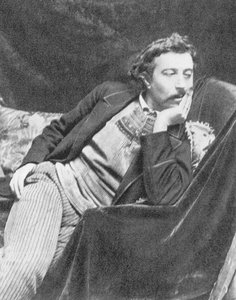
Eugène Henri Paul Gauguin
1848 - 1903 , Francija
Hitri podatki
- Artistic Movement Or Style: Post-Impressionizem, Simbolizem
- Artists Who Influenced This Artist:
- Camille Pissarro
- Vincent van Gogh
- Date Of Birth: 7. junij 1848
- Date Of Death: 8. maj 1903
- Full Name: Eugène Henri Paul Gauguin
- Nationality: Francoz
- Notable Artworks:
- Clearing
- Vahine no te miti
- Manao Tupapau
- Little Breton Shepherd
- Place Of Birth: Pariz, Francija
Sorodni članki

Paul Cézanne: 25 Mojstrovin, ki so spremenile svet umetnosti | OriginalUniqueArt
Odkrijte 25 mojstrovin Paula Cézanna – od impresionističnih krajin do revolucionarnih tihožitij. Preberite zgodbe za vsako sliko, tehnike in navdih. Kvalitetne reprodukcije slik na OriginalUniqueArt.com!
Najboljši 10 Postimpresionističnih Mojstrovin: Definirali Umjetnost & Dekor
Odkrijte 10 postimpresionističnih mojstrovin, ki so definirale umetnost! Van Gogh, Cézanne & Seurat – spoznajte zgodbe in tehniko za kulte umetnine. Najboljša zbirka slik na platnu in reprodukcij za vaš dom. Raziščite polno kolekcijo na OriginalUniqueArt.com!
Beyond Impressionism: Exploring the Emotional Depth of Post-Impressionist Painting
Explore the profound emotional depth & innovative techniques of Post-Impressionism with OriginalUniqueArt. Discover Cézanne, Van Gogh, Gauguin & more – and their lasting impact on modern art.
Beyond Impressionism: Exploring Emotional Depth & Formal Innovation in Post-Impressionist Art
Explore the profound emotional depth & formal innovations of Post-Impressionism with our expert guide. Discover Cézanne, Van Gogh, Gauguin & more. Learn about art history, collecting, and investing in this pivotal movement.
Paul Klee: 25 Mojstrovin za Navdih v Vašem Domu | OriginalUniqueArt
Odkrijte 25 mojstrovin Paula Kleeja – od ekspresionizma do abstraktnih kompozicij. Preberite zgodbe za vsako sliko, tehniko in navdih. Reprodukcije slik visoke kakovosti za vaš dom na OriginalUniqueArt.com! Raziskajte celotno zbirko online.


