

 Preverite v realnem okolju
 Pošlji kot čestitko
 Deli
Deli
 Podrobnosti
 Priročnik

 Prenesi
 Podobni artefakti
 Rentgenski posnetek
 Predvajaj diaporama
 Statistika
The First Communion
 Oil On Canvas
- WallArt
- Symbolism
 1896
1896- 19th Century
 65.0 x 53.0 cm
 Metropolitanski muzej umetnosti
 Preberi več
Giclée tisk / Umetniški tisk
Giclée ali platnati odtis muzejske kakovosti z hitro proizvodnjo in prilagodljivimi možnostmi končne obdelave. ( Naročite ročno slikano reprodukcijo Preklop na digitalno sliko)




P118B €10

P118H €10

P118W €10

P438Z €10

P508JH €12

P508YH €12

P805H €10

P805Z €10

P919BZ €10

P919G €10

P919XJ €10

P959ZH €10

P968JZ €12

W106C €8

W218G €10

W218JH €8

W218Y €10

W307PJ €10

W316G €10

W316PJ €8

W316Y €10

W398PJ €8

W4111J €10

W500HY €15

W500JH €15

W692G €12

W849H €8

W940BG €15

W953PJ €8




Izberite eno od naših vnaprej določenih velikosti, ki ustrezajo prvotnim proporcijam umetničkega dela.

Vnesite širino in višino, ki jih potrebujete za svoj okvir ali steno. Tiskanje se lahko le odreže, vendar ga ni mogoče narediti večjega od slike, zato format z drugačno obliko pomeni izgubo dela slike. Pred tiskanjem vam pošljemo digitalni predogled za potrditev. Slika, prikazana na tej strani, ne prikazuje dejanskega izrezkov — le predogled to omogoča.
Globalna dostava () v 2 tednih namesto standardnih 4/5 tednov. (26 oktober)

Brezplačna ekspresna dostava po vsem svetu

Visokokakovostno laneno platno

Popolno zavarovanje pošiljke

Garancija povračila carine in uvoznih davkov

Garancija popolnega barvnega ujemanja

Politika vračila v 100 dneh (le v primeru okvar)

Garancija 100% povračila denarja

Popust pri večjem naročilu
 Možnost stekla je na voljo le za velikosti pod 110 cm

The First Communion
Giclée tisk / Umetniški tisk
Velikost reprodukcije
-


Skupna cena
€ 70
The Haunting Beauty of "The First Communion": A Symbolist Portrait of Innocence
Eugène Anatole Carrière’s “The First Communion,” painted in 1896, isn't merely a depiction of a religious ceremony; it’s a profoundly evocative exploration of childhood innocence, spiritual yearning, and the subtle anxieties that lie beneath the surface of faith. This masterpiece, now housed within the collections of art institutions worldwide, exemplifies Carrière’s signature style – a near-monochrome palette dominated by muted browns and greys, creating an atmosphere of ethereal mystery and quiet melancholy. The painting immediately draws the viewer into a dreamlike space, where reality seems to soften and blur at the edges.
Carrière's artistic journey was deeply influenced by his time as a prisoner in Dresden during the Franco-Prussian War. Exposure to the works of Peter Paul Rubens, with their rich, glowing colors and dramatic lighting, left an indelible mark on his approach to painting. This influence is subtly present in “The First Communion,” though Carrière ultimately developed his own distinctive style – one characterized by a deliberate reduction of color to its most essential tones, emphasizing mood and atmosphere over precise representation. The use of brown creates a sense of timelessness, suggesting that the scene unfolds outside of specific time or place, existing instead within a realm of spiritual contemplation.
A Study in Symbolism: Veil, Light, and Shadow
The central figure of the painting – a young girl receiving communion – is enveloped in a veil, a potent symbol of purity, concealment, and nascent faith. The veil isn’t simply an article of clothing; it acts as a visual barrier, hinting at the mysteries surrounding religious initiation and the vulnerability inherent in entering into a sacred tradition. The lighting within the painting is equally significant. A diffused light source casts long shadows across the girl's face and gown, contributing to the overall sense of solemnity and introspection. The interplay of light and shadow creates a visual metaphor for the spiritual journey – a movement from darkness towards enlightenment.
Carrière’s technique is notable for its meticulous layering of paint and subtle blending. He eschews sharp outlines and bold brushstrokes, opting instead for a fluid, almost watercolor-like application that lends the scene an ethereal quality. The smooth texture of the canvas, combined with the delicate gradations of color, creates a sense of translucence, as if the girl herself is partially obscured by a veil of spiritual mist. The simplified forms and flattened perspective further enhance this dreamlike effect, distancing the viewer from a realistic portrayal and inviting them to contemplate the painting’s symbolic meaning.
Historical Context and Artistic Legacy
"The First Communion" was created during the late 19th century, a period of profound social and artistic change. The Symbolist movement, which Carrière embraced, sought to express subjective emotions and spiritual experiences through art, often rejecting the realism and materialism of earlier artistic traditions. This painting aligns perfectly with the Symbolist aesthetic – it’s not about depicting a literal event but rather conveying a complex range of feelings associated with religious initiation and the transition from childhood innocence to adult faith.
Carrière's work had a significant impact on subsequent generations of artists, particularly Pablo Picasso. The influence of Carrière’s monochrome palette and his exploration of psychological themes can be seen in Picasso’s Blue Period, demonstrating the enduring legacy of this enigmatic French artist. “The First Communion” remains a powerful testament to Carrière's artistic vision – a hauntingly beautiful portrayal of faith, innocence, and the mysteries of the human spirit.
Collecting a Timeless Masterpiece: Reproductions and Beyond
OriginalUniqueArt offers high-quality reproductions of “The First Communion,” allowing art lovers worldwide to experience the beauty and emotional depth of this iconic painting. Whether you’re seeking a stunning addition to your home or office, or simply want to connect with the artistic legacy of Eugène Carrière, our meticulously crafted reproductions capture the essence of the original while offering exceptional value. Explore our collection today and bring this evocative masterpiece into your world.
Vprašanja in odgovori
Kateri umetniški smer je "The First Communion" avtorja Evgen Anatol Karjer?
Umetnostni smer, povezana z delom "The First Communion" avtorja Evgen Anatol Karjer, je Symbolism. Ta klasifikacija delo uvršča med sorodne umetnike in umetniška dela.
Kakšno je barvno intenzivnost dela "The First Communion" avtorja Evgen Anatol Karjer?
Barve v delu "The First Communion" avtorja Evgen Anatol Karjer imajo Monochromatic intenzivnost.
Kdo je ustvaril "The First Communion"?
"The First Communion" pripisujemo Evgen Anatol Karjer.
Biografija umetnika
Zgodnje življenje in izobraževanje
Eugène Anatole Carrière, priznani francoski simbolistični slikar, se je rodil 16. januarja 1849 v Gournay-sur-Marneju, departmaju Seine-Saint-Denis. Že od zgodnje mladosti je pokazal izjemen talent za risanje in slikanje. Po končani osnovni šoli se je vpisal na École des Beaux-Arts v Parizu, kjer je študiral pod vodstvom priznanega akademika Cabanela. Ta izobraževanje mu je dalo trdne temelje v tehnikah risanja in slikanja ter ga pripravilo za nadaljnji umetniški razvoj. Čeprav se je sprva držal tradicionalnih smernic, je kmalu začel iskati lastenstveno izraznost, ki bi odražala njegove notranje občutke in vizije.Umetniški slog in vplivi
Carrièrejeva dela so najbolj prepoznavna po značilni monokromni rjavkasti paleti barv, ki je postala predmet fascinacije mnogih umetnostnih poznavalcev. Njegovo ustvarjanje je globoko zaznamovano vplivom Petra Paula Rubensa, katerega dela je spoznal med zaporniškim bivanjem v Dresdnu. Ta izkušnja ga je navdušila za bogato barvitost in dramatičnost Rubensove umetnosti, ki se odraža v svetlih odtenkih njegovih zgodnjih del. Kljub temu pa se Carrière ni omejil le na posnemanje Rubensa, temveč je razvil lastenstveno tehniko, ki združuje subtilnost in globino barv s prefinjenim črtanjem. Njegova dela odražajo tudi vplive stare mojstre, kot so Rembrandt in Caravaggio, ki sta ga navdušila z uporabo svetlo-temnih kontrastov in psihološko globino portretov.Pomembna dela in razstave
Med Carrièrejevimi najzgodnejšimi pomembnimi deli izstopa Mlada mati (1879), ki je danes shranjena v Musée des Beaux-Arts v Rouenu. To delo zaznamuje začetek njegovega zanimanja za teme družinskega življenja, ki bodo postale osrednji motiv njegovega ustvarjanja. Slikar se posveča intimnim prizorom iz vsakdanjega življenja, kjer prikazuje nežnost in ljubezen med materami in otroki. Njegova dela so bila razstavljena na Société Nationale des Beaux-Arts, ki jo je Carrière pomagal ustanoviti. Poleg Mlade matere veljajo za pomembna dela tudi Bolni otrok (Montargis), Prva obhajilo (Toulon) in Portret Louisa-Henrija Devillezza (1887). Zadnje delo je bilo posebej pohvaljeno zaradi umetnikove sposobnosti ujeti bistvo portretirane osebe. Carrière se je aktivno udeleževal razstav, kjer je predstavljal svoja dela javnosti in si pridobival priznanje kritikov in ljubiteljev umetnosti.Zapuščina in vpliv na moderno umetnost
Carrièrejeva monokromna tehnika je imela pomemben vpliv na številne moderne umetnike, med njimi predvsem Pabla Picassa, ki se je navdušil nad njegovim uporabo barv in oblike. Picasso je v obdobju modrega perioda posnemal Carrièrejevo tehniko, kar dokazuje njegovo trajno dediščino v svetu umetnosti. Poleg tega je bil Carrière pomemben učitelj na Académie de la Palette, kjer je vzgojil številne nadarjene slikarje in kipe. Njegova dela so navdihnila generacije umetnikov, da raziskujejo nove načine izražanja in se odmikajo od tradicionalnih smernic. Carrièrejeva zapuščina ni omejena le na njegovo tehniko, temveč tudi na njegovo filozofijo umetnosti, ki poudarja pomembnost človeške duše in notranjih občutkov. Njegova dela še danes burijo domišljijo in navdušujejo ljubitelje umetnosti po vsem svetu.
- Več Carrièrejevih del si lahko ogledate na OriginalUniqueArt.com/eugène anatole carrière
- Raziskajte Musée des Beaux-Arts de Rouen, kjer so shranjena nekatera zgodnja dela Carrièreja, na discovering the musée des beaux-arts de carcassonne (france)
- Izvedite več o simbolizmu in njegovem vplivu na umetnost na the symbolism art movement

Evgen Anatol Karjer
1849 - 1906 , Francija
Ključne informacije
- Datum Rojstva: 16. januar 1849
- Datum Smrti: 27. marec 1906
- Državljanstvo: Francoz
- Kraj Rojstva: Gournay-sur-Marne, Francija
- Polno Ime: Eugène Anatole Carrière
- Pomembna Dela:
- Bolni otrok
- Mlada mati
- Prva sveta hostija
- Umetniki Pod Vplivom: ['Picasso']
- Umetniški Smer: Simbolizem, Monokromija
- Vplivi Umetnikov: ['Rubens']
Sorodni članki
Sacred Narratives on Canvas: Exploring Religious Painting Through History
Explore the rich history of religious painting with OriginalUniqueArt.com! Discover iconic artworks, symbolism & techniques from antiquity to the Renaissance. Enhance your art appreciation today.
Charles Le Brun: Master of French Baroque Classicism & His Enduring Legacy
Explore the life & art of Charles Le Brun, master of French Baroque Classicism. Discover his royal commissions, influence on Versailles, and enduring legacy through detailed analysis & stunning artworks.
Sacred Narratives Embodied: A Comprehensive Exploration of Religious Iconography in Art History
Explore the rich history of religious iconography in art! Discover symbolism, movements & masterpieces from Byzantine to Renaissance periods. Expert insights for collectors and enthusiasts at OriginalUniqueArt.
Simon Vouet: A Baroque Master's Journey from Italian Influence to French Classicism
Explore the life & art of Simon Vouet, a pivotal French Baroque painter who introduced Italian styles to France. Discover his masterpieces and lasting influence on 17th-century art.
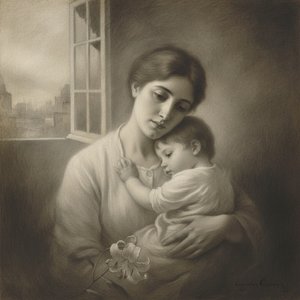
Eugène Carrière: The 'Peintre d'Âme' & Symbolist Portraiture’s Intimate Vision
Explore the haunting world of Eugène Carrière, a pivotal French Symbolist artist known for his deeply intimate portraits & 'peinture d'âme'. Discover his life, style, and lasting influence on modern masters like Picasso. Shop high-quality reproductions at OriginalUniqueArt.