

 Preverite v realnem okolju
 Pošlji kot čestitko
 Deli
Deli
 Podrobnosti
 Priročnik

 Prenesi
 Podobni artefakti
 Rentgenski posnetek
 Predvajaj diaporama
 Statistika
[Lady
 Acrylic On Canvas
- WallArt
- Expressionist Nature
 1922
1922 47.0 x 35.0 cm
 MAM Rio
 Preberi več
Giclée tisk / Umetniški tisk
Giclée ali platnati odtis muzejske kakovosti z hitro proizvodnjo in prilagodljivimi možnostmi končne obdelave. ( Naročite ročno slikano reprodukcijo Preklop na digitalno sliko)




P118B €10

P118H €10

P118W €10

P438Z €10

P508JH €12

P508YH €12

P805H €10

P805Z €10

P919BZ €10

P919G €10

P919XJ €10

P959ZH €10

P968JZ €12

W106C €8

W218G €10

W218JH €8

W218Y €10

W307PJ €10

W316G €10

W316PJ €8

W316Y €10

W398PJ €8

W4111J €10

W500HY €15

W500JH €15

W692G €12

W849H €8

W940BG €15

W953PJ €8




Izberite eno od naših vnaprej določenih velikosti, ki ustrezajo prvotnim proporcijam umetničkega dela.

Vnesite širino in višino, ki jih potrebujete za svoj okvir ali steno. Tiskanje se lahko le odreže, vendar ga ni mogoče narediti večjega od slike, zato format z drugačno obliko pomeni izgubo dela slike. Pred tiskanjem vam pošljemo digitalni predogled za potrditev. Slika, prikazana na tej strani, ne prikazuje dejanskega izrezkov — le predogled to omogoča.
Globalna dostava () v 2 tednih namesto standardnih 4/5 tednov. (22 oktober)

Brezplačna ekspresna dostava po vsem svetu

Visokokakovostno laneno platno

Popolno zavarovanje pošiljke

Garancija povračila carine in uvoznih davkov

Garancija popolnega barvnega ujemanja

Politika vračila v 100 dneh (le v primeru okvar)

Garancija 100% povračila denarja

Popust pri večjem naročilu
 Možnost stekla je na voljo le za velikosti pod 110 cm

[Lady
Giclée tisk / Umetniški tisk
Velikost reprodukcije
-


Skupna cena
€ 70
A Portrait of Quiet Intensity: Emil Nolde’s “Lady”
Emil Nolde's "Lady," painted in 1922, isn’t merely a portrait; it’s a distilled essence of introspection and subtle power. Executed in watercolor on paper, the work immediately possesses a captivating vintage quality – a delicate softness that belies the profound emotional depth contained within its simple composition. The painting depicts a woman, her features rendered with an almost hesitant delicacy, yet imbued with a remarkable stillness. Her gaze, directed slightly off-center, invites the viewer into a private world, fostering a sense of intimate observation rather than straightforward representation.
Nolde’s style at this period – roughly midway through his career – is characterized by an expressive use of color and a willingness to depart from photographic realism. He wasn't interested in capturing a likeness; instead, he sought to convey mood and feeling. The palette here is restrained yet luminous: muted blues and greens dominate, punctuated by the warm blush of her dress and the delicate pink of a flower nestled within her hair. This careful orchestration of color contributes significantly to the painting’s overall atmosphere – one of quiet contemplation and understated elegance.
The Echoes of Expressionism and Folk Art
To understand “Lady,” it's crucial to situate it within the broader context of Nolde’s artistic development. He was a key figure in Die Brücke (The Bridge), an early German Expressionist group that rejected academic traditions in favor of subjective experience and emotional intensity. However, unlike some of his fellow Brücke members, Nolde retained a strong connection to folk art – particularly the expressive power of primitive masks and carvings from his native Schleswig-Holstein. This influence is evident in the painting’s simplified forms and its avoidance of overly detailed rendering.
Furthermore, Nolde's early life profoundly shaped his artistic vision. Born Hans Emil Hansen into a family deeply rooted in rural traditions and religious beliefs, he carried with him a sense of connection to the natural world and a reverence for the spiritual. This is subtly reflected in the painting’s serene atmosphere and its suggestion of timelessness – as if the subject exists outside of conventional time and place.
Symbolism and the Enigma of the Subject
The flower in the woman's hair, a delicate pink bloom, carries significant symbolic weight. It represents beauty, fragility, and perhaps even remembrance. Its placement is deliberate, drawing attention to her face and subtly enhancing the sense of intimacy. The slight tilt of her head, combined with her averted gaze, creates an air of mystery – we are left wondering about her thoughts and feelings. Is she lost in contemplation? Does she hold a secret? Nolde deliberately avoids providing definitive answers, allowing the viewer to project their own interpretations onto the image.
The woman’s posture is remarkably relaxed, yet there's an underlying tension—a quiet strength that suggests resilience. She isn’t passively receiving; she is actively observing, holding herself with a dignified composure. This subtle interplay of vulnerability and fortitude makes “Lady” a compelling study in human character.
A Timeless Masterpiece: Reproduction Possibilities
OriginalUniqueArt offers meticulously crafted hand-painted reproductions of Emil Nolde’s "Lady," ensuring that the painting's delicate beauty and emotional resonance are faithfully preserved. Each reproduction is created by skilled artists using archival-quality materials, guaranteeing its longevity and authenticity. Whether you seek a stunning addition to your art collection or a unique piece for your interior design scheme, our reproductions provide an exceptional opportunity to experience the power and allure of this iconic work. The original’s intimate scale – 47 x 35 cm – is perfectly replicated, allowing you to bring Nolde's evocative portrait into your space with remarkable fidelity.
Vprašanja in odgovori
Kakšna je percepcija svetlobe pri delu "[Lady" avtorja Emil Nolde?
Zaznavana svetlina dela "[Lady" avtorja Emil Nolde je balanced. Lahko se prilagodi svetlobi v namenjenem prostoru.
Kako se v delu "[Lady" prepletata tehnika in gibanje?
"[Lady" avtorja Emil Nolde združuje tehniko Acrylic On Canvas s slogom Expressionist Nature. Tehnika in smer uporičujeta način izdelave ter slog dela.
Kako se slog dela "[Lady" povezuje z dobo njegove ustvarjalke ali ustvarjalca?
V delu "[Lady" avtorja Emil Nolde se gibanje Expressionist Nature srečuje z obdobjem 19. stoletje.
Biografija umetnika
Emil Nolde: Življenje in Zapuščina
Emil Nolde, izjemno priznani nemško-dansko slikar, se je rodil kot Hans Emil Hansen 7. avgusta 1867 v Noldeju, Schleswig-Holstein, Nemčija. Odraščal je v družini z močno vezjo na podeželsko življenje in verske prepričanja, ki so globoko vplivala na njegov umetniški vid. Kljub prvotnemu nasprotovanju staršev, ki so mu želeli bolj konvencionalno kariero, je Nolde vztrajno sledil svoji strasti do umetnosti. Sprva je delal kot rezbar in pohištvenik, preden se je konec dvajdesetih let v celoti posvetil slikanju.
Umetniški Razvoj in Vplivi
Noldejeva umetniška pot je bila zaznamovana z avtoedukacijo in raziskovanjem. Obsežno je potoval, vpijal vplive različnih kultur in umetnostnih oblik. Zgodnji vplivi so vključevali Vincenta van Gogha, Paula Gauguina in tradicionalno ljudsko umetnost – zlasti ekspresivno moč primitivnih mask in rezbarij. Ti sreči so spodbudile njegovo zanimanje za drzne barve, poenostavljene oblike in čustveno nabojne teme. Sprva je eksperimentiral z realizmom in impresionizmom, a se je hitro odpravil v bolj subjektiven in ekspresiven slog.
Die Brücke in Ekspresionistični Preboj
Leta 1905 je Nolde soustanovil Die Brücke (Most), ključno skupino nemških ekspresionističnih umetnikov. Ta kolektiv si je prizadeval odstopiti od akademskih tradicij in izražati notranja čustva skozi radikalne umetniške eksperimente. Noldejev prispevek k Die Brücke je bil pomemben; njegova intenzivna uporaba barv in popačene oblike so premaknile meje reprezentacije. Vendar pa je znotraj skupine ohranil nekoliko neodvisno pot, pogosto se razlikoval v temah in stilskih pristopih.
Ključne Teme in Umetniški Stil
Noldejevo delo zaznamujejo ponavljajoče se teme: verski prizori, krajine, morski pogledi in portreti. Posebej ga je fascinirala moč mask – tako kot fizični predmeti kot simbolične reprezentacije prvotnih čustev. Njegov umetniški stil je opredeljen z:
- Drznimi, živahnimi barvami, uporabljenimi za posredovanje čustvene intenzivnosti
- Pripomorjenimi oblikami, ki poudarjajo ekspresijo namesto realistične reprezentacije
- Impasto tehniko – debelo nanašanje barve ustvarja teksturo
- Osredotočenost na zajemanje notranjih psiholoških stanj
Pomembna Dela in Dosežki
Čez celotno kariero je Nolde ustvaril obsežno delo. Nekatera izmed njegovih najbolj priznanih slik vključujejo:
- Maske (1906-1907) – prikazujejo njegovo fascinacijo s primitivno umetnostjo
- Posmehovanje Kristusu (1909) – močan in čustveno nabojni verski prizor
- Jesensko morje (1908) - prikazuje njegov ekspresiven slikoviti slog.
- Cvetlični vrt (Deklica in pranje) (1907)
- Ples okoli zlatega teleta (1909)
Kljub kritiki in cenzuri med nacističnim režimom – njegovo delo so označili za “degenerirano” – je Nolde nadaljeval s slikanjem v tajnosti. V tem obdobju je ustvaril pomembno zbirko akvarelov, ki dokazujejo njegov neomajen trud za umetniški izraz.
Zgodovinski Pomen in Zapuščina
Emil Noldejeva inovativna uporaba barv in ekspresivnih potez je globoko vplivala na generacije umetnikov. Njegovo delo je premostilo vrzel med tradicionalno reprezentativno umetnostjo in abstraktnimi gibanji, ki so sledila. Ostaja osrednja figura v zgodovini nemškega ekspresionizma, slavljen zaradi svoje čustvene intenzivnosti, drzne eksperimentacije in trajnega umetniškega vida. Njegova zapuščina še naprej navdihuje umetnike in ljubitelje umetnosti po vsem svetu.
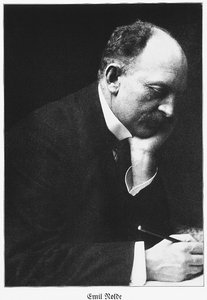
Emil Nolde
1867 - 1956 , Nemčija
Ključne informacije
- Datum Rojstva: 7. avgust 1867
- Datum Smrti: 1956
- Državljanstvo: Nemško-dansko
- Kraj Rojstva: Nordel, Nemčija
- Polno Ime: Emil Nolde
- Pomembna Dela:
- Maske
- Posmehovanje Kristusa
- Cvetlični vrt (Dekle in pranje)
- Umetniški Smer: Ekspresionizem
- Vplivi Umetnikov:
- Vincent van Gogh
- Paul Gauguin
Sorodni članki

Watercolor Wonders: 10 Masterpieces That Redefined Art History | OriginalUniqueArt
Journey through 10 legendary watercolor masterpieces by Sargent, Turner & Homer! Explore iconic landscapes, portraits & floral art that redefined history. Find museum-quality reproductions and curated decor ideas at OriginalUniqueArt.com.

Akvarelna umetnost skozi čas: zgodovina, tehnike in sodobne interpretacije
Odkrijte zgodovino akvarelne umetnosti, tehnike slikanja in slovenske mojstre! Nasveti za materiale, digitalni akvarel ter naročilo unikatnih reprodukcij. OriginalUniqueArt – vaša vrata v svet akvarela.

Ephemeral Visions: Exploring the Artistic Legacy & Nuances of Watercolor Painting
Explore the captivating world of watercolor painting! Discover its rich history, essential techniques, influential artists & collecting tips from art experts. A comprehensive guide for enthusiasts.

Ephemeral Visions: Exploring the Artistic Legacy & Contemporary Practice of Watercolor Painting
Explore the captivating world of watercolor painting! Discover its rich history, essential techniques, influential artists & collecting tips. A comprehensive guide for art enthusiasts from OriginalUniqueArt.

Ephemeral Visions: Exploring the History & Emotional Resonance of Watercolor Painting
Explore the captivating history of watercolor painting, from ancient techniques to modern masters like Kandinsky & Blake. Discover essential artists, collecting tips & the emotional power of this luminous medium. Expert insights for art enthusiasts.

