Preverite v realnem okolju
 Pošlji kot čestitko
 Deli
Deli
 Podrobnosti
 Priročnik

 Prenesi
 Podobni artefakti
 Rentgenski posnetek
 Predvajaj diaporama
 Statistika
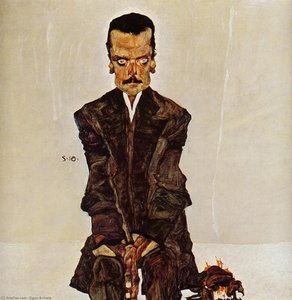
Selfportret z poudenimi rtanji
 Oglje
Oglje- Stenska umetnost
- Expressionism
 1910
1910- Moderna doba
 305.0 x 443.0 cm
 Leopoldov muzej
 Preberi več
Giclée tisk / Umetniški tisk
Giclée ali platnati odtis muzejske kakovosti z hitro proizvodnjo in prilagodljivimi možnostmi končne obdelave. ( Naročite ročno slikano reprodukcijo Preklop na digitalno sliko)




P118B €10

P118H €10

P118W €10

P438Z €10

P508JH €12

P508YH €12

P805H €10

P805Z €10

P919BZ €10

P919G €10

P919XJ €10

P959ZH €10

P968JZ €12

W106C €8

W218G €10

W218JH €8

W218Y €10

W307PJ €10

W316G €10

W316PJ €8

W316Y €10

W398PJ €8

W4111J €10

W500HY €15

W500JH €15

W692G €12

W849H €8

W940BG €15

W953PJ €8




Izberite eno od naših vnaprej določenih velikosti, ki ustrezajo prvotnim proporcijam umetničkega dela.

Vnesite širino in višino, ki jih potrebujete za svoj okvir ali steno. Tiskanje se lahko le odreže, vendar ga ni mogoče narediti večjega od slike, zato format z drugačno obliko pomeni izgubo dela slike. Pred tiskanjem vam pošljemo digitalni predogled za potrditev. Slika, prikazana na tej strani, ne prikazuje dejanskega izrezkov — le predogled to omogoča.
Globalna dostava () v 2 tednih namesto standardnih 4/5 tednov. (23 oktober)

Brezplačna ekspresna dostava po vsem svetu

Visokokakovostno laneno platno

Popolno zavarovanje pošiljke

Garancija povračila carine in uvoznih davkov

Garancija popolnega barvnega ujemanja

Politika vračila v 100 dneh (le v primeru okvar)

Garancija 100% povračila denarja

Popust pri večjem naročilu
 Možnost stekla je na voljo le za velikosti pod 110 cm

Selfportret z poudenimi rtanji
Giclée tisk / Umetniški tisk
Velikost reprodukcije
-


Skupna cena
€ 70
Self-Portrait with Striped Shirt: A Window Into Schiele’s Soul
Egon Ščilejev "Self-Portrait with Striped Shirt," slikan v letu 1910, preseka preprosto predstavitev; vsebuje strahove in razmisličenja, značilna za ekspresionizem – gibanje, ki je iskalo izražanje čutnih emocij namesto objektivne resnice. Ta privlačen platno oštevek uhača mladeniča, ki pogumno gleda vanjšto, s očmi, polnimi znatiželnosti in morda strahu, kar takoj vzpostavlja povezavo z ogledovalcem, ki govori veliko o umetniškem vizionarskem pogledu Ščileja. Umetnik je natančno ustvaril to sliko, uporabljal oglje in gvaš na papirju – tehniko, ki jo cenili zaradi njene sposobnosti doseči tako tonalno nuanco kot teksturno globino – da bi posredoval bistvo človeške izkušnje v močno simbolni obliki.Raziskovanje kontrastov: Barvna paleta in kompozicija
Ščilejev nadarjen nadzor nad barvami je evidenten skozi celotno portretno delo. On nasprotuje hladnim sivim tonom v predelu čela z toplimi rdečimi, ki izhajajo iz lica in ušesa, ustvarjajo dinamično interakcijo, ki odraža kompleksnost človeških emocij. Subtilni modri toni so strateško uporabljeni za poudarjanje temno rjavih prič, dodajajo element vizualne bogatega in subtilno nasvetujejo duhovno razmisličenje. Poleg tega je tudi sam kompozicija skrbno premisljena – preveliko glavo, ki se naslanja na tanek vrat – to je namerno gesto, ki poudarja ranljivost in fragilnost. Pletenasto majico uporablja kot kompozicijski balans, priključi figure proti obsegu ozadja ter hkrati simbolizira zadržanost in morda celo ujetništvo.Tehnika in izraz: Ščilejeva značilna črta
Ščilejeva edinstvena sloga je takoj prepoznana po njegovi značilni tehniki risanja – karakterizirani z debelimi, razburkanimi potezami, ki prenašajo prevladujoče občutek nenebe in emocij. Umetnik se izogiba tehnikam glajenega mešanja, namesto tega pa uporablja namerno neravnoteženost, ki ujeti takojšnjo opaznost in vportretu daje čutečo psihološko intenzivnost. Opazite, kako Ščilej prikazuje rokavo s vodno barvo, dosežejo tako delikatno teksturno kontrasto z moznimi potezami glave – to je mojster dokaz o umetniški vsestojarnosti in ključna komponenta celotnega izraznega učinka.Kulturni kontekst: Zelo zgodnji ekspresionizem
Slikano med zgodnjih letih ekspresionizma, "Self-Portrait with Striped Shirt" odraža prevladujoče teme gibanja – smrtnost, strah in psihološka mučna. Navdihani umetniki, kot je Gustav Klimt, se je Ščilej boril s globokimi osebnimi težnami - vključno z boleznijo in kasnejo smrtjo očja - kar je spodbujalo njegovo umetniško raziskovanje temnejših emocij. Portret je dokazovalnost Ščilejeve sposobnosti, da prenaša notranjo motnjo v vizualni obliki, s tem pa se je uvrstil med najvplivnejše figure tega gibanja.Simbolizem: Oči, ki vidijo mimo površine
Poleg formalnih elementov je "Self-Portrait with Striped Shirt" naložen simbolno pomensko vrednost. Pogled mladeniča – neposreden in vztrajen – nakazuje željo po prodorju čez površinske poglede, soočanje s filozofskimi vprašanji o identiteti in cilju. Ščilejev prikaz lica - še posebej oči - uhača ne le fizično podobnost, ampak tudi notranjega stanja globoke introspekcije – odraz umetnikovih lastnih zaposlitev z duhovno raziskavo in neuslišani pogled na človeško stanje. Ta delo še vedno resonira danes kot pomemben opomin na moč umetnosti, da izrazi emocije in spodbudi razmislek.Vprašanja in odgovori
Na kakšen način je bila izdelana dela "Selfportret z poudenimi rtanji" in katere so njene dimenzije?
"Selfportret z poudenimi rtanji" je izdelano z uporabo tehnike Oglje in v svoji prvotni obliki meri 305 x 443 cm.
Od kod prihajajo obiskovalci dela "Selfportret z poudenimi rtanji" avtorja Egon Ščile?
Za delo "Selfportret z poudenimi rtanji" obstaja stran Statistika. Ta prikazuje mesečno število obiskov tega dela in drugih del umetnika, s razdelitvijo po državah in jezikih.
Katera velikost reprodukcije se priporoča za "Selfportret z poudenimi rtanji" avtorja Egon Ščile?
Priporočena velikost tiska za "Selfportret z poudenimi rtanji" avtorja Egon Ščile je Velika dimenzija.
Biografija umetnika
Egon Schiele: Austrian Expressionist Painter
Austrian art has since acquired legendary status in interdisciplinary cultural studies. Histories of modern Austrian art generally begin with the architectural boom that swept Vienna in the second half of the nineteenth century. During this period of strong economic growth, the Emperor Franz Josef constructed a necklace of public edifices along the broad Ringstrasse that encircles Vienna’s inner city, prompting artists to flock to the capital from all over to compete for decorative mural commissions. The most renowned painter of the era was Hans Makart, but the young Gustav Klimt also earned his reputation executing commissions on the interior walls of structures such as theaters and museums. The favored style combined a sort of blowsy eroticism with a firm grip on classical and historical allegory. Starting from his masterpiece *The Kiss*, Klimt gradually moved away from the accepted formula, however, evolving a personal symbolism that was less conventionally readable as well as more overtly sexual. This combination proved devastating so far as the tasted of staid Vienna were concerned: Klimt was banished from the ranks of public muralists, and henceforth had to seek support solely from well-heeled private patrons.
Early Life & Influences
Egon Schiele was born in Tulln an der Donau – a picturesque region with vineyards, onion-domed towers and Baroque monasteries. Yet this idyllic setting is hardly reflected in his work.
Instead, many of his landscapes appear melancholic, sometimes sombre. Perhaps he was processing the early death of his father from syphilis and the subsequent loss of his sister Elvira.
Raised initially by his mother and then under the somewhat controlling guardianship of his uncle Leopold Czihaczek, Schiele’s childhood lacked conventional stability but fostered a fiercely independent spirit. Even as a boy, he displayed an intense fascination with trains—a motif that subtly reappeared in later paintings—and a burgeoning talent for drawing, though this was initially met with disapproval from his father who saw it as a distraction from more practical pursuits. The early death of his sister Elvira also cast a long shadow over the young artist’s psyche. These formative experiences instilled within him a sensitivity and an emotional rawness that would become hallmarks of his artistic expression, a constant grappling with themes of life, death, and the human condition.
Vienna Secession & Artistic Breakthrough
Schiele's formal artistic training began at the Kunstgewerbeschule (School of Arts and Crafts) in Vienna, but he quickly found itself stifled by its conservative approach. He transferred to the Akademie der bildenden Künste (Academy of Fine Arts), only to become further disillusioned with its rigid academic traditions. This dissatisfaction led him to abandon formal training altogether, choosing instead to forge his own path, a testament to his unwavering artistic conviction.
The influence of Gustav Klimt was pivotal during these early years; Schiele admired Klimt’s decorative style and exploration of symbolism, even receiving mentorship from the established artist.
He co-founded the Neues Wiener Kunstgruppe (New Viennese Art Group) in 1909, aligning himself with other progressive artists who challenged the prevailing artistic norms. His distinctive style features elongated figures, contorted poses, and expressive lines that convey a sense of unease and emotional intensity.
Style Characteristics & Recurring Themes
Schiele’s art is immediately recognizable for its raw honesty and psychological depth.
He fearlessly confronted themes often considered taboo – sexuality, death, anxiety, isolation – with an unflinching gaze.
His distinctive style features elongated figures, contorted poses, and expressive lines that convey a sense of unease and emotional intensity. The human form, particularly the nude, became his primary subject, not as an object of idealized beauty but as a vessel for exploring the complexities of human experience.
Schiele didn’t shy away from depicting himself in unflattering or vulnerable poses, revealing a profound level of self-awareness and introspection.
Legacy & Recognition
Despite facing censorship and legal challenges – including a brief imprisonment for allegedly corrupting minors with his art – Schiele gained recognition within Vienna’s avant-garde circles.
His work challenged the conventions of the time, provoking both admiration and outrage.
By the time of his untimely death during the Spanish flu pandemic in 1918 at the age of twenty-eight, he had established himself as a leading figure in Austrian Expressionism. Significant works such as *Self-Portrait with Physalis*, *Couple Embracing*, and *Field Landscape (Kreuzberg near Krumau)* stand as testaments to his artistic genius.
His influence on subsequent generations of artists is undeniable, particularly those interested in exploring psychological themes and challenging conventional artistic norms.

Egon Ščile
1890 - 1918 , Avstrija
Ključne informacije
- Artistic Movement Or Style: Expresionismo
- Artists Who Influenced This Artist: ['Gustav Klimt']
- Date Of Birth: 12 giugno 1890
- Date Of Death: 31 octubre 1918
- Full Name: Egon Schiele
- Nationality: Austriaco
- Notable Artworks:
- Autoritratto con Physalis
- Giovane coppia
- Paesaggio campo (Kreuzberg)
- Place Of Birth: Tulln an der Donau, Austria
Sorodni članki
Egon Schiele: 25 Mojstrovin Ekspresionizma za Vaš Dom | OriginalUniqueArt
Odkrijte 25 mojstrovin Egona Schieleja – avstrijskega ekspresionista! Preberite zgodbe za vsako sliko, tehnike in simbolizem. Kvalitetne reprodukcije slik za vaš dom na OriginalUniqueArt.com. Raziskajte celotno zbirko online!
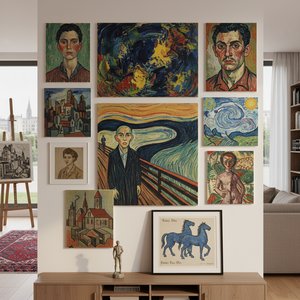
Izrazi čustev: 10 mojstrovin ekspresionizma za vaš dom
Odkrijte 10 mojstrovin ekspresionizma, ki so zaznamovale umetnost! Edvard Munch, Nolde & Kirchner – spoznajte zgodbe in čustva za vsakim delom. Najboljša zbirka reprodukcij na OriginalUniqueArt.com!
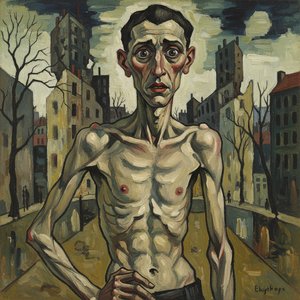
Egon Schiele: Expressionism, Anxiety & the Modern Condition – A Comprehensive Exploration
Explore the emotionally charged world of Egon Schiele (1890-1918). Discover his Expressionist masterpieces, psychological themes, and lasting impact on modern art. A comprehensive guide for collectors & enthusiasts.
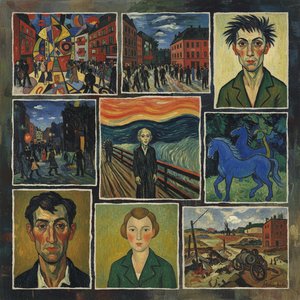
Expressionist Painting: 10 Masterpieces That Defined a Movement | OriginalUniqueArt
Explore 10 Expressionist paintings that revolutionized art! Discover Munch, Kirchner & Kandinsky's iconic works. Find museum-quality reproductions and vibrant canvas prints to elevate your home decor on OriginalUniqueArt.com.

The Inner Landscape: Exploring Themes of Introspection in Visual Art Across Movements & Eras
Explore the captivating world of introspective art! Discover how artists across eras – from Rembrandt to Kahlo – used self-portraiture to reveal their inner worlds and emotional depths. A journey through art history & psychology.