Pictorialism · 1920
Sunflower (Edward Steichen, 1920)
Edward Steichen (1900–1973) je izdelal Sunflower. Zajema obdobje iz leta 1920. Spada v smer Pictorialism. Izdelano je iz Acrylic On Canvas. Del se nahaja v muzeju George Eastman Museum v mestu Rochester, Združene države Amerike. Dimenzije so 19 × 24 cm.
- 1920
- Acrylic On Canvas
- 19 × 24 cm
- George Eastman Museum, Rochester

 Predogled v realnem okolju

 Ročno izdelano oljno slikarstvo
 Pošlji
 Deli
 Informacijski list


 Prenesi sliko
 Podobni izdelki
 Rentgenski posnetek
 Predvajaj diaporama
 Vprašanja in odgovori

 Statistika
Sunflower, na kratek
- Naslov
- Sunflower
- Avtor
- Edward Steichen (1900–1973)
- Umetnik, rojen v
- Bivange, Luksemburška
- Datum
- 1920
- Tehnika
- Acrylic On Canvas
- Dimenzije
- 19 × 24 cm
- Kje je videti
- George Eastman Museum, Rochester, Združene države Amerike
- Gibanje
- Pictorialism
- Obdobje
- 19th Century
- Tema
- sunflower, edward steichen, photography, art, landscape, composition
Kaj prikazuje Sunflower?
A Luxembourgian Seed Takes Root: The Genesis of “Sunflower”
Edward Steichen’s 1920 painting, "Sunflower," isn’t merely a depiction of a flower; it's a poignant distillation of memory, displacement, and the enduring search for belonging. Born in the small, unassuming village of Bivange, Luxembourg, in 1879 – a region steeped in history and shadowed by the shifting borders of Europe – Steichen’s early life was marked by an emigration to America at just eighteen months old. This relocation, a common experience for Luxembourgers facing economic hardship, instilled within him a profound sense of rootlessness, a feeling that would subtly permeate his artistic vision throughout his career. The painting itself emerges from this context; it's not simply a botanical study but a visual echo of a past left behind, a yearning for stability amidst constant change.
Steichen’s journey to America was fueled by the hope of opportunity and a desire to escape the limitations imposed by his birthplace. He quickly immersed himself in the vibrant artistic scene of Milwaukee, Wisconsin, where he honed his skills as a lithographer and began experimenting with photography – a medium that would ultimately become his defining voice. This early exposure to both visual arts laid the groundwork for his later ability to capture light, texture, and emotion with remarkable precision.
The Pictorialist’s Palette: Technique and Style
“Sunflower” exemplifies Steichen's mastery of the pictorialist style – a movement that sought to elevate photography to the level of fine art. The painting is rendered in tempera and oil on canvas, utilizing a muted palette dominated by earthy browns, ochres, and subtle greens. These colors evoke the rich soil from which the sunflower springs, grounding the image in a sense of naturalism while simultaneously lending it an air of quiet contemplation. Steichen’s brushwork is deliberately soft and blended, creating a hazy, dreamlike quality that obscures sharp details and invites the viewer to lose themselves within the scene.
The composition itself is carefully constructed. The sunflower dominates the center of the frame, its broad petals radiating outwards in an explosion of color and form. Steichen employs a technique known as *sfumato*, borrowed from Renaissance painting, to soften edges and create a sense of atmospheric perspective. This blurring effect not only adds depth but also contributes to the painting’s overall mood of melancholy and nostalgia. The lighting is particularly noteworthy – a diffused, almost ethereal glow that seems to emanate from within the flower itself, suggesting an inner life and vitality.
Symbolism in Bloom: Memory, Displacement, and Resilience
The sunflower, as a symbol, carries layers of meaning. Historically, it has represented adoration, loyalty, and longevity – qualities that resonate deeply with Steichen’s own experiences. The flower's tendency to follow the sun is often interpreted as a metaphor for seeking guidance and direction in life, a theme particularly relevant to an artist grappling with displacement and uncertainty. The painting can be seen as a visual representation of Steichen’s own journey – his departure from Luxembourg, his struggles to find acceptance in America, and his ongoing quest for artistic fulfillment.
Furthermore, the sunflower's association with remembrance is significant. It’s often used as a symbol of mourning and remembrance, connecting to the broader context of Steichen’s life – marked by personal loss and the challenges of adapting to a new culture. Despite these hardships, however, “Sunflower” ultimately conveys a sense of resilience and hope. The flower's vibrant colors and upward-reaching form suggest an enduring spirit, a testament to the human capacity for growth and renewal.
A Legacy in Light: Steichen’s Enduring Influence
Edward Steichen’s “Sunflower” stands as a powerful example of his artistic vision – a synthesis of technique, symbolism, and personal experience. His pioneering work in photography and painting profoundly influenced generations of artists, shaping the course of modern visual culture. Today, reproductions of this evocative image continue to captivate viewers with their quiet beauty and poignant message. It serves as a reminder that even amidst displacement and hardship, there is always room for growth, remembrance, and the enduring pursuit of light.
V katerem muzeju se nahaja Sunflower?
George Eastman Museum
Rochester, Združene države Amerike
Dediščina, vrezana v svetlo V mirni, zelenj pravi pokrajini mesta Rochester v državi New York stoji spomenik, ki ne slavi le umetnosti, temveč samega izuma vizualnega pripovedovanja zgodb. Muzej Georgea Eastmana je precej več kot le skladišče fotografij in filmov; je živi testament neskončne človeške želje po ujemanju trenutkov, ohranjanju spominov, ki hitro izbledijo, in deljenju globokih vizij. Ta institucija, ki jo je postavil vizionarski podjetnik George Eastman — človek, ki je s svojimi revolucionarnimi kamerami Kodak demokratiziral fotografijo — predstavlja izjemno zlitje tehnološkega inoviranja, umetniškega izražanja in arhitekturne veličastnosti.


Visokoresolucijske slike dela Sunflower

Protected by copyright: these files are for personal reference, not a licence to republish.
Edward Steichen, Sunflower (1920), George Eastman Museum.
Odgovori na vprašanja o Sunflower
Kje je danes razstavljeno "Sunflower" avtorja Edward Steichen?
Originalno delo "Sunflower" lahko vidite v muzeju George Eastman Museum, Rochester, Združene države Amerike.
Kateri je datum nastanka dela "Sunflower" avtorja Edward Steichen?
"Sunflower" avtorja Edward Steichen je nastalo leta 1920.
Z kakšno tehniko je izdelano "Sunflower"?
"Sunflower" je izdelano z uporabo tehnike Acrylic On Canvas.
Kakšna je dejanska velikost dela "Sunflower" avtorja Edward Steichen?
Dimenzije originalnega dela "Sunflower" avtorja Edward Steichen so 24 x 19 cm.
Kaj prikazuje "Sunflower" avtorja Edward Steichen?
Tematika v delu "Sunflower" avtorja Edward Steichen vključuje sunflower, edward steichen, photography, art, landscape, composition, color, 1920, ki skupaj predstavljajo vsebino umetninškega dela.
Ali se lahko slika "Sunflower" avtorja Edward Steichen prosto reproducira?
"Sunflower" avtorja Edward Steichen je v javni domeni (še vedno pod avtorsko zaščito). Ta status določa način, kako se lahko slika dela reproducira.
Kdo je avtor dela "Sunflower"?
Avtor dela "Sunflower" je Edward Steichen. Del je katalogiran pod imenom Edward Steichen.
Kateri umetniški slog pripada "Sunflower"?
"Sunflower" je del umetniškega sloga Pictorialism, ki predstavlja umetniško tradicijo, v katero je delo vključeno.
V katero obdobje umetnostnega razvoja Edward Steichen pripada delo "Sunflower"?
V okviru kariere umetnika Edward Steichen delo "Sunflower" pripada obdobju Early Period, kar omogoča primerjavo z ostalimi umetnikovimi deli.
O umetniku, Edward Steichen

1900–1973, Luksemburška
Edward Steichen
Življenje, ki premosti svetove: Umetniška odprava Edwarda Steichena Édouard Jean Steichen, pozneje znan kot Edward Steichen, je bil나 lik, ki se je izstopal iz vseh preprostih razvrstitev. Rodil se je leta 1879 v majhnem vasi Bivange v Luksemburškem, njegova pot pa se je spremenila v izjemno pot od evropskih korenin do postajanja enega najbolj vplivnih ameriških umetnikov – ne le kot fotografa, temve vlagi kot slikar, kurator in vizionar, ki je preoblikoval naš način zaznavanja vizualne kulture. Prva leta je zaznamovalo pomembno preseljenje; leta 1881 se je družina Steichen izselila v Hancock v Michigan, kjer so iskali nove priložnosti. Ta premik je mlademu Edwardu vplil občutek premikanja in morda povečano občutljivost pri opazovanju – lastnosti, ki bodo globoko oblikovale njegovo umetniško vizijo.
Tudi dela avtorja Edward Steichen
 Le Tournesol (The Sunflower)1920
 Behind-the-scenes photograph, Paying the Piper1921
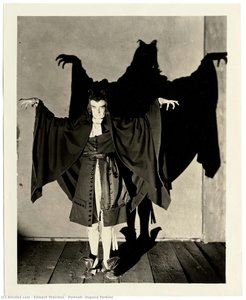 Portrait, Osgood Perkins1923
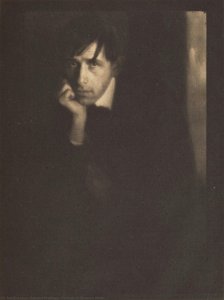 Portrait of Clarence White1905
Eseji o delu Sunflower
 Pictorialism Unveiled: How the Aesthetic Revolution Transformed Photography into Fine ArtExplore the revolution of Pictorialism. Discover how visionary photographers moved beyond documentation to transform the lens into a fine a…
 19th Century Masterpieces: 10 Paintings That Defined an Era | OriginalUniqueArtJourney through 19th century art with OriginalUniqueArt! Explore 10 iconic paintings – from Monet & Renoir to Courbet – and discover the st…
 Sunlight on Canvas: The Radiant Symbolism of Yellow Flowers in Impressionist ArtExplore the profound symbolism of yellow flowers in Impressionist art through expert analysis. Discover the light of the masters today.