

 Preverite v realnem okolju
 Pošlji kot čestitko
 Deli
Deli
 Podrobnosti
 Priročnik

 Prenesi
 Podobni artefakti
 Rentgenski posnetek
 Predvajaj diaporama
 Statistika
The End -1
 Acrylic On Canvas
- WallArt
- Pop Art
 1993
1993 510.0 x 662.0 cm
 Tate Britain
 Preberi več
Umetniška dela, prikazana na tej strani, so zaščitena z avtorskimi pravicami, kar pomeni, da po zakonu ne moremo ustvarjati ali prodajati identičnih reprodukcij. Ta zaščita se izvaja v skladu z mednarodnimi sporazumi, kot so Bernska konvencija in po nacionalnih zakonih, vključno s tistimi, ki jih določa Zakon o avtorskih pravicah ZDA – naslov 17.
Kot spoštljiva in zakonita alternativa ponujamo prilagojena, ročno slikana umetniška dela, navzornena na original. Naši sposobni in profesionalni umetniki skrbno preučijo stil, vzdušje in umetniško bistvo originala, da ustvarijo novo, edinstveno delo, ki vzbudi enak občutek – pri čemer ostaja popolnoma nova, samostojna izvirna stvar.
Ta način v celoti upošteva zakonodajo o avtorskih pravicah, saj ne vključuje kopiranja ali podvajanja zaščitena umetniškega dela. Namesto tega gre za kreativno preinterpretacijo – novo sliko, ki je navdihnjen rezultat originala, vendar ni z njim identična.
Ročno izdelana oljna reprodukcija
Ročno slikano olje na platnu v vaši izbiri velikosti in okvirja, izdelano po naročilu naših umetnikov. ( Preklop na tiskanine Preklop na digitalno sliko)




P118B €10

P118H €10

P118W €10

P438Z €10

P508JH €12

P508YH €12

P805H €10

P805Z €10

P919BZ €10

P919G €10

P919XJ €10

P959ZH €10

P968JZ €12

W106C €8

W218G €10

W218JH €8

W218Y €10

W307PJ €10

W316G €10

W316PJ €8

W316Y €10

W398PJ €8

W4111J €10

W500HY €15

W500JH €15

W692G €12

W849H €8

W940BG €15

W953PJ €8




Izberite eno od naših vnaprej določenih velikosti, ki ustrezajo prvotnim proporcijam umetničkega dela.

Vnesite širino in višino, ki jih potrebujete, da se slika prilega vašemu okviru ali steni. Ker je delo ročno slikano, lahko umetnik pri različnih oblikih slik pri robovih doda malo več barve ali pa jih malo odreže — izberite sami. Pred začetkom slikanja vam pošljemo digitalni predogled za potrditev. Slika, prikazana na tej strani, ni končni rezultat — le predogled prikazuje dejansko podobo.
Po oddaji naročila bo ekipa OriginalUniqueArt.com stranki po e-pošti poslala navodila in predogled digitalnega predogleda.
Mednarodna dostava () v 3/4 tednih namesto običajnih 5 tednov. (24 oktober). Brez kompromisov pri kakovosti.

Brezplačna ekspresna dostava po vsem svetu

Visokokakovostno laneno platno

Popolno zavarovanje pošiljke

Garancija povračila carine in uvoznih davkov

Garancija popolnega barvnega ujemanja

Politika vračila v 100 dneh (le v primeru okvar)

Garancija 100% povračila denarja

Popust pri večjem naročilu
 Možnost stekla je na voljo le za velikosti pod 110 cm

The End -1
Tehnika reprodukcije
Velikost reprodukcije
-


Skupna cena
€ 264
The Fractured Echoes of “The End” – A Meditation on Decay and Finality
Edward Ruscha’s “The End,” created in 1993, isn't merely a painting; it’s an unsettling meditation on the transient nature of existence, rendered with a stark minimalism that belies its profound emotional weight. The work immediately confronts the viewer with a fragmented visual vocabulary – two rectangular panels dominated by the repeated phrase “The End,” each section partially obscured by vertical lines resembling scratches or deliberate markings. These aren't clean, precise cuts; they’re rough, uneven interventions that suggest a process of erosion, as if the text itself is slowly being consumed by time and decay. The grayscale palette—ranging from near-white to deep charcoal—further amplifies this sense of disintegration, evoking the faded tones of old photographs or weathered documents. It's a deliberate rejection of vibrant color, prioritizing texture and suggestion over overt representation.A Rooted History: Ruscha’s Pop Art Legacy and Los Angeles Vernacular
Ruscha’s work is deeply intertwined with the trajectory of American art in the late 20th century. Emerging from the Ferus Gallery scene in Los Angeles during the height of the Pop Art movement, he absorbed the influence of figures like Warhol and Lichtenstein while simultaneously forging his own distinct path. However, unlike the celebratory embrace of consumer culture often associated with Pop Art, Ruscha’s work frequently operates on a more melancholic register. He wasn't interested in replicating mass-produced imagery; instead, he sought to capture the essence of Los Angeles – its sprawling infrastructure, its anonymous landscapes, and its underlying sense of alienation. “The End” can be seen as a culmination of this exploration, reflecting a growing disillusionment with the promises of the American Dream. The reference to the Hollywood Boulevard photograph series, created in 1973, highlights this connection—a systematic documentation of urban decay and the relentless march of time.The Language of Absence: Technique and Symbolic Weight
Ruscha’s technique is deceptively simple yet remarkably effective. The work appears to be a print – likely executed on photographic paper – with the deliberate addition of the vertical lines. These markings aren't merely aesthetic flourishes; they actively disrupt the legibility of the text, creating a sense of instability and uncertainty. They suggest a process of erasure, as if the words are struggling to maintain their form against an overwhelming force. The repetition of “The End” itself is crucial. It’s not just a statement of conclusion but also a cyclical affirmation—a constant reminder of the inevitable return to nothingness. The fragmented nature of the phrase – each panel only partially revealing the whole – mirrors the human experience of loss and memory, where fragments remain long after the original event has faded.Beyond the Surface: Emotion and Interpretation
“The End” isn’t a painting that offers easy answers or comforting resolutions. Instead, it invites contemplation—a confrontation with our own mortality and the impermanence of all things. The work evokes feelings of melancholy, anxiety, and perhaps even a strange sense of beauty in its stark honesty. It's a reminder that endings are not necessarily negative; they can be opportunities for renewal and transformation. The deliberate ambiguity of the piece allows each viewer to project their own experiences and interpretations onto it, making “The End” a profoundly personal work of art. Its enduring power lies in its ability to resonate with our deepest fears and desires, prompting us to consider what truly matters at the end of our own journeys.Size: 510 x 662 cm
Date: 1993
Artist Information: Edward Joseph Ruscha IV (born December 16, 1937) is an American artist associated with the pop art movement. He has worked in the media of painting, printmaking, drawing, photography, and film.
Vprašanja in odgovori
Priporočena so v katero sobo, glede na barvno paleto dela "The End -1" avtorja Edward Ruscha?
Z考慮 na njegove Neutrals barve je za Living Room priporočljivo delo "The End -1".
Kakšne so pravice do reprodukcije dela "The End -1" v muzeju Tate Britain?
Status avtorske pravice za "The End -1" avtorja Edward Ruscha je jasen: del pripada še vedno pod avtorsko pravico. Njegova prisotnost v muzeju Tate Britain ta status ne spreminja.
Kdaj je nastalo in kateri slog predstavlja "The End -1" avtorja Edward Ruscha?
"The End -1" je powstało leta 1993 v okviru gibanja Pop Art.
Biografija umetnika
Edward Joseph Ruscha IV: Pionir Pop Umetnosti
Rojen 16. decembra 1937 v Omahi, Nebraska, je Edward Joseph Ruscha IV odraščal v katoliški družini. Že zgodaj je pokazal zanimanje za umetnost, še posebej risanje stripov, ki ga je spodbujala mati. Leta 1956 se je preselil v Los Angeles in študiral na Chouinard Art Institute (zdaj CalArts) od leta 1956 do 1960 pod mentorstvom Roberta Irwina in Emersona Woelfferja. Med študijem je bil sourednik revije *Orb*, predhodnice alternativnih časopisov.
Umetniški Razvoj in Vplivi
Ruschev umetniški pot se je začela v zgodnjih šestdesetih letih, ko se je pridružil skupini Ferus Gallery v Los Angelesu. Nanj so vplivali različni umetniki, med njimi Jasper Johns, John McLaughlin, H.C. Westermann, Arthur Dove, Alvin Lustig in Marcel Duchamp. Delo Edwarda Hopperja, zlasti slika *Gas* (1940), je prav tako odmevalo pri Ruschevem razvijajočem se stilu. Njegova zgodnja dela so raziskovala vizualni jezik komercializma in vsakdanjega ameriškega življenja.
Ključne Teme in Stil
Ruscha je znan po vključevanju besedila in fraz v slike, pogosto predstavljenih v ploski, brezčustveni estetiki. Pogosto je upodabljal običajne motive, kot so bencinske črpalke, moteli in pokrajine južne Kalifornije. Njegove fotografske knjige, kot je Every Building on the Sunset Strip (1966), so ikonični primeri njegovega konceptualnega pristopa k umetnosti. Ključna tema v Ruschevem delu je raziskovanje pogovornega jezika in vizualne kulture Los Angelesa.
Pomembni Dosežki in Dela
Neka od njegovih najbolj priznanih del vključujejo:
- Standard Station (1966): Bistvena predstavitev ameriške cestne arhitekture.
- Large Trademark (1962): Zgodnji primer njegovih slik, ki temeljijo na besedah.
- Hollywood (1982): Odseva ikonične podobe Los Angelesa.
- Every Building on the Sunset Strip (1966): Prebojna fotografska knjiga, ki dokumentira del ulice Sunset Boulevard.
Zgodovinski Pomen in Zapuščina
Ruscha je pomembna figura v gibanju Pop Art, čeprav njegov slog pogosto presega preprosto kategorizacijo. Njegov vpliv sega do sodobnih umetnikov, ki delajo z jezikom, fotografijo in konceptualno umetnostjo. Pomagal je uveljaviti Los Angeles kot pomembno središče umetniške inovacije v šestdesetih letih. Ruscha še vedno živi in dela v Culver Cityju, Kaliforniji, kjer ostaja aktiven in vpliven akter na svetovnem umetniškem prizorišču.

Edward Ruscha
1937 - , Združene države Amerike
Ključne informacije
- Datum Rojstva: 16. december 1937
- Državljanstvo: Ameriški
- Kraj Rojstva (Mesto In Država): Omaha, Združene države Amerike
- Polno Ime: Edward Joseph Ruscha IV
- Pomembna Dela:
- Standard Station (1966)
- Large Trademark (1962)
- Hollywood (1982)
- Every Building on the Sunset Strip (1966)
- Umetniški Smer/Stil: Pop Art
- Vplivi Umetnikov:
- Jasper Johns
- John McLaughlin
- H.C. Westermann
- Arthur Dove
- Alvin Lustig
- Marcel Duchamp
- Edward Hopper
Sorodni članki

Romantična pokrajina: 10 mojstrovin, ki so definirale gibanje | Umetnost za vaš dom z OriginalUniqueArt.com
Odkrijte 10 mojstrovin romantizma v slikarstvu! Caspar David Friedrich, Turner in drugi. Preučite zgodbe, tehnike in čustva teh ikoničnih krajinskih slik. Kvalitetne reprodukcije za vaš dom na OriginalUniqueArt.com

John Constable: 25 Mojstrovskih Del Angelskega Krajinarja | OriginalUniqueArt.com
Odkrijte 25 mojstrovskih del Johna Constabla, angleškega slikarja romantizma. Preučite zgodbe za ikoničnimi krajinami, tehniko in lepoto narave. Kvalitetne reprodukcije slik na OriginalUniqueArt.com – idealno za dekoracijo doma!
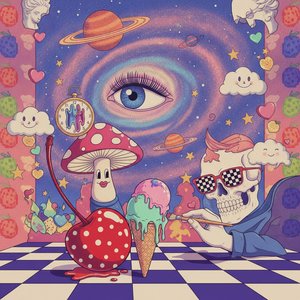
Pop Surrealism Unveiled: The Sophisticated Intersection of Vibrant Pop Art and Dreamlike Subconscious Landscapes
Explore the captivating world of Pop Surrealism. Discover how vibrant Pop Art meets dreamlike subconscious imagery through the works of masters like Jeff Soto and Ryan Heshka. An expert guide for discerning collectors seeking to understand this profound contemporary art movement.

Evocations of Place: A Historical Journey Through Landscape Art
Explore the rich history of landscape art with OriginalUniqueArt. Discover renowned artists, movements like Impressionism & Romanticism, and expert guidance for collecting timeless pieces. Find your perfect serene escape today!
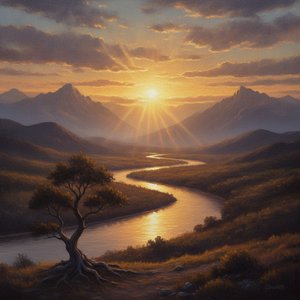
Golden Hour Magic: Capturing the Ethereal Beauty of Sunset Landscapes in Fine Art
Embark on a visual journey through the golden hour. Discover how master painters capture the ethereal glow of sunsets, from Monet's Impressionism to the Hudson River School. Explore timeless techniques and bring the magic of twilight into your home with exquisite fine art reproductions.
