

 Preverite v realnem okolju
 Pošlji kot čestitko
 Deli
Deli
 Podrobnosti
 Priročnik

 Prenesi
 Podobni artefakti
 Rentgenski posnetek
 Predvajaj diaporama
 Statistika
Cape Cod Afternoon


 Preberi več
Umetniška dela, prikazana na tej strani, so zaščitena z avtorskimi pravicami, kar pomeni, da po zakonu ne moremo ustvarjati ali prodajati identičnih reprodukcij. Ta zaščita se izvaja v skladu z mednarodnimi sporazumi, kot so Bernska konvencija in po nacionalnih zakonih, vključno s tistimi, ki jih določa Zakon o avtorskih pravicah ZDA – naslov 17.
Ta način v celoti upošteva zakonodajo o avtorskih pravicah, saj ne vključuje kopiranja ali podvajanja zaščitena umetniškega dela. Namesto tega gre za kreativno preinterpretacijo – novo sliko, ki je navdihnjen rezultat originala, vendar ni z njim identična.
Giclée tisk / Umetniški tisk
Giclée ali platnati odtis muzejske kakovosti z hitro proizvodnjo in prilagodljivimi možnostmi končne obdelave. ( Naročite ročno slikano reprodukcijo Preklop na digitalno sliko)




P118B €10

P118H €10

P118W €10

P438Z €10

P508JH €12

P508YH €12

P805H €10

P805Z €10

P919BZ €10

P919G €10

P919XJ €10

P959ZH €10

P968JZ €12

W106C €8

W218G €10

W218JH €8

W218Y €10

W307PJ €10

W316G €10

W316PJ €8

W316Y €10

W398PJ €8

W4111J €10

W500HY €15

W500JH €15

W692G €12

W849H €8

W940BG €15

W953PJ €8




Izberite eno od naših vnaprej določenih velikosti, ki ustrezajo prvotnim proporcijam umetničkega dela.

Vnesite širino in višino, ki jih potrebujete za svoj okvir ali steno. Tiskanje se lahko le odreže, vendar ga ni mogoče narediti večjega od slike, zato format z drugačno obliko pomeni izgubo dela slike. Pred tiskanjem vam pošljemo digitalni predogled za potrditev. Slika, prikazana na tej strani, ne prikazuje dejanskega izrezkov — le predogled to omogoča.
Globalna dostava () v 2 tednih namesto standardnih 4/5 tednov. (23 oktober)

Brezplačna ekspresna dostava po vsem svetu

Visokokakovostno laneno platno

Popolno zavarovanje pošiljke

Garancija povračila carine in uvoznih davkov

Garancija popolnega barvnega ujemanja

Politika vračila v 100 dneh (le v primeru okvar)

Garancija 100% povračila denarja

Popust pri večjem naročilu
 Možnost stekla je na voljo le za velikosti pod 110 cm

Cape Cod Afternoon
Giclée tisk / Umetniški tisk
Velikost reprodukcije
-


Skupna cena
€ 70
A Portrait of Quietude: The Soul of Cape Cod
In his 1936 masterpiece, Cape Cod Afternoon, Edward Hopper invites us into a profound meditation on solitude and the subtle tensions of American life. Set against the deceptively tranquil backdrop of the New England coast, the painting transcends mere landscape to become an exploration of the psychological landscape of the Depression era. The scene captures a snapshot of suburban existence, where the stillness of the afternoon feels heavy with unspoken narratives. Through his masterful use of light and color, Hopper creates a palpable sense of quietude, punctuated only by the subtle, almost ghostly presence of human figures. It is an image that does not merely represent a place, but embodies an emotional state—a poignant reflection on the disconnection that can exist even within the most familiar settings.
The composition is anchored by a muted palette of earthy tones, where browns, greens, and creams reflect the subdued hues of the Cape Cod landscape. Hopper employs chiaroscuro with remarkable precision, utilizing dramatic contrasts between light and shadow to sculpt form and heighten visual impact. Notice how the warm glow emanating from the interior windows casts long, stretching shadows across the exterior spaces; this technique serves as a powerful tool for communicating psychological tension, emphasizing the physical and emotional separation between the inhabitants and their surroundings. The architectural elements, with their rectilinear windows and walls, reinforce a sense of confinement, mirroring the internal state of those captured within the frame.
Symbolism and the Architecture of Isolation
Beyond its surface beauty, Cape Cod Afternoon is laden with symbolic significance that resonates deeply with the human condition. The two figures occupying the interior space appear lost in their own private worlds, disconnected from one another and from the world outside. Their posture—characterized by hunched shoulders and averted gazes—suggests a profound vulnerability and an underlying sadness. Even the empty rooms within the house serve as symbols of emotional emptiness, representing a yearning for connection that remains unfulfilled. This sense of isolation was particularly resonant during the Great Depression, a period marked by widespread economic hardship and a pervasive feeling of uncertainty amidst outward appearances of normalcy.
For the discerning collector or interior designer, a high-quality reproduction of this work offers more than just decoration; it provides an opportunity to bring a piece of American Modernism into a living space. The painting’s ability to evoke melancholy contemplation makes it a timeless addition to any collection, fostering a space for reflection on themes of solitude and identity. Hopper’s skill in transforming the mundane—a window, a house, a quiet afternoon—into something mythic and emotionally charged ensures that this artwork continues to captivate contemporary audiences, reminding us that profound beauty often coexists with the most delicate of human struggles.
Vprašanja in odgovori
Kakšno vzdušje bi v prostor prineslo "Cape Cod Afternoon"?
"Cape Cod Afternoon" avtorja Edward Hopper ima Dramatic vzdušje in se priporoča za Living Room. Razpoloženje je tisto, kar delo vnese v okoliški prostor.
Kakšno je usmerjenje dela "Cape Cod Afternoon" avtorja Edward Hopper?
Delo "Cape Cod Afternoon" avtorja Edward Hopper ima Landscape format. Format opisuje proporcije kompozicije.
Ali je "Cape Cod Afternoon" avtorja Edward Hopper med najbolj iskanimi umetniškimi deli v slogu American Realism?
"Cape Cod Afternoon" avtorja Edward Hopper je razvrščeno kot Iconic in pripada gibanju American Realism.
Biografija umetnika
A Solitude Observed: The Life and Art of Edward Hopper
Edward Hopper, ameriški slikar in grafik, * 22. julij 1882, Nyack, New York, Združene države Amerike, † 15. maj 1967, New York. Je eden najbolj priznanih ameriških umetnikov in znan po svoji spretnosti pri zajemanju ameriškega življenja in pokrajine skozi svojo umetnost. Hopperjevo delo, ki zajema oljne slike, akvarele in jedkanice, pretežno raziskuje teme osamljenosti in iz Hopper je začel svoje umetniško potovanje že kot otrok, ko je z zanimanjem opazoval svet okoli sebe. Od zgodnjih risank, ki so bile skrbno datirane in podpisane, je bilo evidentno, da ima znanje za risanje in sposobnost pozornosti ključnega pomena za njegovo biti. Čeprav ga starši niso spodbudili k komercialni ilustraciji – kar je bila praktična priporočila –, Hopperjeve ambicije so bile usmerjene proti umetnosti, kar ga je vodilo v Šolo umetnosti New York, kjer je študiral pod Williamom Merritt Chaseom in Robertom Henrijem. Te zgodnje leta so mu ni le osvojili tehničnih znanja, ampak tudi občutek za realizm in zavzetje za prikazovanje sveta kot ga je videl – brez okrasja in iskrenosti. Ralph Waldo Emersonovi zapisi so Hopperja globoko resonirali, kar je okrepilo njegovo individualistično zavest in pozornost – kvalitete, ki sta postala značilnosti njegove umetniške vizije. Čez svoje zgodnje potovanje v Pariz je bil izpostavljen impresionizmu, vendar Hopper je hitro odstopil od njegovih časaških žarek, oblikoval pa si svoj slog, ki ga je razlikoval od drugih.Finding His Voice: Realism and the American Scene
Hopperjev umetniški pohod ni bila nemočna ali brez težav. Борba za odkrivanje njegovega edinstvenega glasu je vodila skozi različne sloge, preden se je ustalil v realizmu, ki ga je definiral svoj kariera. To ni bila samo kopija resnice; bila je ekstrakcija njene esence, odstranitev dodatnih podrobnosti za raziskovanje osnovnih čustvenih pravic. Njegove slike so začele koncentrirati pozornost na vsakodnevne prizori – hiše, gostilnice, pisarne, hotelski prostori – ki jih je napolnil z občutkom tišče in pogosto osamljenosti. Zelo dobro je osvojil psihologijo svojih subjektov, kar je vodilo skozi zgodbe brez izraznega povedanja. Napredek svetla in sence je postal ključna komponenta njegove umetnosti – ni bila samo opisna komponenta, amprav tudi čustvena vodila, ustvarjala vzdušja, ki sta bila privlačna in nelagodna. *House by the Railroad* (1925), zgodnja mojstrovska dela, kažejo na ta pristop – kot običajno prizor iz svetla in sence, ki je zelo lep. Hopperjev grafizem je šel skupaj z njegovimi slikami, delil podobne teme in slogovne značilnosti, kar dokazuje njegovo znanje različnih medijskih možnosti. Ni ga zanimajo velike zgodovinske narative ali alegorična simbolika; fokusiral se je na vsakodnevno življenje, ki ga je podpiral z pozornostjo in čustveno resonanco.Iconic Visions: Nighthawks and Beyond
Čeprav Hopperjeva kariera ni bila nemočna ali brez težav, so nekateri dela spremenila njegovo priznanje široko publiko. *Nighthawks* (1942) je prav gotovo njegov najbolj znan obraz – gostilniška scena ponoči je popolno zajela osamljenost in anonimnost sodobnega mesta življenja. Časovniki v ospredju so izgubljeni sami v svojih mislih, odmakniti se od drugih kljub bližnosti – osupljiv komentar človeške kondicije. *Gas* (1940), ki prikazuje cestno gostilnico z osupljivo svetlobo fluorescenčnih žarek, kaže Hopperjevo fascinacijo ameriško pokrajino in vzpostavljajočo se avtomobilsko kulturo. Druge pomembne slike kot *Automat*, *Pisarna v majhnem mestu* in *Poletje* vsako ponuja edinstvene vpoglede kompleksnosti sodobnega ameriškega življenja. Njegove slike niso samo prizori mesta; raziskovanje vzdušja, psihologije in subtilnih dram, ki se zgodijo v običajnih okoljih. Ženska figura je bila ključna komponenta njegove umetnosti – kot njegov soproga, *Josephine Nivison Hopper*, je igrala pomembno vlogo ne le kot njegovo življenje partnerka ampak tudi kot pogosto model, kar je prispevalo k karakterizaciji ženskih likov.Themes and Legacy: A Lasting Influence
Nekateri ponavljajoči se motivi prodrevajo Hopperjevo umetnost. Osamljenost mesta je najbolj izrazna – občutek osamljenosti, ki jo oseba doživlja tudi kljub množicam. Pogosto raziskoval ameriško pokrajino, tako kmetijo kot mesto življenja, pogosto poudaril njeno ostrino in praznoto. Njegovo delo je prodrevajoča nostalgija za bolj preprostim časom – kontrastirana z الاعترافom kompleksnosti in nelagodje sodobnega življenja. Hopperjev vpliv na kasnejše umetnike je nezadostna – njegov slog je navdihnil številne slikarje, tudi Pierre Sanford Ross, in še vedno resonira z današnjimi umetniki, ki iščejo zajemanje bistva človeške izkušnje. Njegove slike ostajajo zelo željeni zbiralcev in so razstavljene v velikih muzejih po svetu – zagotavljajo njegovo mesto kot ključna figura ameriške umetnosti zgodovine. Več kot umetnik je Edward Hopper vizualni filozof, ki nam ponuja globoke vpoglede v človeško kondicijo skozi svoj maestralno uporabo svetla, sence in kompozicije.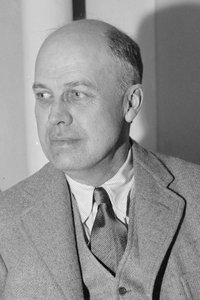
Edward Hopper
1931 - 1967 , Združene države Amerike
Ključne informacije
- Artistic Movement Or Style: Realizem
- Artists Who Influenced This Artist:
- William Merritt Chase
- Robert Henri
- Date Of Birth: 22. julij 1882
- Date Of Death: 15. maj 1967
- Full Name: Edward Hopper
- Nationality: Ameriški
- Notable Artworks:
- Nighthawks
- House by the Railroad
- Gas
- Place Of Birth: Nyack, Združene države Amerike
Sorodni članki
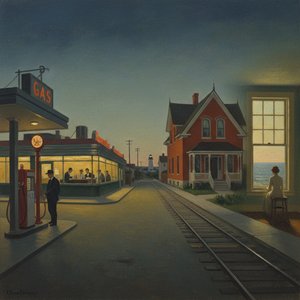
Edward Hopper: 25 Mojstrovskih Del Ameriške Moderne | OriginalUniqueArt
Odkrijte 25 mojstrovskih del Edwarda Hopperja – ikonične slike ameriške moderne. Preberite zgodbe, tehnike in navdih za te brezčasne umetnine. Reprodukcije slik visoke kakovosti na OriginalUniqueArt.com! Raziskajte celotno zbirko online.

American Realism's Defining Works: 10 Masterpieces for Your Home
Explore 10 defining American Realism masterpieces – Hopper, Homer & more. Discover the stories behind these iconic paintings and bring timeless art to your home with OriginalUniqueArt's museum-quality reproductions. Explore the full collection online.
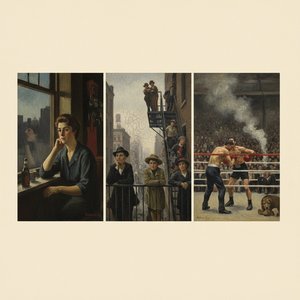
American Realism: Social Commentary & Artistic Representation in Early 20th-Century Painting
Explore the powerful social commentary & artistic representation of American Realism. Discover key artists like Bellows & Sloan, and understand the movement's lasting impact on 20th-century art history.

The Unvarnished Truth: A Cultural Journey Through the Soul of American Realism
Explore the profound beauty of American Realism. From the Ashcan School's urban grit to intimate portraits, discover how artists captured the authentic soul of a nation through unvarnished truth and masterful observation.

Grant Wood & American Regionalism: Identity, Myth & the Rural Landscape
Explore the world of Grant Wood & American Regionalism with OriginalUniqueArt. Discover the symbolism behind 'American Gothic', recurring themes, and the movement's lasting impact on art history. High-quality reproductions available.


