

 Predogled v realnem okolju
 Pošlji
 Deli
Deli
 Podrobnosti o delu
 Priročnik

 Prenesi sliko
 Podobni izdelki
 Rentgenski posnetek
 Predvajaj diaporama
 Statistika
The Band
 Acrylic On Canvas
- WallArt
- Surrealist Vision
 1934
1934- 19th Century
 760.0 x 555.0 cm
 British Council
 Preberi več
Umetniška dela, prikazana na tej strani, so zaščitena z avtorskimi pravicami, kar pomeni, da po zakonu ne moremo ustvarjati ali prodajati identičnih reprodukcij. Ta zaščita se izvaja v skladu z mednarodnimi sporazumi, kot so Bernska konvencija in po nacionalnih zakonih, vključno s tistimi, ki jih določa Zakon o avtorskih pravicah ZDA – naslov 17.
Ta način v celoti upošteva zakonodajo o avtorskih pravicah, saj ne vključuje kopiranja ali podvajanja zaščitenga umetniškega dela. Namesto tega gre za kreativno preinterpretacijo – novo sliko, ki je navdihnjen rezultat originala, vendar ni z njim identična.
Giclée tisk / Umetniški tisk
Giclée ali platnati odtis muzejske kakovosti z hitro proizvodnjo in prilagodljivimi možnostmi končne obdelave. ( Kupite ročno slikano delo Preklop na digitalno sliko)




P118B €10

P118H €10

P118W €10

P438Z €10

P508JH €12

P508YH €12

P805H €10

P805Z €10

P919BZ €10

P919G €10

P919XJ €10

P959ZH €10

P968JZ €12

W106C €8

W218G €10

W218JH €8

W218Y €10

W307PJ €10

W316G €10

W316PJ €8

W316Y €10

W398PJ €8

W4111J €10

W500HY €15

W500JH €15

W692G €12

W849H €8

W940BG €15

W953PJ €8




Izberite eno od naših vnaprej določenih velikosti, ki ustrezajo prvotnim proporcijam umetničkega dela.

Vnesite širino in višino, ki jih potrebujete za svoj okvir ali steno. Tiskanje se lahko le odreže, vendar ga ni mogoče narediti večjega od slike, zato format z drugačno obliko pomeni izgubo dela slike. Pred tiskanjem vam pošljemo digitalni predogled za potrditev. Slika, prikazana na tej strani, ne prikazuje dejanskega izrezka — le predogled to omogoča.
Globalna dostava () v 2 tednih namesto standardnih 4/5 tednov. (27 oktober)

Brezplačna ekspresna dostava po vsem svetu

Visokokakovostno laneno platno

Popolno zavarovanje pošiljke

Garancija povračila carine in uvoznih davkov

Garancija popolnega barvnega ujemanja

100-dnevna politika vračil (le v primeru okvar)

Garancija 100% povračila denarja

Popust pri večjem naročilu
 Možnost stekla je na voljo le za velikosti pod 110 cm

The Band
Giclée tisk / Umetniški tisk
Velikost reprodukcije
-


Skupna cena
€ 70
Edward Burra’s ‘The Band’: A Captivating Glimpse into Harlem’s Jazz Age
Edward Burra's "The Band," completed in 1934, is more than just a depiction of an African-American jazz band; it’s a vibrant snapshot of a transformative moment in American culture and a testament to Burra’s unique artistic vision. Painted during his immersive journey into Harlem’s burgeoning cultural scene in October 1933, the artwork pulsates with energy, capturing the intoxicating rhythms of jazz and the spirit of liberation that defined the era. Burra, deeply influenced by Surrealism and Dadaist principles – a fact reflected in his eclectic approach to subject matter – doesn't simply record; he actively constructs a scene brimming with personality and intrigue. The painting’s off-center composition immediately draws the viewer into this contained world, creating an immediate sense of voyeuristic observation.
- Subject Matter: A lively jazz band performance in Harlem, New York City.
- Key Figures: An exaggerated conductor, a sultry songstress, and a jovial bystander, each contributing to the painting’s eccentric charm.
- Instrumentation: Detailed depictions of musical instruments – a drum set, violins, cellos – essential elements in conveying the heart of the jazz experience.
Technique and Materials: Watercolors and Burra's Unique Process
Created primarily using luminous watercolors on paper, “The Band” showcases Burra’s masterful control of color and his innovative approach to composition. Notably, due to chronic arthritis that plagued him throughout his life, Burra found oil paints too cumbersome to use, opting instead for the fluidity of watercolor. This decision profoundly shaped the painting's character – its delicate washes, luminous highlights, and a sense of immediacy. The artist’s meticulous attention to detail is evident in the rendering of costume, facial expressions, and skin tones, creating an atmosphere of intense vibrancy. The use of reflected stage lights, particularly on the sousaphone player’s glasses, adds a dramatic element, further emphasizing the performance's energy. Burra’s process involved spending hours observing the scene in bars and cafes before translating his memories onto the paper, a technique that imbued the work with a palpable sense of authenticity.
Historical Context and Symbolism: A Window into the 1930s
“The Band” is inextricably linked to the social and cultural landscape of Harlem during the 1930s. Harlem, at this time, was experiencing a remarkable renaissance – a flourishing of music, art, and literature fueled by the Great Migration of African Americans from the South. Burra’s presence in this vibrant environment, facilitated by his friendship with Olivia Wyndham and Edna Lloyd Thomas, reflects a genuine engagement with the era's artistic currents. The painting subtly evokes themes of social mobility, cultural exchange, and the allure of escape – all powerfully represented within the scene. The incongruous figure in the old-fashioned attire can be interpreted as a commentary on the clash between tradition and modernity, further enriching the artwork’s symbolic layers.
Emotional Impact and Artistic Legacy
“The Band” possesses an undeniable emotional resonance, capturing not just a musical performance but also the spirit of excitement, exuberance, and perhaps even a touch of melancholy that characterized this pivotal moment in American history. Burra's ability to blend observation with imagination, combined with his distinctive style, has secured his place as one of the most intriguing figures of Surrealist art. This large-scale watercolor reproduction offers an exceptional opportunity to experience the captivating energy and artistic brilliance of Edward Burra’s vision – a timeless piece that continues to resonate with collectors and art enthusiasts alike.
Vprašanja in odgovori
Kje lahko vidim originalno delo "The Band" avtorja Edward Burra?
Originalno delo "The Band" lahko vidite v muzeju British Council, London, Združeno kraljestvo.
Ali so barve dela "The Band" živahne ali utemeljene?
Barve dela "The Band" avtorja Edward Burra prikazujejo Balanced Soft zasičenost z intenzivnostjo Balanced.
Hram kateri barvni ton se nagiba "The Band"?
Prevladujoča barva dela "The Band" avtorja Edward Burra je Amber to Saffron, ki predstavlja osnovni ton palete.
Biografija umetnika
Edward Burra: A Life in Surreal Visions
Early Life and Education
- Born: South Kensington, United Kingdom, 1905.
- Edward Burra demonstrated artistic talent early on, particularly as a draughtsman.
- He received his formal training at the Royal College of Art from 1923 to 1925, honing his skills in drawing and painting.
Early Travels and Influences (1920s)
- During the latter half of the 1920s, Burra travelled extensively throughout France.
- He focused on depicting detailed urban scenes, often portraying the harsh realities of life in cities like Toulon and Marseille.
- These early works reveal a keen observational eye and a sensitivity to social conditions.
- A pivotal moment came in 1927 when he met Paul Nash, who introduced him to avant-garde periodicals.
- Exposure to artists like George Grosz through these publications profoundly influenced Burra, inspiring him to experiment with collage and drawing within a Dadaist spirit.
Artistic Development & Key Themes (1930s-1940s)
- The Jungle (1931) exemplifies Burra’s fascination with the exotic and forbidden. The painting depicts a lavish dinner party set in a fantastical tropical world, blending sensuality with premonitions of death.
- Burra was among the first British artists to embrace Surrealism, creating a distinctive universe populated by extravagantly dressed women, workers, sailors, and soldiers—often situated in imaginary locales.
- His physical health, compromised from childhood, led him to favor watercolor as his primary medium due to its relative ease of use compared to oil paints.
- He held his first solo exhibition at the Leicester Galleries in 1930.
- The impact of Picasso’s Guernica was significant, prompting a shift in Burra's artistic style.
World War II and Later Life (1940s-1976)
- During World War II, travel restrictions led Burra to work as a stage designer for theatrical productions and ballets, achieving some recognition in this field.
- He declined an invitation to become a Royal Academician in 1963 but accepted the Order of the British Empire in 1971.
- A major retrospective of his work was organized by the Tate Gallery in 1973, solidifying his place within British art history.
- He died in Hastings on March 22, 1976, as a result of complications from a fractured iliac bone.
Artistic Style and Historical Significance
- Burra’s style is characterized by its unsettling atmosphere, vivid colors, and distorted figures.
- He masterfully blended elements of Dadaism and Surrealism with a uniquely British sensibility.
- His work offers a critical commentary on social issues, exploring themes of alienation, decadence, and the darker aspects of human nature.
- Though not always widely recognized during his lifetime, Edward Burra is now considered a pioneering figure in 20th-century British art, influencing subsequent generations of artists with his distinctive vision.

Edward Burra
1905 - 1976 , United Kingdom
Hitri podatki
- Name: Edward Burra
- Movement:
- Surrealism
- Dadaism
- Birth Date: 1905
- Death Date: 1976
- Birth Place: South Kensington, United Kingdom
- Nationality: British
- Date Of Birth: 1905
- Date Of Death: 1976
- Influenced By: Paul Nash, George Grosz
- Notable Works:
- The Jungle
- Dancing Skeletons
- The Snack Bar
- Soldiers at Rye
- Place Of Birth: South Kensington, United Kingdom
Sorodni članki

Ephemeral Visions: Exploring the Artistic Legacy & Contemporary Practice of Watercolor Painting
Explore the captivating world of watercolor painting! Discover its rich history, essential techniques, influential artists & collecting tips. A comprehensive guide for art enthusiasts from OriginalUniqueArt.

Ephemeral Visions: Exploring the Artistic Legacy & Nuances of Watercolor Painting
Explore the captivating world of watercolor painting! Discover its rich history, essential techniques, influential artists & collecting tips from art experts. A comprehensive guide for enthusiasts.

Watercolor Wonders: 10 Masterpieces That Redefined Art History | OriginalUniqueArt
Journey through 10 legendary watercolor masterpieces by Sargent, Turner & Homer! Explore iconic landscapes, portraits & floral art that redefined history. Find museum-quality reproductions and curated decor ideas at OriginalUniqueArt.com.

Ephemeral Visions: Exploring the History & Emotional Resonance of Watercolor Painting
Explore the captivating history of watercolor painting, from ancient techniques to modern masters like Kandinsky & Blake. Discover essential artists, collecting tips & the emotional power of this luminous medium. Expert insights for art enthusiasts.
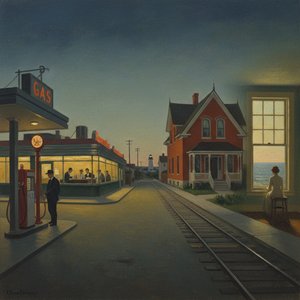
Edward Hopper: 25 Mojstrovskih Del Ameriške Moderne | OriginalUniqueArt
Odkrijte 25 mojstrovskih del Edwarda Hopperja – ikonične slike ameriške moderne. Preberite zgodbe, tehnike in navdih za te brezčasne umetnine. Reprodukcije slik visoke kakovosti na OriginalUniqueArt.com! Raziskajte celotno zbirko online.