

 Preverite v realnem okolju
 Pošlji kot čestitko
 Deli
Deli
 Podrobnosti
 Priročnik

 Prenesi
 Podobni artefakti
 Rentgenski posnetek
 Predvajaj diaporama
 Statistika
Study for the funeral


 Preberi več
Giclée tisk / Umetniški tisk
Giclée ali platnati odtis muzejske kakovosti z hitro proizvodnjo in prilagodljivimi možnostmi končne obdelave. ( Naročite ročno slikano reprodukcijo Preklop na digitalno sliko)




P118B €10

P118H €10

P118W €10

P438Z €10

P508JH €12

P508YH €12

P805H €10

P805Z €10

P919BZ €10

P919G €10

P919XJ €10

P959ZH €10

P968JZ €12

W106C €8

W218G €10

W218JH €8

W218Y €10

W307PJ €10

W316G €10

W316PJ €8

W316Y €10

W398PJ €8

W4111J €10

W500HY €15

W500JH €15

W692G €12

W849H €8

W940BG €15

W953PJ €8




Izberite eno od naših vnaprej določenih velikosti, ki ustrezajo prvotnim proporcijam umetničkega dela.

Vnesite širino in višino, ki jih potrebujete za svoj okvir ali steno. Tiskanje se lahko le odreže, vendar ga ni mogoče narediti večjega od slike, zato format z drugačno obliko pomeni izgubo dela slike. Pred tiskanjem vam pošljemo digitalni predogled za potrditev. Slika, prikazana na tej strani, ne prikazuje dejanskega izrezkov — le predogled to omogoča.
Globalna dostava () v 2 tednih namesto standardnih 4/5 tednov. (24 oktober)

Brezplačna ekspresna dostava po vsem svetu

Visokokakovostno laneno platno

Popolno zavarovanje pošiljke

Garancija povračila carine in uvoznih davkov

Garancija popolnega barvnega ujemanja

Politika vračila v 100 dneh (le v primeru okvar)

Garancija 100% povračila denarja

Popust pri večjem naročilu
 Možnost stekla je na voljo le za velikosti pod 110 cm

Study for the funeral
Giclée tisk / Umetniški tisk
Velikost reprodukcije
-


Skupna cena
€ 70
A Study in Somber Reflection: Edvard Munch’s ‘Study for the Funeral’
Edvard Munch's 'Study for the Funeral,' a deceptively simple pencil drawing, offers a profound glimpse into the artist’s deeply personal and relentlessly melancholic vision. Created in 1893, this preparatory sketch isn’t merely a preliminary study; it’s a concentrated distillation of grief, anxiety, and the inescapable awareness of mortality – hallmarks of Munch's enduring artistic legacy. The work immediately draws the viewer into a world steeped in shadow and quiet contemplation, inviting us to consider the emotional weight carried within its restrained lines.
The image depicts a solitary woman standing in profile, facing right, against a backdrop that subtly suggests a wall with a clock – a potent symbol of time’s relentless march. Munch's masterful use of hatching and cross-hatching establishes a remarkable range of tonal values within the monochromatic palette, creating an illusion of depth and texture entirely achieved through pencil strokes. The lines themselves aren’t precise or detailed; instead, they possess a fluidity that mirrors the emotional turbulence at the heart of the piece. This deliberate avoidance of photographic realism is crucial to Munch's style – he prioritized conveying feeling over accurate representation, a technique deeply rooted in his exploration of subjective experience.
The Weight of Loss and Memory
Munch’s personal life was profoundly shaped by loss, beginning with the early deaths of his mother and sister from tuberculosis. These experiences formed the bedrock of his artistic output, fueling an ongoing investigation into themes of illness, death, and the fragility of human existence. ‘Study for the Funeral,’ as its title suggests, is likely a preparatory work for a larger painting exploring these very subjects. The woman’s posture – upright yet subtly bowed – speaks volumes about suppressed sorrow and perhaps even a lingering sense of duty or obligation connected to the funeral she anticipates. The clock, frequently associated with mortality in art history, reinforces this theme, serving as a constant reminder of time's passage and the inevitability of loss.
Research into Munch’s life reveals a complex family dynamic marked by religious strictness and his father’s own struggles with mental illness. These elements undoubtedly contributed to the pervasive atmosphere of dread that permeated Munch’s world, finding its way onto the canvas in works like this one. As documented in Wikipedia's entry on Munch, his childhood was "overshadowed by illness, bereavement and the dread of inheriting a mental condition that ran in the family," profoundly shaping his artistic trajectory.
Technique and Artistic Intent
The technique employed here is primarily pencil drawing, executed with remarkable control. The varying line weights – from delicate, almost hesitant strokes to bolder, more assertive marks – create a dynamic interplay of light and shadow, guiding the viewer’s eye across the composition. Munch's use of hatching and cross-hatching isn’t merely decorative; it’s a sophisticated method for building volume and suggesting form without resorting to traditional shading techniques. The flatness of the perspective, typical of sketches and studies, further emphasizes the emotional immediacy of the work – it feels less like a finished painting and more like a direct expression of feeling.
Considering Munch's broader body of work, particularly pieces like ‘Death in the Sickroom’ (documented on Nasjonalmuseet.no), this study reveals a continuity in his thematic concerns and stylistic approach. The expressive use of line, coupled with a focus on conveying psychological states rather than literal representation, establishes 'Study for the Funeral' as a crucial example of Munch’s evolving artistic language.
A Timeless Exploration of Human Emotion
'Study for the Funeral' is more than just a pencil drawing; it’s a poignant meditation on grief, memory, and the human condition. Its stark simplicity belies its profound emotional depth, offering viewers an intimate glimpse into Munch’s tormented inner world. Reproductions of this powerful work capture not only the visual elements but also the underlying sense of melancholy and contemplation that defines Munch's most enduring legacy. It remains a compelling testament to the artist’s ability to translate personal suffering into universal themes of loss and remembrance – a quality that continues to resonate with audiences today.
Vprašanja in odgovori
Ali je "Study for the funeral" avtorja Edvard Munch slika, risba ali grafika?
"Study for the funeral" is a WallArt piece.
Kako si lahko ogledam predogled reprodukcije dela "Study for the funeral" avtorja Edvard Munch?
Predogled dela "Study for the funeral" avtorja Edvard Munch je na strani Predogled za to umetniško delo.
Kdo je avtor in v kateri letnici je nastalo "Study for the funeral"?
Edvard Munch je ustvaril "Study for the funeral" leta 1893.
Biografija umetnika
Življenje v senci: Svet Edvarda Muncha
Edvard Munch, rojen leta 1863 med surovimi pokrajinami Norveške, je bil umetnik, katerega delo je postalo sinonim za tesnobe in čustvene stiske moderne dobe. Njegovo življenje, globoko zaznamovano s smrtjo in stalnim melanholičnim občutkom, je bilo vir njegove izjemno ekspresivne umetnosti. Že otroštvo, ki ga je zaznamovala zgodnja smrt matere in sestre – obe žrtvi tuberkuloze – je pri Munchu vzbudilo preganjajočo obsedenost z umrljivostjo, boleznijo in krhkostjo človeškega obstoja. Te izkušnje niso bile le biografijske podrobnosti; postale so bistvo njegove umetniške vizije, ki je napajala njegovo neusmiljeno raziskovanje notranje pokrajine strahu, žalosti in hrepenenja. Strog verski nauk njegovega očeta in same težave z duševnim zdravjem so prispevale k občutku grozečnosti, ki je prežemala Munchov svet, oblikovala ne le njegovo osebno življenje, temveč tudi simbolsko govorico njegovih slik. On ni le prikazoval prizorov; izražal je notranje stanje, pretvarjal psihološko stisko v vizualno obliko.
Genesis Ekspresije: Vplivi in umetniška pot
Munchova umetniška pot se je začela z uradnim usposabljanjem na Kraljski šoli za umetnost in oblikovanje v Kristianii (Oslo), vendar ga je resnično razplamtel stik z boemskimi krogi in nihilistično filozofijo Hansa Jægerja. Jæger mu je priporočal, naj zapusti konvencionalne akademske stile in se namesto tega potopi v globine lastnih subjektivnih izkušenj, koncept, ki ga je poimenoval "slikanje duše". Ta prelomnica je zaznamovala začetek Munchovega značilnega sloga – obarvanega s surovimi emocijami, deformiranimi oblikami in zavrnitvijo naravne reprezentacije. Njegova potovanja v Pariz v 1890-ih so ga izpostavila razcvetu postimpresionističnega gibanja, kjer je vpijal vplive umetnikov, kot so Paul Gauguin, Vincent van Gogh in Henri de Toulouse-Lautrec. Kretna uporaba barve, ekspresivne poteze čopiča in psihološka intenzivnost teh mojstrov so se globoko odzvale v Munchovih umetniških nagnjenjih. On ni le posnemal njihovih tehnik; sintetiziral jih je v nekaj povsem svojega – vizualni jezik, ki je bil sposoben prenesti najgloblje in najbolj moteče človeške emocije. Čas v Berlinu se je izkazal za ključen, ko je prišel v stik z dramaturgom Augustom Strindbergom, katerega raziskovanje psiholoških tem je dodatno spodbudilo Munchove umetniške preizkušnje.
Ikonični viziji: Glavna dela in simbolska teža
Munchovo delo je polno slik, ki so se globoko vtisnile v kolektivno vest.Krik, morda njegovo najbolj ikonično delo, presega status slike in postane univerzalni simbol eksistencialne tesnobe. Spiralna, ognjemetna pokrajina in figura z izkrivljenim obrazom utelešata prvotni krik proti brezbrižnosti vesolja.Madona, kontroverzno in globoko osebno delo, raziskuje teme seksa, materinstva in umrljivosti s pretresljivo odprtostjo. Ponavljajoče se motive, kot jeBolni otrok – navdihnjena z izgubo njegove sestre Sophie – služijo kot ganljivi opomniki na Munchovo otroško travmo in stalno senco smrti.Melanholija I & II, močni prizori globoke žalosti in osamljenosti, razkrivajo ranljivost, ki je hkrati zelo osebna in univerzalno razumljiva. Ta dela niso le reprezentacije zunanjega sveta; so okna v umetnikovo dušo, ki gledalcem ponujajo neusmiljeno vpogled v najtemnejše kotičke človeške psihe. Munch ni želel ustvariti lepih slik; je hotel prenesti resnico – tudi če je bila ta boleča in moteča.
Trajna zapuščina: Zgodovinski pomen in trajen vpliv
Edvard Munchov prispevek k moderni umetnosti je neprecenljiv. Stoji kot ključna figura pri razvoju ekspresionizma, odpirajoč pot umetnikom, ki so dali prednost subjektivni čustvi nad objektivno reprezentacijo. Njegovo brezkompromisno raziskovanje univerzalnih človeških izkušenj – ljubezni, izgubi, tesnobi in smrti – še danes resonira z občinstvom, kar utrjuje njegovo mesto kot ene najvplivnejših in trajnih figur v zgodovini umetnosti. Njegovo delo je globoko prizadelo naslednje generacije umetnikov, vplivalo na gibanja, kot sta nemški ekspresionizem in druge. Drznil je soočiti se s temnimi vidiki človeške kondicije, izzval konvencionalne predstave o lepoti in umetniškem predstavljanju. Tudi po dosegu slave in priznanja – ki so se kronale z ustanovitvijo Munchovega muzeja v Oslu – je ostalo njegovo osebno življenje turbulento, zaznamovano s obdobji duševne nestabilnosti in osamljenosti. Vendar pa je kljub temu še naprej ustvarjal, za seboj pustil delo, ki še danes sproža, izziva in navdihuje. Munchova zapuščina ni le o slikah samih; gre za pogum soočiti se s kompleksnostmi človeškega obstoja in te izkušnje pretvoriti v umetnost, ki govori do najglobljih delov našega bitja.
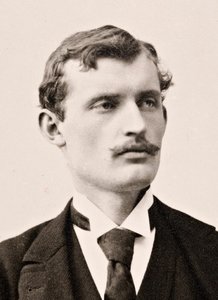
Edvard Munch
1863 - 1944 , Švedska
Ključne informacije
- Datum Rojstva: 12. december 1863
- Datum Smrti: 23. januar 1944
- Kraj Rojstva: Adelsbruk, Švedska
- Nacionalnost: Norvežan
- Pod Vplivom: ['Nemški ekspresionizem']
- Polno Ime: Edvard Munch
- Umetniški Slog: Ekspresionizem
- Vplivneži:
- Paul Gauguin
- Van Gogh
- Toulouse-Lautrec
- Znani Dela:
- Krik
- Madona
- Bolni otrok
Sorodni članki

Edvard Munch: Anxiety, Modernity & the Dawn of Expressionism
Explore the profound world of Edvard Munch, pioneer of Expressionism. Discover the origins of 'The Scream' & his haunting depictions of anxiety, mortality, and love. Expert analysis & high-quality reproductions at OriginalUniqueArt.
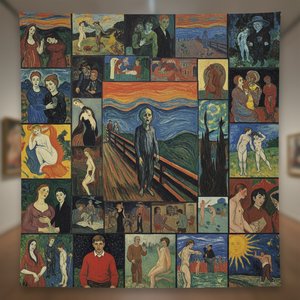
Edvard Munch: 25 Mojstrovin Ekspresionizma za Vaš Dom | OriginalUniqueArt
Odkrijte 25 najbolj znanih del Edvarda Muncha – od 'Vpijanja' do intimnih portretov. Preberite zgodbe za slikami, tehniko in ekspresionistično umetnost. Kvalitetne reprodukcije na OriginalUniqueArt.com.
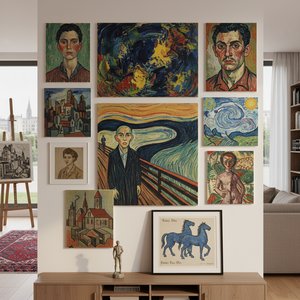
Izrazi čustev: 10 mojstrovin ekspresionizma za vaš dom
Odkrijte 10 mojstrovin ekspresionizma, ki so zaznamovale umetnost! Edvard Munch, Nolde & Kirchner – spoznajte zgodbe in čustva za vsakim delom. Najboljša zbirka reprodukcij na OriginalUniqueArt.com!
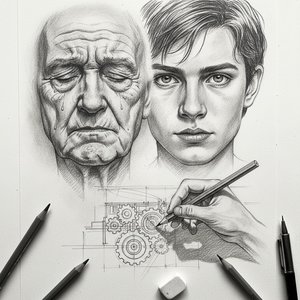
The Nuances of Graphite: Exploring Emotional Depth & Technical Mastery in Pencil Drawing
Explore the captivating world of graphite drawing! Discover its rich history, master essential techniques like chiaroscuro, and learn how artists evoke emotion through this timeless medium. Expert insights for art enthusiasts.
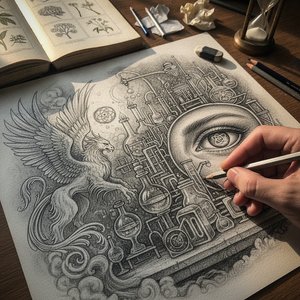
The Alchemy of Graphite: An Expert Guide to Mastering Detail and Depth in Pencil Sketching
Unlock the secrets of graphite sketching with our expert guide for art students. Learn to master pencil grades, create realistic depth, and capture intricate textures through professional techniques designed to elevate your observational drawing skills.


