

 Pošlji kot čestitko
 Deli
Deli
 Podrobnosti
 Priročnik

 Prenesi
 Podobni artefakti
 Predvajaj diaporama
 Statistika
Pulpit (on the right)
 Bronze
- Sculpture
- Renaissance Humanism
 1465
1465- Renaissance
 123.0 x 292.0 cm
 Bazilika San Lorenzo
 Preberi več
Giclée tisk / Umetniški tisk
Giclée ali platnati odtis muzejske kakovosti z hitro proizvodnjo in prilagodljivimi možnostmi končne obdelave. ( Naročite ročno slikano reprodukcijo Preklop na digitalno sliko)




































Izberite eno od naših vnaprej določenih velikosti, ki ustrezajo prvotnim proporcijam umetničkega dela.

Svoje dimenzije lahko vnesete sami, da bodo ustrezne za določen okvir ali prostor. Če izbrana velikost ne bo skladna z razmerji izvirne slike, bomo umetniško delo orezali ali podaljšali s pomočjo ogledalnega odraza ali barvno polnega roba. Pred začetkom proizvodnje vam bomo poslali digitalni predogled za potrditev.
Upoštevajte, da predogled na zaslonu ne prikazuje dejanskega orezovanja ali podaljševanja. Le digitalni predogled bo natančno prikazal končno kompozicijo.
Čeprav so na voljo prilagojene velikosti, priporočamo izbiro dimenzije s predhodno določenega seznama, da ohranite prvotna razmerja.
Globalna dostava () v 2 tednih namesto standardnih 4/5 tednov. (27 september)

Brezplačna ekspresna dostava po vsem svetu

Visokokakovostno laneno platno

Popolno zavarovanje pošiljke

Garancija povračila carine in uvoznih davkov

Garancija popolnega barvnega ujemanja

Politika vračila v 100 dneh (le v primeru okvar)

Garancija 100% povračila denarja

Popust pri večjem naročilu
 Možnost stekla je na voljo le za velikosti pod 110 cm

Pulpit (on the right)
Giclée tisk / Umetniški tisk
Velikost reprodukcije
-


Skupna cena
$ 80
A Final Masterpiece of Bronze and Spirit
In the hallowed, sun-drenched silence of the Basilica of San Lorenzo in Florence, there exists a sculptural marvel that captures the very essence of a soul nearing its earthly end. Donatello’s Resurrection Pulpit, specifically the right-hand structure completed in 1465, is far more than a liturgical platform; it is a profound meditation on the cycle of life, death, and rebirth. As one of the artist's final monumental achievements, this work serves as a poignant testament to a lifetime spent redefining the boundaries of sculpture. The pulpit does not merely sit within its sacred space; it commands it, offering a breathtaking synthesis of classical grandeur and an almost raw, human vulnerability that continues to stir the hearts of all who behold it.
The artistry on display is a masterclass in the lost-wax casting technique, a meticulous process where molten bronze is poured into intricate molds to capture every minute detail. Working alongside his talented pupils, Bertoldo and Bellano, Donatello achieved a level of surface texture that feels alive. The polished bronze surfaces catch the flickering candlelight of the basilica, creating a dynamic interplay of light and shadow that breathes movement into the static metal. This technical brilliance allows for an extraordinary depth of relief, where figures seem to emerge from the very substance of the pulpit, pulling the viewer into a tactile, three-dimensional narrative of divine intervention.
The Human Face of the Divine
While many Renaissance sculptors sought to present an idealized, untouchable perfection, Donatello’s genius lay in his commitment to psychological realism. In this pulpit, the transition from Gothic tradition to the Florentine Renaissance is palpable. The figures are not distant icons; they are imbued with a heavy, palpable emotion. One can sense the weight of sorrow, the tension of anticipation, and the quiet awe of the resurrection through subtle facial expressions and the deliberate, expressive gestures of the hands. This focus on the human condition aligns perfectly with the burgeoning humanist movement of the 15th century, which sought to find the divine within the nuances of human experience.
The symbolism embedded within the intricate carvings invites a deeper, more contemplative engagement. The pulpit acts as a bridge between the earthly and the celestial, utilizing classical proportions—inspired by the architectural innovations of Brunelleschi—to ground the spiritual subject matter in a sense of physical permanence. For the collector or the lover of fine art, owning a reproduction of such a piece is not merely about decorating a space; it is about introducing an element of historical gravity and intellectual depth into an interior. It provides a focal point that encourages reflection, making it an ideal centerpiece for those seeking to surround themselves with works that possess both aesthetic beauty and a profound, enduring narrative.
To bring a high-quality reproduction of this masterpiece into one's home is to invite the spirit of the Renaissance into the modern era. Whether placed in a curated gallery setting or as a sophisticated accent in a thoughtfully designed study, the pulpit’s complex textures and emotive power serve as a constant reminder of the enduring power of artistic vision. It remains a timeless icon of Florence, a sculptural poem written in bronze that continues to resonate with the universal themes of hope and transformation.
Biografija umetnika
zgodno zgodna mladost in začetki kariere
Donato di Niccolò di Betto Bardi, v zgodovini umetnosti bolj znan kot Donatello, se je rodil v Firenci v Italiji okoli leta 1386. Njegovo globoko zanimanje za klasično kiparstvo je močno oblikovalo njegov razvoj sloga zgodnje renesanse, saj je s svojo inovativno pristopom k umetnosti in kulturi postavil temelje, ki so postali nedeljenljiv znak florentinske renesanse.ključna dela in inovacije
Donatellovo najslavnejše delo, David, je predstavljalo prvo svobodno stoječo moško golič skulpturo od dob antičnosti. To delo, ki ga je naročila plemenita družina Medici, je s svojo tehnično dovršenostjo in inovativno estetiko razkazalo njegovo izjemno umetniško znanje. Poleg tega so v njegovem bogatem izročilu izpostavljena še druga znamenita dela:- Sveti Louis iz Toulousea (zdaj v muzeju bazilike Santa Croce), ki vključuje klasičen okvir, ki ga je zasnoval sam Donatello.
- Žrtvovanje Isaka, ustvarjeno za zvonik cerkve Santa Maria del Fiore v Firenci, ki s svojo močno portretno natančnostjo navdušuje gledalca.
- Križ (1425) za Santa Croce, ki prikazuje Krista v trenutku neizmerne bolečine in agonije.
umetnični slog in dediščina
Donatellov umetniški razvoj lahko razdelimo na širše faze, ki se začnejo z razvojem izrazljivosti in klasične monumentalnosti. Čeprav njegovo del v skupnosti sprva ni bilo takoj sprejeto, je sčasoma postalo izjemno priljubljeno ter močno vplivalo na druge italijanske dvore in evropske umetnike. ključni umetniški pogreti:osebno življenje in delovni slog
Donatello je bil poznan po svoji prijaznosti in ljubimosti med ljudmi, vendar pa je bil v poslovnih vidikih svoje kariere precej manj usposobljen. Pogosto se je zgodilo, da je sprejel več naročil, kot jih je zmožnost obdelati, zaradi česa so bila dela pogosto zaključena zamudno ali pa jih je prepustil drugim kiparjem. značitna umetniška dela in umetniki:- Leonardo da Vinci: Objemljanje (detajl)
- Amico Aspertini: Statua Pana / Lev, ki grize konja
- Michelangelo Buonarroti: Tondo Pitt
muzeji in umetniške zbirke:
- Museo della Collegiata (Empoli, Italija): skriti dragulj renesanse, ki v svoji zbirki vsebuje dela Francesco Botticinija in Raffaella Botticinija.
- gibanje zgodnje italijanske renesančne umetnosti

Donatello
1386 - 1466 , Italija
Ključne informacije
- Artistic Movement Or Style: Early Renaissance
- Artists Or Movements Influenced By This Artist:
- Italian Renaissance
- Early Renaissance
- Florentine Renaissance
- Artists Who Influenced This Artist: ['Classical sculpture']
- Date Of Birth: okoli 1386
- Date Of Death: 1466
- Full Name: Donatello di Niccolò
- Nationality: italijanski
- Notable Artworks:
- David
- Sveti Louis iz Tuluze
- Žrtvovanje Isaka
- Križ
- Place Of Birth: Firene, Italija
Sorodni članki

The Enduring Form: Exploring Themes & Techniques in Sculpture Across Historical Periods
Explore the rich history of sculpture from ancient masterpieces to contemporary innovations. Discover key techniques, influential artists & investment potential for discerning art collectors.

The Enduring Allure of Marble in Art History: From Classical Sculpture to Modern Abstraction
Explore the captivating history of marble sculpture from ancient Greece to modern art. Discover renowned artists like Canova & Michelangelo, carving techniques, and investment insights at OriginalUniqueArt.

Bronze Age to Modern Masters: 10 Sculptures That Redefined Art | OriginalUniqueArt
Journey through art history with 10 legendary bronze sculptures – from Michelangelo's David to Rodin’s Thinker. Explore the stories, techniques & timeless beauty of these masterpieces. Find museum-quality reproductions & elevate your home decor on OriginalUniqueArt.com.

Bronze Sculptures That Defined Art History | OriginalUniqueArt
Journey through art history with our Top 10 bronze sculptures! Explore masterpieces by Rodin, Michelangelo & more. Discover stories behind iconic statues and find museum-quality reproductions for your home decor at OriginalUniqueArt.com.
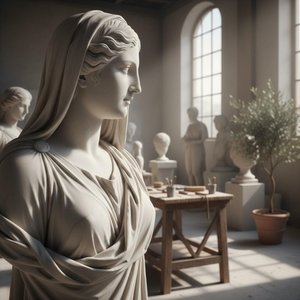
Timeless Elegance: A Complete Guide to the Sublime Beauty and Artistry of Marble Sculpture
Discover the sublime beauty of marble art through an expert exploration of Renaissance and Neoclassical masterpieces. From the delicate textures of Carpeaux to the grandeur of Sansovino, immerse yourself in a guide to timeless elegance and sculptural perfection.