

 Preverite v realnem okolju
 Pošlji kot čestitko
 Deli
Deli
 Podrobnosti
 Priročnik

 Prenesi
 Podobni artefakti
 Rentgenski posnetek
 Predvajaj diaporama
 Statistika
Pulpit (on the left)
 Acrylic
- WallArt
- Renaissance Sculpture
 1465
1465 137.0 x 280.0 cm
 Bazilika San Lorenzo
 Preberi več
Giclée tisk / Umetniški tisk
Giclée ali platnati odtis muzejske kakovosti z hitro proizvodnjo in prilagodljivimi možnostmi končne obdelave. ( Naročite ročno slikano reprodukcijo Preklop na digitalno sliko)




P118B €10

P118H €10

P118W €10

P438Z €10

P508JH €12

P508YH €12

P805H €10

P805Z €10

P919BZ €10

P919G €10

P919XJ €10

P959ZH €10

P968JZ €12

W106C €8

W218G €10

W218JH €8

W218Y €10

W307PJ €10

W316G €10

W316PJ €8

W316Y €10

W398PJ €8

W4111J €10

W500HY €15

W500JH €15

W692G €12

W849H €8

W940BG €15

W953PJ €8




Izberite eno od naših vnaprej določenih velikosti, ki ustrezajo prvotnim proporcijam umetničkega dela.

Vnesite širino in višino, ki jih potrebujete za svoj okvir ali steno. Tiskanje se lahko le odreže, vendar ga ni mogoče narediti večjega od slike, zato format z drugačno obliko pomeni izgubo dela slike. Pred tiskanjem vam pošljemo digitalni predogled za potrditev. Slika, prikazana na tej strani, ne prikazuje dejanskega izrezkov — le predogled to omogoča.
Globalna dostava () v 2 tednih namesto standardnih 4/5 tednov. (20 oktober)

Brezplačna ekspresna dostava po vsem svetu

Visokokakovostno laneno platno

Popolno zavarovanje pošiljke

Garancija povračila carine in uvoznih davkov

Garancija popolnega barvnega ujemanja

Politika vračila v 100 dneh (le v primeru okvar)

Garancija 100% povračila denarja

Popust pri večjem naročilu
 Možnost stekla je na voljo le za velikosti pod 110 cm

Pulpit (on the left)
Giclée tisk / Umetniški tisk
Velikost reprodukcije
-


Skupna cena
€ 70
The Pulpit’s Silent Sermon: Donatello's Masterpiece of Renaissance Grace
Within the serene confines of San Lorenzo church in Florence resides a sculpture that transcends mere marble; it is a profound meditation on faith, humanity, and the very essence of the Renaissance spirit. Donatello’s “Pulpit (on the left),” crafted in 1465, isn't simply an altar piece – it’s a meticulously realized embodiment of humanist ideals, a testament to the artist’s unparalleled skill, and a window into the soul of a transformative era. The sculpture immediately commands attention with its monumental scale—measuring a substantial 137 x 280 centimeters—yet it never feels overwhelming; rather, it exudes an aura of dignified restraint, inviting quiet contemplation.
Donatello’s genius lies not merely in his technical mastery – the flawless rendering of marble, the exquisite detail of each figure, and the harmonious proportions that define the entire composition – but also in his ability to imbue inanimate stone with a palpable sense of life. The figures depicted are not idealized abstractions; they possess a remarkable degree of realism, capturing subtle nuances of expression and gesture. Notice, for instance, the weary resignation etched on the face of Christ, or the attentive posture of the disciples, seemingly lost in prayer. These aren’t representations of saints elevated to an unattainable perfection; they are human beings grappling with profound questions of faith and mortality.
A Renaissance Dialogue: Form, Faith, and Classical Influence
The “Pulpit” is a quintessential example of Early Renaissance sculpture, deeply rooted in the classical traditions that had been revived during this period. Donatello’s debt to ancient Greek and Roman art is evident in the sculpture's balanced composition, its emphasis on human form, and its use of contrapposto – a technique where the figure’s weight shifts subtly, creating a dynamic sense of movement. However, unlike the static formality of classical sculpture, Donatello infuses his work with a distinctly humanist sensibility, prioritizing emotional expression and psychological depth. The figures are not merely beautiful; they are believable, relatable, and profoundly moving.
The choice of marble itself is significant. It was a material favored by Renaissance artists for its durability, its ability to capture subtle gradations of light and shadow, and its association with purity and spiritual contemplation. Donatello’s skillful manipulation of the stone transforms it into something far more than mere rock; he breathes life into it, imbuing it with an almost ethereal quality. The surface is polished to a breathtaking sheen, reflecting the surrounding light and creating a sense of luminous beauty.
Symbolism and Spiritual Resonance
Beyond its formal qualities, the “Pulpit” is rich in symbolic meaning. The scene depicted—Christ’s agony in the Garden of Gethsemane—is one of the most poignant moments in Christian scripture. It represents not only Christ's suffering but also his humanity, his vulnerability, and his willingness to endure pain for the salvation of humankind. The figures surrounding him – Peter, John, and James – are depicted as ordinary men, caught up in a moment of profound spiritual crisis. Their expressions of doubt, fear, and concern resonate deeply with our own human experience.
The pulpit itself serves as a powerful metaphor for the role of faith in human life. It is a place of instruction, of guidance, and of solace—a space where individuals can connect with the divine and find meaning in their lives. Donatello’s sculpture elevates this humble object to an extraordinary work of art, transforming it into a symbol of hope, compassion, and spiritual grace.
A Legacy Enduring: Art History and Beyond
Donatello's "Pulpit (on the left)" stands as a cornerstone of Renaissance art, influencing generations of artists who followed. Its impact extends far beyond the confines of San Lorenzo church; it has been studied, admired, and imitated by scholars and artists alike for centuries. The sculpture’s enduring appeal lies in its ability to transcend time and culture, speaking to universal themes of faith, humanity, and beauty.
Today, reproductions of this masterpiece continue to inspire awe and wonder. Whether viewed in person or through a high-quality print, the “Pulpit” offers a glimpse into the artistic genius of Donatello and the profound spiritual values that shaped the Renaissance era. It’s a reminder that art can not only reflect our world but also illuminate our souls.
Vprašanja in odgovori
Ali so barve dela "Pulpit (on the left)" avtorja Donatello živahne ali utemljene?
"Pulpit (on the left)" avtorja Donatello je zabeležen z Muted saturacijo in Monochromatic intenzivnostjo.
Kakšna je dejanska velikost dela "Pulpit (on the left)" avtorja Donatello?
Originalno delo "Pulpit (on the left)" avtorja Donatello ima dimenzije 137 x 280 cm.
Katera barvna podloga preteka skozi "Pulpit (on the left)" avtorja Donatello?
"Pulpit (on the left)" nagnjeno k Warm Sunset Tones tonu.
Biografija umetnika
zgodno zgodna mladost in začetki kariere
Donato di Niccolò di Betto Bardi, v zgodovini umetnosti bolj znan kot Donatello, se je rodil v Firenci v Italiji okoli leta 1386. Njegovo globoko zanimanje za klasično kiparstvo je močno oblikovalo njegov razvoj sloga zgodnje renesanse, saj je s svojo inovativno pristopom k umetnosti in kulturi postavil temelje, ki so postali nedeljenljiv znak florentinske renesanse.ključna dela in inovacije
Donatellovo najslavnejše delo, David, je predstavljalo prvo svobodno stoječo moško golič skulpturo od dob antičnosti. To delo, ki ga je naročila plemenita družina Medici, je s svojo tehnično dovršenostjo in inovativno estetiko razkazalo njegovo izjemno umetniško znanje. Poleg tega so v njegovem bogatem izročilu izpostavljena še druga znamenita dela:- Sveti Louis iz Toulousea (zdaj v muzeju bazilike Santa Croce), ki vključuje klasičen okvir, ki ga je zasnoval sam Donatello.
- Žrtvovanje Isaka, ustvarjeno za zvonik cerkve Santa Maria del Fiore v Firenci, ki s svojo močno portretno natančnostjo navdušuje gledalca.
- Križ (1425) za Santa Croce, ki prikazuje Krista v trenutku neizmerne bolečine in agonije.
umetnični slog in dediščina
Donatellov umetniški razvoj lahko razdelimo na širše faze, ki se začnejo z razvojem izrazljivosti in klasične monumentalnosti. Čeprav njegovo del v skupnosti sprva ni bilo takoj sprejeto, je sčasoma postalo izjemno priljubljeno ter močno vplivalo na druge italijanske dvore in evropske umetnike. ključni umetniški pogreti:osebno življenje in delovni slog
Donatello je bil poznan po svoji prijaznosti in ljubimosti med ljudmi, vendar pa je bil v poslovnih vidikih svoje kariere precej manj usposobljen. Pogosto se je zgodilo, da je sprejel več naročil, kot jih je zmožnost obdelati, zaradi česa so bila dela pogosto zaključena zamudno ali pa jih je prepustil drugim kiparjem. značitna umetniška dela in umetniki:- Leonardo da Vinci: Objemljanje (detajl)
- Amico Aspertini: Statua Pana / Lev, ki grize konja
- Michelangelo Buonarroti: Tondo Pitt
muzeji in umetniške zbirke:
- Museo della Collegiata (Empoli, Italija): skriti dragulj renesanse, ki v svoji zbirki vsebuje dela Francesco Botticinija in Raffaella Botticinija.
- gibanje zgodnje italijanske renesančne umetnosti

Donatello
1386 - 1466 , Italija
Ključne informacije
- Artistic Movement Or Style: Early Renaissance
- Artists Or Movements Influenced By This Artist:
- Italian Renaissance
- Early Renaissance
- Florentine Renaissance
- Artists Who Influenced This Artist: ['Classical sculpture']
- Date Of Birth: okoli 1386
- Date Of Death: 1466
- Full Name: Donatello di Niccolò
- Nationality: italijanski
- Notable Artworks:
- David
- Sveti Louis iz Tuluze
- Žrtvovanje Isaka
- Križ
- Place Of Birth: Firene, Italija
Sorodni članki

The Enduring Allure of Marble in Art History: From Classical Sculpture to Modern Abstraction
Explore the captivating history of marble sculpture from ancient Greece to modern art. Discover renowned artists like Canova & Michelangelo, carving techniques, and investment insights at OriginalUniqueArt.

The Enduring Form: Exploring Themes & Techniques in Sculpture Across Historical Periods
Explore the rich history of sculpture from ancient masterpieces to contemporary innovations. Discover key techniques, influential artists & investment potential for discerning art collectors.
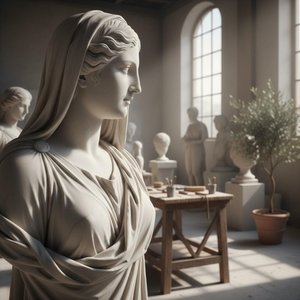
Timeless Elegance: A Complete Guide to the Sublime Beauty and Artistry of Marble Sculpture
Discover the sublime beauty of marble art through an expert exploration of Renaissance and Neoclassical masterpieces. From the delicate textures of Carpeaux to the grandeur of Sansovino, immerse yourself in a guide to timeless elegance and sculptural perfection.

Bronze Age to Modern Masters: 10 Sculptures That Redefined Art | OriginalUniqueArt
Journey through art history with 10 legendary bronze sculptures – from Michelangelo's David to Rodin’s Thinker. Explore the stories, techniques & timeless beauty of these masterpieces. Find museum-quality reproductions & elevate your home decor on OriginalUniqueArt.com.

Bronze Sculptures That Defined Art History | OriginalUniqueArt
Journey through art history with our Top 10 bronze sculptures! Explore masterpieces by Rodin, Michelangelo & more. Discover stories behind iconic statues and find museum-quality reproductions for your home decor at OriginalUniqueArt.com.