

 Predogled
 Pošlji
 Deli
Deli
 Podrobnosti o delu

 Prenesi
 Podobni izdelki
 Rentgenski posnetek
 Predvajaj diaporama
Prophet Jeremiah (detail)


 Razviljaj več
Giclée tisk / Umetniški tisk
Giclée ali platnati odtis muzejske kakovosti z hitro proizvodnjo in prilagodljivimi možnostmi končne obdelave. ( Kupi ročno naslikano sliko Kupi digitalno sliko)




P118B $10

P118H $10

P118W $10

P438Z $10

P508JH $12

P508YH $12

P805H $10

P805Z $10

P919BZ $10

P919G $10

P919XJ $10

P959ZH $10

P968JZ $12

W106C $8

W218G $10

W218JH $8

W218Y $10

W307PJ $10

W316G $10

W316PJ $8

W316Y $10

W398PJ $8

W4111J $10

W500HY $15

W500JH $15

W692G $12

W849H $8

W940BG $15

W953PJ $8




Izberite eno od naših vnaprej določenih velikosti, ki ustrezajo prvotnim proporcijam umetničkega dela.

Svoje dimenzije lahko vnesete sami, da bodo ustrezne za določen okvir ali prostor. Če izbrana velikost ne bo skladna z razmerji izvirne slike, bomo umetniško delo orezali ali podaljšali s pomočjo ogledalnega odraza ali barvno polnega roba. Pred začetkom proizvodnje vam bomo poslali digitalni predogled za potrditev.
Upoštevajte, da predogled na zaslonu ne prikazuje dejanskega orezovanja ali podaljševanja. Le digitalni predogled bo natančno prikazal končno kompozicijo.
Čeprav so na voljo prilagojene velikosti, priporočamo izbiro dimenzije s predhodno določenega seznama, da ohranite prvotna razmerja.
Globalna dostava () v 2 tednih namesto standardnih 4/5 tednov. (22 avgust)

Brezplačna ekspresna dostava po vsem svetu

Visokokakovostno laneno platno

Popolno zavarovanje pošiljke

Garancija povračila carine in uvoznih davkov

Garancija popolnega ujemanja barv

60-dnevna politika vračanja (le v primeru napak)

Garancija 100% povračila denarja

Popust pri večjem naročilu
 Možnost stekla je na voljo le za velikosti pod 110 cm

Prophet Jeremiah (detail)
Giclée tisk / Umetniški tisk
Velikost reprodukcije
-


Skupna končna cena
$ 80
Opis zbirateljskega predmeta
A Soul in Stone: Donatello’s Prophet Jeremiah
Donatello's “Prophet Jeremiah (detail),” a poignant study carved from pristine white marble around 1423-1427, transcends mere portraiture to become a profound meditation on faith, suffering, and the weight of divine prophecy. This intimate fragment, originally conceived for the north side of Giotto’s bell tower in Florence, captures a pivotal moment within the biblical narrative – Jeremiah's lamentation over the impending destruction of Jerusalem, a vision he relentlessly conveyed despite facing scorn and rejection from his people. The sculpture isn’t simply depicting a man; it embodies an entire emotional landscape, radiating a palpable sense of sorrow and quiet dignity.
The work is firmly rooted in the burgeoning Early Renaissance style that Donatello pioneered. Rejecting the overly ornate conventions of the International Gothic tradition, he embraced classical ideals of humanism and naturalism, yet infused them with an intensely personal expression. Notice how the figure’s posture – a subtle lean back, a downward gaze – immediately conveys vulnerability and introspection. This isn't a heroic depiction of a prophet; it is Jeremiah as a man grappling with his burden, a testament to Donatello’s ability to imbue stone with profound psychological depth. The musculature, subtly rendered beneath the flowing drapery, speaks to an underlying strength, a resilience forged in the face of overwhelming adversity.
The Language of Marble: Technique and Material
Donatello's mastery of marble is immediately evident. The surface possesses a remarkable smoothness, achieved through meticulous polishing – a technique that reflects both his skill and the quality of the stone itself. The folds of the garment are sculpted with astonishing precision, creating an illusion of movement and texture. Observe how light plays across the figure’s face, highlighting the wrinkles around his eyes and mouth, not as signs of age but as emblems of experience and sorrow. The use of *contrapposto*, a classical technique where the weight is shifted to one leg, creates a dynamic balance within the sculpture, lending it a sense of life and vitality despite its stillness.
Crucially, Donatello’s choice of white marble was deliberate. The purity of the material serves as a visual metaphor for Jeremiah's message – a stark contrast against the corruption and impending doom he foretold. The reflective surface also invites contemplation, encouraging viewers to engage with the sculpture on an emotional level. It is a material that speaks of both fragility and enduring strength, mirroring the themes explored within the artwork.
Symbolism and Context: A Prophet’s Lament
Jeremiah's prophecy was notoriously difficult to deliver; he warned of divine judgment against a people who refused to heed his warnings. The sculpture captures this tension perfectly. The prophet’s hand, clasped tightly over his thigh, suggests both despair and determination – a refusal to relinquish hope despite the bleakness of his situation. His downcast eyes are not simply indicative of sadness but also of a profound understanding of God's will. The cartouche held by his left hand, bearing his name, is a subtle reminder of his identity and role as a messenger of divine truth.
The sculpture’s original placement on Giotto’s bell tower underscored its significance. As one of the first freestanding nude male sculptures since antiquity, it represented a bold departure from medieval artistic conventions. It was a statement about humanity's capacity for both suffering and resilience – qualities that resonated deeply with the humanist ideals of the Renaissance. The subsequent relocation to the Cathedral’s façade further cemented its place as a powerful symbol of faith and judgment.
A Timeless Echo: Emotional Resonance
“Prophet Jeremiah (detail)” continues to resonate with viewers centuries after its creation. Its raw emotional honesty, coupled with Donatello's masterful technical skill, creates an experience that is both deeply moving and intellectually stimulating. The sculpture invites us to contemplate the nature of faith, the burden of responsibility, and the enduring power of human compassion. It’s a work that transcends its historical context, offering a timeless reflection on the complexities of the human condition – a testament to Donatello's genius and his profound understanding of the human spirit.
Biografija umetnika
zgodno zgodna mladost in začetki kariere
Donato di Niccolò di Betto Bardi, v zgodovini umetnosti bolj znan kot Donatello, se je rodil v Firenci v Italiji okoli leta 1386. Njegovo globoko zanimanje za klasično kiparstvo je močno oblikovalo njegov razvoj sloga zgodnje renesanse, saj je s svojo inovativno pristopom k umetnosti in kulturi postavil temelje, ki so postali nedeljenljiv znak florentinske renesanse.ključna dela in inovacije
Donatellovo najslavnejše delo, David, je predstavljalo prvo svobodno stoječo moško golič skulpturo od dob antičnosti. To delo, ki ga je naročila plemenita družina Medici, je s svojo tehnično dovršenostjo in inovativno estetiko razkazalo njegovo izjemno umetniško znanje. Poleg tega so v njegovem bogatem izročilu izpostavljena še druga znamenita dela:- Sveti Louis iz Toulousea (zdaj v muzeju bazilike Santa Croce), ki vključuje klasičen okvir, ki ga je zasnoval sam Donatello.
- Žrtvovanje Isaka, ustvarjeno za zvonik cerkve Santa Maria del Fiore v Firenci, ki s svojo močno portretno natančnostjo navdušuje gledalca.
- Križ (1425) za Santa Croce, ki prikazuje Krista v trenutku neizmerne bolečine in agonije.
umetnični slog in dediščina
Donatellov umetniški razvoj lahko razdelimo na širše faze, ki se začnejo z razvojem izrazljivosti in klasične monumentalnosti. Čeprav njegovo del v skupnosti sprva ni bilo takoj sprejeto, je sčasoma postalo izjemno priljubljeno ter močno vplivalo na druge italijanske dvore in evropske umetnike. ključni umetniški pogreti:osebno življenje in delovni slog
Donatello je bil poznan po svoji prijaznosti in ljubimosti med ljudmi, vendar pa je bil v poslovnih vidikih svoje kariere precej manj usposobljen. Pogosto se je zgodilo, da je sprejel več naročil, kot jih je zmožnost obdelati, zaradi česa so bila dela pogosto zaključena zamudno ali pa jih je prepustil drugim kiparjem. značitna umetniška dela in umetniki:- Leonardo da Vinci: Objemljanje (detajl)
- Amico Aspertini: Statua Pana / Lev, ki grize konja
- Michelangelo Buonarroti: Tondo Pitt
muzeji in umetniške zbirke:
- Museo della Collegiata (Empoli, Italija): skriti dragulj renesanse, ki v svoji zbirki vsebuje dela Francesco Botticinija in Raffaella Botticinija.
- gibanje zgodnje italijanske renesančne umetnosti

Donatello
1386 - 1466 , Italija
Hitri podatki
- Artistic Movement Or Style: Early Renaissance
- Artists Or Movements Influenced By This Artist:
- Italian Renaissance
- Early Renaissance
- Florentine Renaissance
- Artists Who Influenced This Artist: ['Classical sculpture']
- Date Of Birth: okoli 1386
- Date Of Death: 1466
- Full Name: Donatello di Niccolò
- Nationality: italijanski
- Notable Artworks:
- David
- Sveti Louis iz Tuluze
- Žrtvovanje Isaka
- Križ
- Place Of Birth: Firene, Italija
Sorodni članki

The Enduring Allure of Marble in Art History: From Classical Sculpture to Modern Abstraction
Explore the captivating history of marble sculpture from ancient Greece to modern art. Discover renowned artists like Canova & Michelangelo, carving techniques, and investment insights at OriginalUniqueArt.

Bronze Sculptures That Defined Art History | OriginalUniqueArt
Journey through art history with our Top 10 bronze sculptures! Explore masterpieces by Rodin, Michelangelo & more. Discover stories behind iconic statues and find museum-quality reproductions for your home decor at OriginalUniqueArt.com.

The Enduring Form: Exploring Themes & Techniques in Sculpture Across Historical Periods
Explore the rich history of sculpture from ancient masterpieces to contemporary innovations. Discover key techniques, influential artists & investment potential for discerning art collectors.

Bronze Age to Modern Masters: 10 Sculptures That Redefined Art | OriginalUniqueArt
Journey through art history with 10 legendary bronze sculptures – from Michelangelo's David to Rodin’s Thinker. Explore the stories, techniques & timeless beauty of these masterpieces. Find museum-quality reproductions & elevate your home decor on OriginalUniqueArt.com.
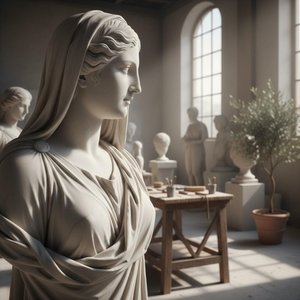
Timeless Elegance: A Complete Guide to the Sublime Beauty and Artistry of Marble Sculpture
Discover the sublime beauty of marble art through an expert exploration of Renaissance and Neoclassical masterpieces. From the delicate textures of Carpeaux to the grandeur of Sansovino, immerse yourself in a guide to timeless elegance and sculptural perfection.

