
 Predogled v realnem okolju
 Pošlji
 Deli
Deli
 Podrobnosti o delu
 Priročnik

 Prenesi sliko
 Podobni izdelki
 Rentgenski posnetek
 Predvajaj diaporama
 Vprašanja in odgovori
 Statistika
Madonna with the Child


 Preberi več
Giclée tisk / Umetniški tisk
Giclée ali platnati odtis muzejske kakovosti z hitro proizvodnjo in prilagodljivimi možnostmi končne obdelave. ( Kupite ročno slikano delo Preklop na digitalno sliko)




P118B €10

P118H €10

P118W €10

P438Z €10

P508JH €12

P508YH €12

P805H €10

P805Z €10

P919BZ €10

P919G €10

P919XJ €10

P959ZH €10

P968JZ €12

W106C €8

W218G €10

W218JH €8

W218Y €10

W307PJ €10

W316G €10

W316PJ €8

W316Y €10

W398PJ €8

W4111J €10

W500HY €15

W500JH €15

W692G €12

W849H €8

W940BG €15

W953PJ €8




Izberite eno od naših vnaprej določenih velikosti, ki ustrezajo prvotnim proporcijam umetničkega dela.

Vnesite širino in višino, ki jih potrebujete za svoj okvir ali steno. Tiskanje se lahko le odreže, vendar ga ni mogoče narediti večjega od slike, zato format z drugačno obliko pomeni izgubo dela slike. Pred tiskanjem vam pošljemo digitalni predogled za potrditev. Slika, prikazana na tej strani, ne prikazuje dejanskega izrezka — le predogled to omogoča.
Globalna dostava () v 2 tednih namesto standardnih 4/5 tednov. (5 november)

Brezplačna ekspresna dostava po vsem svetu

Visokokakovostno laneno platno

Popolno zavarovanje pošiljke

Garancija povračila carine in uvoznih davkov

Garancija popolnega barvnega ujemanja

100-dnevna politika vračil (le v primeru okvar)

Garancija 100% povračila denarja

Popust pri večjem naročilu
 Možnost stekla je na voljo le za velikosti pod 110 cm

Madonna with the Child
Giclée tisk / Umetniški tisk
Velikost reprodukcije
-


Skupna cena
€ 72
A Divine Encounter: The Early Renaissance Vision of Donatello’s Madonna
Donatello's Madonna with the Child, sculpted in 1448 for the High Altar of the Basilica di Sant’Antonio in Padua, isn’t merely a depiction of Mary and Jesus; it’s a profound statement about faith, humanity, and the burgeoning spirit of the Early Renaissance. Far removed from the stylized piety of preceding generations, this sculpture embodies a newfound realism and emotional depth that would forever alter the course of Western art. Commissioned during a period of intense artistic and intellectual ferment in Florence, it reflects a shift towards celebrating human experience within a religious context – a subtle yet revolutionary change.
The statue immediately captivates with its intimate portrayal of the Virgin holding her infant son. Donatello masterfully captures the delicate curve of Mary’s neck as she gazes down at Jesus, his tiny hand resting gently on hers. This isn't a distant, ethereal figure; it’s a mother in palpable connection with her child, radiating warmth and tenderness. The crown adorning Mary’s head – a deliberate reference to the biblical imagery of the Queen of Heaven – subtly elevates her status while simultaneously grounding her in human reality. The inclusion of the scepter and shield further reinforces this duality: she is both divine and profoundly relatable.
- Material & Technique: Crafted from white marble, the sculpture showcases Donatello’s exceptional skill in capturing texture and form. The smooth surface of Mary's robes contrasts beautifully with the slightly rougher texture of Jesus’ skin, creating a dynamic interplay of visual interest.
- Compositional Innovation: Unlike many earlier depictions of the Madonna and Child, Donatello places Mary and Jesus within a relatively shallow space, drawing the viewer directly into their embrace. This intimate arrangement fosters a sense of immediacy and connection.
The Influence of Classical Antiquity
Donatello’s work is deeply rooted in the rediscovery of classical sculpture – a defining characteristic of the Renaissance. He studied the works of ancient Greek and Roman sculptors, particularly their emphasis on human anatomy and realistic portrayal. This influence is evident in the idealized beauty of Mary's figure, reminiscent of classical goddesses. The contrapposto pose—where the weight shifts to one leg, creating a natural curve in the body—is another clear example of this classical inspiration.
However, Donatello doesn’t simply imitate antiquity; he adapts and transforms it to suit his own artistic vision. He imbues the sculpture with a distinctly Christian sensibility, imbuing the figures with an emotional intensity that transcends mere imitation. The subtle expressions on their faces—a hint of serenity in Mary's gaze, a quiet contemplation in Jesus’ expression—speak volumes about the profound spiritual connection between mother and child.
A Window into Renaissance Florence
The Madonna with the Child was created during a period of immense social and political change in Florence. The Medici family, powerful patrons of the arts, were instrumental in fostering an environment where artistic innovation flourished. Donatello’s sculpture reflects this spirit of experimentation and creativity, pushing the boundaries of traditional religious art.
Further research reveals that this piece was part of a larger altarpiece intended for the Basilica di Sant'Antonio, alongside works by other prominent artists like Andrea del Verrocchio and Giovanni di Tura. The entire composition aimed to create a visually stunning and spiritually uplifting experience for worshippers. The presence of other figures – children surrounding Mary – suggests a broader theme of family, community, and divine grace.
Symbolism and Emotional Resonance
Beyond its technical brilliance, the sculpture is rich in symbolism. The crown signifies Mary’s role as Queen of Heaven, while the scepter and shield represent her authority and protection. The inclusion of children reinforces the theme of family and the promise of new life. But perhaps most powerfully, the image evokes a sense of profound love, tenderness, and spiritual connection – emotions that resonate deeply with viewers across centuries.
Today, reproductions of Donatello’s Madonna with the Child continue to inspire artists and designers alike. Its timeless beauty and emotional depth make it a truly remarkable masterpiece of the Early Renaissance—a testament to the enduring power of art to capture the essence of human experience.
Vprašanja in odgovori
Kakšna je medsebojna skladnost barv v delu "Madonna with the Child"?
Barvna harmonija dela "Madonna with the Child" je opisana kot Strong Color Unity.
Kaj prikazuje "Madonna with the Child" avtorja Donatello?
Tematika v delu "Madonna with the Child" avtorja Donatello vključuje madonna, child, renaissance, sculpture, religion, mary, bronze, italian art, ki skupaj predstavljajo vsebino umetninškega dela.
Kakšno zasičenost in intenzivnost prikazuje "Madonna with the Child" avtorja Donatello?
"Madonna with the Child" avtorja Donatello odlikuje Muted saturacija in Monochromatic intenzivnost barv.
Biografija umetnika
zgodno zgodna mladost in začetki kariere
Donato di Niccolò di Betto Bardi, v zgodovini umetnosti bolj znan kot Donatello, se je rodil v Firenci v Italiji okoli leta 1386. Njegovo globoko zanimanje za klasično kiparstvo je močno oblikovalo njegov razvoj sloga zgodnje renesanse, saj je s svojo inovativno pristopom k umetnosti in kulturi postavil temelje, ki so postali nedeljenljiv znak florentinske renesanse.ključna dela in inovacije
Donatellovo najslavnejše delo, David, je predstavljalo prvo svobodno stoječo moško golič skulpturo od dob antičnosti. To delo, ki ga je naročila plemenita družina Medici, je s svojo tehnično dovršenostjo in inovativno estetiko razkazalo njegovo izjemno umetniško znanje. Poleg tega so v njegovem bogatem izročilu izpostavljena še druga znamenita dela:- Sveti Louis iz Toulousea (zdaj v muzeju bazilike Santa Croce), ki vključuje klasičen okvir, ki ga je zasnoval sam Donatello.
- Žrtvovanje Isaka, ustvarjeno za zvonik cerkve Santa Maria del Fiore v Firenci, ki s svojo močno portretno natančnostjo navdušuje gledalca.
- Križ (1425) za Santa Croce, ki prikazuje Krista v trenutku neizmerne bolečine in agonije.
umetnični slog in dediščina
Donatellov umetniški razvoj lahko razdelimo na širše faze, ki se začnejo z razvojem izrazljivosti in klasične monumentalnosti. Čeprav njegovo del v skupnosti sprva ni bilo takoj sprejeto, je sčasoma postalo izjemno priljubljeno ter močno vplivalo na druge italijanske dvore in evropske umetnike. ključni umetniški pogreti:osebno življenje in delovni slog
Donatello je bil poznan po svoji prijaznosti in ljubimosti med ljudmi, vendar pa je bil v poslovnih vidikih svoje kariere precej manj usposobljen. Pogosto se je zgodilo, da je sprejel več naročil, kot jih je zmožnost obdelati, zaradi česa so bila dela pogosto zaključena zamudno ali pa jih je prepustil drugim kiparjem. značitna umetniška dela in umetniki:- Leonardo da Vinci: Objemljanje (detajl)
- Amico Aspertini: Statua Pana / Lev, ki grize konja
- Michelangelo Buonarroti: Tondo Pitt
muzeji in umetniške zbirke:
- Museo della Collegiata (Empoli, Italija): skriti dragulj renesanse, ki v svoji zbirki vsebuje dela Francesco Botticinija in Raffaella Botticinija.
- gibanje zgodnje italijanske renesančne umetnosti

Donatello
1386 - 1466 , Italija
Hitri podatki
- Artistic Movement Or Style: Early Renaissance
- Artists Or Movements Influenced By This Artist:
- Italian Renaissance
- Early Renaissance
- Florentine Renaissance
- Artists Who Influenced This Artist: ['Classical sculpture']
- Date Of Birth: okoli 1386
- Date Of Death: 1466
- Full Name: Donatello di Niccolò
- Nationality: italijanski
- Notable Artworks:
- David
- Sveti Louis iz Tuluze
- Žrtvovanje Isaka
- Križ
- Place Of Birth: Firene, Italija
Sorodni članki

The Enduring Legacy of Bronze: A Historical & Artistic Exploration for the Collector
Explore the rich history & enduring appeal of bronze sculpture with expert insights for collectors at OriginalUniqueArt. Learn about casting techniques, iconic artists, collecting tips & contemporary interpretations.

Bronze Age to Modern Masters: 10 Sculptures That Redefined Art | OriginalUniqueArt
Journey through art history with 10 legendary bronze sculptures – from Michelangelo's David to Rodin’s Thinker. Explore the stories, techniques & timeless beauty of these masterpieces. Find museum-quality reproductions & elevate your home decor on OriginalUniqueArt.com.
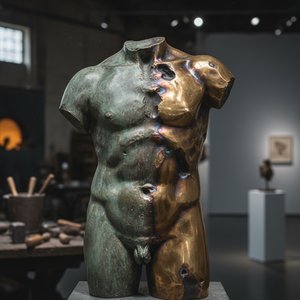
Trajna Dedščina Bronaste Skulpture: Zgodovina, Tehnike in Sodobne Interpretacije
Odkrijte bogato zgodovino bronaste skulpture, tehniko izgubljenega voska in sodobne interpretacije. Strokovni vpogledi za zbiratelje in ljubitelje umetnosti. Kvalitetna analiza, restavracija in vrednotenje.

Bronze Sculptures That Defined Art History | OriginalUniqueArt
Journey through art history with our Top 10 bronze sculptures! Explore masterpieces by Rodin, Michelangelo & more. Discover stories behind iconic statues and find museum-quality reproductions for your home decor at OriginalUniqueArt.com.

The Enduring Legacy of Bronze: History, Technique & Artistic Expression for the Collector
Explore the rich history & enduring appeal of bronze sculpture with expert insights for collectors at OriginalUniqueArt. Learn about casting techniques, iconic artists, and collecting tips.