
 Preverite v realnem okolju
 Pošlji kot čestitko
 Deli
Deli
 Podrobnosti
 Priročnik

 Prenesi
 Podobni artefakti
 Rentgenski posnetek
 Predvajaj diaporama
 Statistika
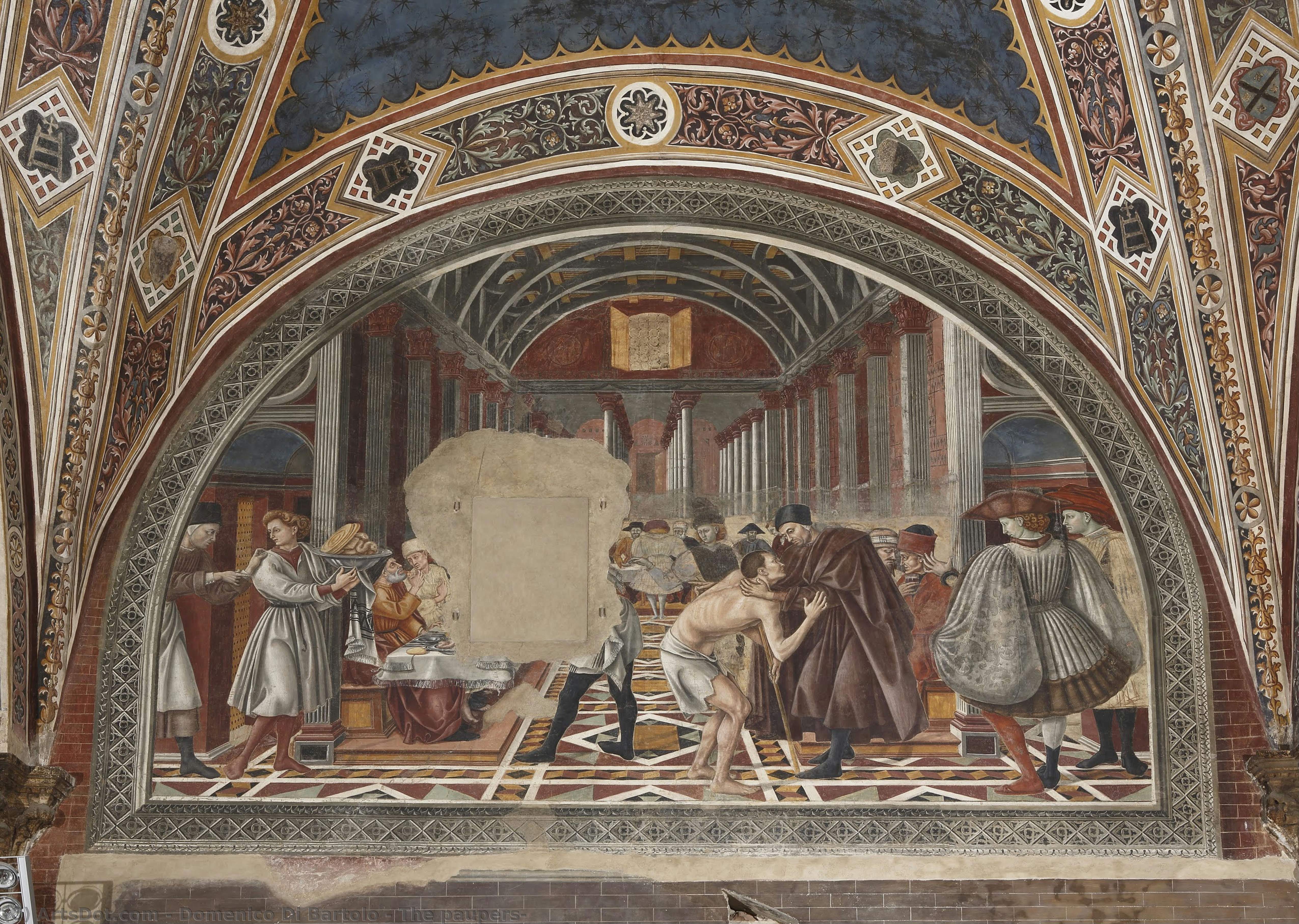
The paupers

 Preberi več
Kupite digitalno sliko visoke ločljivosti z izboljšano kakovostjo, ki je precej višja od spletnega predogleda.
Vsako datoteko naše strokovnjake v ekipi z največjo mero natančnosti pripravijo z uporabo naprednih orodij in strokovne ročne obdelave. Zagotovimo, da je vsaka slika izjemno jasna, barvno natančna in polna finih podrobnosti.
Končna datoteka je po e-pošti dostavljena v 72 urah, optimizirana za takojšnjo uporabo v profesionalnem, uredniškem in tiskarskem okolju. To je kakovost, ki ji zaupajo vrhunska oblikovalna studia, založniki in galerije.
Digitalna slika
Prenesite datoteko visoke ločljivosti za osebno uporabo, tiskanje in kreativne projekte. ( Preklop na tiskanine Naročite ročno slikano reprodukcijo)
Vključeno v vsako naročilo digitalne slike
Zagotovljena strokovna digitalna dostava
Z izbiro OriginalUniqueArt.com ne prejmete le slike – prejmete profesionalno urejeno digitalno umetniško delo, izdelano z največjo natančnostjo in zavestno podprto z garancijo za zadovoljstvo. Tukaj je vse, kar bo z vašim naročilom samodejno priloženo:

Hitra dostava po e-pošti
Vaša digitalna slika visoke ločljivosti bo na vaš e-naslov poslana v roku 72 ur od zaklopa naročila – pripravljena za takojšnjo uporabo.

Digitalna datoteka z uporabo AI
Vaše umetniško delo je strokovno optimizirano z uporabo naprednih orodij umetne inteligence in ročne obdelave, kar zagotavlja največjo stopnjo podrobnosti, jasnosti in barvne natančnosti.

Brezplačna doletna ponovna dostava
Ste datoteko zaradi nespremietne napake izgubili ali izbrisali? Ni težav – vam jo bomo ponovno poslali kadar koli in brezplačno.

Brez uvoznih pristojbin – vedno
Svoje umetniško del uživajte takoj, brez carin, davkov ali stroškov dostave – digitalni prenosi so vedno brezdavčni.

Zagotovilo natančnosti barv
Z uporabo profesionalnih orodij in procesov upravljanja barv zagotavljamo, da vaša digitalna slika čim bolj natančno odraža prvotne barve.

100-dnevna garancija zadovoljstva
Če niste zadovoljni s svojo digitalno sliko, jo bomo uredili ali vam v 100 dneh povrnili 100% denarja – brez kakršnih koli vprašanj.

100% Garancija povračila denarja
Niste zadovoljni? Zagotavljamo vam popoln povračilo sredstev v 100 dneh po prejemu digitalne datoteke – brez dodatnih vprašanj.

Popusti pri večjih naročilih
Kupite 3 slike, prihranite 10% - Kupite 5 slik, prihranite 15% - Kupite 10+ slik, prihranite 20%. Odlično za kreativne projekte, galerije in agencije.
Biografija umetnika
The Dawn of a New Era: Exploring the Art of the 1400s
The fifteenth century stands as a pivotal moment in art history – a time of profound transformation, where the rigid formality of the Gothic era began to yield to the burgeoning dynamism and humanism of the Renaissance. While often viewed as a singular “Renaissance,” this period was far more nuanced, unfolding differently across Europe’s diverse city-states. This article delves into the artistic landscape of the 1400s, exploring key figures, stylistic developments, and the complex interplay of patronage, innovation, and tradition that defined this remarkable era.
The seeds of change were sown in Italy, particularly within the vibrant republics of Florence, Venice, and Siena. Unlike the centralized power structures of many European kingdoms, these city-states fostered a unique environment where wealth, ambition, and artistic patronage flourished. Powerful merchant families like the Medici in Florence commissioned works not merely for religious devotion but also to project their status, influence, and civic pride. This competitive spirit fueled an unprecedented surge in artistic creativity, leading to groundbreaking advancements in technique, subject matter, and representation.
Early Masters and Northern Influences
The early decades of the century witnessed a fascinating convergence of styles. In Italy, artists like Gentile da Fabriano and Robert Campin skillfully blended Gothic traditions with emerging Renaissance principles. Gentile’s *Adoration of the Magi* (c. 1423), housed in the Uffizi Gallery, exemplifies this transitional phase – retaining elements of intricate detail and symbolic richness characteristic of the Gothic style while introducing a greater sense of naturalism and perspective. Campin's work, particularly his “Nativity,” showcases a meticulous attention to detail and a realistic portrayal of human figures, foreshadowing the Renaissance emphasis on individual representation.
Meanwhile, in the North – specifically Flanders (modern-day Belgium) – artists like Jan van Eyck and Rogier van der Weyden were pioneering new techniques. Van Eyck’s mastery of oil paint revolutionized artistic practice, allowing for unprecedented levels of detail, luminosity, and realism. His *Arnolfini Portrait* (1434), a masterpiece of Northern Renaissance art, is renowned for its meticulous rendering of textures – the velvet drapery, the wooden floorboards, the tiny details within the mirror – creating an immersive and remarkably lifelike experience. These artists’ focus on realistic detail and intimate scenes would profoundly influence Italian painters in subsequent decades.
The Florentine Revolution: Masaccio and Donatello
Florence emerged as a crucial center of artistic innovation during the mid-century, largely thanks to the patronage of the Medici family. This period witnessed the rise of figures like Masaccio and Donatello, who fundamentally reshaped the course of Renaissance art. Masaccio’s frescoes in the Brancacci Chapel at Santa Maria del Carmine are considered groundbreaking for their masterful use of linear perspective – creating a convincing illusion of depth and space that revolutionized painting techniques. His *Trinity* fresco is particularly notable for its dramatic lighting and emotional intensity.
Donatello, a sculptor who initially worked in the Gothic style, pushed the boundaries of realism and humanism through his sculptures. His bronze *David* (c. 1440s), one of the first free-standing nude statues since antiquity, embodies the Renaissance ideal of the heroic individual – celebrating beauty, strength, and civic virtue. Donatello’s work demonstrated a renewed interest in classical forms and proportions, reflecting the humanist values that were gaining prominence during this era.
Beyond Italy: Developments Across Europe
While Florence dominated much of the artistic discourse, significant developments occurred across Europe. In Siena, artists like Simone di Nanni Ferrucci continued to produce works rooted in Gothic traditions but increasingly incorporating Renaissance elements. Venetian painting, under the influence of artists like Giovanni Bellini and later Titian, developed a distinctive style characterized by rich colors, atmospheric effects, and a focus on sensuality and beauty. The Limbourg Brothers’ *Très Riches Hours* (c. 1416-1418), a lavish illuminated manuscript, exemplifies the exquisite craftsmanship and intricate detail that flourished in Northern Europe during this period.
Legacy and Historical Significance
The art of the 1400s laid the foundation for the High Renaissance of the following century. The innovations in technique – particularly the development of oil painting – and the shift towards humanism, realism, and classical inspiration established a new paradigm for Western art. The patronage system fostered by the Italian republics created an environment where artists could thrive, pushing the boundaries of creativity and shaping the course of artistic history. The legacy of this era continues to resonate today, influencing countless artists across centuries.

domenico di bartolo
1400 - 1445 , Italy
Kratek pregled
- Artistic Movement Or Style: Early Renaissance
- Artists Or Movements Influenced By This Artist: ['Renaissance art']
- Artists Who Influenced This Artist: ['Gothic artists']
- Date Of Death: 1445
- Nationality: Italian
- Notable Artworks:
- Gentile da Fabriano's Altarpiece
- Robert Campin’s Nativity