
 Predogled v realnem okolju
 Pošlji
 Deli
Deli
 Podrobnosti o delu
 Priročnik

 Prenesi sliko
 Podobni izdelki
 Rentgenski posnetek
 Predvajaj diaporama
 Vprašanja in odgovori
 Statistika
Kitchen Scene

- 75.0 x 77.0 cm


 Preberi več
Pridobite datoteko, pripravljeno za tiskanje, ki presega kakovost spletnega predogleda. Vsaka digitalna slika v naši ponudbi izvira iz visoko ločljive izvirne datoteke v naši bazi — običajno široke od 5.000 do 15.000 pikselov — zato lahko z zaupanjem tiskate v večji format, tesno izrezujete ali reproducirate fine podrobnosti.
Nobena datoteka ne zapusti našega studia nedotiknjena. Digitalni strokovnjak preveri barve v primerjavi z izvirno sliko in jih po potrebi popravi, nato pa s profesionalnimi orodji za retuširanje izboljša jasnost in podrobnosti — pri čemer vedno ostaja zvest umetnikovim potezam in slogu. Rezultat je slika, ki izgleda kot samo slikarstvo, ne pa kot le filtriran sken.
Potrditev pred dokončanjem dela: naš strokovnjak vam v roku 72 ur pošlje sliko po e-pošti na pregled. Niste zadovoljni? Zahtevajte izboljšave ali popravke ali prosite za povračilo denarja, če kakovost ni v skladu z pričakovanimi standardi.
To je kakovost, po kateri temeljijo založniki, oblikovalni studii, galerije in tiskarne.
Digitalna slika
Prenesite datoteko visoke ločljivosti za osebno uporabo, tiskanje in kreativne projekte. ( Preklop na tiskanine Kupite ročno slikano delo)
Vključeno v vsako naročilo digitalne slike
Zagotovljena strokovna digitalna dostava
Z izbiro OriginalUniqueArt.com ne prejmete le slike – prejmete profesionalno urejeno digitalno umetniško delo, izdelano z največjo natančnostjo in zavestno podprto z garancijo za zadovoljstvo. Tukaj je vse, kar bo z vašim naročilom samodejno priloženo:

Hitra dostava prek e-pošte
Vaša digitalna slika visoke ločljivosti bo na vaš e-naslov poslana v roku 72 ur od zaklopa naročila – pripravljena za takojšnjo uporabo.

Digitalna datoteka z uporabo AI
Vaše umetniško delo je strokovno optimizirano z uporabo naprednih orodij umetne inteligence in ročne obdelave, kar zagotavlja največjo stopnjo podrobnosti, jasnosti in barvne natančnosti.

Brezplačna doletna ponovna dostava
Ste datoteko zaradi nespremietne napake izgubili ali izbrisali? Ni težav – vam jo bomo ponovno poslali kadar koli in brezplačno.

Brez uvoznih pristojbin – vedno
Svoje umetniško del uživajte takoj, brez carin, davkov ali stroškov dostave – digitalni prenosi so vedno brezdavčni.

Zagotovilo natančnosti barv
Z uporabo profesionalnih orodij in procesov upravljanja barv zagotavljamo, da vaša digitalna slika čim bolj natančno odraža prvotne barve.

100-dnevna garancija zadovoljstva
Če niste zadovoljni s svojo digitalno sliko, jo bomo uredili ali vam v 100 dneh povrnili 100% denarja – brez kakršnih koli vprašanj.

100% Garancija povračila denarja
Niste zadovoljni? Zagotavljamo vam popoln povračilo sredstev v 100 dneh po prejemu digitalne datoteke – brez dodatnih vprašanj.

Popusti pri večjih naročilih
Kupite 3 slike, prihranite 10% - Kupite 5 slik, prihranite 15% - Kupite 10+ slik, prihranite 20%. Odlično za kreativne projekte, galerije in agencije.
A Glimpse into Domesticity: David Teniers the Younger’s “Kitchen Scene”
David Teniers the Younger's "Kitchen Scene," painted in 1644, is more than just a depiction of daily life; it’s a meticulously crafted window into the heart of 17th-century Flemish domesticity. Housed within the Mauritshuis museum in The Hague, this oil painting on copper immediately draws the viewer into a bustling scene brimming with activity and quiet intimacy. Teniers wasn't merely recording a snapshot; he was capturing an atmosphere, imbuing the kitchen with a palpable sense of warmth, conversation, and the comforting rhythms of family life.
The artist’s skill lies not just in his technical proficiency – evident in the remarkably detailed rendering of food, utensils, and fabrics – but also in his ability to convey mood. The light, diffused and warm, suggests a late afternoon, casting long shadows across the room and highlighting the rich textures of the wooden table, earthenware bowls, and the woman’s richly colored dress. Notice how he uses subtle variations in tone to create depth, drawing our eye from the central figures towards the background activity – children playing, servants preparing food, and a dog observing the scene with quiet attentiveness.
The Painter's Palette: Technique and Materials
“Kitchen Scene” is a testament to Teniers’ mastery of oil painting on copper. This medium offered him exceptional control over color saturation and layering, allowing for a remarkable level of detail and luminosity. The use of impasto – applying paint thickly – particularly in the depiction of the food and textiles – adds a tactile quality to the image, inviting us to almost reach out and touch the smooth surface of the table or feel the warmth radiating from the hearth (implied but not explicitly shown). The copper itself contributes significantly to the painting’s visual impact; it reflects light beautifully, intensifying colors and creating a sense of vibrancy that is often lost in traditional panel paintings.
Furthermore, Teniers' meticulous attention to detail extends beyond mere representation. He employs a sophisticated understanding of perspective and chiaroscuro – the use of contrasting light and shadow – to create a convincing illusion of space. The figures are rendered with a remarkable degree of realism, their faces conveying a range of emotions—from amusement and conversation to focused concentration. The artist’s ability to capture these subtle nuances is what elevates “Kitchen Scene” beyond a simple genre painting.
A Window into the Golden Age: Context and Symbolism
“Kitchen Scene” firmly places itself within the Dutch Golden Age of art, a period characterized by unprecedented prosperity, artistic innovation, and a burgeoning interest in depicting everyday life. Teniers’ work reflects this shift away from purely religious or mythological subjects towards more secular themes – a trend driven by the rise of the merchant class and their desire to celebrate their newfound wealth and status. The scene itself is rich with symbolism. The abundance of food represents prosperity and hospitality, while the presence of children suggests family values and the continuation of lineage.
The inclusion of a dog, a common feature in domestic scenes of the era, reinforces the theme of companionship and loyalty. Even the hanging bird – a detail often overlooked – could symbolize abundance or good fortune. The painting’s setting, a well-equipped kitchen, speaks to the importance of food preparation and communal meals within 17th-century Flemish society. It's a scene that resonates with universal themes of family, community, and the simple pleasures of life.
Collecting the Essence: Reproduction and Legacy
Reproductions of “Kitchen Scene” offer an accessible way to experience the artistry and charm of this remarkable painting. Whether displayed in a grand salon or a cozy corner, it serves as a captivating reminder of a bygone era. The meticulous detail and evocative atmosphere captured by Teniers continue to resonate with viewers today, offering a glimpse into the lives and values of those who came before us.
For art enthusiasts seeking a deeper understanding of this masterpiece, we encourage you to explore the resources linked below: The Mauritshuis museum’s collection provides invaluable insights into the painting's history and context. Furthermore, examining related works by David Teniers the Younger – such as “An Old Peasant caresses a Kitchen Maid in a Stable” – reveals his distinctive style and thematic preoccupations.
Vprašanja in odgovori
Kje lahko prenesem "Kitchen Scene" avtorja David Teniers Mlajši?
Digitalno sliko za "Kitchen Scene" lahko prenesete na strani Prenos digitalne slike, kjer je na voljo možnost prenos digitalne slike visoke ločljivosti.
Kdo je ustvaril "Kitchen Scene"?
"Kitchen Scene" pripisujemo David Teniers Mlajši.
Ali se "Kitchen Scene" avtorja David Teniers Mlajši nahaja v matični državi umetnika?
Ne – umetniško delo se nahaja v tujini. Rodna država umetnika David Teniers Mlajši je Belgija, original dela "Kitchen Scene" pa se nahaja v muzeju v državi Nizozemska.
Biografija umetnika
Early Life and Family Background
- Born: Antwerp, then in the Spanish Netherlands, baptised on December 15, 1610.
- David Teniers the Younger came from a family deeply rooted in the artistic tradition of Flanders. His father, David Teniers the Elder, was also a painter, and his younger brothers Juliaan, Theodoor and Abraham all became painters as well.
- Training: He studied under his father from 1626, receiving his foundational training in painting techniques and styles.
- His father was frequently in debt and was at times jailed for it, so the young David made copies of old master paintings to help support the family.
- Antwerp Guild: He became a master of the Antwerp Guild of Saint Luke in 1632–1633 and served as its dean in 1644–1645.
Artistic Development and Influences
- Early Influences: His early work followed his father’s small cabinet paintings and, through him, the example of Adam Elsheimer. Until the end of the 1630s his pictures were very close to those of Adriaen Brouwer in subject matter, technique, colour and composition.
- The Rubens Circle: In 1637 he married Anna Brueghel, daughter of Jan Brueghel the Elder. Peter Paul Rubens, who had been her guardian after her father’s death, was a witness at the wedding, drawing Teniers into the circle of Antwerp’s leading painter.
- Genre Specialization: Teniers gradually specialized in genre painting – depictions of everyday life – becoming renowned for his lively scenes of peasant festivals (kermesses), tavern interiors, and village landscapes.
Major Works and Artistic Style
- Genre Scenes: His most celebrated works are his genre paintings. These often depict bustling scenes of peasant life filled with merriment, dancing, drinking, and games.
- Kermess Paintings: Village feasts such as The Flemish Kermess exemplify his style – vibrant colors, detailed compositions, and a keen observation of human behavior.
- Tavern Interiors: His tavern scenes are particularly notable for their realistic portrayal of everyday life and the lively atmosphere within these establishments.
- Beyond the Village: He also painted landscapes, guardroom scenes, alchemists and physicians at work, and witty singeries in which monkeys act out human affairs.
- Gallery Paintings: His views of the Archduke’s picture gallery, their walls crowded with identifiable masterpieces, made him a leading figure of this distinctly Flemish genre.
Court Painter and Curator
- Service to Archduke Leopold Wilhelm: Around 1650 Teniers moved to Brussels to serve Archduke Leopold Wilhelm, the Governor of the Spanish Netherlands, as court painter and keeper of his art collection.
- Collection Management: He helped the Archduke acquire masterpieces, including paintings from the dispersed English royal collection and the Hamilton collection. The collection grew to some 1,300 works and later formed a foundation of the Kunsthistorisches Museum in Vienna.
- Theatrum Pictorium: Published in Brussels in 1660, it reproduced 246 Italian paintings from the Archduke’s collection in engravings – the first illustrated catalogue of an old master collection.
- Pupils: Gillis van Tilborgh is believed to have trained with him in Brussels and later held the same post of keeper of the court collection.
- Later Life: After Anna’s death he married Isabella de Fren in 1656. He petitioned the king of Spain for a patent of nobility, but gave up when he was told he would have to stop selling his paintings.
- The Antwerp Academy: Teniers was the driving force behind the foundation of the Academy of Fine Arts in Antwerp, obtaining its royal charter in 1663, with the aim of revitalizing Flemish painting after the deaths of Rubens and Van Dyck.
Historical Significance and Legacy
- Leading Genre Painter: David Teniers the Younger is considered the leading Flemish genre painter of his time, capturing the essence of 17th-century life with remarkable skill.
- Influence on Later Artists: His work influenced subsequent generations of Northern European painters and even impacted French Rococo artists like Antoine Watteau.
- Prolific Output: Teniers was an incredibly prolific artist, producing a vast body of work that continues to be admired for its charm, detail, and historical insight.
- Death: He died in Brussels on April 25, 1690, leaving behind a lasting legacy as one of Flanders’ most important Baroque painters.
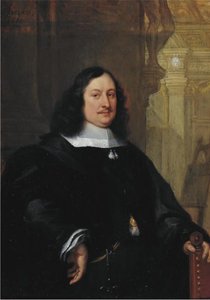
David Teniers Mlajši
1610 - 1690 , Belgija
Ključne informacije
- Date Of Birth: 1610
- Date Of Death: 1690
- Place Of Birth: Antverp, Belgija
- Place Of Death: Bruselj, Belgija
- Birth Date: 1610
- Birth Place: Antverp, Belgija
- Death Date: 1690
- Influenced By: Adriaen Brouwer, Adam Elsheimer, Peter Paul Rubens
- Movement: Barok
- Name: David Teniers Mlajši
- Nationality: Flavski
- Notable Works:
- Dva pijana
- Vaška scena
- Kuhinjska scena
- Flandrijska kermess