
 Predogled v realnem okolju
 Pošlji
 Deli
Deli
 Podrobnosti o delu
 Priročnik

 Prenesi sliko
 Podobni izdelki
 Rentgenski posnetek
 Predvajaj diaporama
 Q&A
Q&A Statistika
Going to the Hayfield


 Preberi več
Giclée tisk / Umetniški tisk
Giclée ali platnati odtis muzejske kakovosti z hitro proizvodnjo in prilagodljivimi možnostmi končne obdelave. ( Kupite ročno slikano delo Preklop na digitalno sliko)




P118B €10

P118H €10

P118W €10

P438Z €10

P508JH €12

P508YH €12

P805H €10

P805Z €10

P919BZ €10

P919G €10

P919XJ €10

P959ZH €10

P968JZ €12

W106C €8

W218G €10

W218JH €8

W218Y €10

W307PJ €10

W316G €10

W316PJ €8

W316Y €10

W398PJ €8

W4111J €10

W500HY €15

W500JH €15

W692G €12

W849H €8

W940BG €15

W953PJ €8




Izberite eno od naših vnaprej določenih velikosti, ki ustrezajo prvotnim proporcijam umetničkega dela.

Vnesite širino in višino, ki jih potrebujete za svoj okvir ali steno. Tiskanje se lahko le odreže, vendar ga ni mogoče narediti večjega od slike, zato format z drugačno obliko pomeni izgubo dela slike. Pred tiskanjem vam pošljemo digitalni predogled za potrditev. Slika, prikazana na tej strani, ne prikazuje dejanskega izrezka — le predogled to omogoča.
Globalna dostava () v 2 tednih namesto standardnih 4/5 tednov. (31 oktober)

Brezplačna ekspresna dostava po vsem svetu

Visokokakovostno laneno platno

Popolno zavarovanje pošiljke

Garancija povračila carine in uvoznih davkov

Garancija popolnega barvnega ujemanja

100-dnevna politika vračil (le v primeru okvar)

Garancija 100% povračila denarja

Popust pri večjem naročilu
 Možnost stekla je na voljo le za velikosti pod 110 cm

Going to the Hayfield
Giclée tisk / Umetniški tisk
Velikost reprodukcije
-


Skupna cena
€ 71
A Moment of Rural Tranquility: Exploring David Cox’s “Going to the Hayfield”
David Cox's "Going to the Hayfield," painted in 1849, isn’t merely a landscape; it’s a carefully constructed distillation of Romantic sensibility and a profound connection to the English countryside. This evocative piece, now beautifully reproduced, transports us to a specific moment – a quiet afternoon as figures journey towards a hayfield bathed in the diffused light of an overcast sky. Cox, a pivotal figure bridging the gap between earlier landscape traditions and the burgeoning Impressionism of his time, masterfully captures not just the visual elements but also the atmosphere and emotional resonance of rural life.
Cox’s style is distinctly Romantic, prioritizing mood and feeling over precise detail. He eschews sharp outlines and meticulous rendering in favor of loose, expressive brushstrokes that create a sense of movement and texture throughout the canvas. The painting feels less like a photographic representation and more like an emotional response to the scene – a memory imbued with tranquility and a subtle melancholy. The muted color palette—dominated by earthy greens, browns, and grays punctuated by hints of red in the figures’ clothing—further enhances this atmospheric effect, suggesting a timelessness that transcends any specific date or season.
Composition and Perspective: Framing a Pastoral Scene
The composition is deliberately horizontal, emphasizing the vast expanse of the sky which dominates nearly two-thirds of the canvas. This expansive view immediately establishes a sense of scale and invites the viewer to lose themselves in the landscape. A subtle foreground—a simple fence and patches of foliage—serves as a gentle guide, drawing our eye towards the middle ground where the figures are positioned. The low horizon line reinforces this feeling of openness and amplifies the drama of the sky. Cox skillfully employs atmospheric perspective; distant elements recede into a hazy blue distance, creating an illusion of depth and suggesting the immense scale of the countryside.
The placement of the figures – a small group riding horseback and walking alongside a fence – is crucial to the painting’s narrative. They are not imposing subjects but rather integrated seamlessly within the landscape, representing humanity's quiet interaction with nature. Their presence anchors the scene while simultaneously highlighting its inherent beauty and solitude.
Symbolism and Emotional Resonance: A Reflection of Romantic Ideals
“Going to the Hayfield” is rich in symbolic meaning, reflecting the core tenets of the Romantic movement. The overcast sky, often interpreted as a symbol of introspection or contemplation, lends a subtle melancholy to the scene. It’s not a bright, celebratory landscape; rather, it evokes a sense of quiet reflection and connection to something larger than oneself. The hayfield itself represents abundance and sustenance – a vital element of rural life and a reminder of nature's generosity. Cox’s choice of subject matter—a simple, everyday activity—elevates it to an artistic statement about the beauty and value of the natural world.
Technique and Materials: The Art of Layered Impressionism
Cox’s technique is characterized by a layering of colors applied with loose brushstrokes. He builds up the image gradually, creating a sense of depth and texture through subtle variations in tone and hue. The use of oil paint on canvas allows for rich color saturation and blending—essential to achieving the painting's atmospheric effect. The artist’s deliberate avoidance of sharp lines contributes to the overall feeling of softness and fluidity. It is a testament to Cox’s skill that this seemingly simple landscape feels so profoundly alive, capturing not just what he saw but also how he *felt* about it.
Vprašanja in odgovori
Kakšen občutek izraža "Going to the Hayfield" avtorja David Cox?
Zapisani vzdušje dela "Going to the Hayfield" avtorja David Cox je Calm, njegov čustveni ton pa je Tranquil.
Kako se slog dela "Going to the Hayfield" povezuje z dobo njegovega ustvarjalca?
"Going to the Hayfield" pripada slogu Romantic Landscape Painting, njegov ustvarjalec pa je deloval v obdobju 19. stoletje.
Kako lahko ogledam "Going to the Hayfield" avtorja David Cox v obliki diorama?
Diaporama dela "Going to the Hayfield" si lahko ogledate na strani Slidešov za to umetniško delo.
Biografija umetnika
David Cox: Življenje in slikarstvo krajine
David Cox, rojen 29. aprila 1783 v Deritendu, Birminghamu, Združeno kraljestvo, je bil izjemno pomemben angleški slikar krajine, ki je s svojim edinstvenim pristopom utrlo pot impresionizmu. Njegovo življenje in delo sta tesno povezana z naravo, preprostim življenjem podeželja in iskreno željo po ujetju lepote trenutka. Coxov oče je bil kovač in izdelovalec belih kovin, ki je oskrboval birminghamsko orožarsko industrijo, mati pa je izhajala iz kmetijske družine in se ponašala z boljšo izobrazbo ter močnim značajem. Že v zgodnjem otroštvu se je pokazal njegov talent za risanje, zato ga je starša poslala na akademijo Josepha Barberja v Great Charles Streetu, kjer se je spoprijateljil s Charlesom Barberjem in Williamom Radclyffeom. Pri petnajstih letih je bil vajenec pri Albertu Fielderju, birminghamskem slikarju, specializiranem za portretne miniature in dekorativno poslikavo predmetov, kot so škatlice za tobak. Ta zgodnja izobrazba mu je dala trdne temelje v tehnikah risanja in slikanja.Razvoj umetniške poti in ključni trenutki
Leta 1804 se je Cox preselil v London, kjer se je poročil s hčerko svojega najemodajalca Mary Ragg. Pomembno potovanje v Wales leta 1805 skupaj s Charlesom Barberjem je zaznamovalo začetek številnih slikarskih izletov po vsej njegovi karieri. Ta popotovanja so globoko vplivala na njegov umetniški slog in ga usmerila k naravi kot glavni vir navdiha. Redno je razstavljal v Kraljevi akademiji od leta 1805, sprva pa si je služil za preživetje kot učitelj risanja. Polkovnik Hon. H. Windsor je postal eden njegovih prvih učencev že leta 1808. V zgodnjih letih se je Cox osredotočil na podrobne akvarele krajine, ki so pogosto prikazovale podeželske prizore in arhitekturne motive. Njegova dela so bila prepoznavna po natančnosti in detajlih, vendar se je kmalu začel odmikati od čiste topografske reprodukcije k bolj ekspresivnemu pristopu.Umetniški slog in vplivi
Coxov slog se je skozi čas razvijal. Od natančnih topografskih prikazov se je premaknil k bolj ekspresivnemu in atmosferskemu načinu slikanja. Čeprav so specifični vplivi predmet debate, njegovo delo kaže sorodnost z nizozemskimi slikarji krajine iz 17. stoletja ter ostrino opazovanja narave, ki spominja na Constablea. Postal je znan po svobodnem nanosu čopiča, živahnih barvah in sposobnosti ujeti učinke svetlobe in vremena. Njegova poznejša oljna dela so bila še posebej inovativna. Cox ni sledil ustaljenim šolskim smerem; njegov slog je bil edinstven zlitje natančnosti zgodnjega obdobja in svobode kasnejših del. Izkazal se je v ustvarjanju atmosfere, ki je gledalca potopila v naravni svet.Pomembni dosežki in zapuščina
Cox je proti koncu svoje kariere naslikal več kot 300 oljnih slik, ki so danes priznane kot “eden največjih, a najmanj prepoznanih dosežkov angleškega slikarja”. Slikarstvo krajine mu je postalo življenjska strast in posvečenost temu žanru ga je uvrstila med najpomembnejše predstavnike Zlate dobe angleške akvarelne umetnosti. Njegovo delo je močno vplivalo na naslednje generacije slikarjev krajine. Med najbolj znanimi deli so Veter na brežini, Koča v Herefordshireu, Stik reke Severn in Wye z razdalje Chepstow ter Mesečina nad pokrajino. Njegova dela odražajo ne le lepoto narave, temveč tudi njegovo osebno čustveno doživetje sveta okoli njega.Zgodovinski pomen in vpliv na impresionizem
David Cox je priznan kot zgodnji predhodnik impresionizma. Njegov poudarek na ujemanju minljivih atmosferskih učinkov in svoboden nanos čopiča sta napovedala številne tehnike, ki so jih kasneje prevzeli impresionisti. Pomembno je prispeval k vzpostavitvi angleškega slikarstva krajine kot ločenega žanra, se odmikajoč od zgolj topografskih predstavitev k bolj ekspresivnim in čustvenim interpretacijam narave. Njegovo delo še danes buri domišljijo in navdušuje ljubitelje umetnosti po vsem svetu. Njegova dela so občudovana zaradi lepote, občutljivosti in trajnega apela. Cox je s svojim edinstvenim slogom in pristopom pustil neizbrisen pečat na zgodovini slikarstva in navdihuje umetnike še danes.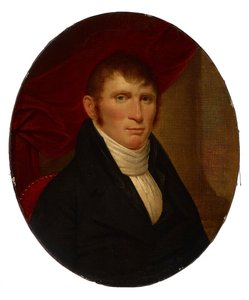
David Cox
1783 - 1859 , Združeno kraljestvo
Hitri podatki
- Datum Rojstva: 29. april 1783
- Datum Smrti: 1859
- Državljanstvo: Britanec
- Kraj Rojstva: Birmingham, Združeno kraljestvo
- Polno Ime: David Cox
- Pomembna Dela:
- Veter na vrhu
- Koča v Herefordshire
- Umetniški Slog: Angleška krajina
- Vpliv Na Umetnost: ['Impresionizem']
- Vplivi Umetnikov: ['Nizozemski slikarji']
Sorodni članki

Romantična pokrajina: 10 mojstrovin, ki so definirale gibanje | Umetnost za vaš dom z OriginalUniqueArt.com
Odkrijte 10 mojstrovin romantizma v slikarstvu! Caspar David Friedrich, Turner in drugi. Preučite zgodbe, tehnike in čustva teh ikoničnih krajinskih slik. Kvalitetne reprodukcije za vaš dom na OriginalUniqueArt.com

John Constable: 25 Mojstrovskih Del Angelskega Krajinarja | OriginalUniqueArt.com
Odkrijte 25 mojstrovskih del Johna Constabla, angleškega slikarja romantizma. Preučite zgodbe za ikoničnimi krajinami, tehniko in lepoto narave. Kvalitetne reprodukcije slik na OriginalUniqueArt.com – idealno za dekoracijo doma!

Watercolor Wonders: 10 Masterpieces That Redefined Art History | OriginalUniqueArt
Journey through 10 legendary watercolor masterpieces by Sargent, Turner & Homer! Explore iconic landscapes, portraits & floral art that redefined history. Find museum-quality reproductions and curated decor ideas at OriginalUniqueArt.com.

David Cox the Elder: Landscape, Light & the Romantic Vision of Rural England
Explore the captivating landscapes of David Cox the Elder, a pivotal figure in British Romanticism. Discover his masterful watercolour techniques, enduring legacy & find timeless art for your home at OriginalUniqueArt.

Ephemeral Visions: Exploring the Artistic Legacy & Contemporary Practice of Watercolor Painting
Explore the captivating world of watercolor painting! Discover its rich history, essential techniques, influential artists & collecting tips. A comprehensive guide for art enthusiasts from OriginalUniqueArt.