

 Preverite v realnem okolju
 Pošlji kot čestitko
 Deli
Deli
 Podrobnosti
 Priročnik

 Prenesi
 Podobni artefakti
 Rentgenski posnetek
 Predvajaj diaporama
 Statistika
Study for Ghetto Theatre I


 Preberi več
Umetniška dela, prikazana na tej strani, so zaščitena z avtorskimi pravicami, kar pomeni, da po zakonu ne moremo ustvarjati ali prodajati identičnih reprodukcij. Ta zaščita se izvaja v skladu z mednarodnimi sporazumi, kot so Bernska konvencija in po nacionalnih zakonih, vključno s tistimi, ki jih določa Zakon o avtorskih pravicah ZDA – naslov 17.
Ta način v celoti upošteva zakonodajo o avtorskih pravicah, saj ne vključuje kopiranja ali podvajanja zaščitena umetniškega dela. Namesto tega gre za kreativno preinterpretacijo – novo sliko, ki je navdihnjen rezultat originala, vendar ni z njim identična.
Giclée tisk / Umetniški tisk
Giclée ali platnati odtis muzejske kakovosti z hitro proizvodnjo in prilagodljivimi možnostmi končne obdelave. ( Naročite ročno slikano reprodukcijo Preklop na digitalno sliko)




P118B €10

P118H €10

P118W €10

P438Z €10

P508JH €12

P508YH €12

P805H €10

P805Z €10

P919BZ €10

P919G €10

P919XJ €10

P959ZH €10

P968JZ €12

W106C €8

W218G €10

W218JH €8

W218Y €10

W307PJ €10

W316G €10

W316PJ €8

W316Y €10

W398PJ €8

W4111J €10

W500HY €15

W500JH €15

W692G €12

W849H €8

W940BG €15

W953PJ €8




Izberite eno od naših vnaprej določenih velikosti, ki ustrezajo prvotnim proporcijam umetničkega dela.

Vnesite širino in višino, ki jih potrebujete za svoj okvir ali steno. Tiskanje se lahko le odreže, vendar ga ni mogoče narediti večjega od slike, zato format z drugačno obliko pomeni izgubo dela slike. Pred tiskanjem vam pošljemo digitalni predogled za potrditev. Slika, prikazana na tej strani, ne prikazuje dejanskega izrezkov — le predogled to omogoča.
Globalna dostava () v 2 tednih namesto standardnih 4/5 tednov. (24 oktober)

Brezplačna ekspresna dostava po vsem svetu

Visokokakovostno laneno platno

Popolno zavarovanje pošiljke

Garancija povračila carine in uvoznih davkov

Garancija popolnega barvnega ujemanja

Politika vračila v 100 dneh (le v primeru okvar)

Garancija 100% povračila denarja

Popust pri večjem naročilu
 Možnost stekla je na voljo le za velikosti pod 110 cm

Study for Ghetto Theatre I
Giclée tisk / Umetniški tisk
Velikost reprodukcije
-


Skupna cena
€ 70
A Fragmented Vision: David Bomberg's "Study for Ghetto Theatre I"
David Bomberg’s “Study for Ghetto Theatre I,” created in 1921, isn't merely a sketch; it is an intensely felt exploration of urban space and the human condition. This work, born from a period of profound personal and artistic transformation for Bomberg, offers a glimpse into his evolving style and his engagement with the social realities of post-war London. The piece exists as a study related to his larger series on the "Ghetto Theatre," specifically referencing the Pavilion Theatre in Whitechapel – a vibrant, albeit often overlooked, hub of working-class entertainment.
The Language of Line and Shadow
What immediately strikes the viewer is the artwork’s stark simplicity. Bomberg eschews color almost entirely, relying instead on a monochromatic palette of greys, blacks, and whites to convey depth and emotion. This deliberate limitation amplifies the power of line – the dominant element in this composition. Bold, thick lines crisscross the canvas, not defining forms with precision but rather suggesting them through overlapping planes and angular shapes. These aren't neat, predictable lines; they are jagged, broken, almost frantic, conveying a sense of urgency and instability. The technique employed suggests rapid execution, likely charcoal or ink on paper, capturing a fleeting impression rather than meticulous detail. This gestural quality imbues the work with an immediacy, as if we’re witnessing the raw process of Bomberg's creative thought unfolding before our eyes. The varying density of these lines creates implied lighting and shadow, adding another layer of complexity to the fragmented space.
Echoes of Modernism and Social Commentary
“Study for Ghetto Theatre I” firmly resides within the currents of early 20th-century modern art. Influenced by Cubism and Futurism – movements that sought to break from traditional representational forms – Bomberg’s work shares their interest in geometric abstraction and dynamic composition. However, he transcends mere stylistic imitation. While echoes of Cézanne's exploration of form and Sickert's focus on urban life are evident, Bomberg infuses his work with a uniquely personal expression. The fragmented nature of the composition, the distorted perspective, and the overall sense of unease speak to a deeper social commentary. The "Ghetto Theatre" itself was a symbol of working-class culture, a place of escape and entertainment amidst poverty and hardship. Bomberg’s study doesn't depict a picturesque scene; it captures the raw energy, the confined space, and perhaps even the underlying tension inherent in such an environment.
A Legacy of Expression
Bomberg’s artistic journey was marked by periods of both recognition and obscurity. After experiencing the trauma of World War I, he moved away from abstraction towards a more figurative style, but this early work demonstrates his remarkable ability to convey complex emotions through seemingly simple means. “Study for Ghetto Theatre I” stands as a testament to Bomberg’s pioneering spirit – a bold exploration of form and expression that anticipates later developments in British art. The piece invites viewers not just to observe a scene, but to feel the weight of its atmosphere, to sense the pulse of urban life, and to contemplate the complexities of human experience within a rapidly changing world. It is a powerful reminder of Bomberg’s enduring legacy as one of Britain's most innovative and influential artists.
Vprašanja in odgovori
Koliko je bil David Bomberg star ob ustvarjanju dela "Study for Ghetto Theatre I" leta 1921?
David Bomberg je bil/a star/a 31 let, ko je ustvaril/a "Study for Ghetto Theatre I" leta 1921. Starost je izračunana na podlagi leta rojstva umetnika, 1890.
Ali je "Study for Ghetto Theatre I" avtorja David Bomberg portretna, krajinska ali kvadratna kompozicija?
Format dela "Study for Ghetto Theatre I" je Portrait. To je koristno pri načrtovanju postavitve reprodukcije.
Hvilušna barvna tonina, kateri se nagiba "Study for Ghetto Theatre I"?
Prevladujoča barva dela "Study for Ghetto Theatre I" avtorja David Bomberg je Green to Violet Spectrum. Ta barva predstavlja osnovni ton palete.
Biografija umetnika
Zgodnje življenje in umetniška izobraževanja
- Rodjen: Birmingham, Združeno kraljestvo (5. december 1890)
- Umrl: London, Združeno kraljestvo (19. avgust 1957)
- Eden iz »otrokov Whitechapela« – skupina umetnikov z East Enda, ki so izstopili v začetku 20. stoletja.
Kot sin poljsko-židovskih imigrantov, Abrahama in Rebece Bomberg, je David najprej študiral na Tehnični umetniški šoli City and Guilds, preden se je v Birminghamu usposabil za delo litografa.
Pod mentorstvom Walterja Sickerta na Westminster School of Art (1908–1910) je razvil občutljivost za obliko in urban lif, pri čemer ga je močno navezala tudi izpostavljenost delom Paula Cézanneja na letni 1910 전시bi Rogerja Fryja »Manet in postimpresionisti«. Ob obisku Slade School of Art leta 1911 je s svojo risbo soštudenta Isaaca Rosenberga osvojil nagrado Tonks.
Avantgardne leta: Kubizem, futurizem in kontroverze
- Na šoli Slade je Bomberg bil del izjemne generacije, ki so jo tvorili Mark Gertler, Stanley Spencer, C.R.W. Nevinson in Dora Carrington.
- Njegov razvoj je oblikovala londonska razstava italijanskih futuristov leta 1912 ter Fryjeva druga postimpresionistična razstava (Picasso, Matisse, fauvisti, Wyndham Lewis).
- Razvil je prepoznaven slog, ki združuje kubizem in futurizem – značilne so njegove geometrične kompozicije, omejena barvna paleta, kotne figure in mrežaste strukture.
- Njegov radikalni pristop je leta 1913 privabil izključitev s šole Slade, saj je bil njegov slog velчан za konvencionalne metode institucije.
- Kratko je bil povezan z delavnicami Omega skupine Bloomsbury in je izlagal v okviru Camden Town Group. Čeprav je pokazoval naklonjenost vorticističnemu gibanju Wyndhama Lewisa, je ostal neodvisen in se je izogibal popolni pripadnosti temu gibanju.
Od vojne do pejzaža: Preoblikovanje sloga
Izkušnje v uniformi vojaka med prvo svetovno vojno so globoko vplile na njegovo umetniško vizijo in ga vodile v odklon od abstrakcije.
V dvinskih letih je Bomberg sprejel bolj figurativni slog, s poudarkom na portretih in pejzažih, izvlečenih neposredno iz narave. Razvil je vse bolj ekspresionistično tehniko, ki jo odlikuje teksturna impasto in čustvena intenzivnost.
Obiski Bliskovih vzhodov (predvsem Palestine) in Evrope so bistveno vplivali na njegovo poznejše delo, pri čemer so njegove interpretacije Jeruzalemija še posebej izstopajoče.
Pozna leta in dediščina
- Od leta 1945 do 1953 je poučeval na Borough Polytechnic (danes London South Bank University), kjer je vplival na generacijo umetnikov, vključno s Frankom Auerbachom, Leonom Kosoffom, Philipom Holmesom in mnogimi drugimi.
- Poročil se je s slikarko pejzažev Lilian Holt.
- Kljub obdobjem relativnega pozabljanja čez svoj življenj, je Bombergovo delo v zadnjih desetletjih pridobilo vse večje priznanje kot pomembna prispevek britanski moderni umetnosti.
- V čast njemu je na London South Bank University poimenovana David Bomberg House.
- Njegova dediščina počiva v edinstveni sintezi evropskih avantgardnih gibanj in kasnejši razvoj močnega, ekspresivnega pejzažnega sloga, ki je zajel bistvo prostora in človeške izkušnje.

David Bomberg
1890 - 1957 , Združeno kraljestvo
Ključne informacije
- Datum Rojstva: 5. december 1890
- Datum Smrti: 19. avgust 1957
- Kraj Rojstva: Birmingham, Združena kraljevina
- Narodnost: Britanec
- Polno Ime: David Garshen Bomberg
- Umetniki Ali Gibanja, Ki So Bili Pod Vplivom Tega Umetnika:
- Frank Auerbach
- Leon Kossoff
- Umetniki, Ki So Vplivali Na Tega Umetnika:
- Paul Cézanne
- Walter Sickert
- Wyndham Lewis
- Umetniška Smer Ali Slog:
- Kubizem
- Futurizem
- Ekspresionizem
- Znaka Umetniška Dela:
- Samoportret (193ret)
- Kitty, umetnikova sestra (1929)
- Študija za sliko
- Jeruzalem
Sorodni članki
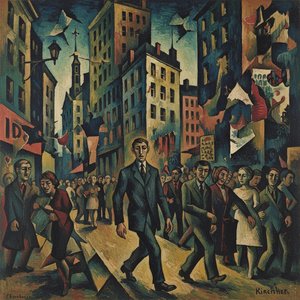
Ernst Ludwig Kirchner: Expressionism's Urban Anxiety & the Fragmentation of Modern Identity
Explore the powerful world of Ernst Ludwig Kirchner and German Expressionism. Discover his iconic paintings, Die Brücke group, and the movement's exploration of urban anxiety & modern identity. Expert analysis for collectors & enthusiasts.
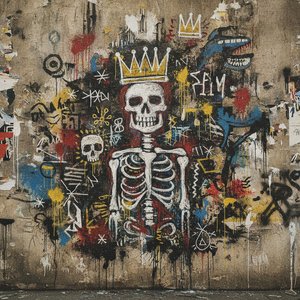
Basquiat and Raw Pop: The High-Energy Rebellion of Neo-Expressionism and the Legacy of Urban Street Art
Explore the raw energy of Jean-Michel Basquiat and the Neo-Expressionist movement. Discover how urban rebellion and SAMO© transformed 1980s New York art history through deep academic insight and visual analysis.
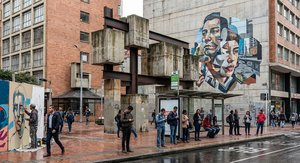
Concrete Narratives: Exploring Urban Life in Modern & Contemporary Art
Explore the evolution of cityscape painting with OriginalUniqueArt. Discover key artists from Realism to contemporary movements & invest in timeless urban visions. Expert guidance, museum-quality reproductions.
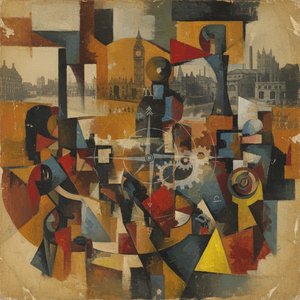
David Bomberg: Reassessing the Pioneering Spirit of Early British Abstraction
Explore the groundbreaking work of David Bomberg, a pivotal figure in British abstraction. Discover his artistic evolution, influences, and lasting legacy through insightful analysis & expert commentary.
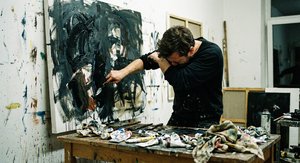
The Raw Emotion of Expressionism: A Deep Dive into its History, Characteristics & Enduring Influence
Explore the raw emotion of Expressionism with OriginalUniqueArt. Discover its history, key artists like Kirchner & Munch, and lasting influence on modern art. Expert insights for collectors & enthusiasts.

