

 Preverite v realnem okolju
 Pošlji kot čestitko
 Deli
Deli
 Podrobnosti
 Priročnik

 Prenesi
 Podobni artefakti
 Rentgenski posnetek
 Predvajaj diaporama
 Statistika
Ju Jitsu
 Oil On Board
- Cubism
 1913
1913- Late Medieval
 62.0 x 62.0 cm
 Tate Liverpool
 Preberi več
Umetniška dela, prikazana na tej strani, so zaščitena z avtorskimi pravicami, kar pomeni, da po zakonu ne moremo ustvarjati ali prodajati identičnih reprodukcij. Ta zaščita se izvaja v skladu z mednarodnimi sporazumi, kot so Bernska konvencija in po nacionalnih zakonih, vključno s tistimi, ki jih določa Zakon o avtorskih pravicah ZDA – naslov 17.
Ta način v celoti upošteva zakonodajo o avtorskih pravicah, saj ne vključuje kopiranja ali podvajanja zaščitena umetniškega dela. Namesto tega gre za kreativno preinterpretacijo – novo sliko, ki je navdihnjen rezultat originala, vendar ni z njim identična.
Giclée tisk / Umetniški tisk
Giclée ali platnati odtis muzejske kakovosti z hitro proizvodnjo in prilagodljivimi možnostmi končne obdelave. ( Naročite ročno slikano reprodukcijo Preklop na digitalno sliko)




P118B €10

P118H €10

P118W €10

P438Z €10

P508JH €12

P508YH €12

P805H €10

P805Z €10

P919BZ €10

P919G €10

P919XJ €10

P959ZH €10

P968JZ €12

W106C €8

W218G €10

W218JH €8

W218Y €10

W307PJ €10

W316G €10

W316PJ €8

W316Y €10

W398PJ €8

W4111J €10

W500HY €15

W500JH €15

W692G €12

W849H €8

W940BG €15

W953PJ €8




Izberite eno od naših vnaprej določenih velikosti, ki ustrezajo prvotnim proporcijam umetničkega dela.

Vnesite širino in višino, ki jih potrebujete za svoj okvir ali steno. Tiskanje se lahko le odreže, vendar ga ni mogoče narediti večjega od slike, zato format z drugačno obliko pomeni izgubo dela slike. Pred tiskanjem vam pošljemo digitalni predogled za potrditev. Slika, prikazana na tej strani, ne prikazuje dejanskega izrezkov — le predogled to omogoča.
Globalna dostava () v 2 tednih namesto standardnih 4/5 tednov. (25 oktober)

Brezplačna ekspresna dostava po vsem svetu

Visokokakovostno laneno platno

Popolno zavarovanje pošiljke

Garancija povračila carine in uvoznih davkov

Garancija popolnega barvnega ujemanja

Politika vračila v 100 dneh (le v primeru okvar)

Garancija 100% povračila denarja

Popust pri večjem naročilu
 Možnost stekla je na voljo le za velikosti pod 110 cm

Ju Jitsu
Giclée tisk / Umetniški tisk
Velikost reprodukcije
-


Skupna cena
€ 70
David Bomberg’s ‘Ju Jitsu’: A Fragmented Dance of Energy
David Bomberg's 1913 painting, “Ju Jitsu,” is not merely a depiction of a martial art; it’s a dynamic exploration of form, movement, and the very essence of human interaction. Captured on a relatively small board – measuring just 62 x 62 cm – the work explodes with an arresting energy that belies its modest scale. Bomberg, a key figure within the ‘Whitechapel Boys,’ a group of East End artists pushing against established artistic conventions, presents us with a collage-like composition featuring four figures engaged in what appears to be a grappling match. However, this isn’t a straightforward representation; instead, Bomberg employs a fractured, almost Cubist approach, layering torso and arm fragments against each other, creating an illusion of simultaneous action and spatial ambiguity.
The muted color palette – dominated by ochres, browns, and greys – contributes significantly to the painting’s subdued yet powerful atmosphere. This deliberate restraint allows the geometric forms and the implied movement to take center stage. The checkered backdrop, a subtle but effective element, adds depth and reinforces the sense of fragmented space, mirroring the disjointed nature of the figures themselves. Bomberg's use of line is particularly striking; bold, angular strokes define the contours of the bodies, conveying both strength and vulnerability. The painting’s roots lie in the burgeoning avant-garde movements of the early 20th century – Cubism, Futurism, and Constructivism – all of which sought to break down traditional representation and explore new ways of perceiving and depicting reality.
Influences and Artistic Context
Bomberg’s artistic journey was shaped by a diverse range of influences. His early training at the City and Guilds Technical Art School provided a foundational understanding of technique, while his time under Walter Sickert at Westminster School of Art instilled in him an appreciation for form and urban life – elements that would later inform his own distinctive style. Crucially, Bomberg’s exposure to Paul Cézanne through the 1910 Roger Fry exhibition “Manet and the Post-Impressionists” proved transformative, introducing him to Cézanne's emphasis on geometric simplification and the exploration of underlying structure. This influence is evident in Bomberg’s own use of fragmented forms and his focus on capturing essential shapes rather than detailed representations.
Furthermore, Bomberg was deeply engaged with the radical artistic currents circulating at the Slade School of Art during this period. Alongside contemporaries like Mark Gertler and Stanley Spencer, he experimented with abstract geometric compositions, drawing inspiration from the Futurists’ celebration of dynamism and movement. The painting “Ju Jitsu” stands as a testament to this experimental spirit, embodying Bomberg's willingness to challenge conventional artistic norms and explore new visual languages.
Decoding the Symbolism
While ostensibly depicting a scene of physical combat, "Ju Jitsu" transcends a simple representation of martial arts. The fragmented figures can be interpreted as symbols of human interaction – the struggle for dominance, the interplay of power and vulnerability, and the inherent tension between individuals. The act of grappling itself represents a negotiation, a yielding and resisting, mirroring the broader themes of conflict and resolution that permeate human experience. Considering Bomberg’s background as a Jewish immigrant in London's East End, one might also read the painting as an exploration of identity and resilience within a rapidly changing urban landscape.
The painting’s abstraction further enhances its symbolic resonance. By stripping away extraneous details and focusing on essential forms, Bomberg invites viewers to engage with the underlying dynamics of the scene – to contemplate the forces at play and to project their own interpretations onto the composition. The lack of a clear narrative or resolution encourages active participation from the viewer, transforming the painting into a dynamic meditation on human interaction.
A Legacy of Innovation
“Ju Jitsu” is more than just a striking visual work; it’s a pivotal example of David Bomberg's artistic evolution. It represents a crucial stage in his development as an abstract painter, bridging the gap between his early training and his later explorations of landscape and portraiture. The painting’s bold geometric forms, dynamic composition, and muted color palette established Bomberg as a leading figure within the British avant-garde, paving the way for future generations of artists to push the boundaries of artistic expression. Reproductions of this captivating work offer a unique opportunity to experience the energy and innovation of one of Britain's most important 20th-century painters.
Vprašanja in odgovori
Kje se priporoča izpostavljanje v formatu Square za delo "Ju Jitsu"?
Z obliko Square se reprodukcija dela "Ju Jitsu" priporoča za Living Room.
Kakšen občutek vzbudi "Ju Jitsu" avtorja David Bomberg?
V "Ju Jitsu" spremlja Dramatic vzdušje in Mysterious čustvo.
Katera barva prevladuje v kompoziciji dela "Ju Jitsu" avtorja David Bomberg?
Prevladujoča barva dela "Ju Jitsu" avtorja David Bomberg je Phthalo Green (#262f40).
Biografija umetnika
Zgodnje življenje in umetniška izobraževanja
- Rodjen: Birmingham, Združeno kraljestvo (5. december 1890)
- Umrl: London, Združeno kraljestvo (19. avgust 1957)
- Eden iz »otrokov Whitechapela« – skupina umetnikov z East Enda, ki so izstopili v začetku 20. stoletja.
Kot sin poljsko-židovskih imigrantov, Abrahama in Rebece Bomberg, je David najprej študiral na Tehnični umetniški šoli City and Guilds, preden se je v Birminghamu usposabil za delo litografa.
Pod mentorstvom Walterja Sickerta na Westminster School of Art (1908–1910) je razvil občutljivost za obliko in urban lif, pri čemer ga je močno navezala tudi izpostavljenost delom Paula Cézanneja na letni 1910 전시bi Rogerja Fryja »Manet in postimpresionisti«. Ob obisku Slade School of Art leta 1911 je s svojo risbo soštudenta Isaaca Rosenberga osvojil nagrado Tonks.
Avantgardne leta: Kubizem, futurizem in kontroverze
- Na šoli Slade je Bomberg bil del izjemne generacije, ki so jo tvorili Mark Gertler, Stanley Spencer, C.R.W. Nevinson in Dora Carrington.
- Njegov razvoj je oblikovala londonska razstava italijanskih futuristov leta 1912 ter Fryjeva druga postimpresionistična razstava (Picasso, Matisse, fauvisti, Wyndham Lewis).
- Razvil je prepoznaven slog, ki združuje kubizem in futurizem – značilne so njegove geometrične kompozicije, omejena barvna paleta, kotne figure in mrežaste strukture.
- Njegov radikalni pristop je leta 1913 privabil izključitev s šole Slade, saj je bil njegov slog velчан za konvencionalne metode institucije.
- Kratko je bil povezan z delavnicami Omega skupine Bloomsbury in je izlagal v okviru Camden Town Group. Čeprav je pokazoval naklonjenost vorticističnemu gibanju Wyndhama Lewisa, je ostal neodvisen in se je izogibal popolni pripadnosti temu gibanju.
Od vojne do pejzaža: Preoblikovanje sloga
Izkušnje v uniformi vojaka med prvo svetovno vojno so globoko vplile na njegovo umetniško vizijo in ga vodile v odklon od abstrakcije.
V dvinskih letih je Bomberg sprejel bolj figurativni slog, s poudarkom na portretih in pejzažih, izvlečenih neposredno iz narave. Razvil je vse bolj ekspresionistično tehniko, ki jo odlikuje teksturna impasto in čustvena intenzivnost.
Obiski Bliskovih vzhodov (predvsem Palestine) in Evrope so bistveno vplivali na njegovo poznejše delo, pri čemer so njegove interpretacije Jeruzalemija še posebej izstopajoče.
Pozna leta in dediščina
- Od leta 1945 do 1953 je poučeval na Borough Polytechnic (danes London South Bank University), kjer je vplival na generacijo umetnikov, vključno s Frankom Auerbachom, Leonom Kosoffom, Philipom Holmesom in mnogimi drugimi.
- Poročil se je s slikarko pejzažev Lilian Holt.
- Kljub obdobjem relativnega pozabljanja čez svoj življenj, je Bombergovo delo v zadnjih desetletjih pridobilo vse večje priznanje kot pomembna prispevek britanski moderni umetnosti.
- V čast njemu je na London South Bank University poimenovana David Bomberg House.
- Njegova dediščina počiva v edinstveni sintezi evropskih avantgardnih gibanj in kasnejši razvoj močnega, ekspresivnega pejzažnega sloga, ki je zajel bistvo prostora in človeške izkušnje.

David Bomberg
1890 - 1957 , Združeno kraljestvo
Ključne informacije
- Datum Rojstva: 5. december 1890
- Datum Smrti: 19. avgust 1957
- Kraj Rojstva: Birmingham, Združena kraljevina
- Narodnost: Britanec
- Polno Ime: David Garshen Bomberg
- Umetniki Ali Gibanja, Ki So Bili Pod Vplivom Tega Umetnika:
- Frank Auerbach
- Leon Kossoff
- Umetniki, Ki So Vplivali Na Tega Umetnika:
- Paul Cézanne
- Walter Sickert
- Wyndham Lewis
- Umetniška Smer Ali Slog:
- Kubizem
- Futurizem
- Ekspresionizem
- Znaka Umetniška Dela:
- Samoportret (193ret)
- Kitty, umetnikova sestra (1929)
- Študija za sliko
- Jeruzalem
Sorodni članki
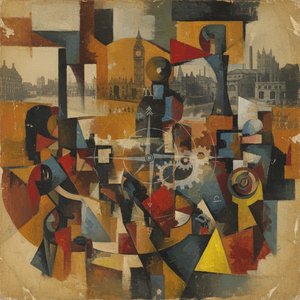
David Bomberg: Reassessing the Pioneering Spirit of Early British Abstraction
Explore the groundbreaking work of David Bomberg, a pivotal figure in British abstraction. Discover his artistic evolution, influences, and lasting legacy through insightful analysis & expert commentary.
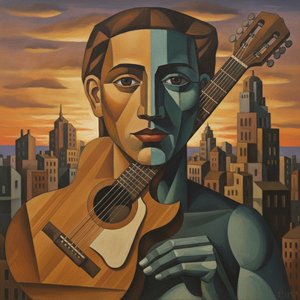
Cubism Unveiled: How Picasso and Braque Redefined Reality Through Geometric Abstraction
Explore the revolutionary world of Cubism. Discover how masters Pablo Picasso and Georges Braque dismantled reality through geometric abstraction to redefine modern art history.

Deconstructing Reality: Cubism's Evolution, Impact & Enduring Legacy
Explore the revolutionary world of Cubism with expert insights from OriginalUniqueArt. Discover Picasso & Braque's groundbreaking techniques, its philosophical roots, and lasting impact on modern art. Expert appraisal & custom reproductions available.
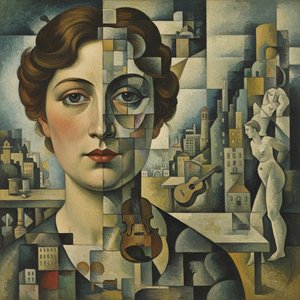
Deconstructing Reality: Cubism's Revolutionary Impact on 20th-Century Art
Explore the revolutionary world of Cubism with OriginalUniqueArt. Discover Picasso & Braque's groundbreaking techniques, its philosophical roots, and lasting impact on modern art. Expert insights for collectors.
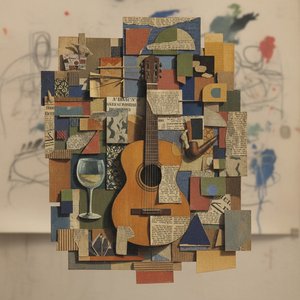
Deconstructing Reality: A Comprehensive Exploration of Synthetic Cubism's Evolution & Impact
Explore the revolutionary world of Synthetic Cubism! Discover its origins, key artists like Picasso & Braque, techniques, and lasting impact on modern art. A comprehensive guide for enthusiasts.

