 Predogled v realnem okolju
 Pošlji
 Deli
Deli
 Podrobnosti o delu
 Priročnik

 Prenesi sliko
 Podobni izdelki
 Rentgenski posnetek
 Predvajaj diaporama
 Q&A
Q&A Statistika
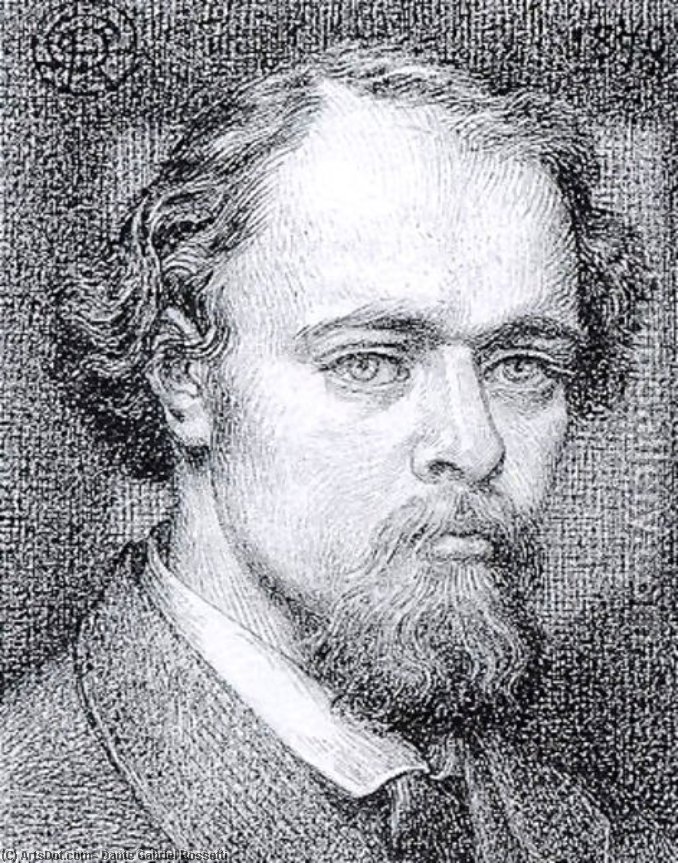
Self portrait


 Preberi več
Pridobite datoteko, pripravljeno za tiskanje, ki presega kakovost spletnega predogleda. Vsaka digitalna slika v naši ponudbi izvira iz visoko ločljive izvirne datoteke v naši bazi — običajno široke od 5.000 do 15.000 pikselov — zato lahko z zaupanjem tiskate v večji format, tesno izrezujete ali reproducirate fine podrobnosti.
Nobena datoteka ne zapusti našega studia nedotiknjena. Digitalni strokovnjak preveri barve v primerjavi z izvirno sliko in jih po potrebi popravi, nato pa s profesionalnimi orodji za retuširanje izboljša jasnost in podrobnosti — pri čemer vedno ostaja zvest umetnikovim potezam in slogu. Rezultat je slika, ki izgleda kot samo slikarstvo, ne pa kot le filtriran sken.
Potrditev pred dokončanjem dela: naš strokovnjak vam v roku 72 ur pošlje sliko po e-pošti na pregled. Niste zadovoljni? Zahtevajte izboljšave ali popravke ali prosite za povračilo denarja, če kakovost ni v skladu z pričakovanimi standardi.
To je kakovost, po kateri temeljijo založniki, oblikovalni studii, galerije in tiskarne.
Digitalna slika
Prenesite datoteko visoke ločljivosti za osebno uporabo, tiskanje in kreativne projekte. ( Preklop na tiskanine Kupite ročno slikano delo)
Vključeno v vsako naročilo digitalne slike
Zagotovljena strokovna digitalna dostava
Z izbiro OriginalUniqueArt.com ne prejmete le slike – prejmete profesionalno urejeno digitalno umetniško delo, izdelano z največjo natančnostjo in zavestno podprto z garancijo za zadovoljstvo. Tukaj je vse, kar bo z vašim naročilom samodejno priloženo:

Hitra dostava prek e-pošte
Vaša digitalna slika visoke ločljivosti bo na vaš e-naslov poslana v roku 72 ur od zaklopa naročila – pripravljena za takojšnjo uporabo.

Digitalna datoteka z uporabo AI
Vaše umetniško delo je strokovno optimizirano z uporabo naprednih orodij umetne inteligence in ročne obdelave, kar zagotavlja največjo stopnjo podrobnosti, jasnosti in barvne natančnosti.

Brezplačna doletna ponovna dostava
Ste datoteko zaradi nespremietne napake izgubili ali izbrisali? Ni težav – vam jo bomo ponovno poslali kadar koli in brezplačno.

Brez uvoznih pristojbin – vedno
Svoje umetniško del uživajte takoj, brez carin, davkov ali stroškov dostave – digitalni prenosi so vedno brezdavčni.

Zagotovilo natančnosti barv
Z uporabo profesionalnih orodij in procesov upravljanja barv zagotavljamo, da vaša digitalna slika čim bolj natančno odraža prvotne barve.

100-dnevna garancija zadovoljstva
Če niste zadovoljni s svojo digitalno sliko, jo bomo uredili ali vam v 100 dneh povrnili 100% denarja – brez kakršnih koli vprašanj.

100% Garancija povračila denarja
Niste zadovoljni? Zagotavljamo vam popoln povračilo sredstev v 100 dneh po prejemu digitalne datoteke – brez dodatnih vprašanj.

Popusti pri večjih naročilih
Kupite 3 slike, prihranite 10% - Kupite 5 slik, prihranite 15% - Kupite 10+ slik, prihranite 20%. Odlično za kreativne projekte, galerije in agencije.
A Portrait of the Soul: Unveiling Dante Gabriel Rossetti's 1870 Self-Portrait
Dante Gabriel Rossetti’s self-portrait, created in 1870, isn’t merely a likeness; it’s a carefully constructed meditation on identity, artistic aspiration, and the quiet contemplation of a complex mind. Rendered with an almost obsessive attention to detail, this monochrome study transcends the limitations of its medium – graphite or charcoal upon paper – to evoke a profound sense of introspection and a subtle undercurrent of melancholy. The image immediately draws the viewer in, not with vibrant color but with the palpable texture of hatching and cross-hatching, techniques Rossetti masterfully employed to build up tonal variations and mimic the very surfaces he depicted: skin, hair, fabric – all rendered with an almost tactile quality.
The composition itself is deceptively simple. A close-up bust shot focuses intently on Rossetti’s face, his gaze directed just off-center, lending a sense of private thought and perhaps even a touch of vulnerability. The slight angle of the head introduces a dynamic element to what could have been a static portrait, suggesting movement and an engagement with the viewer beyond mere representation. The stark white background serves not as a distraction but as a deliberate contrast, amplifying the richness of the tonal range achieved through Rossetti’s meticulous layering of lines.
The Language of Line: Technique and Style
Rossetti's technique is undeniably Pre-Raphaelite – a movement he himself spearheaded. The reliance on hatching and cross-hatching isn’t simply a method for creating shading; it’s the very language of the portrait, defining form with an almost sculptural precision. The circular forms dominating his face—the curve of his brow, the suggestion of his lips—are balanced by more angular shapes in his clothing, creating a harmonious tension within the composition. The density of the lines creates a remarkable sense of texture, mimicking the unruly strands of his beard and the delicate folds of his garments. It’s as if Rossetti is inviting us to reach out and feel the surface of the portrait itself.
The monochromatic palette – shades of gray and black on white – contributes significantly to the mood. It's a deliberate choice, stripping away any potential distraction from the intricacies of his rendering. The diffused lighting, with its subtle gradations rather than harsh contrasts, further enhances this sense of quiet contemplation. This isn’t a portrait designed to dazzle; it’s one intended for quiet study and reflection.
Symbolism and Emotional Resonance
The closed eyes are perhaps the most arresting feature of the self-portrait. They suggest not just relaxation, but also introspection – a willingness to delve into the depths of his own thoughts and emotions. Rossetti was a poet deeply attuned to the complexities of human experience, and this portrait seems to capture that sensitivity. The meticulous detail with which he renders his features conveys a profound respect for his craft and an attempt to distill his very essence onto paper. It’s as if he is offering us a glimpse into the soul of a brilliant artist grappling with the challenges and rewards of creative expression.
A Legacy in Reproduction: Bringing Rossetti's Vision Home
OriginalUniqueArt offers exquisite, hand-painted reproductions of Dante Gabriel Rossetti’s “Self-Portrait,” allowing you to experience the depth and nuance of this iconic work in your own space. Each reproduction is created by skilled artists who meticulously recreate Rossetti’s technique, capturing not just his likeness but also the emotional resonance of the original. Whether displayed as a statement piece or incorporated into a carefully curated interior design scheme, this reproduction serves as a beautiful reminder of Rossetti's enduring legacy and the power of art to evoke profound contemplation.
Vprašanja in odgovori
Ali je "Self portrait" tipično za dela, ki jih je Dante Gabriele Rossetti običajno ustvarjal?
Dante Gabriele Rossettiove ponavljajoče se teme vključujejo romanticism, victorian era, dante alighieri, pre-raphaelite, introspection; "Self portrait" se osredotoča na portrait, self-portrait, hatching, cross-hatching, rossetti, black and white, introspection.
Kakšna je tehnika in datum nastanka dela "Self portrait" avtorja Dante Gabriele Rossetti?
"Self portrait" je bila izdelana leta 1870 z uporabo tehnike Acrylic On Canvas.
Katera paleta in katera prevladujoča barva definirata "Self portrait"?
Barvna identiteta dela "Self portrait" avtorja Dante Gabriele Rossetti: paleta Neutrals, ki prevladuje z barvo White (#e5e5eb).
Biografija umetnika
A Life Immersed in Beauty: The World of Dante Gabriel Rossetti
Dante Gabriel Rossetti, born Gabriel Charles Dante Rossetti in 1828 London, was a figure profoundly shaped by the currents of his time—a Romantic spirit blossoming into the Victorian era. His lineage itself hinted at the artistic destiny that awaited him; his father, an Italian political refugee and scholar of Dante Alighieri, instilled within young Gabriel a deep reverence for literature and the arts. This early exposure, coupled with a mother who nurtured his intellectual curiosity, laid the foundation for a life dedicated to creative expression. Though initially considering a clerical career, Rossetti’s true calling lay in the realm of aesthetics—a path he would forge as a poet, illustrator, and, most notably, a painter whose works continue to captivate audiences today. His formative years were steeped in the literary giants of his age – Shakespeare, Dickens, Scott, Byron – all contributing to a rich imaginative landscape that would later define his artistic vision.The Pre-Raphaelite Rebellion and Artistic Awakening
Rossetti’s name is inextricably linked with the Pre-Raphaelite Brotherhood, a revolutionary movement he co-founded in 1848 alongside William Holman Hunt and John Everett Millais. This wasn't merely an artistic shift; it was a rebellion against the perceived artificiality of academic painting prevalent at the time. The Brotherhood sought to return to the detailed realism, vibrant colors, and spiritual intensity found in Italian and Flemish art *before* the High Renaissance – hence “Pre-Raphaelite.” This meant rejecting the idealized forms and conventional compositions favored by the Royal Academy, instead embracing a meticulous observation of nature and a commitment to truthful representation. Rossetti’s early works, such as *The Girlhood of Mary Virgin*, exemplify this dedication, showcasing an almost photographic level of detail alongside symbolic imagery drawn from religious texts. The Brotherhood’s manifesto wasn’t just about *how* to paint, but *what* to paint – focusing on themes of morality, spirituality, and beauty with an intensity that challenged Victorian sensibilities. He championed the Pre-Raphaelite ideal—a rejection of academic conventions in favor of a return to artistic inspiration from earlier masters—and his unwavering commitment to this vision solidified his place as one of the most influential figures in British art history. Rossetti’s meticulous attention to detail, combined with his profound understanding of symbolism and mythology, distinguished him from his contemporaries and established him as a pioneer of Aestheticism.Evolving Styles: Symbolism, Sensuality, and the Female Muse
As Rossetti's career progressed, his artistic style underwent a fascinating evolution. While initially adhering to the strict tenets of Pre-Raphaelite realism, he gradually moved towards more symbolic and dreamlike imagery. His paintings became increasingly infused with sensuality, exploring themes of love, loss, and spiritual longing with an emotional depth that resonated deeply with audiences. This shift was partly influenced by his personal life, particularly his complex relationships with the women who served as his models and muses – Elizabeth Siddal, Fanny Cornforth, and Jane Morris. These women weren’t merely passive subjects; they embodied a particular aesthetic ideal for Rossetti—often depicted with flowing red hair, melancholic expressions, and an air of enigmatic beauty. Paintings like *Proserpine* are prime examples of this later style, showcasing his mastery of symbolism and his ability to evoke a sense of otherworldly allure. The rich colors, dramatic lighting, and evocative poses all contribute to the painting’s haunting atmosphere. He also began to seamlessly blend poetry and visual art, often writing sonnets to accompany his paintings, creating a unified artistic experience that engaged both the eye and the mind. *Behold the handmaid of the Lord! (The Annunciation)* is a testament to this integrated approach. Rossetti's exploration of psychological depth—a characteristic that distinguishes him from many of his peers—reflected the broader intellectual currents of Victorian England, where thinkers wrestled with questions of morality, spirituality, and the role of art in shaping human consciousness.Major Achievements and Legacy
Rossetti achieved considerable acclaim during his lifetime as a poet and painter, establishing himself as one of the foremost artists of his era. His poems—particularly *The House of Life*, which delves into themes of mortality, memory, and artistic creation—are considered masterpieces of Victorian lyricism. He captivated audiences with his evocative imagery and profound emotional resonance, cementing his reputation as a visionary artist who challenged conventional norms. Beyond his literary accomplishments, Rossetti’s paintings—including *Ophelia*, *Ecstasy*, and *Sleeping Beauty*—remain iconic representations of Pre-Raphaelite art and continue to inspire artists today. His meticulous technique—characterized by painstaking detail and vibrant color palettes—demonstrates a mastery of artistic craft that transcends time. Furthermore, Rossetti profoundly influenced subsequent generations of artists and writers, shaping the aesthetic sensibilities of movements such as Aestheticism and Symbolism. He championed beauty in all its forms—from the sublime grandeur of nature to the delicate intricacies of human emotion—leaving behind a legacy that celebrates creativity and spiritual contemplation. Dante Gabriel Rossetti’s enduring influence testifies to his ability to capture the essence of the Victorian spirit—a spirit marked by both intellectual curiosity and artistic fervor.Historical Significance: A Catalyst for Artistic Change
Rossetti's contribution to British art history extends beyond mere stylistic innovation; he served as a catalyst for transformative change within the artistic landscape of his time. His defiance of academic conventions—his insistence on prioritizing emotional expression over formal imitation—challenged the prevailing aesthetic standards and paved the way for new artistic explorations. He helped usher in an era of Symbolist art, where artists sought to convey complex psychological states through evocative imagery and poetic language. Rossetti’s unwavering commitment to his artistic vision—a vision rooted in Pre-Raphaelite ideals—established him as a pivotal figure in shaping British culture and intellectual life. His legacy continues to inspire artists and scholars alike, reminding us of the importance of questioning assumptions and embracing creativity as a means of confronting existential questions. Dante Gabriel Rossetti remains an unforgettable artist whose work embodies the spirit of Romanticism and heralds the dawn of Symbolism—a testament to his enduring influence on the course of art history.
Dante Gabriele Rossetti
1828 - 1882 , Združeno kraljestvo
Ključne informacije
- Artistic Movement Or Style: Pre-rafaelitska umetnost
- Artists Who Influenced This Artist:
- John Keats
- William Blake
- Date Of Birth: 12. maj 1828
- Date Of Death: 9. april 1882
- Full Name: Dante Gabriel Rossetti
- Nationality: Britanski
- Notable Artworks:
- Proserpine
- Joan of Arc
- King Rene's Honeymoon
- Place Of Birth: London, UK