
 Predogled
 Pošlji
 Deli
Deli
 Podrobnosti o delu

 Prenesi
 Podobni izdelki
 Rentgenski posnetek
 Predvajaj diaporama
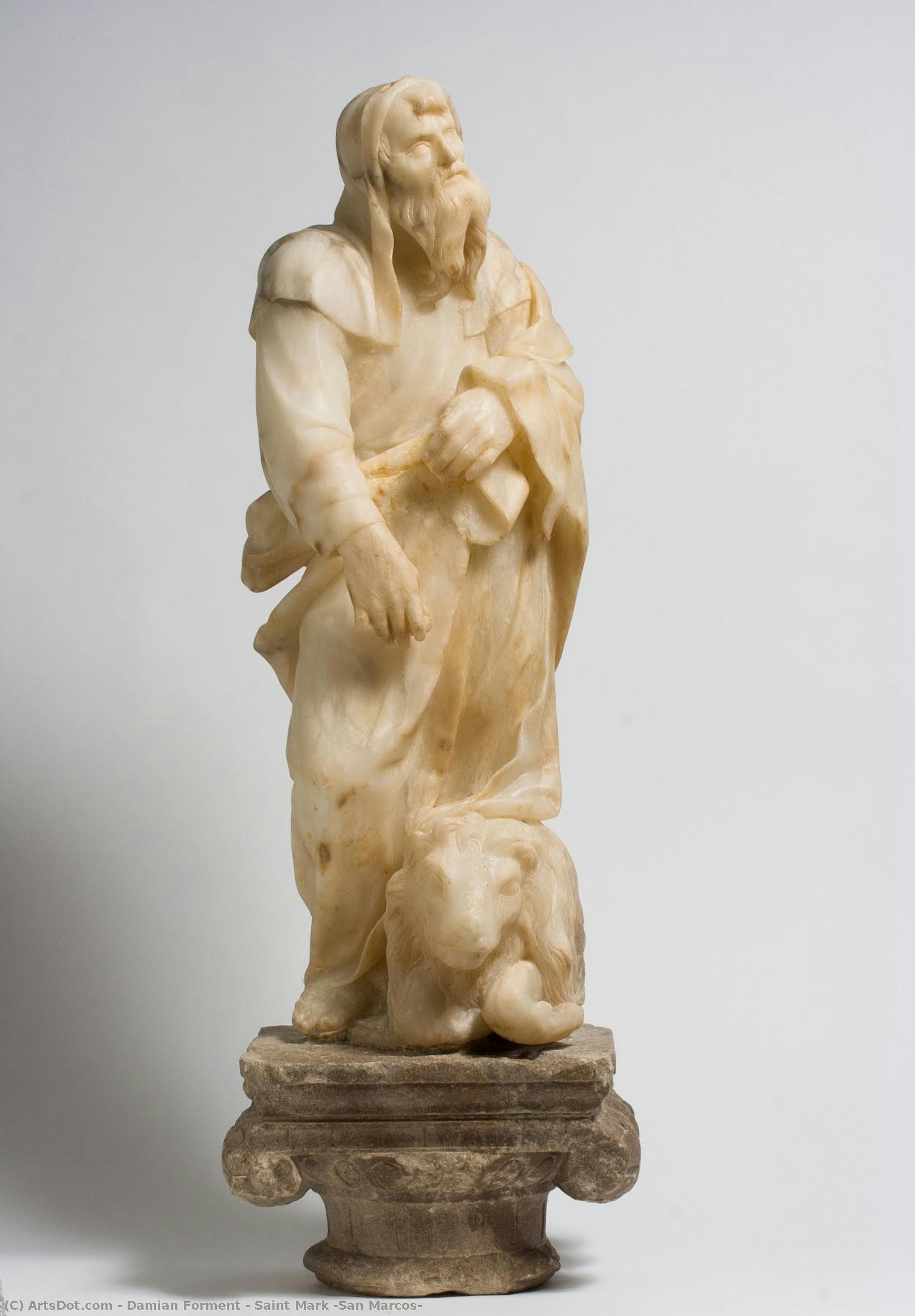
Saint Mark (San Marcos)
 24.0 x 85.0 cm
 Zaragoza Museum
 Razviljaj več
Ročno izdelana oljna reprodukcija
Ročno slikano olje na platnu v vaši izbiri velikosti in okvirja, izdelano po naročilu naših umetnikov. ( Kupi tisk Kupi digitalno sliko)




































Izberite eno od naših vnaprej določenih velikosti, ki ustrezajo prvotnim proporcijam umetničkega dela.

Svoje dimenzije lahko vnesete tako, da se prilagodite določenemu okvirju ali prostoru. Če izbrana velikost ne ustreza razmerjem originalne slike, bomo umetniško delo obrezali ali sliko dopolnili z dodatnimi ročno naslikanimi elementi. Pred začetkom proizvodnje vam bo poslan digitalni osnutek v odobritev.
Upoštevajte, da predogled na zaslonu ne odraža dejanskega obrezovanja ali podaljšanja. Le osnutek bo natančno prikazal končno kompozicijo.
Čeprav so na voljo velikosti po meri, priporočamo izbiro dimenzije s preddefiniranega seznama, da ohranimo originalne razmere.
Po oddaji naročila bo ekipa OriginalUniqueArt.com stranki po e-pošti poslala navodila in predogled digitalnega predogleda.
Svetska dostava () za 3/4 nedelje umesto uobičajenih 5 nedelja. (21 avgust). Bez kompromisa po pitanju kvaliteta.

Brezplačna ekspresna dostava po vsem svetu

Visokokakovostno laneno platno

Popolno zavarovanje pošiljke

Garancija povračila carine in uvoznih davkov

Garancija popolnega ujemanja barv

60-dnevna politika vračanja (le v primeru napak)

Garancija 100% povračila denarja

Popust pri večjem naročilu
 Možnost stekla je na voljo le za velikosti pod 110 cm

Saint Mark (San Marcos)
Tehnika reprodukcije
Velikost reprodukcije
-


Skupna končna cena
$ 300
Biografija umetnika
Damián Forment: Bridging Gothic and Renaissance Splendor
Damián Forment (c. 1480 – 1540) stands as a monumental figure in Spanish art history, recognized unequivocally as the nation’s most prominent sculptor of the sixteenth century. He was not merely an artisan but a transformative force who skillfully blended the grandeur of Gothic tradition with the burgeoning innovations of Renaissance aesthetics—a synthesis that profoundly impacted religious sculpture across Spain and cemented his legacy as one of the era’s foremost masters. Born in Valencia, Forment’s formative years were steeped in the artistic fervor of Italy. His journey through Rome and Florence instilled within him a deep understanding of classical ideals, anatomical precision, and the revolutionary architectural visions that would later redefine the Spanish landscape.
The essence of Forment's genius lay in his ability to navigate the transition between two worlds. While his early training exposed him to the humanist principles championed by masters like Leonardo da Vinci and the structural brilliance of Brunelleschi, he never abandoned the spiritual weight of the Gothic style. This duality is most breathtakingly captured in his monumental alabaster altar for Zaragoza's Basilica of Our Lady of Pilar (1509–12). In this masterpiece, the soaring, intricate grandeur of the Gothic cathedral meets the balanced, harmonious compositional strategies of the Renaissance, creating a sacred space that feels both ancient and profoundly modern.
A Legacy Carved in Alabaster and Wood
Upon returning to his homeland, Forment established himself as a prolific sculptor based primarily in Zaragoza, where he cultivated a workshop that nurtured generations of talent. His studio became an epicenter of creativity, attracting significant patronage from ecclesiastical dignitaries such as Bishop Jaime. Through this workshop, he produced an astonishing array of masterpieces that utilized both wood and the luminous, translucent beauty of alabaster to tell divine stories. His work was characterized by a meticulous attention to detail and an embrace of idealized forms that brought a new level of human emotion to religious iconography.
The breadth of his technical mastery is evident in the diverse range of his commissions:
- The Basilica of Our Lady of Pilar: His earliest major triumph, where he successfully merged Gothic verticality with Renaissance grace.
- Poblet Monastery: A significant milestone representing his first work executed entirely in the pure Renaissance style.
- Zaragoza Altarpieces: His profound contributions to the churches of San Miguel de los Navarros and San Pablo, which showcased an evolving Mannerist influence.
- The Cathedral of Huesca: A testament to his enduring dominance over the regional artistic landscape.
Historical Significance and Artistic Evolution
As Forment’s career progressed, his style moved beyond simple imitation of Italian models toward a more complex, Mannerist sensibility. This evolution allowed him to infuse his sculptures with a sense of movement and psychological depth that resonated with the changing religious climate of the sixteenth century. Even in his final years, as he worked on the Renaissance altar for the Cathedral of Santo Domingo de la Calzada, his commitment to pushing the boundaries of sculptural form remained undiminished.
The historical significance of Damián Forment cannot be overstated. He acted as a cultural conduit, bringing the sophisticated light and logic of the Italian Renaissance to the Iberian Peninsula and adapting it to suit the local devotion and architectural traditions. By doing so, he did more than just decorate churches; he redefined the visual language of Spanish faith. His ability to harmonize the intricate, shadowed complexity of the Gothic era with the clarity and humanism of the Renaissance ensures that his name remains etched in the stone and wood of Spain's most sacred monuments.

Damián Forment
1480 - 1540 , Spain
Hitri podatki
- Artistic Movement Or Style: Renaissance & Mannerism
- Artists Or Movements Influenced By This Artist: ['Gothic Art']
- Artists Who Influenced This Artist: ['Juan de Salas']
- Date Of Birth: Valencia, Spain (1480)
- Date Of Death: Santo Domingo de la Calzada, 1540
- Full Name: Damián Forment
- Nationality: Spanish
- Notable Artworks:
- Saint Luke
- Retable of the High Altar
- Saint Mark
- Place Of Birth: Valencia

