

 Predogled
 Pošlji
 Deli
Deli
 Podrobnosti o delu

 Prenesi
 Podobni izdelki
 Rentgenski posnetek
 Predvajaj diaporama
 Statistika
Medalja


 Razviljaj več
Giclée tisk / Umetniški tisk
Giclée ali platnati odtis muzejske kakovosti z hitro proizvodnjo in prilagodljivimi možnostmi končne obdelave. ( Kupi ročno naslikano sliko Preklop na digitalno sliko)




P118B $10

P118H $10

P118W $10

P438Z $10

P508JH $12

P508YH $12

P805H $10

P805Z $10

P919BZ $10

P919G $10

P919XJ $10

P959ZH $10

P968JZ $12

W106C $8

W218G $10

W218JH $8

W218Y $10

W307PJ $10

W316G $10

W316PJ $8

W316Y $10

W398PJ $8

W4111J $10

W500HY $15

W500JH $15

W692G $12

W849H $8

W940BG $15

W953PJ $8




Izberite eno od naših vnaprej določenih velikosti, ki ustrezajo prvotnim proporcijam umetničkega dela.

Svoje dimenzije lahko vnesete sami, da bodo ustrezne za določen okvir ali prostor. Če izbrana velikost ne bo skladna z razmerji izvirne slike, bomo umetniško delo orezali ali podaljšali s pomočjo ogledalnega odraza ali barvno polnega roba. Pred začetkom proizvodnje vam bomo poslali digitalni predogled za potrditev.
Upoštevajte, da predogled na zaslonu ne prikazuje dejanskega orezovanja ali podaljševanja. Le digitalni predogled bo natančno prikazal končno kompozicijo.
Čeprav so na voljo prilagojene velikosti, priporočamo izbiro dimenzije s predhodno določenega seznama, da ohranite prvotna razmerja.
Globalna dostava () v 2 tednih namesto standardnih 4/5 tednov. (9 september)

Brezplačna ekspresna dostava po vsem svetu

Visokokakovostno laneno platno

Popolno zavarovanje pošiljke

Garancija povračila carine in uvoznih davkov

Garancija popolnega ujemanja barv

Politika vračilo v 100 dneh (le v primeru okvar)

Garancija 100% povračila denarja

Popust pri večjem naročilu
 Možnost stekla je na voljo le za velikosti pod 110 cm

Medalja
Giclée tisk / Umetniški tisk
Velikost reprodukcije
-


Skupna končna cena
$ 80
Medalja: Časovno Pozabljena Podoba
Časovna praznična medalja Konstantina Affera je izjemno umetniško delo, ki nam ponuja pogled v obdobje velikega umetništva in športnih dosežkov. Izdelana leta 1956 za Zimski olimpijske igre, ta medalja ni samo simbol uspeha, ampak tudi rezultat vrhunske tehnike medallicizma – umetnosti, ki je bila zelo priljubljena takrat.
- Umetnik: Konstantino Affer
- Žitenje rojstva: 1906
- Žitenje smrti: 1987
- Mesto rojstva: Milan
- Država rojstva: Italija
Affer je italijanski medalist in miniaturist, ki ga poznamo po izjemni pozornosti podrobnosti pri izdelavi svojih umetniških projektov. Njegovo življenje je bilo zaznamenano z ustvarjalnostjo in dediščino, ki jo še danes ocenjujejo kritiki in kolegi umetniki.
Stilizem in Tehniko: Od Akademije do Izraznega Medallicizma
Čeprav Affer je začetek svoje kariere rezerviral za tradicionalne akademske stile, ki so bila značilna za obdobje Cézannea, ga je kmalu privlačila inovacija. Njegova umetnost je odšla daleč od običajnih obrazov akademije, kar je bilo pomembno za razvoj modernega medallicizma.
- Štipanje: Akademizem
- Izrazna tehnika: Medallicizem – visok relief z uporabo kovine (najbolj pogosto srebra ali bakra)
Affer je uporabljal sofisticirane metode izdelovanja medalje, ki so zahtevale veliko znanja in izkušenj. Pomembna je bila pozornost podrobnosti pri oblikovanju površja medalje ter uporaba različnih tehnik rezbarstva in kovinske obdelave.
Simbolizem Olimpijskih Igri: Človeška Zasnovo in Ideja Pokoja
Medalja za Zimski olimpijske igre je bila zasnovana z veliko simbolistično vrednostjo. Izbor motiva – človeške figure, ki predstavljajo športnike – je odražal osnovno idejo olimpijskih igri: harmonijo človeških napotov in boj za lepoto ter dobrobit.
Pomembna je bila tudi izbira barv – srebrna kot simbol uspeha in čistosti, kar je še dodatno okr poslalo sporočilo o vrednostih olimpijskega gibanja.Čustvena Napetost: Izraz Človeške Duše
Časovna praznična medalja Konstantina Affera ni samo umetniška stvaritev, ampak tudi zgodovinski zapis. Ona je dokaz vrhunske tehnike medallicizma in izražanje idej olimpijskega gibanja. Ta medalja nas spominja na čas velikih dosežkov človeške kreativnosti ter pomen simboličnih gest.
Biografija umetnika
Paul Cézanne: Bridging Impressionism and Modernity
Paul Cézanne, born in Aix-en-Provence, France, on January 19, 1839, was a pivotal figure in the transition from late 19th-century Impressionism to the burgeoning movements of early 20th-century modern art. His life, though relatively short – he died on October 22, 1906 – profoundly impacted the course of painting, establishing new principles of form, color, and perspective that would resonate deeply with artists like Picasso, Matisse, and Braque. Cézanne’s legacy isn't simply one of stylistic innovation; it represents a fundamental shift in how artists perceived and represented the world around them.Early Influences and Artistic Development
Cézanne’s early artistic training was rooted in traditional academic styles, influenced by his father, who worked for the French railway system. He initially studied law at the École Normale Supérieure in Paris but quickly abandoned this path to pursue his passion for art. His early works, particularly those created during his time in Italy (1865-1870), reveal a strong admiration for Italian Renaissance masters like Raphael and Titian. These paintings demonstrate a meticulous attention to detail and a skillful rendering of form – characteristics inherited from the academic tradition. However, even in these early pieces, Cézanne began to experiment with color and composition, hinting at the radical changes that were yet to come. He was deeply affected by the Impressionist movement, particularly the work of Monet and Pissarro, but he never fully embraced its emphasis on fleeting impressions. Instead, he sought a more enduring representation of reality, one rooted in underlying structure and geometric forms.The Mont Sainte-Victoire Series and Formal Exploration
Perhaps Cézanne’s most significant contribution lies in his tireless exploration of a single subject: Mont Sainte-Victoire, the towering mountain that dominates the landscape near Aix-en-Provence. Over six decades, he painted this mountain countless times, each iteration revealing a deepening understanding of its form and a relentless pursuit of formal perfection. These paintings are not merely depictions of a landscape; they are investigations into the very nature of seeing. Cézanne broke with traditional perspective by flattening space, reducing depth to a series of overlapping planes. He employed a limited palette of earthy tones – ochres, browns, greens, and blues – to create a sense of solidity and weight. His brushstrokes were often short, broken, and deliberately visible, contributing to the textured surface of his canvases. The Mont Sainte-Victoire series is a testament to Cézanne’s dedication to distilling the essence of form from its observed appearance.Connections to Surrealism and Beyond
While Cézanne predates the formal emergence of Surrealism, his work profoundly influenced artists associated with the movement. The emphasis on inner vision, the exploration of psychological space, and the use of symbolic imagery in his later paintings resonated with Surrealist principles. Figures like André Breton recognized Cézanne as a precursor to their own explorations of the unconscious mind. Furthermore, Cézanne’s influence extended far beyond the realm of Surrealism. His innovations in color theory, composition, and brushwork paved the way for Cubism, which sought to deconstruct objects into geometric forms and represent them from multiple viewpoints simultaneously. Artists like Picasso and Braque directly studied Cézanne's work, adapting his techniques to create their revolutionary new style.Legacy and Historical Significance
Paul Cézanne’s impact on the history of art is undeniable. He fundamentally altered our understanding of what painting could be, moving beyond mere representation towards a more conceptual and structural approach. His emphasis on form, color, and perspective laid the groundwork for modern abstraction and continues to inspire artists today. Cézanne's relentless pursuit of formal perfection, coupled with his profound connection to the natural world, cemented his place as one of the most important and influential figures in the history of Western art. His work remains a powerful reminder of the transformative potential of artistic innovation and the enduring power of observation.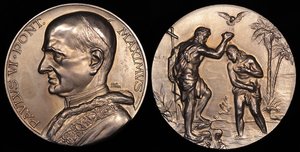
costantino affer
1906 - 1987 , Italy
Hitri podatki
- Artistic Movement Or Style: Post-Impressionism
- Artists Or Movements Influenced By This Artist:
- Cubism
- Impressionism
- Artists Who Influenced This Artist:
- Jean-Auguste-Dominique Ingres
- William-Adolphe Bouguereau
- Date Of Birth: January 19, 1839
- Date Of Death: October 22, 1906
- Full Name: Paul Cézanne
- Nationality: French
- Notable Artworks:
- The Card Players
- The Bathers
- Mont Sainte-Victoire
- Place Of Birth: Paris, France
Sorodni članki

Timeless Strength: The Ultimate Guide to Bronze Art and Sculpture for the Discerning Collector
Discover the enduring elegance of bronze sculpture. Our expert guide explores lost-wax casting, patina mastery, and professional tips for collecting and commissioning museum-quality bronze art to create a lasting legacy in your private collection.

The Eternal Glow of Bronze: A Guide to Sculpting with Light, Strength, and Timeless Artistry
Explore the profound beauty of bronze sculpture. From the ancient lost-wax technique to the interplay of light and patina, discover how this enduring alloy captures human emotion and history through masterful artistry and strength.

Bronze Age to Modern Masters: 10 Sculptures That Redefined Art | OriginalUniqueArt
Journey through art history with 10 legendary bronze sculptures – from Michelangelo's David to Rodin’s Thinker. Explore the stories, techniques & timeless beauty of these masterpieces. Find museum-quality reproductions & elevate your home decor on OriginalUniqueArt.com.

The Enduring Legacy of Bronze: A Historical & Artistic Exploration for the Collector
Explore the rich history & enduring appeal of bronze sculpture with expert insights for collectors at OriginalUniqueArt. Learn about casting techniques, iconic artists, collecting tips & contemporary interpretations.
The Enduring Legacy of Bronze: History, Technique & Artistic Expression for the Collector
Explore the rich history & enduring appeal of bronze sculpture with expert insights for collectors at OriginalUniqueArt. Learn about casting techniques, iconic artists, and collecting tips.
