
 Predogled
 Pošlji
 Deli
Deli
 Podrobnosti o delu

 Prenesi
 Podobni izdelki
 Rentgenski posnetek
 Predvajaj diaporama
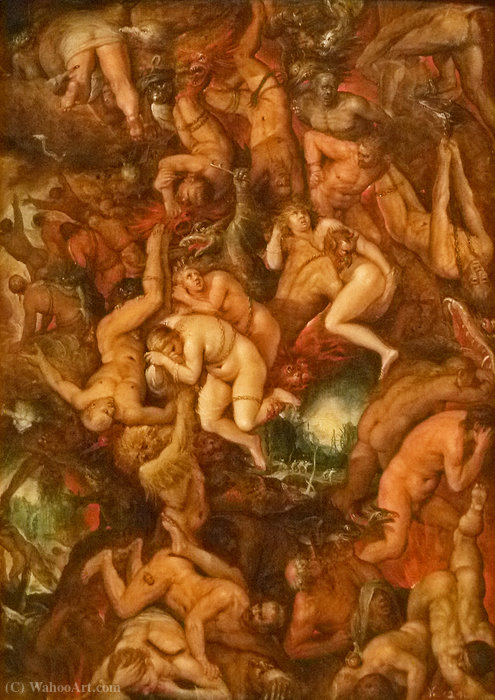
The damned being cast into hell
 Razviljaj več
Ročno izdelana oljna reprodukcija
Ročno slikano olje na platnu v vaši izbiri velikosti in okvirja, izdelano po naročilu naših umetnikov. ( Kupi tisk Kupi digitalno sliko)




































Izberite eno od naših vnaprej določenih velikosti, ki ustrezajo prvotnim proporcijam umetničkega dela.

Svoje dimenzije lahko vnesete tako, da se prilagodite določenemu okvirju ali prostoru. Če izbrana velikost ne ustreza razmerjem originalne slike, bomo umetniško delo obrezali ali sliko dopolnili z dodatnimi ročno naslikanimi elementi. Pred začetkom proizvodnje vam bo poslan digitalni osnutek v odobritev.
Upoštevajte, da predogled na zaslonu ne odraža dejanskega obrezovanja ali podaljšanja. Le osnutek bo natančno prikazal končno kompozicijo.
Čeprav so na voljo velikosti po meri, priporočamo izbiro dimenzije s preddefiniranega seznama, da ohranimo originalne razmere.
Po oddaji naročila bo ekipa OriginalUniqueArt.com stranki po e-pošti poslala navodila in predogled digitalnega predogleda.
Svetska dostava () za 3/4 nedelje umesto uobičajenih 5 nedelja. (20 avgust). Bez kompromisa po pitanju kvaliteta.

Brezplačna ekspresna dostava po vsem svetu

Visokokakovostno laneno platno

Popolno zavarovanje pošiljke

Garancija povračila carine in uvoznih davkov

Garancija popolnega ujemanja barv

60-dnevna politika vračanja (le v primeru napak)

Garancija 100% povračila denarja

Popust pri večjem naročilu
 Možnost stekla je na voljo le za velikosti pod 110 cm

The damned being cast into hell
Tehnika reprodukcije
Velikost reprodukcije
-


Skupna končna cena
$ 300
Biografija umetnika
The Master of the Antwerp Interior
To step into a canvas by Cornelis de Baellieur is to enter a world where the boundaries between reality and curated splendor dissolve. Born in the illustrious artistic hub of Antwerp in 1607, de Baellieur emerged during the golden age of the Flemish Baroque, a period defined by its dramatic light and unparalleled material richness. While history often reserves its most luminous spotlight for titans like Rubens or Brueghel, de Baellieur carved out a unique and vital niche. He was not merely a painter of scenes, but an architect of atmosphere, specializing in the intimate yet opulent environments of the 17th-century elite. His life, which spanned until 1671, was deeply rooted in the very soil of Antwerp, absorbing the city's pulse of commerce, culture, and connoisseurship.
His artistic journey began under the rigorous guidance of Antonis Liesaert, an apprenticeship that instilled in him a profound respect for foundational realism and compositional precision. This early training provided the technical scaffolding upon which he would later build his more complex, layered compositions. However, it was perhaps his time assisting Hans III Jordaens that truly expanded his horizons. In the collaborative workshops of Antwerp, de Baellieur learned the delicate dance of shared vision, observing how individual talents could coalesce to create grander, more intricate narratives. This experience with collaborative effort likely informed his later mastery of the "gallery painting," a genre that requires an artist to act as both painter and curator, managing a multitude of miniature subjects within a single, cohesive frame.
A Vision of Wealth and Wonder
De Baellieur’s oeuvre is most celebrated for its exquisite focus on genre scenes—specifically, the interiors of wealthy collectors' galleries. Unlike his contemporaries who sought to capture the epic scale of mythological battles or religious martyrdom, de Ba-ellieur found profound beauty in the quiet, intellectual pursuits of the upper class. His canvases serve as windows into the private sanctuaries of the era's most sophisticated patrons, spaces brimming with sculptures, tapestries, and precious objects. In works such as his Interior of a Collector's Gallery of Paintings and Objets d'Art, he does not simply depict a room; he orchestrates a symphony of textures and light.
The technical virtuosity on display in these works is nothing short of breathtaking. De Baellieur possessed an uncanny ability to manipulate oil paint to mimic the physical properties of the world around him. One can almost feel the cool, smooth surface of polished marble floors or the heavy, tactile weight of silk drapery cascading through a sunlit room. He utilized light as a narrative tool, employing a Baroque chiaroscuro effect where beams of sunlight seem to pierce through windows to illuminate specific treasures, casting deep, dramatic shadows that lend a sense of mystery and depth to the corners of the room. This interplay of light and shadow does more than create dimension; it directs the viewer's eye, guiding them through a labyrinth of cultural artifacts and inviting them to linger on the fine details of every gilt frame and porcelain figurine.
Legacy of the Flemish Baroque
The historical significance of Cornelis de Baellieur lies in his ability to capture the soul of an era. His paintings are vital historical documents that reflect the 17th-century obsession with connoisseurship and the accumulation of beauty as a symbol of social identity. Through his meticulous rendering of art within art, he celebrated the very concept of the collector, immortalizing the intellectual curiosity and economic power of the Antwerp merchant class. His work stands as a testament to a time when art was not merely an ornament but a central pillar of human civilization.
Though his name may not resonate with the same immediate thunder as the great masters of history painting, his contribution to the Flemish Baroque landscape is indispensable. He provided the intimate counterpoint to the grand narratives of his age, offering instead a more nuanced, detailed, and deeply human perspective on the pursuit of aesthetic perfection. Today, his works remain essential for understanding the social fabric of the Low Countries, reminding us that the true heart of culture often resides in the quiet, light-drenched corners of a private gallery.

Cornelis de Baellieur
1607 - 1671 , Belgium
Hitri podatki
- Artistic Movement Or Style: Baroque Painting
- Artists Or Movements Influenced By This Artist: Jan Brueghel the Elder
- Artists Who Influenced This Artist: Anthony Liesaert
- Date Of Birth: 1607 Antwerp Belgium
- Date Of Death: 1671 Antwerp Belgium
- Full Name: Cornelis de Baellieur
- Nationality: Flemish
- Notable Artworks:
- Interior of a Collector’s Gallery
- Gallery of a Collector
- Place Of Birth: Antwerp Netherlands

