
 Predogled v realnem okolju
 Pošlji
 Deli
Deli
 Podrobnosti o delu
 Priročnik

 Prenesi sliko
 Podobni izdelki
 Rentgenski posnetek
 Predvajaj diaporama
 Vprašanja in odgovori
 Statistika
Cows in the Field

- 93.0 x 75.0 cm


 Preberi več
Giclée tisk / Umetniški tisk
Giclée ali platnati odtis muzejske kakovosti z hitro proizvodnjo in prilagodljivimi možnostmi končne obdelave. ( Kupite ročno slikano delo Preklop na digitalno sliko)




P118B €10

P118H €10

P118W €10

P438Z €10

P508JH €12

P508YH €12

P805H €10

P805Z €10

P919BZ €10

P919G €10

P919XJ €10

P959ZH €10

P968JZ €12

W106C €8

W218G €10

W218JH €8

W218Y €10

W307PJ €10

W316G €10

W316PJ €8

W316Y €10

W398PJ €8

W4111J €10

W500HY €15

W500JH €15

W692G €12

W849H €8

W940BG €15

W953PJ €8




Izberite eno od naših vnaprej določenih velikosti, ki ustrezajo prvotnim proporcijam umetničkega dela.

Vnesite širino in višino, ki jih potrebujete za svoj okvir ali steno. Tiskanje se lahko le odreže, vendar ga ni mogoče narediti večjega od slike, zato format z drugačno obliko pomeni izgubo dela slike. Pred tiskanjem vam pošljemo digitalni predogled za potrditev. Slika, prikazana na tej strani, ne prikazuje dejanskega izrezka — le predogled to omogoča.
Globalna dostava () v 2 tednih namesto standardnih 4/5 tednov. (11 november)

Brezplačna ekspresna dostava po vsem svetu

Visokokakovostno laneno platno

Popolno zavarovanje pošiljke

Garancija povračila carine in uvoznih davkov

Garancija popolnega barvnega ujemanja

100-dnevna politika vračil (le v primeru okvar)

Garancija 100% povračila denarja

Popust pri večjem naročilu
 Možnost stekla je na voljo le za velikosti pod 110 cm

Cows in the Field
Giclée tisk / Umetniški tisk
Velikost reprodukcije
-


Skupna cena
€ 73
A Pastoral Vision: Constant Troyon’s “Cows in the Field”
Constant Troyon's "Cows in the Field," painted in 1852, isn’t merely a depiction of livestock grazing; it’s a carefully constructed tableau of rural tranquility imbued with the spirit of the Barbizon school. This oil on canvas transports us to a sun-drenched meadow, where three cows – one prominent on the left, another centrally positioned, and a third gracefully occupying the right side – engage in the simple act of being. The scene unfolds against a backdrop of gently rolling hills and a scattering of mature trees, their branches reaching skyward like benevolent guardians. The painting’s power lies not just in its subject matter but in Troyon's masterful handling of light and color, creating an atmosphere of profound peace and connection to the natural world.
Troyon, born in Seville, Spain, and trained initially as a decorator at the prestigious Sèvres porcelain manufactory, embarked on a journey that ultimately led him away from meticulous ornamentation towards the expansive landscapes he so brilliantly captured. His early years instilled within him an appreciation for detail and precision, yet it was his travels throughout France – particularly his exposure to the Dutch masters like Cuyp and Potter – that truly shaped his artistic vision. He sought to emulate their ability to render light and atmosphere with remarkable immediacy, moving away from academic formality towards a more direct and emotionally resonant approach.
The Barbizon School: A Return to Nature
“Cows in the Field” is a quintessential example of the Barbizon school’s philosophy. Rejecting the studio-bound techniques favored by earlier generations, Barbizon artists like Troyon sought inspiration directly from nature, often painting *en plein air* – outdoors. This commitment resulted in paintings characterized by loose brushwork, vibrant colors, and an emphasis on capturing the fleeting effects of light and weather. The Barbizon movement represented a deliberate rebellion against the rigid conventions of the Salon system, prioritizing authenticity and emotional expression over technical perfection.
Troyon’s technique is particularly evident in his use of color. He employs a palette of warm ochres, greens, and blues to evoke the golden light of late afternoon. The cows themselves are rendered with a remarkable sense of volume and texture, their coats appearing almost tactile as they blend seamlessly into the surrounding landscape. Notice how he uses subtle gradations of tone to create depth and perspective, drawing the viewer’s eye effortlessly across the scene.
Symbolism and Emotional Resonance
Beyond its technical merits, “Cows in the Field” resonates with a quiet sense of symbolism. The cows themselves represent abundance, fertility, and the cyclical rhythms of rural life. Their peaceful grazing suggests a harmony between humanity and nature – a theme that was particularly important to the Barbizon artists. The painting’s overall mood is one of serenity and contentment, inviting the viewer to pause and appreciate the simple beauty of the natural world.
Furthermore, Troyon's choice of subject matter—a commonplace scene of rural life—elevates it through his artistic skill. He transforms a familiar image into something profoundly moving, capturing not just what he sees but also the feeling of being immersed in this tranquil landscape. The painting speaks to a longing for connection with nature and a recognition of its enduring value.
A Timeless Reproduction
Today, “Cows in the Field” continues to captivate audiences with its timeless beauty and emotional resonance. Reproductions like those offered by Oceansbridge allow us to experience this masterpiece firsthand, bringing its serene atmosphere into our homes and offices. Whether you’re an art enthusiast, a collector seeking to enrich your collection, or simply someone looking for a piece of art that evokes feelings of peace and tranquility, Troyon's "Cows in the Field" is a truly exceptional choice.
Vprašanja in odgovori
Kakšna je splošna svetlobnost dela "Cows in the Field"?
V smislu zaznane svetlobnosti je "Cows in the Field" avtorja Constant Troyon balanced.
Kako "Cows in the Field" uravновеža svetlo in temno?
"Cows in the Field" ima v celoti balanced, njegova luminanca pa znaša Gentle Luminance.
Ali uporablja "Cows in the Field" avtorja Constant Troyon močne kontraste ali nežne harmonije?
Barvna kompozicija dela "Cows in the Field" avtorja Constant Troyon združuje Statement kontrast z Unified Palette harmonijo.
Biografija umetnika
Zgodnje življenje in izobraževanje
Constant Troyon, rojen leta 1810 v Sèvresu, Francija, je odraščal v družini tesno povezani s porcelansko tovarno. Njegova starša sta bila zaposlena tam, kar je ustvarilo okolje, kjer so bili umetniški talent in spretnost cenjeni. Že kot mlad fant se je začel izobraževati kot dekorater v tovarni, natančno pilil svoje veščine pri okraševanju porcelana. To zgodnje usposabljanje mu je vlilo ostrino za podrobnosti in natančnost, ki sta kasneje močno vplivala na njegov slikovni slog. Kljub tem začetnim korakih se je že kmalu odpravil na potovanje po podeželju, kjer se je posvetil krajinskem slikarstvu vsakič, ko so mu to omogočale finance. Ta popotovanja so mu prinesla dragoceno izkušnjo in vpogled v različna okolja, ki so ga navdihnila za ustvarjanje novih del. Ko je bilo denarja malo, se je vrnil k okraševanju porcelana, kar kaže na pragmatičen pristop pri podpori njegovih umetniških ambicij. Pomembno mentorstvo je prejel od Camillea Roqueplana, ki ga je predstavil drugim pomembnim barbizonskim slikarjem, kot sta Rousseau in Jules Dupré. Čeprav je bil sprva pod vplivom njihovega sloga, si je Troyon sčasoma razvil svoj lasten edinstven glas.Umetniški razvoj in nizozemski vpliv
Prelomnica v umetniškem razvoju Constantina Troyona se je zgodila med potovanjem na Nizozemsko leta 1846. Tam ga je navdihnilo delo Paula Potterja, zlasti slika "Mladi bik", pa tudi mojstrovine Cuypa in Rembrandta. To srečanje ga je usmerilo v živalsko slikarstvo, kjer je odkril svoje pravo poslanstvo. Ta izkušnja je pomenila pomemben premik v njegovem slogu, stran od čistega krajinarstva k upodabljanju živali v njihovem naravnem okolju. Poudarek nizozemskih mojstrov na realizmu in ujemanju bistva živali je globoko odmeval pri Troyonu in oblikoval njegov umetniški vid. Od takrat se je posvetil prikazovanju živahnih, dinamičnih prizorov z govedo, konji in drugimi kmetijskimi živalmi.Umetniški slog in zapuščina
Dela Constantina Troyona so bila prežeta z avtentičnostjo, ki je prikazovala živali v njihovih naravnih, dinamičnih stanjih. Prizadeval si je ujeti ne le njihovo fizično podobo, temveč tudi njihov značaj in vedenje. Umetniški kritik Albert Wolff je pohvalil njegovo sposobnost vdihniti življenje živalim in ustvariti prepričljiva krajinska okolja. Troyon se ni zadovoljil s preprostim posnemanjem videza; želel je prikazati dušo živali, njihove misli in čustva. Kljub velikemu uspehu je ostal nekoliko skeptičen do svojih dosežkov, kar kaže na skromno in introspektivno naravo. Prejel je številne nagrade med svojo kariero, vključno z Legijo časti in petimi medaljami pariškega salona, kar dokazuje široko priznanje za njegov talent. Napoleon III je bil med njegovimi naročniki, kar je dodatno utrdilo njegov ugled vodilnega umetnika tistega časa. Žal ga je uspeh prizadel tudi duševno zdravje in umrl leta 1865 po obdobju nemira.Pomembna dela in trajni vpliv
Večina njegovih priznanih del nastane med letoma 1850 in 1864, zgodnejša dela pa so manj pomembna, saj predhajajo njegovemu slogu, navdihnjenemu z Nizozemsko. Njegova zapuščina vključuje Troyonovo nagrado za živalsko slikarstvo na École des Beaux Arts, ki jo je ustanovila njegova mati v spomin nanj in spodbuja prihodnje umetnike. Glavna dela so razstavljena v prestižnih galerijah po vsem svetu, vključno z Wallace Gallery (Glasgow), Louvru in Metropolitanskim muzejem umetnosti. "Vallée de la Toucque, Normandy" je izjemen primer njegovega genija, ki prikazuje njegovo sposobnost ujeti lepoto krajine in vitalnost njenih živalskih prebivalcev. Vplival je na poznejše umetnike, kot je Émile van Marcke, kar dokazuje trajni vpliv njegovega umetniškega vida.Povezava z barbizonsko šolo
Constant Troyon je bil pomemben član barbizonske šole, skupine francoskih krajinarjev, ki so raje slikali na prostem in upodabljali realistične prizore iz narave. Barbizonska šola je poudarjala neposredno opazovanje in si prizadevala ujeti bistvo podeželskega življenja in krajine, zavračala pa je idealizirane predstavitve, ki so bile prevladovale v akademski umetnosti. Čeprav je Troyon sprva sledil slogu drugih barbizonskih slikarjev, ga je njegova edinstvena sposobnost živalskega slikarstva ločila znotraj skupine. Njegova dela so bila prežeta s spoštovanjem do narave in željo po prikazovanju življenja v vsej njegovi surovosti in lepoti. S tem se je uveljavil kot eden najpomembnejših predstavnikov barbizonske šole, ki je pustila neizbrisen pečat na razvoju francoskega slikarstva 19. stoletja.
Constant Troyon
1810 - 1865 , Francija
Hitri podatki
- Artistic Movement Or Style: Barbizonska šola
- Artists Or Movements Influenced By This Artist: ['Émile van Marcke']
- Artists Who Influenced This Artist:
- Paulus Potter
- Aelbert Cuyp
- Date Of Birth: 28. avgust 1810
- Date Of Death: 21. februar 1865
- Full Name: Constant Troyon
- Nationality: Francoz
- Notable Artworks:
- Vallée de la Toucque
- Watering Cattle
- Place Of Birth: Sèvres, Francija
Sorodni članki

Evocations of Place: A Historical Journey Through Landscape Art
Explore the rich history of landscape art with OriginalUniqueArt. Discover renowned artists, movements like Impressionism & Romanticism, and expert guidance for collecting timeless pieces. Find your perfect serene escape today!

John Constable: 25 Mojstrovskih Del Angelskega Krajinarja | OriginalUniqueArt.com
Odkrijte 25 mojstrovskih del Johna Constabla, angleškega slikarja romantizma. Preučite zgodbe za ikoničnimi krajinami, tehniko in lepoto narave. Kvalitetne reprodukcije slik na OriginalUniqueArt.com – idealno za dekoracijo doma!

Evocations of Place: A Historical Journey Through Landscape Art
Explore the rich history of landscape art with OriginalUniqueArt. Discover renowned artists, movements like Impressionism & tonalism, and expert guidance for collecting timeless pieces. Find your perfect serene escape today!
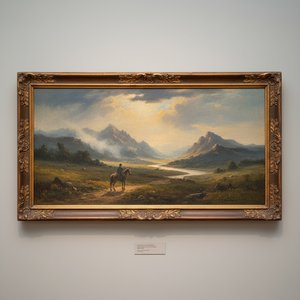
Anthony Vandyke Copley Fielding: Rediscovering a Master of Romantic Landscape
Discover the captivating landscapes of Anthony Vandyke Copley Fielding, a master of Romantic watercolour painting. Explore his life, technique, and legacy with OriginalUniqueArt – your source for museum-quality art reproductions & expert appraisal.

Romantična pokrajina: 10 mojstrovin, ki so definirale gibanje | Umetnost za vaš dom z OriginalUniqueArt.com
Odkrijte 10 mojstrovin romantizma v slikarstvu! Caspar David Friedrich, Turner in drugi. Preučite zgodbe, tehnike in čustva teh ikoničnih krajinskih slik. Kvalitetne reprodukcije za vaš dom na OriginalUniqueArt.com