
 Predogled v realnem okolju
 Pošlji
 Deli
Deli
 Podrobnosti o delu
 Priročnik

 Prenesi sliko
 Podobni izdelki
 Rentgenski posnetek
 Predvajaj diaporama
 Vprašanja in odgovori
 Statistika
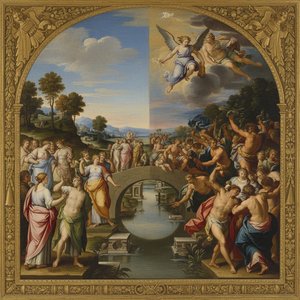
Laudatory epigraph for Agostino Carracci


 Preberi več
Giclée tisk / Umetniški tisk
Giclée ali platnati odtis muzejske kakovosti z hitro proizvodnjo in prilagodljivimi možnostmi končne obdelave. ( Kupite ročno slikano delo Preklop na digitalno sliko)




































Izberite eno od naših vnaprej določenih velikosti, ki ustrezajo prvotnim proporcijam umetničkega dela.

Vnesite širino in višino, ki jih potrebujete za svoj okvir ali steno. Tiskanje se lahko le odreže, vendar ga ni mogoče narediti večjega od slike, zato format z drugačno obliko pomeni izgubo dela slike. Pred tiskanjem vam pošljemo digitalni predogled za potrditev. Slika, prikazana na tej strani, ne prikazuje dejanskega izrezka — le predogled to omogoča.
Globalna dostava () v 2 tednih namesto standardnih 4/5 tednov. (3 november)

Brezplačna ekspresna dostava po vsem svetu

Visokokakovostno laneno platno

Popolno zavarovanje pošiljke

Garancija povračila carine in uvoznih davkov

Garancija popolnega barvnega ujemanja

100-dnevna politika vračil (le v primeru okvar)

Garancija 100% povračila denarja

Popust pri večjem naročilu
 Možnost stekla je na voljo le za velikosti pod 110 cm

Laudatory epigraph for Agostino Carracci
Giclée tisk / Umetniški tisk
Velikost reprodukcije
-


Skupna cena
€ 72
Vprašanja in odgovori
Ali lahko naročim oljno reprodukcijo dela "Laudatory epigraph for Agostino Carracci"?
Ročno slikane kopije dela "Laudatory epigraph for Agostino Carracci" avtorja Claudius Achillinus so na voljo na spletnem mestu ta spletna stran: ročno slikana oljna reprodukcija na lnenem platnu, kjer jih lahko naročite preko strani Ročno slikana reprodukcija.
Ali je "Laudatory epigraph for Agostino Carracci" na voljo kot umetniški tisk?
"Laudatory epigraph for Agostino Carracci" je na voljo kot umetniška grafika na bombažnem platnu ali arhivskem papirju za platno. Naročila lahko oddate na strani Kakovostna umetniška tiskanina v izbrani velikosti.
Ali lahko pred nakupom vidim "Laudatory epigraph for Agostino Carracci" avtorja Claudius Achillinus na svoji steni?
Stran Predogled v AR za delo "Laudatory epigraph for Agostino Carracci" avtorja Claudius Achillinus uporablja tehnologijo proširjene reality, da na vaši zd compatible napravi prikaže umetniško del v vašem lastnem prostoru.
Biografija umetnika
Claudius Achillinus: The Baroque Poet of Bologna
Claudius Achillinus (latin claudius achillinus; 18 september 1574 – 1 october 1640) was an italian philosopher, theologian, mathematician, poet, and jurist. He is a major figure in the history of italian baroque poetry, celebrated for his masterful Latin verse that captured the spirit of its time—a period marked by dramatic artistic innovation and fervent religious fervor. Born in Bologna, Italy, Achillinus descended from a distinguished legal family, shaping his intellectual pursuits accordingly. His formative years instilled within him a profound appreciation for logic and argumentation, which would later permeate his poetic endeavors.- Early Life & Education: Achillinus’s upbringing fostered an environment of scholarly excellence. He studied law at Bologna University, gaining renown as a brilliant jurist—a profession that provided him with invaluable experience in interpreting legal texts and formulating persuasive arguments. This grounding in jurisprudence undoubtedly influenced his stylistic choices in poetry, prioritizing clarity and precision alongside emotional depth.
- Philosophical Influences: Achillinus’s intellectual journey extended beyond law into the realm of philosophy. He embraced Cartesian rationalism, aligning himself with the dominant philosophical currents of his era. Descartes' emphasis on deductive reasoning—starting from fundamental axioms—provided Achillinus with a framework for exploring metaphysical questions and constructing intricate conceptual structures within his poems.
- Literary Career: Achillinus’s poetic output consisted primarily of Latin verses, reflecting the prestige accorded to classical scholarship during the Baroque period. He skillfully employed elaborate metaphors and rhetorical devices—techniques favored by poets like Marino—to convey complex ideas with breathtaking artistry. His work exemplifies the baroque penchant for grandeur and theatricality, mirroring the opulent architectural styles and dramatic narratives characteristic of the era.
- Notable Works: Achillinus’s magnum opus is arguably his epigraph for Agostino Carracci's monumental fresco cycle in Palazzo Farnese, Rome—a piece that embodies the Baroque ideal of harmonious composition and symbolic representation. The stucco relief, adorned with gold accents and inspired by classical motifs, showcases Achillinus’s artistic legacy as a champion of humanist values and aesthetic excellence.
- Legacy & Significance: Achillinus's influence on Italian baroque poetry is undeniable. He served as an inspiration for poets like Marino, fostering a stylistic tradition that prioritized intellectual rigor alongside emotional intensity. His poems continue to be studied today, offering insights into the philosophical debates and artistic innovations of the seventeenth century—a testament to his enduring contribution to literary history.
The Poet Laureate & Patronage
Achillinus’s reputation as a scholar attracted considerable patronage from influential figures such as Cardinal Richelieu, Duke of Parma and Ferrara. This support enabled him to pursue his intellectual pursuits with unwavering dedication—a characteristic that resonated deeply within the humanist spirit of the Baroque age. The lavish reward bestowed upon him for his sonnet dedicated to Louis XIII underscores the esteem in which he was held by royal courts and intellectuals alike.Stylistic Characteristics & Techniques
Achillinus’s poetic style is marked by several distinctive features—most notably, the use of elaborate metaphors and absurd thoughts—techniques that mirrored those employed by Marino and other prominent poets of his time. His verses are characterized by a deliberate complexity, reflecting Descartes' commitment to deductive reasoning and mirroring the Baroque fascination with intellectual puzzles. Achillinus’s masterful command of language—combined with his profound philosophical insights—solidified his position as one of the foremost voices of Italian baroque poetry.
Claudius Achillinus
1574 - 1640 , Italy
Hitri podatki
- Full Name: Claudius Achillinus
- Nationality: Italian
- Date Of Birth: 1574
- Date Of Death: 1640
- Place Of Birth: Bologna, Italy
- Notable Artworks: ['Laudatory epigraph for Agostino Carracci']
- Artistic Movement Or Style: Baroque Poetry
- Artists Who Influenced This Artist:
- Giovanni Filoteo Achillini
- Alessandro Achillini
- Artists Or Movements Influenced By This Artist: ['Giambattista Marino']
Sorodni članki

Baroque Classicism: The Grandeur of Order and Drama in 17th-Century Art History
Explore the profound elegance of Baroque Classicism. Discover how 17th-century masters synthesized dramatic emotion with classical order through the lens of the Counter-Reformation and the works of legends like Carlo Maratta and Andrea Sacchi.

Baročne mojstrovine: 10 umetnin, ki so definirale obdobje | OriginalUniqueArt
Odkrijte 10 baročnih mojstrovine, ki so zaznamovale umetnost! Karavaggio, Bernini & Rubensovi deli v zgodovinskem kontekstu. Navdih za notranjost in reprodukcije slik na OriginalUniqueArt.com. Raziskujte polno zbirko online!

The Dramatic Flourish: Exploring the Baroque Movement's Enduring Legacy in Art History
Explore the dramatic world of Baroque art! Discover iconic artists like Caravaggio & Rubens, defining techniques, and its lasting impact on art history. Expert insights for collectors & enthusiasts at OriginalUniqueArt.

Baročna Drama: Uvedba Velikosti in Čustvenosti v Sodobne Interierje
Odkrijte veličino baročne umetnosti! Nasveti za integracijo dramatičnosti in čustvenosti v vaš dom. Kvalitetne reprodukcije, naročila po meri pri OriginalUniqueArt.com – strokovno posvetovanje in vrhunska kakovost.
Annibale Carracci: Bridging Renaissance Ideals & Baroque Innovation
Explore the life & art of Annibale Carracci, a pivotal figure bridging Renaissance ideals with Baroque innovation. Discover his masterpieces and lasting influence on Italian painting.