

 Preverite v realnem okolju
 Pošlji kot čestitko
 Deli
Deli
 Podrobnosti
 Priročnik

 Prenesi
 Podobni artefakti
 Rentgenski posnetek
 Predvajaj diaporama
 Statistika
Untitled (907)

 Preberi več
Kupite digitalno sliko visoke ločljivosti z izboljšano kakovostjo, ki je precej višja od spletnega predogleda.
Vsako datoteko naše strokovnjake v ekipi z največjo mero natančnosti pripravijo z uporabo naprednih orodij in strokovne ročne obdelave. Zagotovimo, da je vsaka slika izjemno jasna, barvno natančna in polna finih podrobnosti.
Končna datoteka je po e-pošti dostavljena v 72 urah, optimizirana za takojšnjo uporabo v profesionalnem, uredniškem in tiskarskem okolju. To je kakovost, ki ji zaupajo vrhunska oblikovalna studia, založniki in galerije.
Digitalna slika
Prenesite datoteko visoke ločljivosti za osebno uporabo, tiskanje in kreativne projekte. ( Preklop na tiskanine Naročite ročno slikano reprodukcijo)
Vključeno v vsako naročilo digitalne slike
Zagotovljena strokovna digitalna dostava
Z izbiro OriginalUniqueArt.com ne prejmete le slike – prejmete profesionalno urejeno digitalno umetniško delo, izdelano z največjo natančnostjo in zavestno podprto z garancijo za zadovoljstvo. Tukaj je vse, kar bo z vašim naročilom samodejno priloženo:

Hitra dostava po e-pošti
Vaša digitalna slika visoke ločljivosti bo na vaš e-naslov poslana v roku 72 ur od zaklopa naročila – pripravljena za takojšnjo uporabo.

Digitalna datoteka z uporabo AI
Vaše umetniško delo je strokovno optimizirano z uporabo naprednih orodij umetne inteligence in ročne obdelave, kar zagotavlja največjo stopnjo podrobnosti, jasnosti in barvne natančnosti.

Brezplačna doletna ponovna dostava
Ste datoteko zaradi nespremietne napake izgubili ali izbrisali? Ni težav – vam jo bomo ponovno poslali kadar koli in brezplačno.

Brez uvoznih pristojbin – vedno
Svoje umetniško del uživajte takoj, brez carin, davkov ali stroškov dostave – digitalni prenosi so vedno brezdavčni.

Zagotovilo natančnosti barv
Z uporabo profesionalnih orodij in procesov upravljanja barv zagotavljamo, da vaša digitalna slika čim bolj natančno odraža prvotne barve.

100-dnevna garancija zadovoljstva
Če niste zadovoljni s svojo digitalno sliko, jo bomo uredili ali vam v 100 dneh povrnili 100% denarja – brez kakršnih koli vprašanj.

100% Garancija povračila denarja
Niste zadovoljni? Zagotavljamo vam popoln povračilo sredstev v 100 dneh po prejemu digitalne datoteke – brez dodatnih vprašanj.

Popusti pri večjih naročilih
Kupite 3 slike, prihranite 10% - Kupite 5 slik, prihranite 15% - Kupite 10+ slik, prihranite 20%. Odlično za kreativne projekte, galerije in agencije.
Biografija umetnika
Chilean vizionar: Življenje in umetnost Claudio Brava
Claudio Bravo, ime, ki je postalo sinonim za hiperrealizem, se je leta 1936 rodil v živahnem kulturnem okolju Valparaísoja v Chileju. Njegova pot je bila pot izjemne predanosti svojemu kovanju, ki se je razvijala od zgodnjih naročil za portrete, opravljenih z namenom izkazovanja v šoli, do post become mednarodno priznanega umetnika, katerega dela premoščajo evropske tradicije in latinoameriško senzibilnost. Rodil se je v družini, kjer umetniška nagnjenost ni bila takoj spodbudljena – njegov oče, poslovnec, je sprva umetnost videl kot nepraktično delo – vendar je Bravo kljub vsemu našel podporo, ki je negovala njegov vzrastajoči talent. Ta je prišla skozi vodstvo Miguela Venegasa Cifuentesa, ki je Bravoju nudil edino urabno usposabljanje skoraj deset let in mu vstalovil temeljni realistični slog, ki bo postal značilnost njegovega dela. Še kot mladenič je bila Bravova izstopajoča sposobnost očitna; hitro je dobil priznanje kot portretist v Chileju, vendar ga je nezasrpna želja po raziskovanju širšega sveta umetnosti vabila proti Evropi.Od madridske družbene elite do privlačnosti zapakiranih predmetov K konecu 1950ih se je Bravo odpravil na preobrazbno obdobje v Madrid v Španiji. Ko se je uveljavil kot iskan portretist med visokimi družinami, je izpilil svoje tehnične veščine in razvil izjemno razumevanje svetlobe in forme – vplive, ki so bili globoko zakorenjeni v delih renesančnih in baroknih mojstrov, kot so Velázquez, Zurbarán in Cotán. Ti umetniki niso bili le predmet občudovanja; močno so jih študiral, kar je oblikovalo Bravov natančen pristop k kompoziciji, osvetlitvi in tematici. Slikal je pomembne osebnosti – od Francojeve hčerke do Ferdinanda in Imelde Marcos – vendar se je v njegovi umetniški viziji že valjala sprememba. Okoli leta 1963, navdihnjen z preprosto lepoto zapakiranih predmetov, ki jih so njegove sestre prinašale domov, ter z abstraktnimi barvnimi polji umetnikov, kot je bil Mark Rothko, je Bravo v svoje slike začel vključevati te vsakdanje predmete. To je označilo začetek njegove ikonične obdobja "paketov", raziskovanja skritosti, skrivnostnosti in izvorne estetične kakovosti, ki jo najdemo v prizemljenem. Njegova prva velika izstava v Galerii Fortuny je predstavila to novo smer in navdušila občinstvo z nepričakovano tematiko in dih vzetim realizmom.
Objem Tangerja: Sinteza vplivov
Leta 1972 je Bravo iskal spremembo okolja in se preselil v Tanger v Maroku, kjer bo preživel večino preostalih let svojega življenja. Ta selitev se je izkazala za ključno, saj mu je omogočila sintezo raznih vplivov, ki so oblikovali njegovo umetniško pot. Čeprav je še naprej sprejemal naročila za portrete in ustvarjal natančno podrobne živopise mrtve narave, je svoje ustvarjalno repertoar razširil tudi na risbe, litografije, gravure in celo figurativne bronaste skulpture. Unikatna svetloba Tangerja, njegova živahna kultura in bližina tako Evropi kot Africi so njegovo del prežela z novo energijo in duhovno globino. Vpliv surrealizma je postal vse bolj očit v njegovih kompozicijah, ki so bile zaznačene s sanjskimi postavitvami in eteričnimi ozadji. Bravo ni le kopiral realnosti; interpretiral jo je skozi prizmo renesančne tehnike, barokne dramatike in evokativne moči podzavesti.Dedstvo hiperrealizma in trajni vpliv
Bravova smrt leta 2011 je označila konec ene dobe, vendar njegovo umetniško dediščino še vedno čuti zbiratelji in ljubitelji umetnosti po vsem svetu. Pravično je priznan kot vodilna figura hiperrealizma, slavljen zaradi svoje nepremagljive tehnične mojstrstva, natančne pozornosti do detajlov in sposobnosti, da tudi najbolj običajne predmete napolni z globoko čustveno resonanco. Njegove slike so shranjene v prestižnih zbirkah, kot so The Metropolitan Museum of Art, Museo Nacional de človeško umetnosti v Santiagu in Museum Ludwig v Kölnu, kar je dokaz njegove trajne pomembnosti v zgodovini umetnosti. Bravovo del presega zgolj imitacijo; je raziskovanje percepcije, simbolizma in lepote, ki je prisotna tako v oprijemljivem kot v neoprijemljivem. Dokazal je, da hiperrealizem ni le kopiranje realnosti, temveč razkrivanje njenih skritih globin in sproščanje močnega čustvenega odziva pri gledalcu.- Njegov vpliv lahko opazimo pri sodobnih umetnikih, ki si prizadevajo za podobno raven tehnične natančnosti in evokativnega pripovedovanja.
- Bravova sposobnost dvigovanja vsakdanjih predmetov v umetniška dela izziva konvencionalne predstavitve lepote in umetniške vrednosti.
- Ostaja vir navdihovanja za tiste, ki želijo osvojiti temelje slikarstva, hkrati pa premikajo meje realizma.
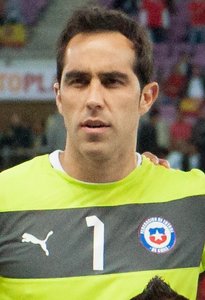
Claudio Bravo
1936 - 2011 , Chile
Kratek pregled
- Artistic Movement Or Style: Hiperrealizem
- Artists Or Movements Influenced By This Artist: Hiperrealizem
- Artists Who Influenced This Artist:
- Velázquez
- Zurbarán
- Sánchez Cotán
- Dalí
- Date Of Birth: 1936
- Date Of Death: 2011
- Full Name: Claudio Bravo
- Nationality: Čilenski
- Notable Artworks:
- Breznaslovno (509)
- Breznaslovno (401)
- Breznaslovno (426)
- Place Of Birth: Valparaíso, Chile