

 Preverite v realnem okolju
 Pošlji kot čestitko
 Deli
Deli
 Podrobnosti
 Priročnik

 Prenesi
 Podobni artefakti
 Rentgenski posnetek
 Predvajaj diaporama
 Statistika
Shipwreck
 Acrylic On Canvas
- WallArt
- Rococo
 1759
1759- Late Medieval
 96.0 x 134.0 cm
 Groeninge Muzej
 Preberi več
Ročno izdelana oljna reprodukcija
Ročno slikano olje na platnu v vaši izbiri velikosti in okvirja, izdelano po naročilu naših umetnikov. ( Preklop na tiskanine Preklop na digitalno sliko)




P118B €10

P118H €10

P118W €10

P438Z €10

P508JH €12

P508YH €12

P805H €10

P805Z €10

P919BZ €10

P919G €10

P919XJ €10

P959ZH €10

P968JZ €12

W106C €8

W218G €10

W218JH €8

W218Y €10

W307PJ €10

W316G €10

W316PJ €8

W316Y €10

W398PJ €8

W4111J €10

W500HY €15

W500JH €15

W692G €12

W849H €8

W940BG €15

W953PJ €8




Izberite eno od naših vnaprej določenih velikosti, ki ustrezajo prvotnim proporcijam umetničkega dela.

Vnesite širino in višino, ki jih potrebujete, da se slika prilega vašemu okviru ali steni. Ker je delo ročno slikano, lahko umetnik pri različnih oblikih slik pri robovih doda malo več barve ali pa jih malo odreže — izberite sami. Pred začetkom slikanja vam pošljemo digitalni predogled za potrditev. Slika, prikazana na tej strani, ni končni rezultat — le predogled prikazuje dejansko podobo.
Po oddaji naročila bo ekipa OriginalUniqueArt.com stranki po e-pošti poslala navodila in predogled digitalnega predogleda.
Mednarodna dostava () v 3/4 tednih namesto običajnih 5 tednov. (23 oktober). Brez kompromisov pri kakovosti.

Brezplačna ekspresna dostava po vsem svetu

Visokokakovostno laneno platno

Popolno zavarovanje pošiljke

Garancija povračila carine in uvoznih davkov

Garancija popolnega barvnega ujemanja

Politika vračila v 100 dneh (le v primeru okvar)

Garancija 100% povračila denarja

Popust pri večjem naročilu
 Možnost stekla je na voljo le za velikosti pod 110 cm

Shipwreck
Tehnika reprodukcije
Velikost reprodukcije
-


Skupna cena
€ 264
A Tempestuous Vision: The Shipwreck by Claude-Joseph Vernet
Claude-Joseph Vernet’s “Shipwreck” (1759) isn't merely a depiction of maritime disaster; it’s a visceral plunge into the heart of the sublime – that potent blend of terror, awe, and exhilaration evoked by confronting the raw power of nature. Painted during the height of the Rococo period in France, yet imbued with a dramatic intensity that anticipates Romanticism, this work transcends its subject matter to become a meditation on human vulnerability against an indifferent universe. The painting immediately commands attention with its dynamic composition, a swirling vortex of turbulent sea and bruised sky, pulling the viewer into the chaotic drama unfolding before them.
Vernet masterfully employs the techniques characteristic of his era – a meticulous attention to detail combined with a loose, expressive brushstroke. Notice how he renders the churning waves, not as smooth forms but as frothing crests and shadowed troughs, conveying an almost palpable sense of movement. The light is equally crucial; it’s fractured and diffused by the storm clouds, casting dramatic highlights on the wreckage and creating pools of deep shadow that heighten the feeling of unease. The artist's use of chiaroscuro – the stark contrast between light and dark – isn’t simply for aesthetic effect but serves to amplify the drama and underscore the precariousness of the scene.
Echoes of the Sublime: Rococo Meets Romanticism
“Shipwreck” occupies a fascinating space within art history. While firmly rooted in the decorative elegance of the Rococo style – evidenced by the vibrant palette, the intricate details of the ship’s rigging (though rendered with a slightly more rugged quality than typical for the period), and the overall sense of theatricality – it also foreshadows the Romantic movement's fascination with untamed nature. Vernet was deeply influenced by the philosophical ideas of Jean-Jacques Rousseau, who championed the beauty and power of the natural world as a counterpoint to the artificiality of courtly life. This painting embodies that sentiment, presenting a storm at sea not as a destructive force but as an overwhelming spectacle of sublime grandeur.
The historical context is equally important. Vernet’s work reflects the growing European interest in maritime exploration and trade during the 18th century. Shipwrecks were frequent occurrences, often resulting in significant loss of life and cargo – events that captured the public imagination. Vernet's painting taps into this collective anxiety about the perils of the sea while simultaneously celebrating its breathtaking beauty. It’s a reminder of humanity’s smallness within the vastness of the ocean.
Figures Amidst Ruin: Symbolism and Human Drama
Scattered along the rocky shoreline are several figures, rendered in stark silhouette against the brightly lit background. These aren't heroic rescuers; they are ordinary people – men and women – overwhelmed by the scale of the disaster. Their postures suggest a mixture of despair, frantic activity, and perhaps even a desperate hope for survival. Vernet doesn’t offer easy answers or moral judgments; he simply presents these individuals as witnesses to an event beyond their control. The inclusion of these human figures elevates the painting from a purely landscape study to a poignant meditation on mortality and resilience.
In the background, a partially obscured castle-like structure – likely a coastal fortress or lighthouse – adds another layer of symbolism. It represents both protection and vulnerability, suggesting that even the most formidable structures are ultimately subject to the forces of nature. The presence of this architectural element anchors the scene within a specific geographical context while simultaneously emphasizing the insignificance of human endeavors in the face of overwhelming natural power.
A Legacy of Dramatic Seascapes
Signed “C. J. Vernet” in the lower right corner, "Shipwreck" stands as a testament to Claude-Joseph Vernet’s mastery of marine painting. It's a work that continues to resonate with viewers today, not only for its technical brilliance but also for its profound exploration of human emotion and the sublime power of nature. Reproductions of this iconic image offer a captivating glimpse into a pivotal moment in art history – a moment when the Rococo’s decorative elegance yielded to the Romantic spirit's embrace of untamed beauty and dramatic intensity.
Vprašanja in odgovori
Kateri slog pripada "Shipwreck"?
Umetnostni smer, povezana z delom "Shipwreck" avtorja Claude-Joseph Vernet, je Rococo. Ta klasifikacija delo uvršča med sorodne umetnike in umetniška dela.
Kako "Shipwreck" uravновеža svetlo in temno?
Zabeležene vrednosti za "Shipwreck" avtorja Claude-Joseph Vernet so: svetlina shadow, luminanca Soft Shadow.
Ali je "Shipwreck" znano umetniško delo v okviru sloga Rococo?
V okviru gibanja Rococo ima "Shipwreck" Recognized stopnjo priljubljenosti.
Biografija umetnika
Mojster Pomorske Svetlobe: Življenje in Umetnost Clauda-Josepha Verneta
Claude-Joseph Vernet, rojen v Bordeauxu leta 1714, ni bil prvotno usojen veličastnim pokrajinam in dramatičnim pomorskim prizorom, ki so definirali njegov odtis. Njegove zgodnje umetniške nagibe je razkrilo fasciniranje s konji – strast, očitna že v otroštvu, ko je skiciral te plemenite živali že pri petih letih. Ta zgodnja predanost anatomiji živali, še posebej obliki konja, bi subtilno oblikovala njegovo kasnejše delo in dalo dinamično energijo in realizem figuram v širših kompozicijah. Vernetova formalna izobrazba se je začela pod vodstvom njegovega očeta, Antoina Verneta, dekorativnega slikarja, in Nicolasa-Bernarda Lépiciéja, ki mu je zagotovila trdne akademske temelje, preden se je odpravil v umetniško srce Evrope: Rim. Prav v Italiji je Vernet res odkril svoj poklic, očaran ne le s klasičnimi pokrajinami, temveč tudi z surovo močjo in lepoto morja. Prihod na obalo Marseilla in pogled na kite pa sta bila prelomnica, ki je sprožila celoživotno obsesijo s pomorskimi motivi.Od Rimskih Študij do Kraljevih Naročil
Vernetov čas v Rimu ni bil zgolj o ponavljanju obstoječih stilov; to je bilo poglobljeno študij svetlobe, atmosfere in interakcije med človeštvom in naravo. Absorbiral je vplive mojstrov kot sta Claude Lorrain in Salvator Rosa, združil njune pristope v edinstveno osebno vizijo. Medtem ko je Lorrain ponujal idealizirano spokojnost, je Rosa zagotavljal dramatično intenzivnost – Vernet je spretno sintetiziral te elemente in ustvaril prizore, ki so bili tako vizualno osuplivi kot čustveno odmevni. Ob vrnitvi v Francijo leta 1753 je njegov talent hitro pridobil priznanje. Pomemben trenutek se je zgodil s naročilom Ludvika XV., da naslika serijo pogledov francoskih pristanišč. Ta ambiciozen projekt – ki je na koncu obsegal petnajst slik – je uveljavil Verneta kot vodilnega pomorskega slikarja svojega časa. To niso bili zgolj topografski zapisi; to so bili sugestivni portreti narodne ponosnosti, ki prikazujejo francosko morsko moč in njeno povezavo z morjem. Intérieur du port de Marseille (1754) na primer ni samo upodobitev živahnega pristanišča – je oda trgovini, industriji in živemu srcu mesta.Dediščina Skovana v Svetlobi in Nevihti
Vernetova umetniška spretnost ni ležala v natančnem upodabljanju ladij in pristanišč, temveč tudi v mojstrskem obvladovanju svetlobe in atmosfere. Razumeval je, kako sončna svetloba blesti na vodi, kako se oblaki zbirajo pred nevihto in kako lahko ti elementi dramatično spremenijo razpoloženje prizora. Njegove slike pogosto prikazujejo dramatično nebo, burno vodo in figure, ujete v trenutkih tako nevarnosti kot odpornosti. A View of the Port of Naples with Mount Vesuvius in the Background (1774) je zgled tega talenta – impozantna prisotnost Vezuva se dviga nad živahnim pristaniščem, opomin na moč narave, hkrati pa poudarja človeško dejavnost. Ta sposobnost uravnoteženja veličine in intimnosti je značilnost njegovega dela. Poleg pomorskih prizorov je Vernet raziskoval tudi pokrajine in lovske motive, vedno ohranjal ostrino za podrobnosti in razumevanje anatomije živali – spretnost, ki jo je izpilil v mladosti.Družina, Vpliv in Trajna Pomembnost
Umetniška rodbina se je nadaljevala s sinom Verneta, Antoine Charles Horace Vernetom (znanim tudi kot Carle Vernet), ki je sledil očetovim stopinjah in dosegel slavo z lastnimi dinamičnimi prizori bitk in lovske umetnosti. Ta družinska povezava poudarja pomembnost tradicije in mentorstva v francoski umetniški skupnosti 18. stoletja. Vpliv Clauda-Josepha Verneta se je razširil onkraj njegove neposredne družine; pomagal je dvigniti pokrajinsko slikarstvo na vidno mesto v francoski umetnosti. Njegovo delo je utrlo pot kasnejšim generacijam umetnikov in jih navdihnilo, da raziščejo lepoto in moč naravnega sveta. Čeprav je umrl leta 1789, na pragu revolucionarnih sprememb, Vernetova zapuščina ostaja živa. Njegove slike še naprej očarajo gledalce s svojo atmosfersko globino, tehnično briljantnostjo in sugestivnim pripovedovanjem – dokaz življenja, posvečenega ujemanju bistva svetlobe, morja in človeškega duha.
Claude-Joseph Vernet
1714 - 1789 , Francija
Ključne informacije
- Datum Rojstva: 14. avgust 1714
- Datum Smrti: 1789
- Državljanstvo: Francoz
- Kraj Rojstva: Bordeaux, Francija
- Polno Ime: Claude-Joseph Vernet
- Pomembna Dela:
- Intérieur du port de Marseille
- A view of the port of Naples
- Umetniki Pod Vplivom: ['Antoine Charles Horace Vernet']
- Umetniški Smer: Pokrajina, Pomorsko slikarstvo
- Vplivi Umetnikov:
- Claude Lorrain
- Bernardino Fergioni
Sorodni članki

Rokojska mojstrovin: 10 umetnin, ki so definirale eleganco
Odkrijte 10 mojstrovin, ki so definirale rokokoj! François Boucher, Fragonard & Watteau – potopite se v svet elegance, pastelnih barv in prefinjenega sloga. Najboljše umetnine rokokoja na OriginalUniqueArt.com - za navdih in reprodukcije vrhunske kakovosti.
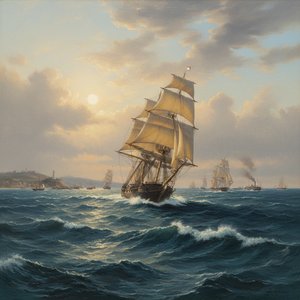
James E. Buttersworth: Navigating the Seas of Victorian Marine Painting
Explore the captivating world of James Edward Buttersworth, a foremost Victorian marine painter. Discover his meticulous ship portraits, America's Cup chronicles & enduring legacy in museums worldwide. Learn about his technique and style.
Dostava in vračila
APS nudi strokovno svetovno pošiljanje umetnin z nego muzejske kakovosti, z popolnim sledenjem in 100-dnevno garancijo vračila denarja. Od carinske podpore do Priority Production, zaupajte transparentni storitvi, varni embalaži in zanesljivi dostavi za zbiratelje, oblikovalce in galerije.

The Rococo Aesthetic: Opulence, Rebellion & the Pursuit of Pleasure in 18th-Century Art
Explore the opulent world of Rococo art! Discover its origins, key artists like Watteau & Boucher, and lasting influence on design. Expert insights for collectors & enthusiasts.
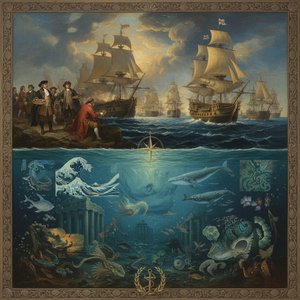
Navigating the Depths of Representation: A Historical Exploration of Marine Painting
Explore the rich history of marine painting with OriginalUniqueArt. Discover Dutch Masters, Romantic seascapes & renowned artists like Wyllie and Harris. Expert guidance for collectors & custom reproductions.