
 Preverite v realnem okolju
 Pošlji kot čestitko
 Deli
Deli
 Podrobnosti
 Priročnik

 Prenesi
 Podobni artefakti
 Rentgenski posnetek
 Predvajaj diaporama
 Statistika
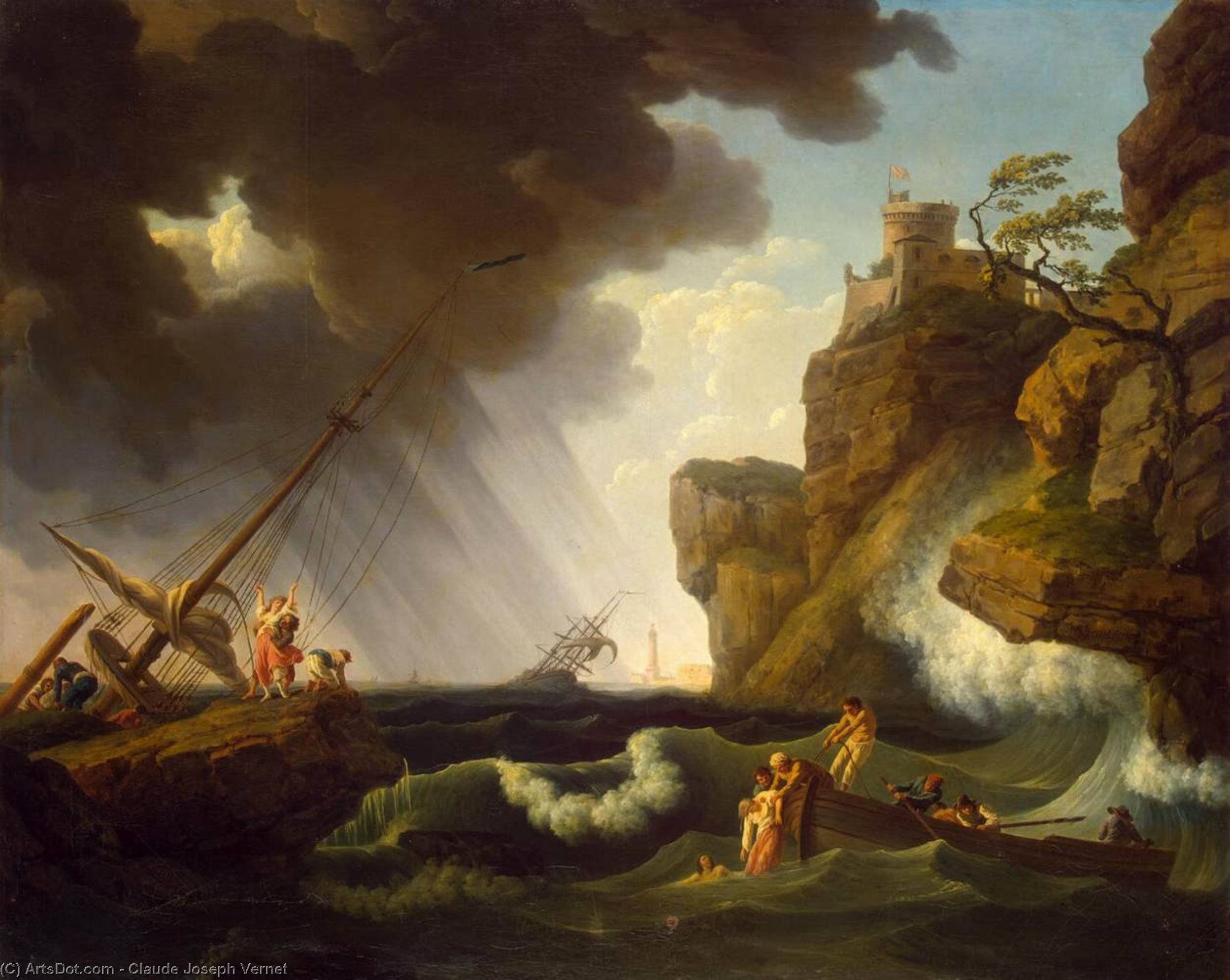
Shipwreck
 Oil On Canvas
- WallArt
- Romantic Landscape
 1763
1763- Early Modern
 102.0 x 126.0 cm
 Hermitage Museum
 Preberi več
Giclée tisk / Umetniški tisk
Giclée ali platnati odtis muzejske kakovosti z hitro proizvodnjo in prilagodljivimi možnostmi končne obdelave. ( Naročite ročno slikano reprodukcijo Preklop na digitalno sliko)




P118B €10

P118H €10

P118W €10

P438Z €10

P508JH €12

P508YH €12

P805H €10

P805Z €10

P919BZ €10

P919G €10

P919XJ €10

P959ZH €10

P968JZ €12

W106C €8

W218G €10

W218JH €8

W218Y €10

W307PJ €10

W316G €10

W316PJ €8

W316Y €10

W398PJ €8

W4111J €10

W500HY €15

W500JH €15

W692G €12

W849H €8

W940BG €15

W953PJ €8




Izberite eno od naših vnaprej določenih velikosti, ki ustrezajo prvotnim proporcijam umetničkega dela.

Vnesite širino in višino, ki jih potrebujete za svoj okvir ali steno. Tiskanje se lahko le odreže, vendar ga ni mogoče narediti večjega od slike, zato format z drugačno obliko pomeni izgubo dela slike. Pred tiskanjem vam pošljemo digitalni predogled za potrditev. Slika, prikazana na tej strani, ne prikazuje dejanskega izrezkov — le predogled to omogoča.
Globalna dostava () v 2 tednih namesto standardnih 4/5 tednov. (21 oktober)

Brezplačna ekspresna dostava po vsem svetu

Visokokakovostno laneno platno

Popolno zavarovanje pošiljke

Garancija povračila carine in uvoznih davkov

Garancija popolnega barvnega ujemanja

Politika vračila v 100 dneh (le v primeru okvar)

Garancija 100% povračila denarja

Popust pri večjem naročilu
 Možnost stekla je na voljo le za velikosti pod 110 cm

Shipwreck
Giclée tisk / Umetniški tisk
Velikost reprodukcije
-


Skupna cena
€ 70
A Tempestuous Vision of Sublime Terror
Claude Joseph Vernet’s “Shipwreck” is far more than a mere depiction of maritime disaster; it is a profound cornerstone of Romantic landscape painting that captures the very essence of human vulnerability. Completed in 1763, this oil on canvas masterpiece invites viewers into a world where the boundaries between awe and terror dissolve. The scene unfolds with a panoramic intensity, dominated by turbulent, churning seas and brooding, heavy skies that seem to press down upon the frantic figures below. As one gazes upon the work, the sheer scale of the ocean’s fury becomes palpable, establishing a sense of sublime drama that was revolutionary for its era. The composition is masterfully orchestrated to guide the eye through the chaos, from the splintering wood of the vessel to the desperate movements of the crew, creating a visceral experience that resonates long after the first encounter.
The technical brilliance of Vernet lies in his ability to translate raw, elemental energy into tangible paint. Eschewing the polished, idealized surfaces favored by Neoclassical contemporaries, Vernet embraced a more expressive and textured approach. He utilizes chiarosc lately—the dramatic interplay between piercing light and deep, swallowing shadows—to sculpt the forms of the ship and its passengers against the immense backdrop of the storm. His brushwork is notably loose and energetic, employing thick layers of impasto to mimic the frothing whitecaps of the waves and the heavy, moisture-laden atmosphere of a tempest. This tactile quality adds a layer of physical realism to the scene, making the spray of the salt water and the weight of the wind feel almost touchable to the observer.
The Philosophy of the Sublime and Historical Resonance
To understand “Shipwreck,” one must look toward the intellectual currents of the Enlightenment. During this period, philosophers such as Edmund Burke were deeply preoccupied with the concept of the sublime—the idea that beauty could be found in things that are simultaneously terrifying and overwhelming. Vernet’s work serves as a visual manifesto for this philosophy. By presenting the small, frantic figures of the shipwrecked crew against the infinite, uncontrollable power of nature, he highlights the fragility of human existence. The painting does not merely document a nautical accident; it explores the psychological state of confronting an immense force that is indifferent to human life. This tension between the monumental landscape and the minute, struggling human element provides a profound emotional depth that continues to captivate modern audiences.
For the discerning collector or interior designer, “Shipwreck” offers more than just aesthetic beauty; it brings a commanding presence and a narrative soul to any space. The painting’s dramatic tonal range—from charcoal grays to brilliant, light-pierced crests—allows it to serve as a powerful focal point in sophisticated settings. Whether placed in a grand library or a contemporary living space, the artwork evokes a sense of history, adventure, and deep contemplation. A high-quality reproduction of this masterpiece allows one to possess a fragment of the Romantic era, bringing the timeless, haunting beauty of Vernet’s maritime vision into the modern home, where it can continue to inspire awe and wonder.
Vprašanja in odgovori
Kateri umetniški slog zastopa "Shipwreck" avtorja Claude-Joseph Vernet?
Umetnostni smer, povezana z delom "Shipwreck" avtorja Claude-Joseph Vernet, je Romantic Landscape. Ta klasifikacija delo uvršča med sorodne umetnike in umetniška dela.
Kakšna velikost in orientacija sta priporočeni za tiskanje dela "Shipwreck" avtorja Claude-Joseph Vernet?
Za "Shipwreck" je priporočena nastavitev tiska velikost Large in orientacija Landscape.
Kako se tema dela "Shipwreck" povezuje s tipičnimi temami umetnika Claude-Joseph Vernet?
Claude-Joseph Vernetove ponavljajoče se teme vključujejo classical landscape, sublime horror, maritime drama, baroque style, vernet legacy; "Shipwreck" se osredotoča na shipwreck, storm, sea, landscape, boats, waves, tragedy.
Biografija umetnika
Mojster Pomorske Svetlobe: Življenje in Umetnost Clauda-Josepha Verneta
Claude-Joseph Vernet, rojen v Bordeauxu leta 1714, ni bil prvotno usojen veličastnim pokrajinam in dramatičnim pomorskim prizorom, ki so definirali njegov odtis. Njegove zgodnje umetniške nagibe je razkrilo fasciniranje s konji – strast, očitna že v otroštvu, ko je skiciral te plemenite živali že pri petih letih. Ta zgodnja predanost anatomiji živali, še posebej obliki konja, bi subtilno oblikovala njegovo kasnejše delo in dalo dinamično energijo in realizem figuram v širših kompozicijah. Vernetova formalna izobrazba se je začela pod vodstvom njegovega očeta, Antoina Verneta, dekorativnega slikarja, in Nicolasa-Bernarda Lépiciéja, ki mu je zagotovila trdne akademske temelje, preden se je odpravil v umetniško srce Evrope: Rim. Prav v Italiji je Vernet res odkril svoj poklic, očaran ne le s klasičnimi pokrajinami, temveč tudi z surovo močjo in lepoto morja. Prihod na obalo Marseilla in pogled na kite pa sta bila prelomnica, ki je sprožila celoživotno obsesijo s pomorskimi motivi.Od Rimskih Študij do Kraljevih Naročil
Vernetov čas v Rimu ni bil zgolj o ponavljanju obstoječih stilov; to je bilo poglobljeno študij svetlobe, atmosfere in interakcije med človeštvom in naravo. Absorbiral je vplive mojstrov kot sta Claude Lorrain in Salvator Rosa, združil njune pristope v edinstveno osebno vizijo. Medtem ko je Lorrain ponujal idealizirano spokojnost, je Rosa zagotavljal dramatično intenzivnost – Vernet je spretno sintetiziral te elemente in ustvaril prizore, ki so bili tako vizualno osuplivi kot čustveno odmevni. Ob vrnitvi v Francijo leta 1753 je njegov talent hitro pridobil priznanje. Pomemben trenutek se je zgodil s naročilom Ludvika XV., da naslika serijo pogledov francoskih pristanišč. Ta ambiciozen projekt – ki je na koncu obsegal petnajst slik – je uveljavil Verneta kot vodilnega pomorskega slikarja svojega časa. To niso bili zgolj topografski zapisi; to so bili sugestivni portreti narodne ponosnosti, ki prikazujejo francosko morsko moč in njeno povezavo z morjem. Intérieur du port de Marseille (1754) na primer ni samo upodobitev živahnega pristanišča – je oda trgovini, industriji in živemu srcu mesta.Dediščina Skovana v Svetlobi in Nevihti
Vernetova umetniška spretnost ni ležala v natančnem upodabljanju ladij in pristanišč, temveč tudi v mojstrskem obvladovanju svetlobe in atmosfere. Razumeval je, kako sončna svetloba blesti na vodi, kako se oblaki zbirajo pred nevihto in kako lahko ti elementi dramatično spremenijo razpoloženje prizora. Njegove slike pogosto prikazujejo dramatično nebo, burno vodo in figure, ujete v trenutkih tako nevarnosti kot odpornosti. A View of the Port of Naples with Mount Vesuvius in the Background (1774) je zgled tega talenta – impozantna prisotnost Vezuva se dviga nad živahnim pristaniščem, opomin na moč narave, hkrati pa poudarja človeško dejavnost. Ta sposobnost uravnoteženja veličine in intimnosti je značilnost njegovega dela. Poleg pomorskih prizorov je Vernet raziskoval tudi pokrajine in lovske motive, vedno ohranjal ostrino za podrobnosti in razumevanje anatomije živali – spretnost, ki jo je izpilil v mladosti.Družina, Vpliv in Trajna Pomembnost
Umetniška rodbina se je nadaljevala s sinom Verneta, Antoine Charles Horace Vernetom (znanim tudi kot Carle Vernet), ki je sledil očetovim stopinjah in dosegel slavo z lastnimi dinamičnimi prizori bitk in lovske umetnosti. Ta družinska povezava poudarja pomembnost tradicije in mentorstva v francoski umetniški skupnosti 18. stoletja. Vpliv Clauda-Josepha Verneta se je razširil onkraj njegove neposredne družine; pomagal je dvigniti pokrajinsko slikarstvo na vidno mesto v francoski umetnosti. Njegovo delo je utrlo pot kasnejšim generacijam umetnikov in jih navdihnilo, da raziščejo lepoto in moč naravnega sveta. Čeprav je umrl leta 1789, na pragu revolucionarnih sprememb, Vernetova zapuščina ostaja živa. Njegove slike še naprej očarajo gledalce s svojo atmosfersko globino, tehnično briljantnostjo in sugestivnim pripovedovanjem – dokaz življenja, posvečenega ujemanju bistva svetlobe, morja in človeškega duha.
Claude-Joseph Vernet
1714 - 1789 , Francija
Ključne informacije
- Datum Rojstva: 14. avgust 1714
- Datum Smrti: 1789
- Državljanstvo: Francoz
- Kraj Rojstva: Bordeaux, Francija
- Polno Ime: Claude-Joseph Vernet
- Pomembna Dela:
- Intérieur du port de Marseille
- A view of the port of Naples
- Umetniki Pod Vplivom: ['Antoine Charles Horace Vernet']
- Umetniški Smer: Pokrajina, Pomorsko slikarstvo
- Vplivi Umetnikov:
- Claude Lorrain
- Bernardino Fergioni
Sorodni članki

Romantična pokrajina: 10 mojstrovin, ki so definirale gibanje | Umetnost za vaš dom z OriginalUniqueArt.com
Odkrijte 10 mojstrovin romantizma v slikarstvu! Caspar David Friedrich, Turner in drugi. Preučite zgodbe, tehnike in čustva teh ikoničnih krajinskih slik. Kvalitetne reprodukcije za vaš dom na OriginalUniqueArt.com

Evocations of Place: A Historical Journey Through Landscape Art
Explore the rich history of landscape art with OriginalUniqueArt. Discover renowned artists, movements like Impressionism & Romanticism, and expert guidance for collecting timeless pieces. Find your perfect serene escape today!

John Constable: 25 Mojstrovskih Del Angelskega Krajinarja | OriginalUniqueArt.com
Odkrijte 25 mojstrovskih del Johna Constabla, angleškega slikarja romantizma. Preučite zgodbe za ikoničnimi krajinami, tehniko in lepoto narave. Kvalitetne reprodukcije slik na OriginalUniqueArt.com – idealno za dekoracijo doma!

Claude Lorrain: Master of Light & Landscape in the Golden Age
Explore the luminous landscapes of Claude Lorrain, a Baroque master renowned for his masterful use of light & atmosphere. Discover his life, techniques, key works & enduring influence on art history.
Claude Monet: 25 Mojstrovin Impresionizma za Vaš Dom | OriginalUniqueArt
Odkrijte 25 mojstrovin Claude Moneta – impresionističnih biserov, ki so spremenile svet umetnosti. Preberite zgodbe za slikami, tehniko in navdih. Kvalitetne reprodukcije na OriginalUniqueArt.com! Raziskajte celotno zbirko online.