

 Preverite v realnem okolju
 Pošlji kot čestitko
 Deli
Deli
 Podrobnosti
 Priročnik

 Prenesi
 Podobni artefakti
 Rentgenski posnetek
 Predvajaj diaporama
 Statistika
Mademoiselle Clairon as Medea (study)
 Acrylic On Canvas
- WallArt
- Rococo Elegance
 1759
1759 63.0 x 79.0 cm
 Musée des Beaux-Arts de Bordeaux
 Preberi več
Giclée tisk / Umetniški tisk
Giclée ali platnati odtis muzejske kakovosti z hitro proizvodnjo in prilagodljivimi možnostmi končne obdelave. ( Naročite ročno slikano reprodukcijo Preklop na digitalno sliko)




P118B €10

P118H €10

P118W €10

P438Z €10

P508JH €12

P508YH €12

P805H €10

P805Z €10

P919BZ €10

P919G €10

P919XJ €10

P959ZH €10

P968JZ €12

W106C €8

W218G €10

W218JH €8

W218Y €10

W307PJ €10

W316G €10

W316PJ €8

W316Y €10

W398PJ €8

W4111J €10

W500HY €15

W500JH €15

W692G €12

W849H €8

W940BG €15

W953PJ €8




Izberite eno od naših vnaprej določenih velikosti, ki ustrezajo prvotnim proporcijam umetničkega dela.

Vnesite širino in višino, ki jih potrebujete za svoj okvir ali steno. Tiskanje se lahko le odreže, vendar ga ni mogoče narediti večjega od slike, zato format z drugačno obliko pomeni izgubo dela slike. Pred tiskanjem vam pošljemo digitalni predogled za potrditev. Slika, prikazana na tej strani, ne prikazuje dejanskega izrezkov — le predogled to omogoča.
Globalna dostava () v 2 tednih namesto standardnih 4/5 tednov. (25 oktober)

Brezplačna ekspresna dostava po vsem svetu

Visokokakovostno laneno platno

Popolno zavarovanje pošiljke

Garancija povračila carine in uvoznih davkov

Garancija popolnega barvnega ujemanja

Politika vračila v 100 dneh (le v primeru okvar)

Garancija 100% povračila denarja

Popust pri večjem naročilu
 Možnost stekla je na voljo le za velikosti pod 110 cm

Mademoiselle Clairon as Medea (study)
Giclée tisk / Umetniški tisk
Velikost reprodukcije
-


Skupna cena
€ 70
A Study in Mythological Drama: Charles André van Loo’s “Mademoiselle Clairon as Medea”
Charles André van Loo's "Mademoiselle Clairon as Medea" (study), completed in 1759, stands as a testament to the grandeur and sophistication of Rococo painting while simultaneously delving into profound mythological themes. Executed by Laurent Cars and Jacques-Firmin Beauvarlet alongside Van Loo himself – a trio celebrated for their collaborative achievements at the Académie royale – this artwork transcends mere visual representation; it embodies an intellectual engagement with classical narratives and explores complex psychological portraits. The painting depicts Mademoiselle Clairon, a renowned Parisian actress famed for her dramatic interpretations of mythological roles, portrayed as Medea, the vengeful sorceress from Greek mythology. This deliberate juxtaposition wasn’t merely stylistic choice but reflected the prevailing artistic preoccupation with portraying characters—particularly women—with nuanced emotional depth and psychological complexity. Unlike traditional depictions emphasizing idealized beauty, Van Loo captures Clairon's gaze – turned slightly to the side – conveying a palpable sense of inner turmoil and determination. Her crimson dress serves as a striking visual anchor, mirroring Medea’s fiery passion for retribution. Technically masterful, the piece showcases the hallmarks of Rococo artistry: delicate brushstrokes, luminous glazing techniques, and meticulous attention to detail. The artist skillfully employs chiaroscuro – dramatic contrasts between light and shadow – to sculpt the figures and imbue them with a sense of realism despite their stylized poses. The backdrop features two horses rendered in muted tones, symbolizing strength and nobility—a common motif within aristocratic portraiture during the period. Furthermore, the inclusion of two attendants reinforces the theatrical atmosphere, highlighting Clairon’s role as performer and embodying the spirit of the stage. Historically situated within the opulent court of Louis XV, “Mademoiselle Clairon as Medea” reflects the broader artistic climate of its time—a fascination with classical mythology alongside a desire to elevate portraiture beyond mere likeness. Artists sought to convey not just outward appearance but also inner character and psychological states, mirroring the Enlightenment’s emphasis on reason and observation. The painting's symbolism extends beyond individual figures; Medea herself represents defiance against societal constraints and embodies the transformative power of emotion—themes resonating powerfully with audiences captivated by theatrical performances. Ultimately, “Mademoiselle Clairon as Medea” transcends its formal conventions to deliver an emotionally resonant experience for the viewer. It invites contemplation on themes of passion, revenge, and psychological resilience – qualities admired in both mythological heroines and celebrated actresses alike. Its enduring appeal lies in its ability to capture a moment of dramatic intensity while simultaneously demonstrating the artistic prowess of Van Loo and his collaborators—a captivating glimpse into the intellectual and aesthetic sensibilities of 18th-century France.Vprašanja in odgovori
Kdo je avtor dela "Mademoiselle Clairon as Medea (study)" in v katerem gibanju?
Za delom "Mademoiselle Clairon as Medea (study)" sta Charles-André Van Loo in gibanje Rococo Elegance.
Ali je na voljo diaporama za "Mademoiselle Clairon as Medea (study)" avtorja Charles-André Van Loo?
Na voljo je diaporama: stran Diaporama za delo "Mademoiselle Clairon as Medea (study)" avtorja Charles-André Van Loo.
Kako svetel je celotni sklad "Mademoiselle Clairon as Medea (study)"?
V smislu zaznane svetlobnosti je "Mademoiselle Clairon as Medea (study)" avtorja Charles-André Van Loo shadow.
Biografija umetnika
Kasno mladost in izobraževanje
- Ročilo: 15. februar 1705. v Niceju, Franciji
- Družno ozadje: Sin Louis-Abraham van Loo in mlajši brat Jean-Baptiste van Loo. Član uspešne dinastije nizozemskih slikarskikov.
- Zgodnje izobraževanje: Začetno usposabljanje v Turinu, nato študije v Rimu (1712) pod Benedetto Lutijem in Pierre Legrosom.
- Študije v Parižih: Obiskoval je Akademijo kraljev, kjer je leta 1723 osvojil prvo nagrado za risbo in leta 1727 za zgodovinsko sliko.
Umetniška kariera in znamenita dela
- Stil: Glavode je znan kot rokokanski slikar, ki ga značilijo elegancija, gracioznost in bogata dekorativna podrobnost.
- Predmetje: Različno zbirko, vključujoč portrete, mitološke scene, zgodovinske slike, alegorije in žanrske motive.
- Znamenita dela:
- Venus in Amor (Kunsthalle Bremen) - Demonstrira majstorstvo rokokanskega stila.
- Obohjeje lovnika (The Metropolitan Museum of Art) – Zhranja aristokratske dejavnosti.
- Portret Marie Leszczynske, kraljice Francije – Značajan kraljevski portret.
- Jupiter in Antiope - Izpostavlja mitološke teme.
- Samoportret – Zagotavlja vpogled v samopoznavanje umetnika.
- Persej in Andromeda (več različic) – Ilustrirajo veščino pri prikazovanju klasične mitologije.
- Mademoiselle Clairon kot Medea (majhna različica) - Udivljiv rokokanski portret iz leta 1760.
Začkopstvo in kraljevsko priznanje
- Kraljevsko začopstvo: Užival je začopstvo Madame de Pompadour in francškega dvora.
- Imenovanje v dvore: Je leta 1762 postal prvi slikar za kralja Ludvika XV, prestižna funkcija.
- Orden sv. Mikelaša: Okrasjen z Ordenjem sv. Mikelaša, kar pomeni kraljevsko milost.
Vplivi in dediščina
- Družno vplivanje: Močno vplivan zaradi svojega očeta in brata, oba uspešna slikarska.
- Konkurenca: Konkuriral je z François Boucherjem, drugim izviškim rokokanskim umetnikom.
- Moderna francška šola: Njegova "jednostavnost stila in pravilnost zasnova" je močno vplivala na moderno francško slikarstvo.
- Kritična blagost: Čeprav je njegova kritična postavitev skozi časom nihala, ga znanje in obseg njegovega dela povzroča spoštovanje.
Zbirke v muzejih in nadaljnja raziskovanja
- Prsotnost v muzejih: Dela so izpostavljena v priznanih muzejih, vključno z Louvrejem (Porok kraljice), Kunsthalle Bremen in The Metropolitan Museum of Art.
- Dodatne vire:
- Stranica Charles-André van Loo na OriginalUniqueArt: https://www.OriginalUniqueArt.com/artists/charles-andre-van-loo/
- Stranica najboljših umetnikov vseh časov na OriginalUniqueArt: https://www.OriginalUniqueArt.com/greatest-artists
- Virtuelni muzej OriginalUniqueArt: https://www.OriginalUniqueArt.com/
- Wikipedia članek: https://en.wikipedia.org/wiki/Charles-Andr%C3%A9_van_Loo
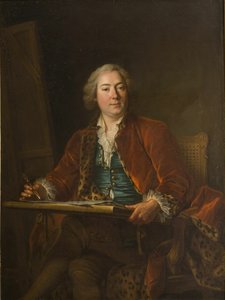
Charles-André Van Loo
1705 - 1765 , Francija
Ključne informacije
- Artistic Movement Or Style: Rokokno slikarstvo
- Artists Or Movements Influenced By This Artist: ['Moderna francuska šola']
- Artists Who Influenced This Artist:
- Benedetto Luti
- Pierre Le Gros
- Date Of Birth: 15. februar 1705.
- Date Of Death: 15. julij 1765.
- Full Name: Charles-André van Loo
- Nationality: Francski
- Notable Artworks:
- Venus in Amor
- Obohje lovnice
- Portret Mariji Leszczynske
- Jupiter in Antiope
- Samoportret
- Persej in Andromeda
- Place Of Birth: Nice, Francija
Sorodni članki
Leonardo da Vinci: 25 Mojstrovin za Navdih v Vašem Domu | OriginalUniqueArt
Odkrijte 25 mojstrovin Leonarda da Vincija! Preučite zgodovino, tehnike in simbolizem renesančnih del kot Mona Lisa & Zadnja večerja. Najdite navdih za dekoracijo doma z umetnostjo na OriginalUniqueArt.com

The Elegance of Rococo: A Journey Through Pastel Dreams and Ornate Splendor
Embark on an elegant journey through the Rococo era. Discover the delicate beauty of pastel masterpieces, the intricate artistry of 18th-century French masters, and how this era of ornate splendor continues to inspire timeless luxury in fine art collecting.

The Allure of Elegance in Art: A Historical & Aesthetic Exploration of Refinement & Grace
Explore the exquisite world of Rococo art! Discover its history, masters (Watteau, Boucher & more), and defining elegance. Expert insights for collectors seeking museum-quality reproductions & custom portraits.

Rokojska mojstrovin: 10 umetnin, ki so definirale eleganco
Odkrijte 10 mojstrovin, ki so definirale rokokoj! François Boucher, Fragonard & Watteau – potopite se v svet elegance, pastelnih barv in prefinjenega sloga. Najboljše umetnine rokokoja na OriginalUniqueArt.com - za navdih in reprodukcije vrhunske kakovosti.

Neo-Classicism's Greatest Hits: 10 Masterpieces for Your Home |
Journey through Neo-Classicism's finest! Explore 10 iconic masterpieces by David, Ingres & Canova. Discover art history, techniques & timeless beauty – perfect for inspiring your home decor. Find museum-quality reproductions at